 Ozikoro
 Anthropology and Ethnography · Published history
Nsibidi: Africa’s Lost Script — The History of the Ancient Efik-Ibibio Writing System and Its Use in the Ekpe Society
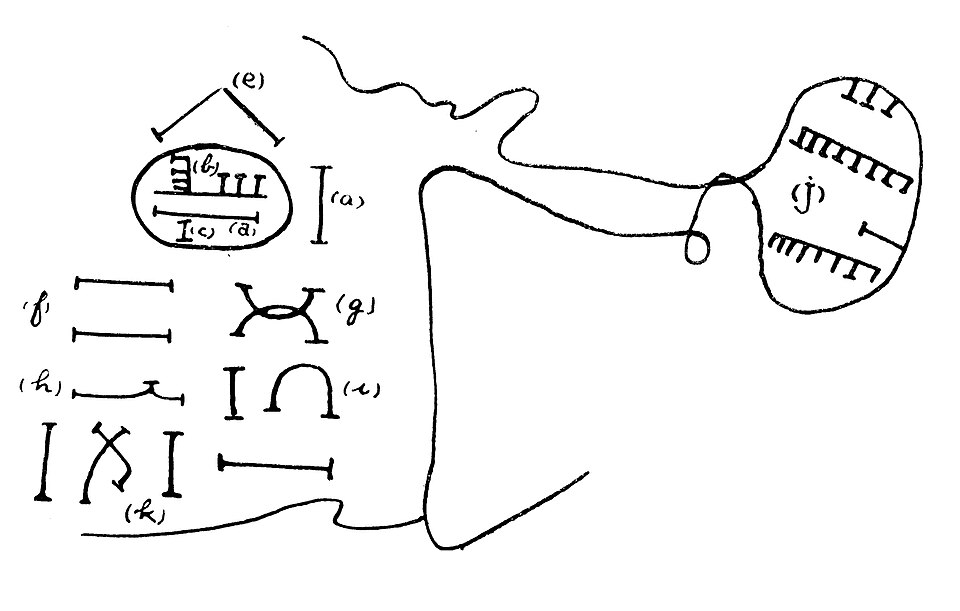
Nsibidi (sometimes spelled “Nsibiri”) is one of Africa’s oldest indigenous writing systems. Originating among the Ejagham people of southeastern Nigeria and southwestern Cameroon, it was later adopted and expanded by neighbouring groups, including the Efik, Efut, and Ibibio. Associated closely with the secretive Ekpe (Leopard) society, Nsibidi evolved into a complex system of signs used for communication, governance, education, conflict resolution, and ritual practices.
The written record
Historical context
Origins of Nsibidi
According to historical and anthropological accounts, Nsibidi developed centuries before European contact. The earliest known users were the Ejagham people, who inhabited the Cross River region. The script was not an alphabet but a logographic and ideographic system meaning that signs represented concepts, actions, objects, and relationships, rather than specific spoken syllables.
The spread of Nsibidi occurred mainly through sociopolitical interaction, warfare, marriage alliances, and membership in secret associations. The Efik, residing along the Cross River estuary, encountered Nsibidi early and incorporated it into their own cultural institutions, especially the Ekpe society.
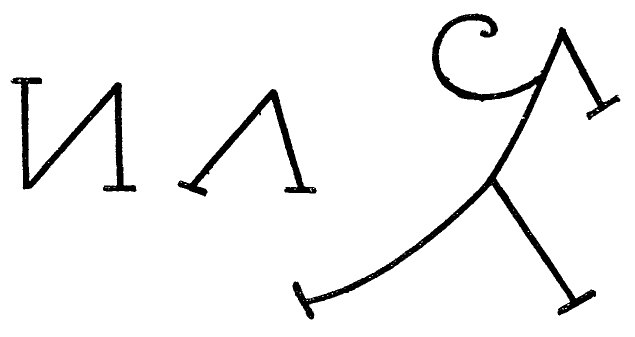
Photo credit; Wikipedia
Nsibidi Among the Efik-Ibibio Peoples
Adoption and Adaptation
The Efik and Ibibio peoples did not simply borrow Nsibidi; they adapted and expanded its symbols. As the Ekpe society became politically influential among them, Nsibidi became a key component of governance and ritual communication. Some variants of Nsibidi were considered “public,” used in decorations, pottery, tattoos, and art. Others were “secret,” restricted only to initiated members.
Linguistic Flexibility
Unlike alphabetic scripts, Nsibidi did not encode speech directly. Instead, it conveyed meaning visually through symbolic logic. This made it adaptable across multiple languages in the region, including Efik and Ibibio. Its cross-ethnic intelligibility helped maintain shared cultural identity across different towns and communities.
The Ekpe Society and Nsibidi
The Ekpe society, also known as the Leopard or Ngbe society, is a powerful traditional institution that functioned as a judiciary, security force, and legislative body among the Efik, Efut, and Ibibio. Nsibidi was central to its operations.
Judicial and Administrative Use
In Ekpe meetings, Nsibidi symbols were used to record judgments, interpret laws, send warnings, summon offenders, and communicate decisions. Stones and palm leaves marked with Nsibidi could be left at a person’s compound to signify fines, sanctions, or invitations.
Communication of Authority
Members of the highest Ekpe grades used Nsibidi to issue commands and maintain social order. Each grade possessed deeper knowledge of the symbols, creating a hierarchy of literacy.
Certain Nsibidi signs indicated:
Peace or hostility
Ownership of land or property
Authority of a chief
Agreements between houses
Sacred instructions
Ritual and esoteric knowledge.
Some Nsibidi signs were connected to spiritual teachings, initiation rites, and the performance of Ekpe masquerades. Because these signs carried ritual power, only initiated members were permitted to read or write them. This secrecy added to the mystique and exclusivity of the Ekpe institution.
Forms and Media of Nsibidi
Nsibidi symbols appeared on many surfaces and objects:
Wood carvings and sculptures
Calabashes and pottery
Walls and shrines
Body markings and tattoos
Cloth designs, including ceremonial wrappers
Ekpe regalia, drums, and masquerade materials
This versatility allowed Nsibidi to function as both an artistic tradition and a communication system.

Colonial Contact and Suppression
European contact in the 19th century drastically changed Nsibidi’s trajectory. Missionaries discouraged its use, viewing it as “pagan” and incompatible with Christian teaching. Colonial administrators also suppressed Ekpe activities, which weakened the institutional structures that preserved the script.
By the early 20th century, Nsibidi was already declining rapidly. Literacy in English and Roman-alphabet Efik became dominant. However, instead of disappearing completely, Nsibidi survived underground and kept alive in Ekpe lodges and rural communities.
Nsibidi in the 20th and 21st Centuries
Scholarly Documentation
The most important early academic work on Nsibidi was done by colonial anthropologists such as J. K. Macgregor and G. I. Jones. They photographed and catalogued many signs, though they were often denied access to the deepest Ekpe meanings due to their outsider status.
Modern scholars, including Nigerian historians and linguists, have argued for the recognition of Nsibidi as one of Africa’s great intellectual traditions.
Today, Nsibidi is experiencing renewed interest due to:
Cultural preservation movements
Ekpe revival festivals in Cross River and Akwa Ibom
Artistic use in murals, clothing, and body art
Academic research in universities
Influence on the Nsibidi-inspired script of the African diaspora (e.g., Afro-Cuban Abakuá symbols)
Although some internet sources claim Nsibidi was part of a “lost ancient Nigerian alphabet,” scholars emphasize that it was never an alphabet but a logographic symbol system. Its power lay in its visual intelligence, not phonetic spelling.
Comparisons With Other African Writing Systems
Before colonialism, only a few regions of Africa had indigenous writing traditions such as Ge’ez (Ethiopia), Tifinagh (Tuareg), and Meroitic (Sudan). Nsibidi stands out because it:
Survived through secret societies rather than state bureaucracies
Spread across multiple ethnic groups
Combined art, law, and spiritual knowledge
Maintained a strong esoteric hierarchy
This makes Nsibidi one of the continent’s most culturally sophisticated symbolic systems.
Legacy and Significance
Nsibidi remains a powerful emblem of cultural memory for the Efik, Ibibio, Ejagham, and related groups. Its legacy includes:
A demonstration of Africa’s pre-colonial intellectual richness
A reminder of the role of secret societies in political organization
A visual language that still influences art and identity
A bridge between the past and present for the Ekpe institution
Its survival underscores the resilience of indigenous knowledge systems despite colonial suppression and cultural change.
Nsibidi represents one of West Africa’s most remarkable cultural achievements: a sophisticated system of symbols that carried legal, spiritual, artistic, and diplomatic functions. Originating among the Ejagham and flourishing in the Efik-Ibibio world, Nsibidi helped sustain the operations of the Ekpe society and provided a framework for communication long before European literacy arrived. Although suppressed during colonial rule, it endures today as a symbol of identity and heritage. Its history affirms that African civilizations created complex systems of writing, governance, and knowledge long before external influence.
Sources and references
- Ekpe. (2024). Wikipedia.
- Jones, G. I. (1963). The art of Nsibidi. Nigeria Magazine.
- Macgregor, J. K. (1909). Some Nsibidi signs. Journal of the Royal Anthropological Institute, 39, 209–219.
- Nsibidi. (2024). Wikipedia.
- Talbot, P. A. (1926). The Peoples of Southern Nigeria. Oxford University Press.
Cite this article
Discussion
Sign in to join the discussion
Comments are checked by an editor before they appear. Leave a source or a correction and it is read first.
Continue reading
Related histories
 Anthropology and EthnographyThe Demography of Biafran Slave Exports (1650–1850)Read history →
 Anthropology and EthnographyMasquerade Traditions from Igboland to the Caribbean (Jonkonnu, Mocko Jumbie)Read history →
 Anthropology and EthnographyMapping Igbo Destinations in the Americas: A Comparative AnalysisRead history →
No comments yet
Nothing has been approved on this record yet. Comments are checked by an editor before they appear, so one written now shows on this page after that check.