 Ozikoro
 Anthropology and Ethnography · Published history
Oba Olua and the 1480 Migration: The Exodus of Prince Ginuwa from the Benin Empire
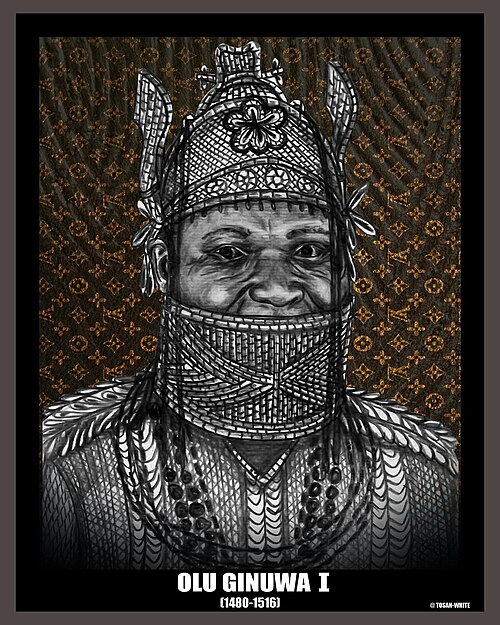
The migration of Prince Ginuwa from the Benin Empire in the late 15th century is one of the most significant historical events in the political history of the Niger Delta. Under the reign of Oba Olua, this exodus marked the beginning of the Itsekiri monarchy and the eventual founding of the Warri Kingdom. The story, preserved through oral traditions and supported by historical studies, reveals deep political intrigues within the Benin royal court, as well as the expansionist tendencies of the empire during this period.
The written record
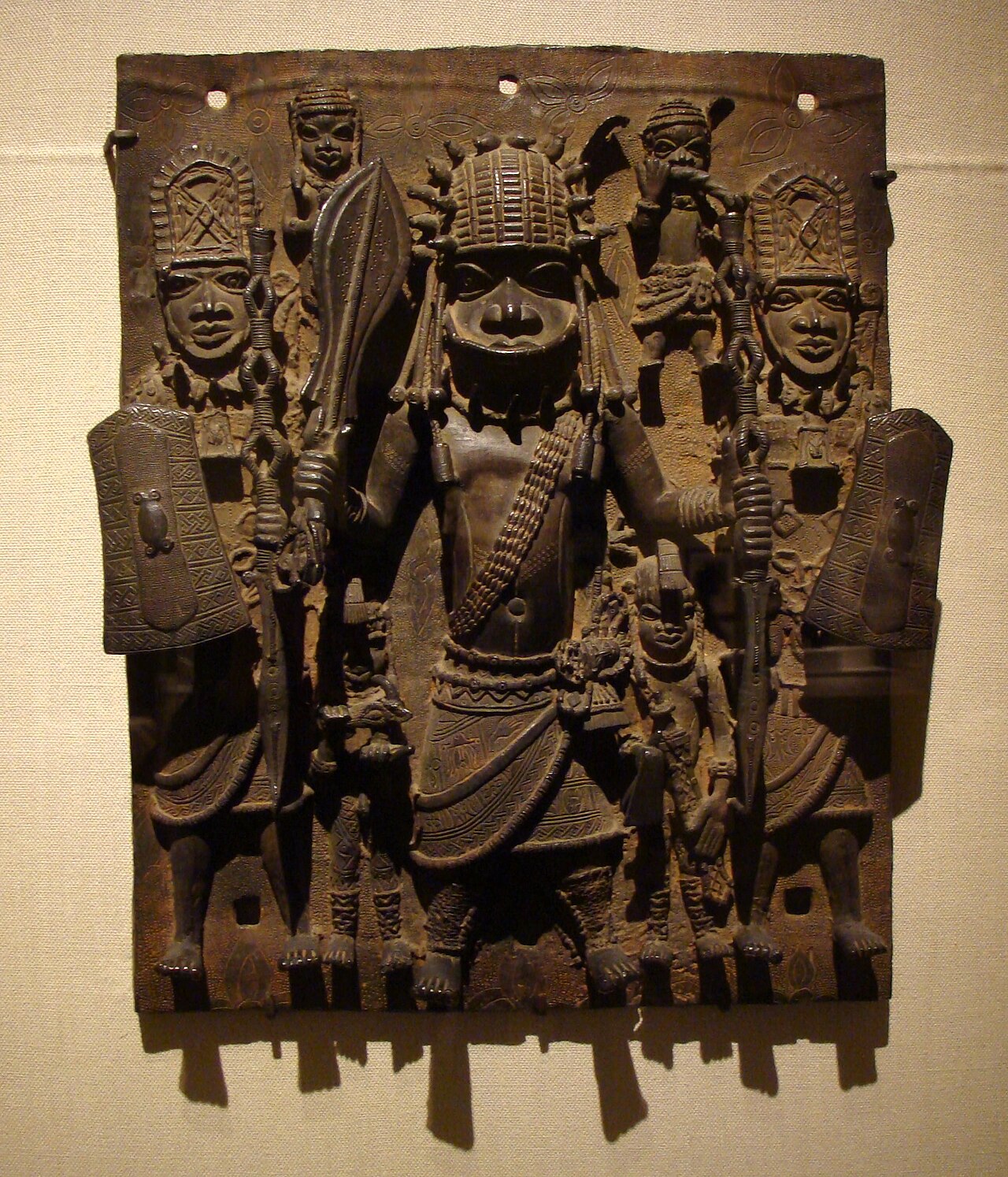
Photo credit; Julia Manzerova via Wikimedia Commons
Historical context
Historical Background
- The Reign of Oba Olua
Oba Olua, who ruled Benin from approximately 1473 to 1480, was the father of Prince Ginuwa (also spelled Ginuwa, Ginuwa I, or Iginua). His reign was marked by internal political struggles and increasing involvement in regional affairs. According to Benin oral history, Oba Olua attempted to secure succession rights for Ginuwa, but the powerful Uzama nobles kingmakers of the kingdom resisted his choice. “Oba of Benin” and “Warri Kingdom” articles also refer to Oba Olua as the monarch whose lineage eventually established the Itsekiri ruling dynasty.
- The Benin Empire in the 15th Century
During the 15th century, the Benin Empire was expanding through warfare, diplomacy, and trade. The Portuguese had arrived in the region in the 1470s, and the empire sought to consolidate its political structures to manage emerging commercial opportunities. This period also saw heightened competition among royal factions. The struggle over Ginuwa’s succession must be understood against this backdrop of political transformation.
Causes of the Migration
- Opposition from the Uzama Nobles
The primary catalyst for Ginuwa’s departure was political resistance from the Uzama, the hereditary kingmakers who traditionally crowned new Obas. Oral traditions indicate that although Oba Olua desired his son to succeed him, the Uzama rejected Ginuwa for reasons that vary in different accounts;
Some say they feared he would weaken their political influence, others argue that Ginuwa’s temperament or lineage made him an unpopular choice. Another theory suggests that the Uzama preferred another prince to maintain their political dominance. But because of this opposition, the succession crisis reached a point where Ginuwa’s departure from Benin became necessary.
- Strategic Withdrawal as Political Survival
Rather than being a forced exile, some historians, particularly those cited in contemporary Itsekiri scholarship argue that Ginuwa’s migration was a strategic move encouraged by factions loyal to him. It allowed him to escape possible conflict while establishing authority elsewhere.
In this interpretation, the exodus reflects a broader Benin tradition of princes founding new settlements when succession became contested.
The Journey and Migration Process
- Departure from Benin Around 1480
Historical tradition places Ginuwa’s departure around 1480, shortly after or near the end of Oba Olua’s reign. Benin historians, including Chief Jacob Egharevba, describe how Ginuwa left the palace with a retinue consisting of nobles, warriors, servants, and members of his mother’s lineage. He also carried royal items symbolizing kingship, such as coral beads, swords, and ceremonial objects that continue to appear in Itsekiri royal regalia today.
- Passage Through the Creeks
Ginuwa’s migration followed a southern route, moving through dense forests and eventually entering the Niger Delta creek region. The journey is often described as spiritually guided, with priests performing rituals to ensure safe passage.
According to Itsekiri oral history, the group traveled via canoe through the Warri River and its tributaries. This movement into the Delta placed them in contact with Ijaw-speaking communities and other groups inhabiting the mangrove belt.
- Settlement at Ijala and Founding of the Warri Kingdom
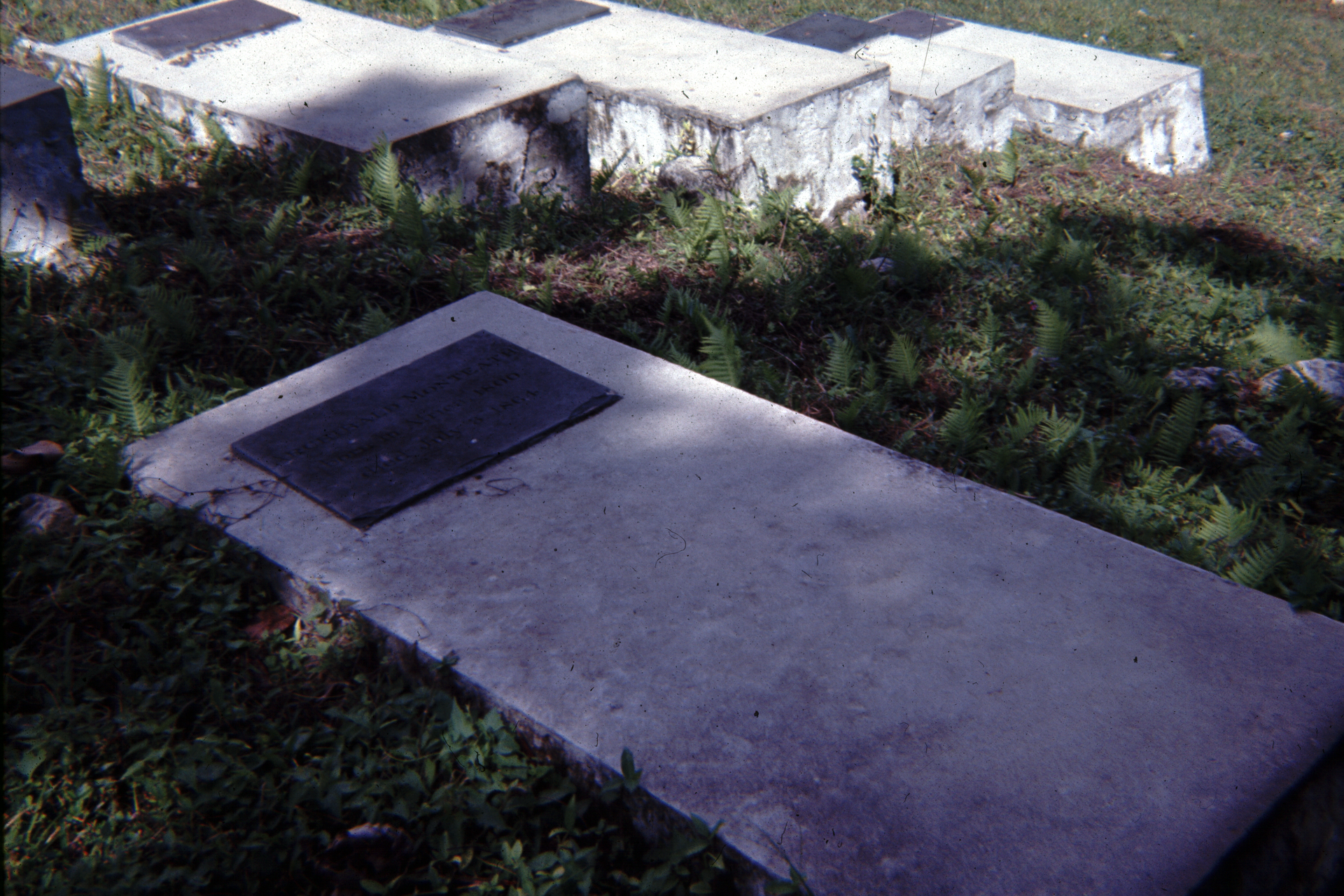
Prince Ginuwa eventually settled at Ijala, a location still revered today as the burial site of Warri monarchs. From Ijala, he consolidated political authority and established what later grew into the Warri Kingdom. Scholars state that Ginuwa became the first Olu of Warri, ruling from approximately 1480 to 1510.
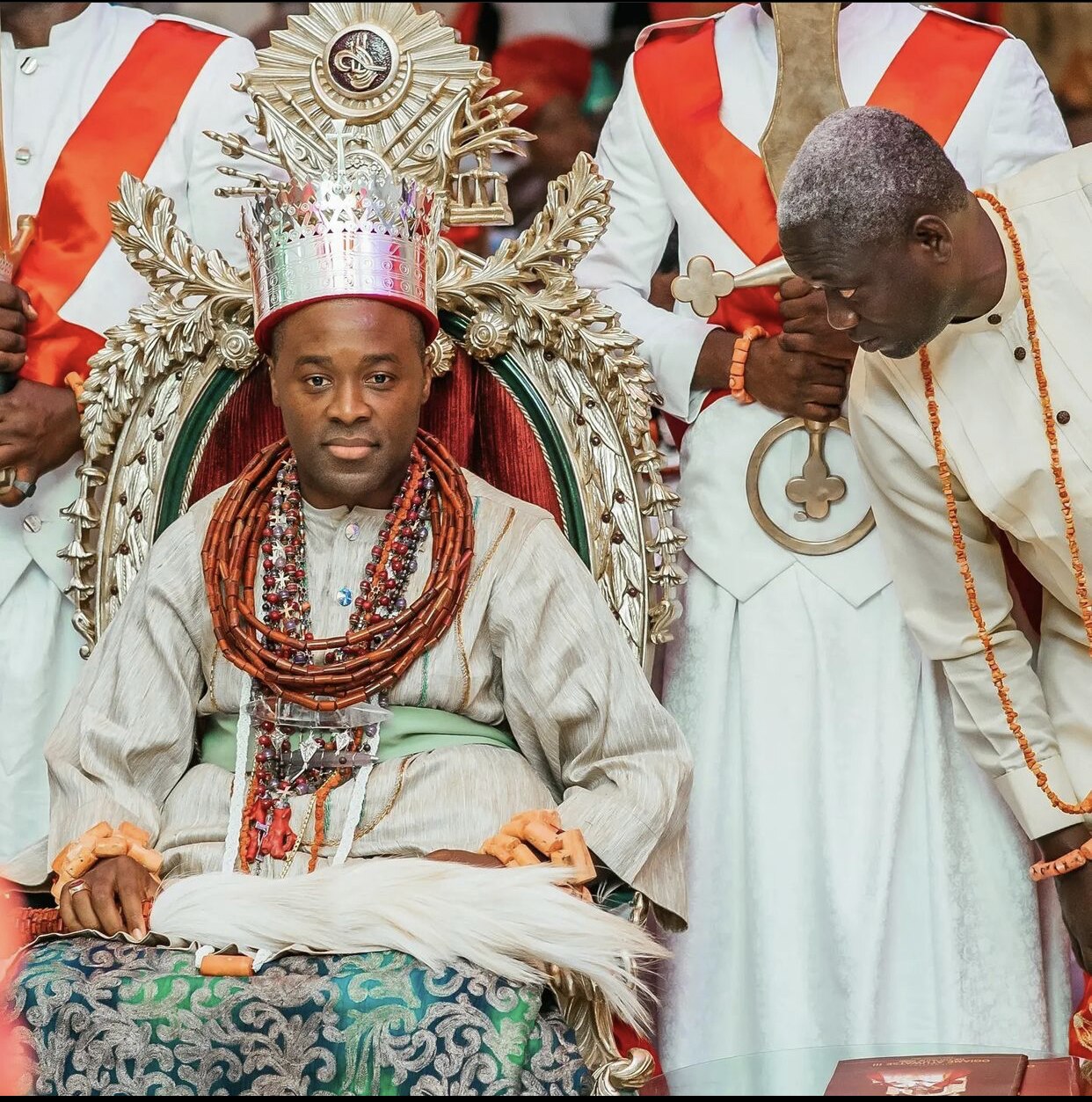
Photo credit: LordSnow242 via Wikimedia Commons
Political and Cultural Impact
- Formation of the Itsekiri Monarchy
Prince Ginuwa is recognized as the founding monarch of the Warri Kingdom and the progenitor of the Olu dynasty. His descendants continued to rule the kingdom in an unbroken line, later incorporating Portuguese-influenced titles and Christian traditions from the 16th century onward.
- Edo–Itsekiri Cultural Exchange
Ginuwa’s migration created a cultural bridge between the Benin Empire and its emerging Itsekiri society. The new kingdom retained:
- Edo court titles,
- Coral-bead regalia,
- Benin administrative structures,
- Royal rituals and burial customs.
This Edo influence remains visible in the Itsekiri language, monarchy, and cultural practices.
- Strategic Position in Regional Trade
The Warri Kingdom soon became a major commercial center in the Delta. Ginuwa’s successors benefited from trade with the Portuguese, control of riverine trade routes, middle-man roles between Europeans and inland groups. This economic strength contributed to the kingdom’s political consolidation.
Historical Debates
- Accuracy of Dates and Events
While 1480 is widely cited as the year of migration, some historians propose alternative dates based on discrepancies in oral traditions and succession timelines.
- Nature of the Exodus: Voluntary or Forced?
Oral traditions differ, Benin sources often emphasize political necessity or strategic withdrawal, Itsekiri traditions often characterize Ginuwa as a legitimate crown prince whose departure was partly ceremonial while Modern historians reconcile both views by acknowledging complex political pressures within Benin during the era.
- Broader Significance in Regional State Formation
Ginuwa’s exodus fits into a broader pattern of state formation in the Niger Delta, where displaced princes, traders, and religious leaders established new polities that blended inland and coastal cultural elements.
The migration of Prince Ginuwa under Oba Olua around 1480 remains one of the foundational narratives in the history of the Niger Delta. Rooted in political intrigue and royal succession conflicts, the exodus not only preserved Ginuwa’s royal lineage but also led to the emergence of the Warri Kingdom. This event illustrates the dynamic political relationships in precolonial West Africa and highlights how royal migrations contributed to the formation of new states, cultural identities, and trade networks. Through oral traditions, historical research, and cultural memory, the story of Prince Ginuwa continues to shape the identity and heritage of the Itsekiri people.
Sources and references
- Egharevba, J. U. (1968). A Short History of Benin. Ibadan University Press.
- Ikime, O. (1969). Niger Delta Rivalry: Itsekiri, Urhobo and Ijaw in Warri District. Lon gman.
- Okojie, C. G. (1960). Esan Native Laws and Customs. London: Frank Cass.
Cite this article
Discussion
Sign in to join the discussion
Comments are checked by an editor before they appear. Leave a source or a correction and it is read first.
Continue reading
Related histories
 Anthropology and EthnographyThe Demography of Biafran Slave Exports (1650–1850)Read history →
 Anthropology and EthnographyMasquerade Traditions from Igboland to the Caribbean (Jonkonnu, Mocko Jumbie)Read history →
 Anthropology and EthnographyMapping Igbo Destinations in the Americas: A Comparative AnalysisRead history →
No comments yet
Nothing has been approved on this record yet. Comments are checked by an editor before they appear, so one written now shows on this page after that check.