 Ozikoro
 Anthropology and Ethnography · Published history
Oil and Environmental Devastation: The Crisis in the Ijaw Homeland
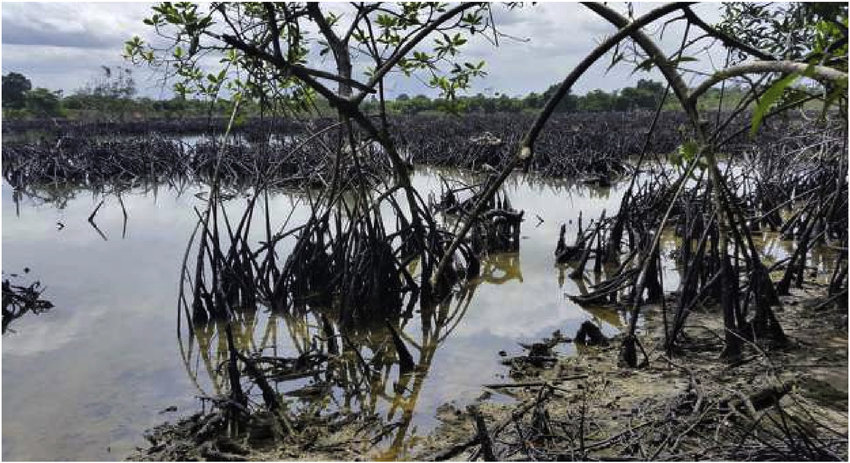
The Ijaw people, one of the largest ethnic groups of the Niger Delta, inhabit a region that has become the epicenter of Nigeria’s oil industry. While petroleum extraction has generated immense national wealth, it has also produced some of the most severe environmental degradation in the world. This environmental crisis marked by oil spills, gas flaring, habitat destruction, and declining fisheries, has devastated the Ijaw homeland and intensified socio-economic hardship.
The written record
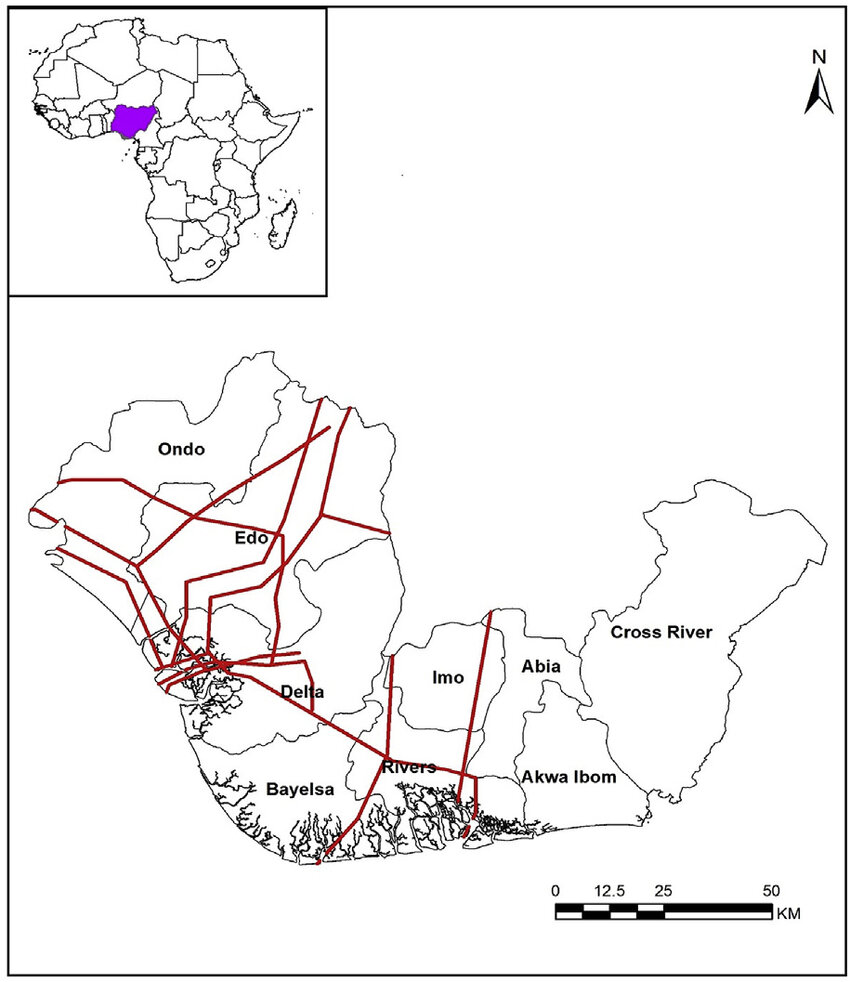
Historical context
Historical Background of Oil Extraction in the Niger Delta
Oil exploration began in the Niger Delta in the 1950s, with the first commercial discovery made in Oloibiri an Ijaw community in 1956. This discovery marked the beginning of Nigeria’s transformation into a major oil-producing state. However, despite the enormous revenues generated, the Ijaw communities on whose lands the oil is extracted have remained marginalized. Scholars such as Ikelegbe argue that the developmental imbalance between oil-producing communities and non-producing regions stems from exploitative political structures and inadequate environmental protections.
The Niger Delta became increasingly militarized from the 1990s onward, as Ijaw communities protested environmental destruction and exclusion from resource benefits. This period saw a rise in youth activism, militant groups, and local resistance movements.
Oil Spillage and Pollution
Frequency and Scale of Oil Spills;
Oil spills remain the most destructive environmental problem in the Ijaw homeland. Thousands of spill incidents have occurred since the 1970s, caused by pipeline corrosion, equipment failure, and sometimes sabotage. According to Amnesty International, the Niger Delta records hundreds of spills annually, making it one of the most oil-polluted regions globally.
Impact on Water, Land, and Livelihoods;
Oil spills contaminate rivers, creeks, and farmlands ecosystems upon which the Ijaw rely for fishing and subsistence farming. The mangrove forests, crucial for fish breeding, are particularly vulnerable. When coated with crude oil, mangroves often die off completely, leading to long-term ecological collapse. Polluted waters reduce fish populations, forcing many fishermen to abandon their traditional livelihoods.
Gas Flaring and Air Pollution;
Gas flaring, the burning of natural gas by-products during crude oil extraction has been a major issue since the 1960s. Despite regulations, it continues at alarming rates. Flaring releases toxic chemicals such as benzene, nitrogen oxides, and sulfur compounds, contributing to respiratory illness, acid rain, and global warming. For communities living near flare sites, day and night cycles are disrupted by continuous flames, while farmland fertility reduces due to acid deposition.
Destruction of the Mangrove Ecosystem;
The Niger Delta contains one of the world’s most extensive mangrove forests, but decades of oil pollution have devastated this ecosystem. The Ijaw depend on mangroves for fishing, building materials, and cultural activities. Crude oil suffocates root systems and destroys marine nurseries. When mangroves die, erosion increases, shorelines recede, and biodiversity collapses.
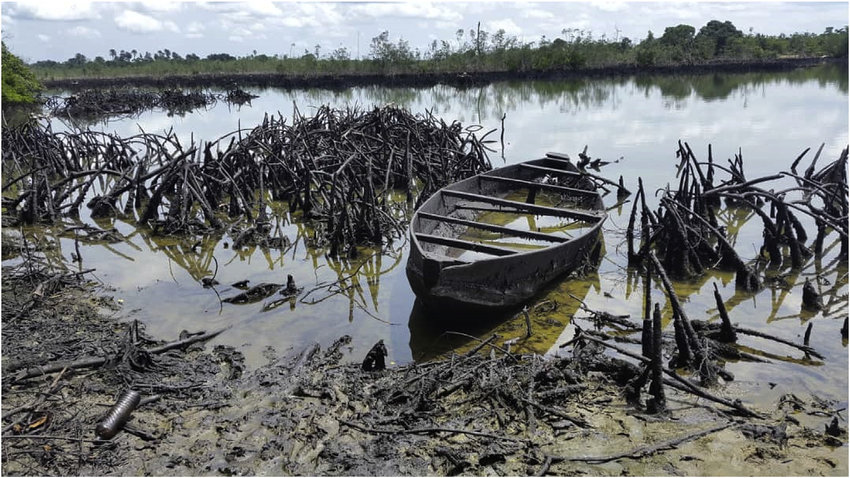
Photo credit: Research gates.
Socio-Economic Consequences
Loss of Traditional Livelihoods;
Fishing and small-scale farming, the economic backbone of Ijaw communities have significantly declined due to polluted waters and infertile lands. This has resulted in increased poverty, food insecurity, and dependency on unstable oil-related jobs.
Health Impacts;
Exposure to contaminated water and air pollutants leads to skin diseases, respiratory problems, gastrointestinal issues, and increased cancer risks. UNEP’s report on Ogoniland, which reflects broader patterns across the Delta, showed benzene levels in drinking water at 900 times the WHO safe level.
Migration and Social Instability;
Environmental destruction has driven rural-urban migration, unemployment, and heightened tensions between youth and government. Many young people, deprived of economic opportunities, have joined militant groups or become involved in illegal oil bunkering as a survival strategy.
Government Policies and Institutional Failures;
Nigeria’s regulatory agencies; including the Department of Petroleum Resources (DPR), NOSDRA, and NNPC, have been criticized for inadequate oversight. Scholars argue that weak enforcement, corruption, and the dominance of multinational oil companies perpetuate environmental degradation. Compensation processes for oil spills are slow and insufficient, leaving communities unable to rebuild their livelihoods. The 2009 amnesty program reduced armed conflict but did little to address the underlying environmental problems.
Ijaw Responses and Environmental Activism
Community Mobilization;
Ijaw activists, including youth organizations, have continuously protested against environmental injustice. Groups like the Ijaw Youth Council (IYC) have issued declarations such as the “Kaiama Declaration” of 1998, demanding resource control and environmental protection.
Legal and International Advocacy;
Communities have taken oil companies to court, both in Nigeria and abroad. Some landmark cases such as those against Shell in UK and Dutch courts, have strengthened global recognition of environmental rights in the Niger Delta.
Efforts toward environmental restoration require transparent cleanup processes, strict regulation of oil companies, and the empowerment of host communities. The UNEP recommendations for comprehensive cleanup projects highlight the need for long-term remediation. Empowering Ijaw communities with greater control over their resources and environment remains central to achieving justice and sustainable development.
The environmental devastation experienced in the Ijaw homeland is a consequence of decades of neglect, unregulated oil extraction, and systemic injustice. Oil spills, gas flaring, and ecological destruction have undermined traditional livelihoods, damaged health, and triggered cycles of poverty and militancy. Addressing the crisis requires a combination of environmental restoration, community participation, and meaningful governmental and corporate accountability. The future of the Ijaw environment and the Niger Delta as a whole depends on collective efforts to confront and reverse these longstanding harms.
Sources and references
- Amnesty International. (2018). Nigeria: The true tragedy delayed responses and endless pollution in the Niger Delta. Amnesty International Publications.
- Ikelegbe, A. (2001). The economy of conflict in the oil-rich Niger Delta region of Nigeria. Nordic Journal of African Studies, 10(1), 208–234.
- Naanen, B. (1995). Oil-producing minorities and the restructuring of Nigerian federalism: The case of the Ogoni people. The Journal of Commonwealth & Comparative Politics, 33(1), 46–78.
- Obi, C. (2009). Nigeria’s Niger Delta: Understanding the complex drivers of violent oil-related conflict. Africa Development, 34(2), 103–128.
- United Nations Environment Prog ramme (UNEP). (2011). Environmental assessment of Ogoniland. UNEP.
Cite this article
Discussion
Sign in to join the discussion
Comments are checked by an editor before they appear. Leave a source or a correction and it is read first.
Continue reading
Related histories
 Anthropology and EthnographyThe Demography of Biafran Slave Exports (1650–1850)Read history →
 Anthropology and EthnographyMasquerade Traditions from Igboland to the Caribbean (Jonkonnu, Mocko Jumbie)Read history →
 Anthropology and EthnographyMapping Igbo Destinations in the Americas: A Comparative AnalysisRead history →
No comments yet
Nothing has been approved on this record yet. Comments are checked by an editor before they appear, so one written now shows on this page after that check.