 Ozikoro
 Anthropology and Ethnography · Published history
Olu Atuwatse I (Dom Domingos): The First University Graduate in Sub-Saharan Africa (University of Coimbra, 1611)
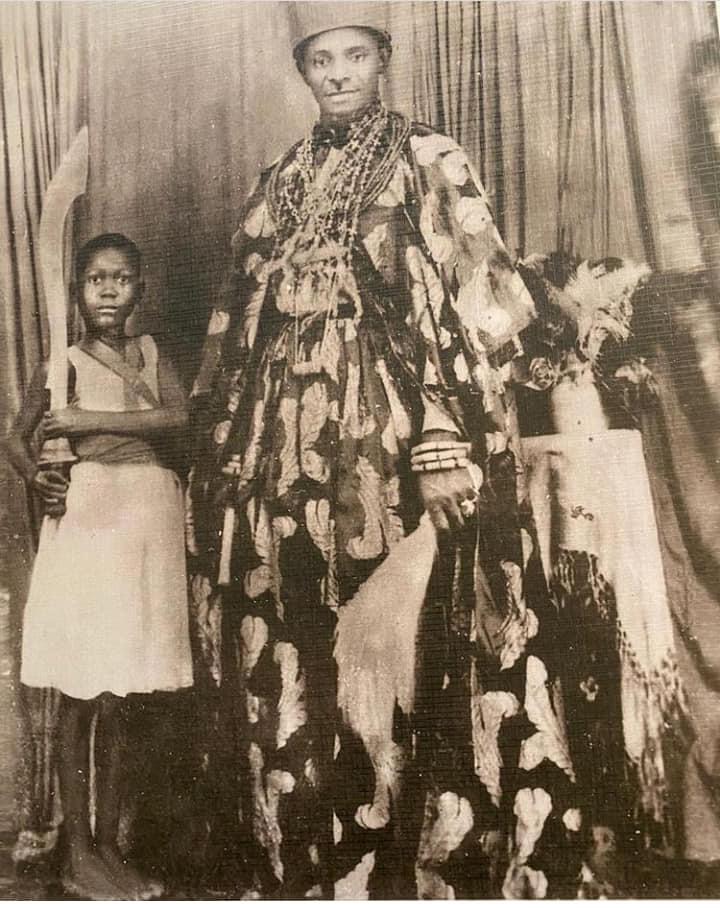
Olu Atuwatse I, also known as Dom Domingos, stands out as one of the most remarkable monarchs in West African history. Born into the royal lineage of the Warri Kingdom (also called the Kingdom of Itsekiri), he ascended the throne as the son of Olu Atorongboye (Sebastian I), who reigned during an era of vibrant diplomatic engagement with Portugal. Atuwatse I is widely recognized as one of the earliest documented Sub-Saharan African university graduates, having completed his studies at the University of Coimbra in Portugal in 1611. His life and reign marked a turning point in the intellectual, diplomatic, and religious development of the Warri Kingdom.
The written record
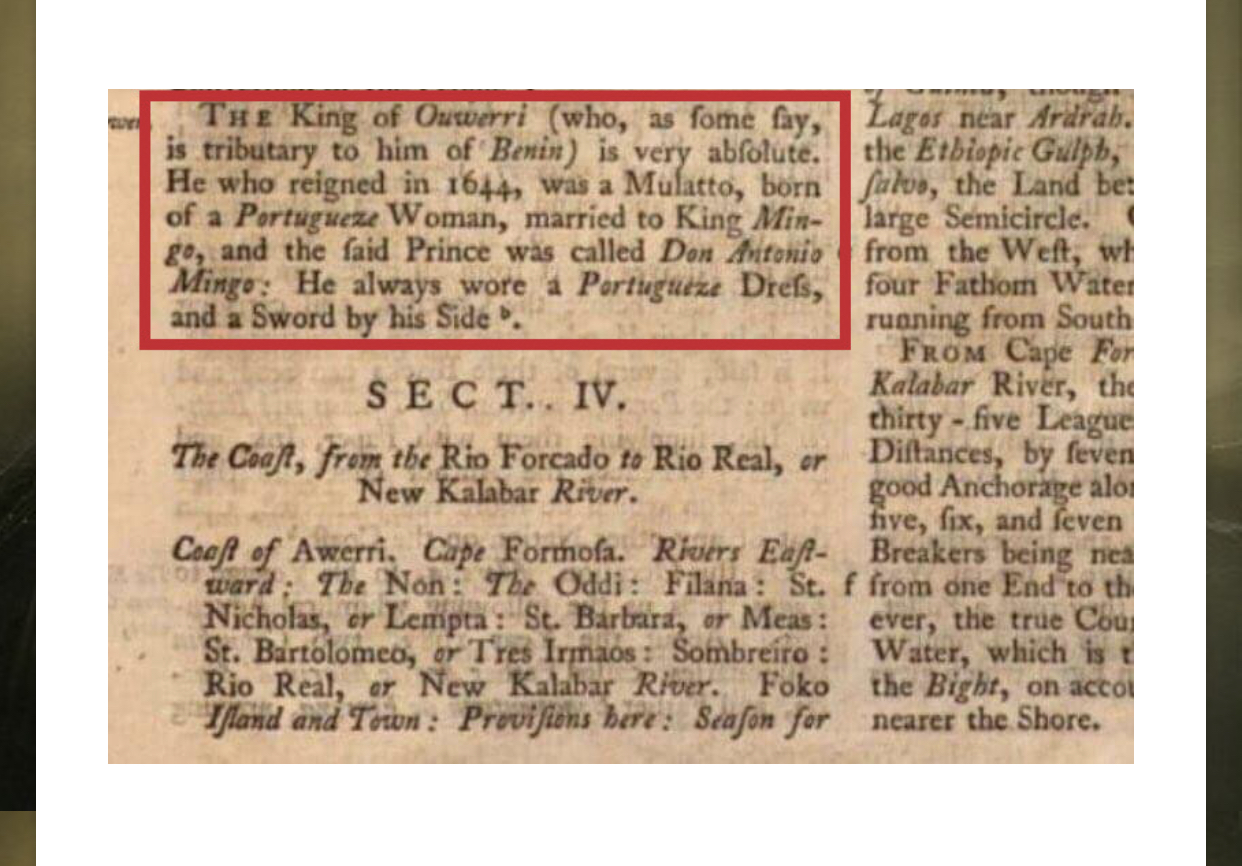
Photo credit; Wikimedia Commons / Public Domain
Historical context
Historical Background of the Warri Kingdom
- The Rise of a Cosmopolitan Riverine Kingdom
The Warri Kingdom, founded around 1480 by Ginuwa I, a Benin prince, developed into a powerful coastal state in the Niger Delta. The kingdom was distinguished by its early and sustained contact with Europeans, especially the Portuguese. According to scholars, these interactions fostered cultural exchange, trade, and the introduction of Christianity.
- Portuguese Influence and Dynastic Alliances
The connection between Warri and Portugal deepened during the reign of Olu Atorongboye (Sebastian I). This era saw multiple diplomatic missions, the exchange of royal envoys, and the fostering of educational ties between the two kingdoms. It was within this environment of transcontinental diplomacy that Prince Atuwatse was sent to Portugal for formal education.
Education in Portugal
- Journey to the University of Coimbra
Sent to Portugal as a young prince, Atuwatse was enrolled at the esteemed University of Coimbra, one of Europe’s oldest universities. Records preserved in Itsekiri tradition and supported by references on articles indicate that he successfully completed his studies in 1611. Though colonial-era documentation often underreported African scholarship, the oral record consistently affirms that “Dom Domingos” was recognized as an educated nobleman with training comparable to European aristocrats.
- Impact of Western Education
Atuwatse’s education equipped him with literacy, diplomatic knowledge, and religious training. These skills would later shape his leadership style, contributing to administrative reforms and enhanced relations with European missionaries and traders.
Return to Warri and Ascension to the Throne
- Reintegration into the Royal Court
Upon returning from Portugal, Atuwatse I was welcomed as an asset to the Warri monarchy. His understanding of European politics and Christianity positioned him uniquely among West African royals of his time.
- Becoming Olu Atuwatse I
He eventually succeeded his father as the Olu of Warri. Under his reign, the kingdom witnessed increased political sophistication and cultural integration, reflecting his international exposure and education.
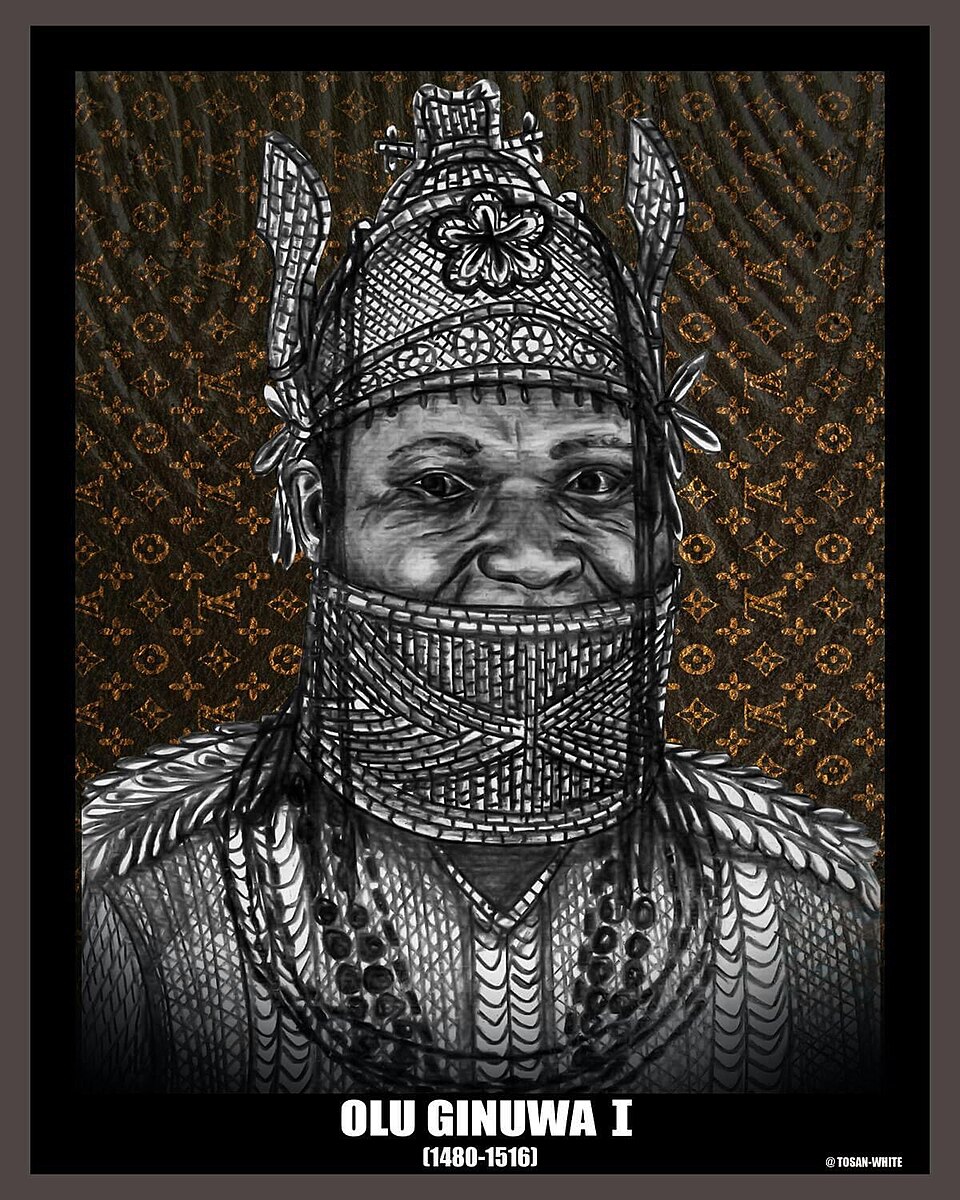
Photo credit; LordSnow242 via Wikimedia Commons
Contributions to the Warri Kingdom
- Administrative Reforms
Atuwatse I’s reign brought administrative advancements influenced by Portuguese systems. While the kingdom retained its traditional structures, several aspects such as improved record-keeping, treaty negotiation, and court diplomacy reflected his European education.
- Promotion of Christianity
As a devout Christian trained under Portuguese Catholic influence, Atuwatse supported missionary activities and the spread of Christian doctrine in his kingdom. He is credited with integrating Christian rites into some aspects of royal ceremonies, although traditional religion continued to flourish alongside Christianity.
- Strengthening International Relations
Olu Atuwatse I maintained Warri’s longstanding alliance with Portugal. His diplomatic intelligence helped secure stable trade relations, particularly in salt, metals, textiles, and other goods that linked the Delta region to the global economy.
Cultural and Linguistic Impacts
- Introduction of European Literacy and Ideas
Atuwatse’s western education contributed to the early introduction of European literacy in the region. His reign facilitated the translation of Christian texts and exposed the Itsekiri elite to European intellectual traditions.
- Influence on Itsekiri Identity Formation
The Itsekiri people, already shaped by Edo and Yoruba influences, incorporated Portuguese names, Catholic motifs, and European diplomatic culture during his era. This blending helped develop the distinct Itsekiri identity known today.
Legacy and Historical Significance
- A Pioneer of African Higher Education
Olu Atuwatse I is celebrated as one of the earliest Sub-Saharan Africans to receive a European university education. This achievement predates the commonly cited examples of 19th-century African scholars, demonstrating that Africans had access to global education centuries earlier.
- A Bridge Between Continents
His life symbolizes the deep and complex relationship between West Africa and Europe before the colonial era. Rather than being characterized solely by conflict or exploitation, this period also witnessed diplomacy, cultural exchange, and intellectual migration.
- Enduring Respect Among the Itsekiri
In Itsekiri memory, Atuwatse I is revered as a visionary leader, a scholar-king who combined indigenous wisdom with foreign knowledge to strengthen his kingdom.
Olu Atuwatse I (Dom Domingos) remains a monumental figure in African history. As the first known Sub-Saharan African university graduate and a monarch who blended intellectual achievement with effective leadership, he occupies a unique place in the story of precolonial West Africa. His reign illustrates how education, diplomacy, and cultural synthesis enriched the Warri Kingdom, enhancing its influence and shaping the identity of its people for generations. His legacy stands not only as a testament to Itsekiri heritage but also as an inspiration for the continent’s long-standing tradition of scholarship.
Sources and references
- Alagoa, E. J. (1977). A history of the Niger Delta. Port Harcourt: University of Port Harcourt Press.
- Alagoa, E. J., & Falola, T. (2005). The early history of Nigeria. Lagos: Longman.
- Egharevba, J. U. (1968). A short history of Benin. Ibadan: Ibadan University Press.
- Horton, R. (1993). Patterns of thought in Africa and the West. Cambridge University Press.
Cite this article
Discussion
Sign in to join the discussion
Comments are checked by an editor before they appear. Leave a source or a correction and it is read first.
Continue reading
Related histories
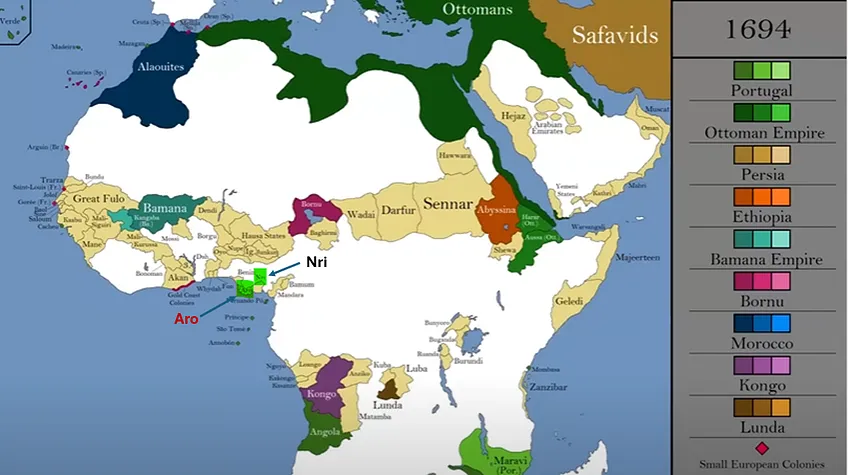 Anthropology and EthnographyThe Demography of Biafran Slave Exports (1650–1850)Read history →
 Anthropology and EthnographyMasquerade Traditions from Igboland to the Caribbean (Jonkonnu, Mocko Jumbie)Read history →
 Anthropology and EthnographyMapping Igbo Destinations in the Americas: A Comparative AnalysisRead history →
No comments yet
Nothing has been approved on this record yet. Comments are checked by an editor before they appear, so one written now shows on this page after that check.