 Ozikoro
 Anthropology and Ethnography · Published history
Olu Erejuwa I: The Expansion of the Warri Empire’s Trade Borders in the 18th Century
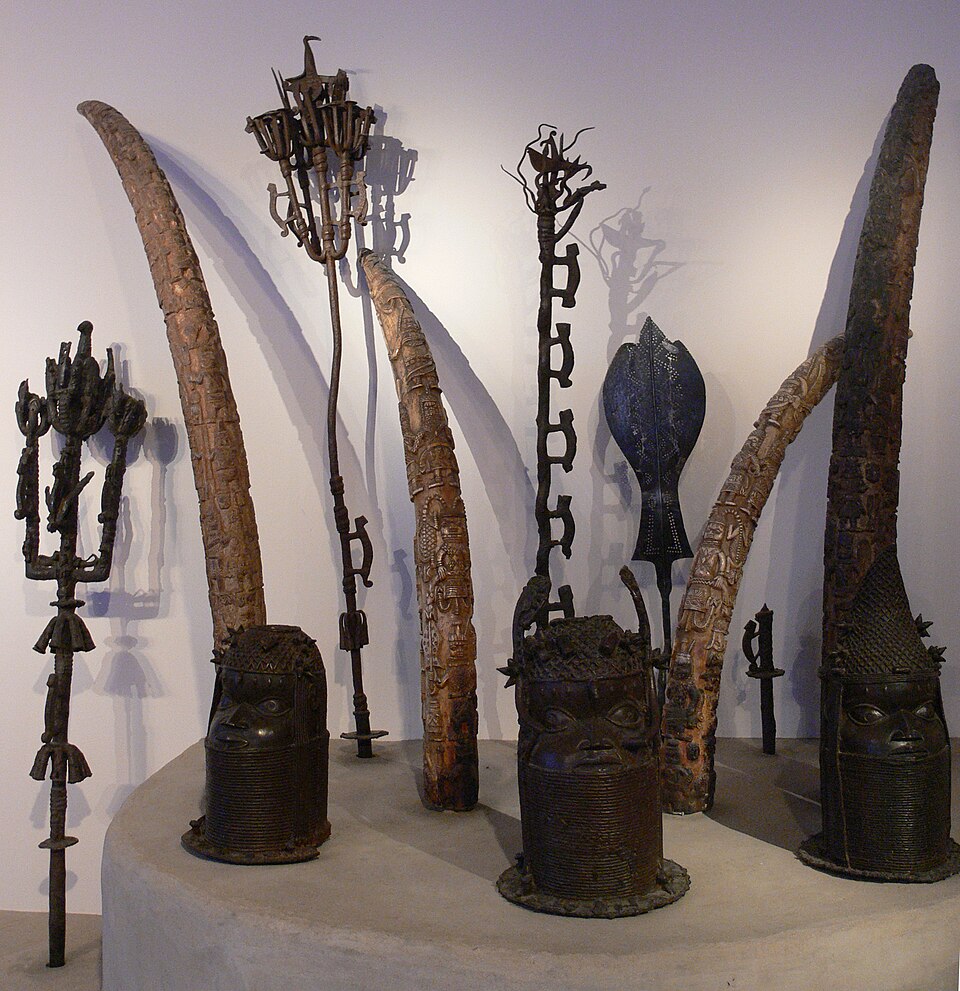
The reign of Olu Erejuwa I in the 18th century represents one of the most economically significant eras in the history of the Warri Kingdom. The period marked an expansion of commercial networks, deeper integration into the Niger Delta’s maritime economy, and the consolidation of Warri’s influence as a key intermediary in regional and trans-Atlantic trade. Olu Erejuwa I’s leadership reinforced the Itsekiri identity as a maritime people whose strategic territory, diplomatic adaptability, and early European connections positioned them advantageously in the shifting commercial environment of the 1700s.
The written record

Photo credit; Wikimedia Commons / public Domain
Historical context
Historical Background
- The Warri Kingdom before Erejuwa I
The Warri Kingdom, founded in the late 15th century by Olu Ginuwa, developed from a blend of Benin imperial heritage and early Portuguese contact. By the 17th century, relations with Europe, especially Portugal, had solidified through Christian missions, diplomatic exchanges, and commercial partnerships. However, by the early 18th century, global trade routes were changing, and coastal polities needed stronger leadership to navigate these transformations.
- Erejuwa I’s Lineage and Accession
Olu Erejuwa I descended from a line of monarchs who had cultivated literacy, Christianity, and Atlantic diplomacy. Sources suggest he ascended the throne during a time of increased competition among Niger Delta states especially the Ijaw polities of Nembe, Bonny, and Okrika who struggled for dominance in coastal trade. His reign offered stability and assertiveness needed to safeguard Warri’s economic interests.
Expansion of Maritime Influence
- Strengthening Control of the Lower Niger Delta Waterways
The Warri Kingdom’s power hinged on its control of riverine routes, especially the Escravos, Forcados, and Benin River systems. Olu Erejuwa I expanded administrative control over these waterways, placing loyal Itsekiri chiefs as intermediaries in villages and transit points. These expansions helped regulate tolls, secure trading lanes, and ensure foreign vessels accessed Warri-controlled ports.
European accounts from the period describe the Warri Kingdom as an essential gateway for merchants seeking access to inland markets. This strengthened the kingdom’s economic relevance.
- Trade Mediation Between Inland Ethnic Groups and European Traders
Under Erejuwa I, the Itsekiri served as brokers between Urhobo hinterland communities, supplying palm oil, raffia, and foodstuffs, Ijaw coastal traders, transporting goods by canoe. European merchants, who sought slaves earlier in the 18th century and palm oil later. The Warri Kingdom’s mixed heritage rooted in Benin politics and Portuguese tradition allowed it to maintain credibility with both inland African societies and European companies. Erejuwa I leveraged this uniqueness to expand commercial reach.
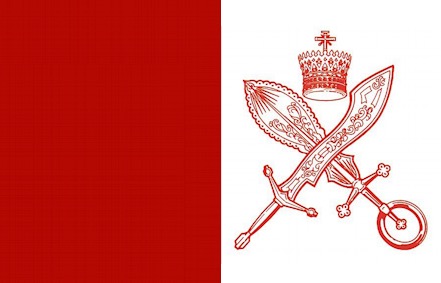
Photo: Wikimedia Commons/ public domain
Economic Transformation during His Reign
- Shift from Slave Trade to Palm Oil Economy
Though the early 18th century still saw some slave trading in the Niger Delta, Olu Erejuwa I’s reign coincided with the growing transition toward the palm oil economy, which became dominant later in the 19th century. By stabilizing trade routes and establishing Itsekiri merchants as middlemen, he positioned Warri advantageously ahead of the major shift.
- Development of Trading Ports and Markets
Olu Erejuwa I improved the efficiency of Warri’s coastal trading system by supporting expansion of small riverine markets, building networks of canoe transporters, and strengthening the authority of trading chiefs aligned with the palace.
This helped accommodate increasing European demand for palm products, ivory, and other commodities.
- Regulation of Foreign Traders
While European companies sought direct inland access, Olu Erejuwa I maintained strict control, ensuring all trade passed through Itsekiri channels. This protected local merchants and preserved royal revenue. This system resembled the “middleman monopoly” seen among other West African trading states such as Bonny and Old Calabar.
Political and Diplomatic Strategies
- Alliances with European Traders
Although the influence of Portugal had waned by the 18th century, Dutch, English, and French merchants increased their presence on the Niger Delta coast. Olu Erejuwa I cultivated diplomatic ties with these companies, negotiating trade conditions and conflict resolutions. European journals described respected Itsekiri leaders who mediated disputes and kept trade stable.
- Managing Internal Rivalries
The economic growth also brought competition among Itsekiri merchant families. Olu Erejuwa I preserved political stability by balancing the interests of the royal family, major trading houses, influential chiefs, riverine clan leaders. Maintaining unity within the kingdom ensured uninterrupted commercial flow.
- Reinforcing Palace Institutions
Drawing from earlier Benin administrative models, the Olu strengthened palace societies, particularly the Iwebo (custodians of regalia and administration). These institutions helped centralize authority and ensured compliance in trade duties and taxation.
Cultural Advancements Linked to Trade Expansion
- Growth of Literacy and Diplomacy
Contact with European traders encouraged the Itsekiri elite to maintain literacy especially in Portuguese and later English. This enabled written communication, treaty-making, and commercial documentation. The tradition of diplomatic letter-writing, introduced in earlier centuries, continued under Erejuwa I.
- Influence of Christianity
While Christianity had been introduced earlier, trade expansion made Warri a hub for missionaries seeking access inland. Although conversion was limited, the presence of priests strengthened Warri’s diplomatic standing.
- Material Culture and Wealth Display
Erejuwa I’s reign witnessed increased acquisition of European textiles, firearms, metal ornaments and decorative regalia. These enriched Itsekiri court culture, reinforcing the kingdom’s prestige.
Legacy of Olu Erejuwa I
- A Strengthened Maritime State
Olu Erejuwa I left the Warri Kingdom with expanded boundaries, stronger trade networks, and enhanced political stability. The kingdom became one of the most respected maritime powers in the Niger Delta.
- Foundation for Later Economic Prosperity
His policies created the foundation that later 19th-century Warri rulers, especially Olu Akengbuwa, would build upon during the height of the palm oil trade.
- Long-Term Impact on Itsekiri Identity
Itsekiri identity as commercial intermediaries, diplomats, and riverine specialists strengthened significantly under his leadership. His reign helped define the cultural and economic orientation of the kingdom for generations.
Olu Erejuwa I’s 18th-century reign was instrumental in expanding the Warri Empire’s commercial frontiers and solidifying its economic and political importance in the Niger Delta. His strategic control of waterways, diplomatic skill with European traders, and reinforcement of palace institutions created a stable and prosperous environment. His legacy endures as a defining era of growth, shaping the future of the Itsekiri people and the Warri Kingdom’s place in regional history.
Sources and references
- Alagoa, E. J. (1977). A history of the Niger Delta. Niger Delta Research Institute.
- Dike, K. O. (1956). Trade and politics in the Niger Delta 1830–1885. Oxford University Press.
- Hair, P. E. H. (1990). Early African-European contacts. African Studies Review.
- Ryder, A. F. C. (1965). Benin and the Europeans, 1485–1897. Longman
- Thornton, J. (1998). A frica and Africans in the making of the Atlantic world, 1400–1800. Cambridge University Press.
Cite this article
Discussion
Sign in to join the discussion
Comments are checked by an editor before they appear. Leave a source or a correction and it is read first.
Continue reading
Related histories
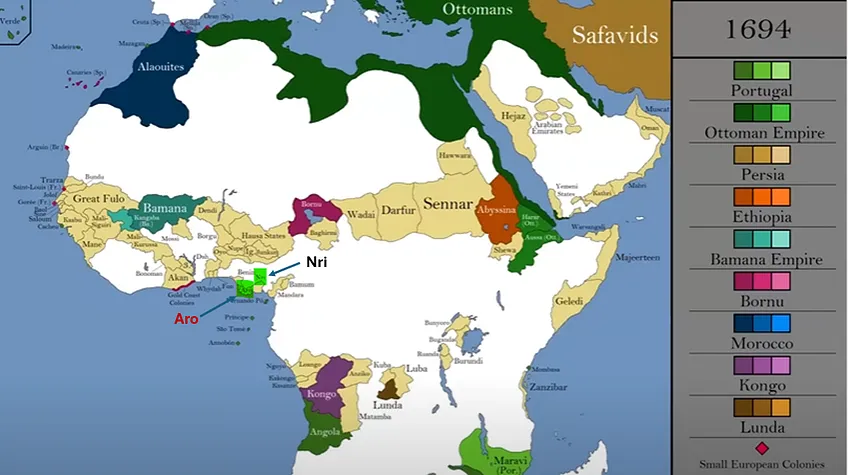 Anthropology and EthnographyThe Demography of Biafran Slave Exports (1650–1850)Read history →
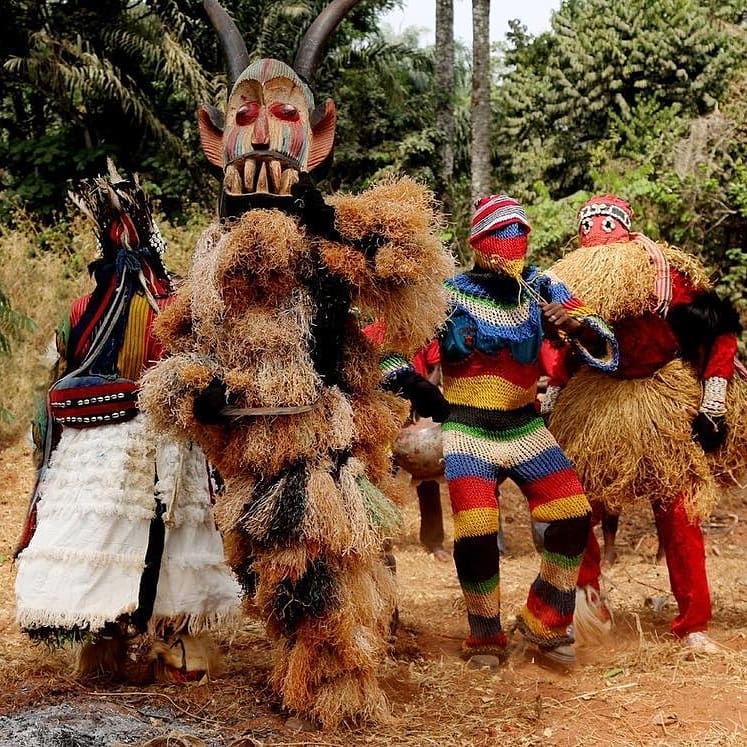 Anthropology and EthnographyMasquerade Traditions from Igboland to the Caribbean (Jonkonnu, Mocko Jumbie)Read history →
 Anthropology and EthnographyMapping Igbo Destinations in the Americas: A Comparative AnalysisRead history →
No comments yet
Nothing has been approved on this record yet. Comments are checked by an editor before they appear, so one written now shows on this page after that check.