 Ozikoro
 Anthropology and Ethnography · Published history
Portuguese Marriage Alliances: The History of Portuguese Noblewomen Who Became Oloris (Queens) in Warri
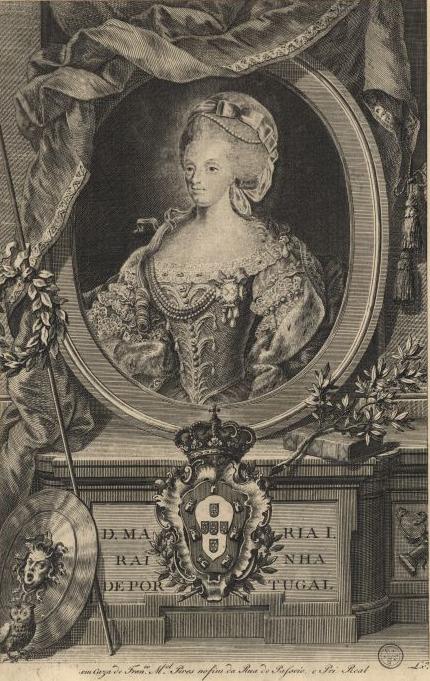
The Warri (Iwere) Kingdom is one of the few West African monarchies whose history is deeply intertwined with Europe, particularly Portugal. Among the most fascinating aspects of this relationship is the tradition of marriage alliances between Itsekiri monarchs and Portuguese noblewomen. These unions, which began in the late 15th and early 16th centuries, had lasting political, cultural, religious, and diplomatic consequences.
The written record
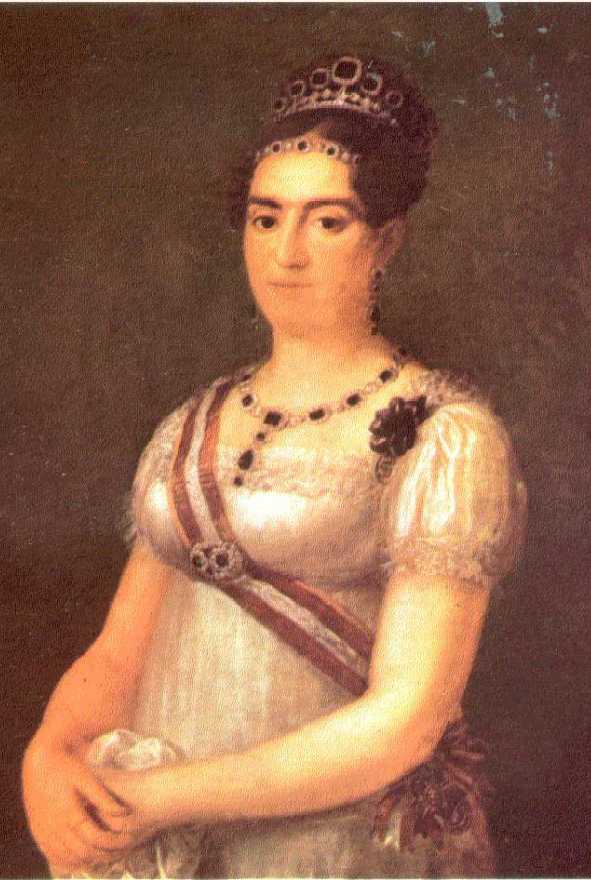
Photo credit: Wikimedia Commons / Public domain
Historical context
Early Itsekiri–Portuguese Contact
- The Beginning of Diplomatic Relations
The Itsekiri people established formal relations with Portugal as early as the late 1400s, according to historical summaries found on Wikipedia and works by scholars such as Ryder. Portuguese explorers and missionaries reached the Niger Delta seeking trade opportunities, diplomatic relations, and Christian evangelization.
The Itsekiri, positioned advantageously along the coast, quickly recognized the political and economic value of these European connections.
- Christianization and Royal Integration
A key dimension of this early relationship was the adoption of Christianity by the Warri royal family. Missionaries sent from Portugal baptized several princes and monarchs. This opened pathways for deeper political alliances among them marriage arrangements involving Portuguese noblewomen.
Historical Accounts of Portuguese–Itsekiri Intermarriage
- The Oral Tradition of Portuguese Queens
Itsekiri oral history holds that several early Olus married Portuguese noblewomen who arrived with missionaries or traders (“Portuguese ladies of distinction”). These women were absorbed into the royal household and became Oloris (Queens) within the Warri court. Although Portuguese and Itsekiri sources vary in detail, the consensus is that: These women were not enslaved or coerced; they came as envoys or companions to missionaries and traders.
Their marriages were diplomatic alliances, strengthening Christian ties and securing Portuguese economic partnerships. Their children formed a mixed-heritage royal lineage.
- Dom Domingos (Atuwatse I) and Portuguese Royal Connections
Olu Atuwatse I (Dom Domingos), educated at the University of Coimbra, represents the strongest documented Portuguese connection. While some records suggest that he married an Itsekiri noblewoman upon returning from Portugal, others argue that earlier or accompanying Portuguese women were already integrated into the royal family. These traditions reinforce the idea that royal marriages between Portuguese women and Warri monarchs were part of customary diplomatic exchange.
- Clyde–European Descent in the Royal Lineage
The Itsekiri royal dynasty is known for having early European ancestry. The presence of Portuguese noblewomen is often cited as the root of the fair-skinned (“golden”) complexion of some historical Olus like Olu Oyenakpagha (“Antonio Domingos”), whose physical features were widely remarked upon by European visitors.
Portrait of Maria da Assunção of Portugal, another example of Portuguese royal female imagery showing how noblewomen were painted and presented in European courts.Photo credit: Wikimedia Commons / Public domain
Motivations Behind Portuguese Marriage Alliances
- Political and Trade Advantages
For both sides, these marriages were mutually beneficial:
For the Itsekiri monarchy:
Securing exclusive trade rights with Portuguese merchants,
Gaining political leverage against neighboring powers, particularly Benin and the Ijaw states and
Accessing firearms, gunpowder, European textiles, and luxury goods.
For the Portuguese:
Establishing loyal Christian allies on the West African coast,
Securing stable access to regional trade, especially in ivory, pepper, and later palm oil,
Preventing rival European nations from dominating the Niger Delta and
Marriage solidified these interests.
- Strengthening Christian Influence
Missionaries believed that embedding Christian noblewomen in African royal courts would accelerate the spread of Catholicism. The presence of Portuguese Oloris helped reinforce Christian identity within the palace, especially during the 16th and 17th centuries.
Cultural Consequences of Portuguese–Itsekiri Intermarriage
- The Birth of a Mixed-Heritage Aristocracy
Children born from these unions became princes and princesses within the Itsekiri kingdom. This created a royal lineage that combined African and European ancestry, a phenomenon well documented by European visitors and discussed in colonial-era writings.
The mixed heritage of the royal family had long-term effects, such as:
Distinct facial features and complexions noted in historical descriptions,
Enhanced diplomatic reception by European courts,
Ability to navigate two cultural worlds African and European.
- Influence on Language and Names
This intermarriage contributed to:
Adoption of Portuguese names such as “Domingos,” “Sebastian,” “Antonio,” “Dom Domingos,” and “Miguel.”
Introduction of Portuguese loanwords into Itsekiri (documented in linguistic studies) and
Strengthening of Christian liturgical vocabulary.
- Influence on Material Culture and Court Life
The presence of Portuguese Oloris contributed to:
The introduction of textiles resembling European court fashion,
Adoption of rosaries, crucifixes, and religious vestments,
Development of hybrid regalia, including the red cope and white alb. These items shaped the Warri court identity for centuries.
Diplomatic Impact and Long-term Significance
- Legitimacy in European Diplomacy
The royal family’s partial Portuguese ancestry enhanced European perceptions of the Warri monarchy as:
A Christian kingdom,
A diplomatically aligned partner,
A stable ally in Atlantic commerce.
This elevated the Warri monarchy above many neighboring states in European eyes.
- Continued Relationship into the 17th and 18th Centuries
Even after Portugal’s political decline, the legacy of these alliances continued. European traders in the 17th and 18th centuries often noted the “Europeanized” nature of the Warri royal court, citing dress, names, and Christian rituals.
- Symbolic Importance in Modern Itsekiri Identity
Today, these marriages form part of the cultural memory of the Itsekiri people. They symbolize:
Early global integration,
Diplomatic sophistication and
The uniqueness of the Itsekiri monarchy among West African kingdoms.
The history of Portuguese noblewomen who became Oloris in Warri reflects a remarkable period of cross-cultural diplomacy, early globalization, and Christian influence in West Africa. These marriages were not isolated incidents but strategic alliances that reshaped Itsekiri political power, religious identity, linguistic development, and royal heritage. They produced a dynasty with deep African roots and meaningful European ties, a legacy that continues to enrich the cultural pride of the Itsekiri people.
Sources and references
- Alagoa, E. J. (1972). A History of the Niger Delta. Ibadan University Press.
- Ryder, A. F. C. (1969). Benin and the Europeans, 1485–1897. Longman.
- Thornton, J. (1998). Africa and Africans in the Making of the Atlantic World, 1400–1800 (2nd ed.). Cambridge Univer sity Press.
- Silva, M. (2001). Portuguese Expansion and the Catholic Missions. Lisbon: Instituto Camões.
Cite this article
Discussion
Sign in to join the discussion
Comments are checked by an editor before they appear. Leave a source or a correction and it is read first.
Continue reading
Related histories
 Anthropology and EthnographyThe Demography of Biafran Slave Exports (1650–1850)Read history →
 Anthropology and EthnographyMasquerade Traditions from Igboland to the Caribbean (Jonkonnu, Mocko Jumbie)Read history →
 Anthropology and EthnographyMapping Igbo Destinations in the Americas: A Comparative AnalysisRead history →
No comments yet
Nothing has been approved on this record yet. Comments are checked by an editor before they appear, so one written now shows on this page after that check.