 Ozikoro
 Anthropology and Ethnography · Published history
Omugwo: Postpartum rituals for mother and child in Igbo tradition
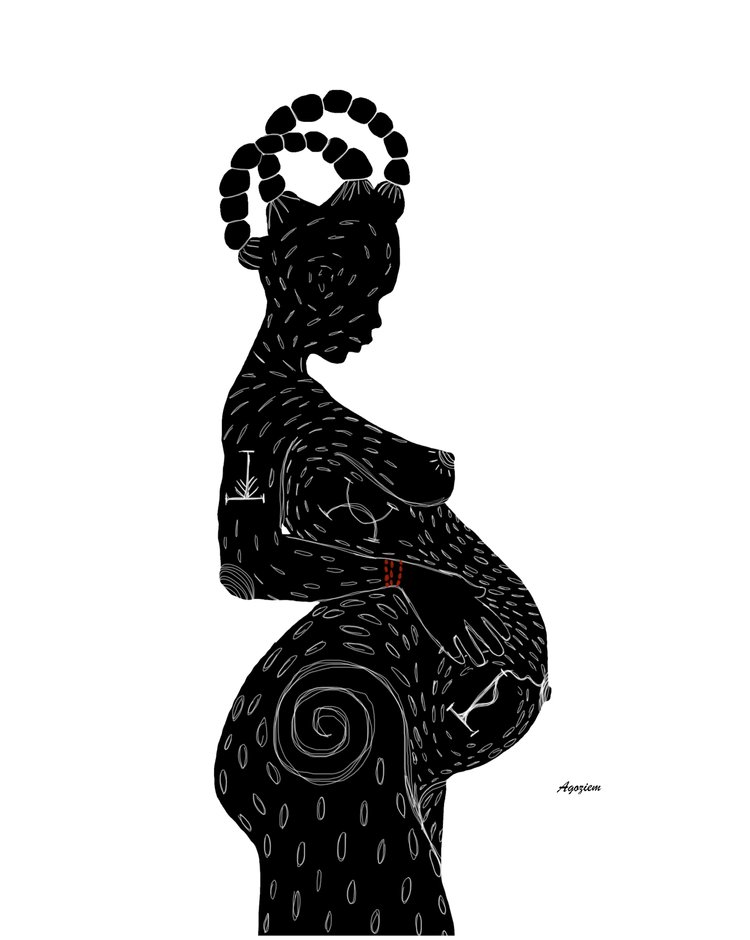
In the sociocultural fabric of the Igbo people of Southeastern Nigeria, the birth of a child is not merely a biological event but a profound “spiritual homecoming” and a communal triumph. The arrival of a new life signifies the continuity of the lineage and the successful “reincarnation” of an ancestor. Consequently, the period immediately following childbirth is governed by a series of meticulous, time-honored practices designed to transition the mother and the infant safely into their new roles. Known broadly across various dialects as the period of Omugwo, these postpartum rituals represent a sophisticated blend of “traditional medicine,” “maternal education,” and “nutritional therapy.” In a society that values the collective over the individual, these rituals ensure that the mother is never alone during her most vulnerable state. This article explores the structural nuances, the medicinal logic, and the symbolic significance of postpartum rituals for mother and child in Igbo tradition.
The written record
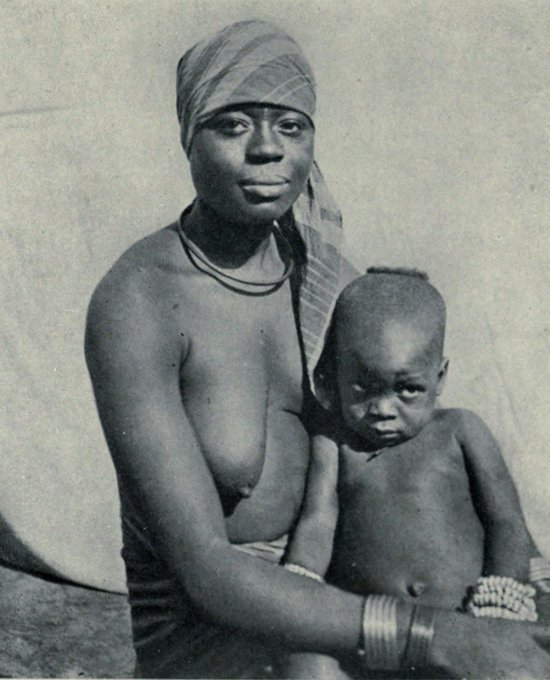
Historical context
Omugwo: The Institution of Maternal Care
The term Omugwo refers to the traditional Igbo “postpartum confinement” and nursing period. It is an institution that prioritizes the physical and emotional recovery of the mother;
The Role of the Grandmother: The ritual typically begins with the arrival of the maternal grandmother (Nne Ochie) or, in her absence, the mother-in-law. Her role is to take over all domestic chores, allowing the new mother to focus entirely on “rest and breastfeeding.” This “intergenerational transfer of knowledge” is the bedrock of Igbo maternal health.
Duration and Seclusion: Traditionally, Omugwo lasted for a minimum of one Igbo month (seven weeks of four days, totaling 28 days), though it often extended to three months depending on the family’s wealth. During this time, the mother is “secluded” from strenuous labor and sexual intimacy, ensuring her body has ample time to heal.
Social Support System: Omugwo serves as a “psychological buffer” against postpartum depression. By surrounding the new mother with experienced kinswomen, the Igbo tradition ensures that the “isolation” often felt in modern nuclear settings is virtually non-existent.
Nutritional Therapy and Medicinal Cuisine
A central component of the postpartum ritual is the administration of a “specific diet” designed to cleanse the mother’s system and stimulate lactation;
Ji Mmiri Oku (Yam Pepper Soup): This is the “signature dish” of the Omugwo period. It is a spicy yam soup prepared with “medicinal herbs” and spices such as Uda (Negro pepper), Uziza (West African black pepper), and Ehuru (African nutmeg).
The Logic of Heat: The “heat” from the spices is believed to “melt and expel” any blood clots or “stale blood” remaining in the uterus after delivery. The soup is also highly nutritious, providing the energy required for the mother to regain her strength.
Stimulating Lactation: Foods such as “palm wine” (in moderation) and “pap” (fermented corn starch) are encouraged to ensure a steady supply of breast milk. The diet is strictly monitored by the grandmother to avoid foods that might cause “infant colic.”
Physical Therapy: The Hot Water Massage
The ritual of Isa Ahu (body washing) and massage is perhaps the most physically rigorous part of the postpartum period;
The Hot Compress: Every morning and evening, the grandmother uses a cloth dipped in “very hot water” to massage the mother’s abdomen. This practice is intended to “shrink the uterus” back to its pre-pregnancy size and tone the stomach muscles.
Sitz Baths: The mother is encouraged to sit over a basin of hot water infused with “medicinal leaves” to promote the healing of any perennial tears and to reduce inflammation.
Bathing the Infant: The child also undergoes a daily massage. The grandmother expertly “stretches and molds” the baby’s limbs, a practice believed to ensure the child grows up with “straight legs” and a “well-shaped head.”
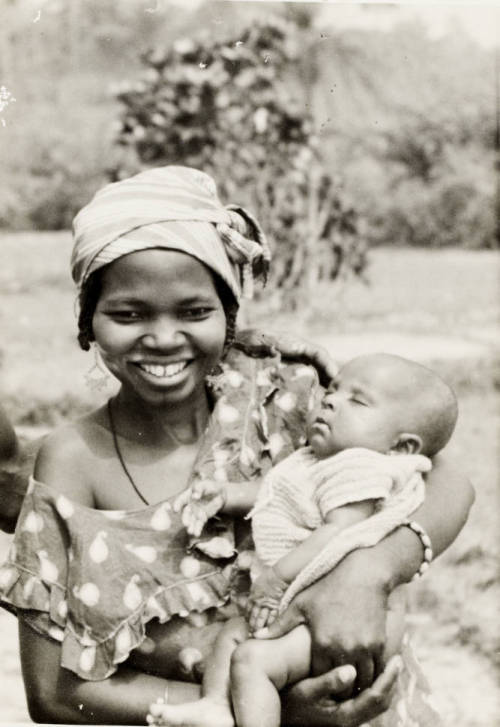
Rituals for the Child: Circumcision and Naming
While the mother heals, the child undergoes specific “rites of passage” that integrate them into the community and the spiritual world;
Ibi Ugwu (Circumcision): Traditionally, male children were circumcised on the “eighth day” after birth. This was a significant event, marking the child’s “first sacrifice” to the community. In contemporary times, this is often done in hospitals, but the “cultural timing” remains respected.
Iba Afa (Naming Ceremony): The naming ceremony is a “sacred ritual” usually held on the eighth or twelfth day. The name given to an Igbo child is never accidental; it often reflects the “circumstances of birth,” the “day of the week” (e.g., Nwaeke, Okafor), or the “reincarnated ancestor” (Ilo Uwa).
The Burial of the Umbilical Cord: In many Igbo communities, the child’s “umbilical cord” and placenta are buried under a “fruit-bearing tree” (like an oil palm or breadfruit tree). This ritual “anchors” the child to the ancestral land, signifying that they are forever a “son or daughter of the soil.”
Transition and Re-entry: The “Outing” Ceremony
The end of the postpartum period is marked by a “public celebration” that signals the mother’s return to active community life;
The End of Confinement: Once the grandmother determines that the mother is “strong and radiant,” a feast is prepared. The mother is dressed in her finest “Akwa Ocha” (white cloth) or lace, and her skin is adorned with “Uli” or “Odo” (camwood) paste.
Communal Presentation: The mother takes the baby to the “village market” or the “church” for a thanksgiving service. This is the first time the community officially welcomes the new member. It is a day of “dancing, singing, and gift-giving.”
The Return of the Grandmother: As the ritual concludes, the grandmother is sent back to her home with “lavish gifts” of yams, salt, stockfish, and cloth, a gesture of “gratitude” from the husband and his family for her “labor of love.”
Modern Challenges and the Resilience of Tradition
Despite the rise of Western obstetric care, Igbo postpartum rituals have shown “remarkable adaptability”:
Hospital vs. Home: Many Igbo women now deliver in modern hospitals but still return home to undergo the “Omugwo” protocols. The “Ji Mmiri Oku” diet is often integrated with “modern vitamins,” showing a “pragmatic synthesis” of two worlds.
Urbanization: In cities like Lagos or London, the “confinement” may be shorter due to work schedules, but the “presence of the mother” (or a hired “Omugwo nurse”) remains a non-negotiable requirement for many Igbo families.
The “Postpartum Depression” Lens: Modern psychology is beginning to recognize that the “constant companionship” provided during Omugwo is an incredibly effective “preventative measure” against the “baby blues” and clinical depression, validating the “ancient wisdom” of the Igbo people.
Postpartum rituals for mother and child in Igbo tradition are a “holistic masterpiece” of community-based healthcare. By combining “nutritional science” (the pepper soup), “physical therapy” (the hot massage), and “spiritual anchoring” (the naming and umbilical burial), the Igbo ensure that the transition into motherhood is a “supported journey” rather than a lonely struggle. These practices reflect a deep “reverence for life” and an understanding that the health of the mother is the “health of the nation.” While the external forms of these rituals may evolve with technology and religion, the “core principle” that a new mother deserves the “total care” of her community remains an enduring legacy of the Igbo people. To undergo Omugwo is to be “wrapped in the warmth” of ancestry and sisterhood.
Sources and references
- Achebe, C. (1958). Things Fall Apart. London: Heinemann. (Providing context on the significance of reincarnation and ancestral names).
- Aniakor, C. C. (1984). Igbo Arts: Community and Cosmos. Los Angeles: Museum of Cultural History, University of California.
- Basden, G. T. (1921). Among the Ibos of Nigeria. London: Seeley, Service & Co. (Detailing early observations of infant care and maternal seclusion).
- Ezeh, P. J. (2011). Ethnography of South-Eastern Nigeria. University of Nigeria Press.
- Iwu, M. M. (1993). Handbook of African Medicinal Plants. CRC Press. (On the pharmacological properties of Uda and Uziza used in Omugwo).
- Uchendu, V. C. (1965). The Igbo of Southeast Nigeria. Holt, Rinehart and Winston.
Cite this article
Discussion
Sign in to join the discussion
Comments are checked by an editor before they appear. Leave a source or a correction and it is read first.
Continue reading
Related histories
 Anthropology and EthnographyThe Demography of Biafran Slave Exports (1650–1850)Read history →
 Anthropology and EthnographyMasquerade Traditions from Igboland to the Caribbean (Jonkonnu, Mocko Jumbie)Read history →
 Anthropology and EthnographyMapping Igbo Destinations in the Americas: A Comparative AnalysisRead history →
No comments yet
Nothing has been approved on this record yet. Comments are checked by an editor before they appear, so one written now shows on this page after that check.