 Ozikoro
 Anthropology and Ethnography · Published history
Pre-Colonial Trade Routes and Economic Networks in 19th-Century Nsukka
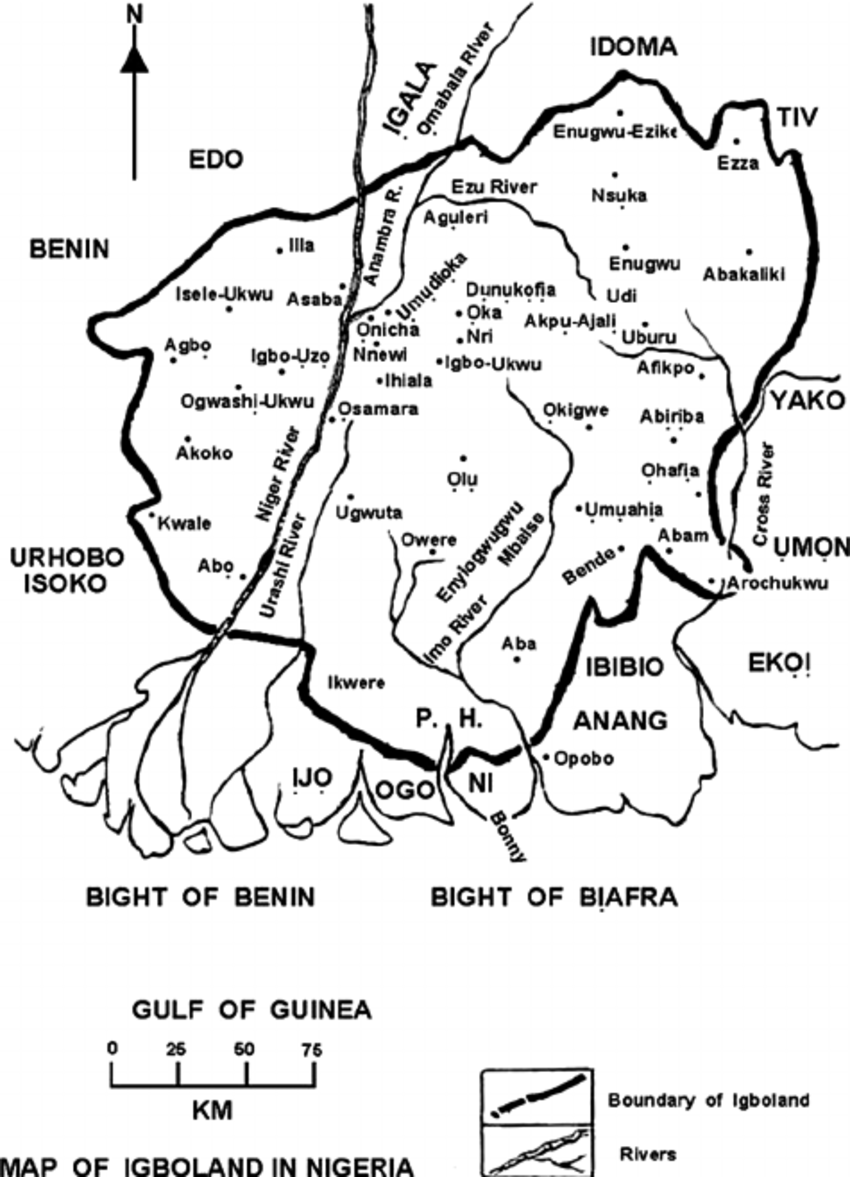
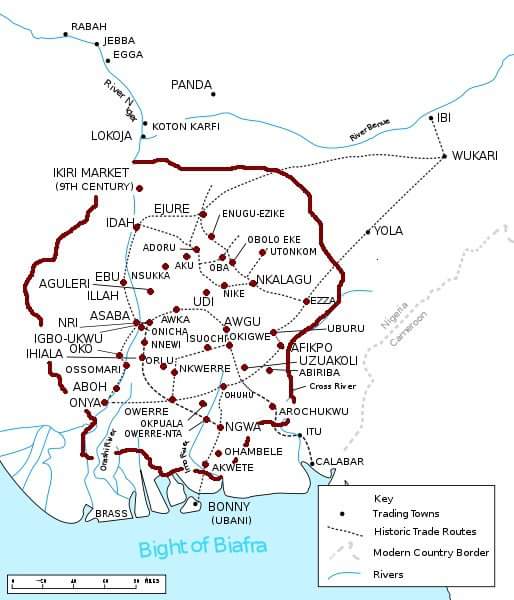
In the 19th century, long before European colonial domination, the region now known as Nsukka in southeastern Nigeria was an active participant in intra-African trade networks that shaped political, social, and economic life across West Africa. As part of an extensive pre-colonial system of exchange, Nsukka’s economy was connected with neighbouring Igbo communities, northern markets, and Atlantic coastal trade corridors. caravans, riverine networks, markets, and pathways allowed goods, ideas, and people to move across the region. A study of these trade routes and economic networks reveals how southeastern Nigerian communities engaged in production, exchange, mobility, and diplomacy long before colonial interference disrupted indigenous systems. Historical research also highlights how trade shaped class structure, social obligations, gender roles, and political alliances within Igbo society.
The written record
Historical context
The Economic Landscape of 19th-Century Nsukka
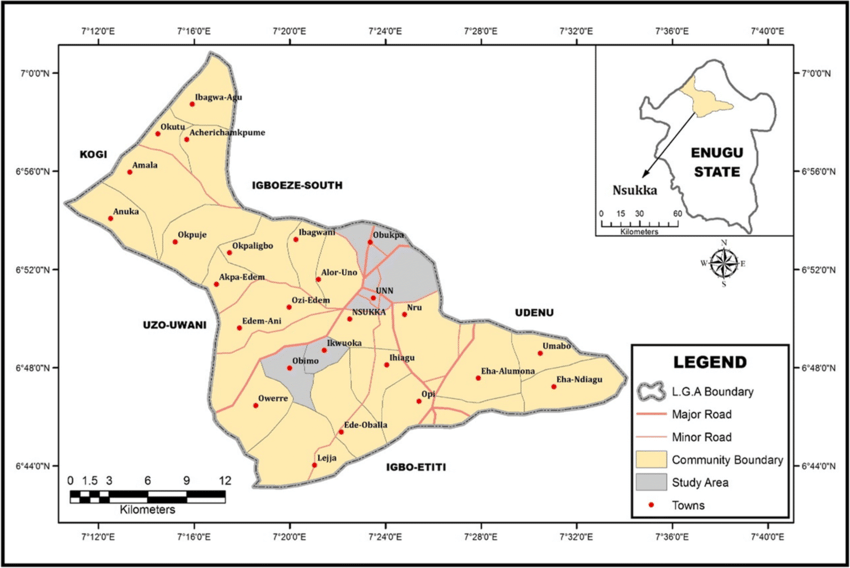
Nsukka is an upland plateau region occupying the northernmost part of present-day Enugu State, bordering the Middle Belt and Igala spheres. Its environment supported agriculture, forest-based extractive activities, and animal husbandry. Subsistence farming formed the economic foundation, with crops such as yams, cassava, palm produce, beans, and taro widely cultivated. Surplus agricultural products were exchanged not just locally but also for import goods such as salt, cloth, metals, and beads. This agricultural base enabled Nsukka to contribute meaningfully to the wider networks of trade that stretched both northward and southward.
Pre-colonial societies in southeastern Nigeria were not isolated; instead, settlement patterns were shaped by paths linking villages to inter-regional markets. The traditional markets of Igbo society, including those in Nsukka, functioned as institutional hubs where not only goods but social bonds, marriage alliances, and diplomatic relations were formed.
Trade Routes: Pathways of Exchange
- Local Paths and Market Networks
Pre-colonial Nsukka’s internal routes connected farming villages to market nodes such as Akwete, Eha-Amufu, and Nsukka town markets. Traders, often organized in age-grade groups, would travel on foot or with pack animals to these markets on specific market days denominated by the traditional Igbo four-day week (Eke, Orie, Afo, Nkwo). The rotation of market days ensured a systematic movement of goods between different communities, reducing congestion and facilitating predictable exchange patterns.
Salt, a highly valued commodity for both seasoning and preservation, was a central import. As Nsukka lacked salt sources, women traders often undertook long journeys to northern savanna markets or to lakeside sources like those near modern Onitsha, where salt could be procured and brought back for exchange with yam and palm produce.
Inter-Regional Routes: Linkages Beyond Nsukka
Nsukka was oriented toward several important interregional routes:
- Nsukka–Onitsha Route: This pathway connected northern Igbo hinterlands to the major riverine trading city of Onitsha, a port of commerce where goods could be exchanged for imported salt, cloth, guns, and cowries. River transport on the Niger River made Onitsha a particularly important link between Igbo agrarian producers and wider coastal markets.
- Nsukka–Enugu–Benue Plateau Corridor: East-west roads connected Nsukka with communities in the Benue Valley and the Middle Belt, facilitating exchange in iron tools, kola nuts, animal products, and grains. These pathways allowed Nsukka producers to participate indirectly in Hausa-Fulani northern trade networks, where long-distance caravans would link the Savannah to the forest zone.
- Nsukka–Udi/Nkwo Market Route: This southward route linked Nsukka communities with southern Igbo neighbors and coastal markets. Items like fish, palm oil derivatives, and exotic cloth entered Nsukka through these southern links.
These routes were not always formalized roads but relied on local knowledge of terrain, river crossings, seasonal variations, and social networks that provided safety and hospitality for travellers crossing village territories.
Goods Exchanged and Economic Specialisations
Trade in 19th-century Nsukka was characterized by a diverse network of goods shaped by ecological complementarity and socio-cultural needs.
- Exports from Nsukka Region
Yam and Root Crops: Considered symbolic of wealth and status, yams were also a major trade item, exchanged in surplus for imported staples.
Palm Produce: Palm oil, kernels, and wine were traded for salt and metal goods. The labor of women and cooperative groups facilitated expansion of palm trade.
Craft Items: Iron tools, locally fashioned pottery, woven baskets, and decorated cloth were produced and traded locally and regionally.

- Imports into Nsukka
Salt and Cowries: Salt was essential for both taste and preservation. Cowrie shells served as currency in many Igbo markets before colonial currency systems.
Metal Goods: Iron, whether imported or procured through northern trade routes, was critical to agricultural tools and ceremonial wealth.
Textiles and Beads: Cloth, often imported through coastal ports, became an item of social prestige, affecting status and marital negotiations.
These goods were exchanged within intricate systems that valued not only material supply but also social reciprocity, ritual exchange, and community obligations.
Social and Cultural Dimensions of Trade
Trade in Nsukka was not a purely economic activity; it was deeply embedded in social life and cultural practice.
- Gender and Trade
Women played a central role in pre-colonial markets. They were often the primary traders in foodstuffs, salt, cloth, and palm produce, while men focused on tasks associated with ironwork and territorial mobility. Women’s associations regulated pricing, helped settle disputes, and enforced market norms. Markets were also sites of marriage negotiations, spiritual observances, and communal drama performances.
- Ritual and Market Practice
Market spaces were also spiritual spaces. Offerings were made to guardian spirits of the land (Ala), and specific days were declared sacred, during which trade either paused or was conducted with ritual acknowledgment of cosmic order. Such restrictions shaped the rhythm of commerce and reinforced moral codes that governed how trade was conducted.
Impact of External Forces and Internal Transformations
The 19th century witnessed rising pressures from Atlantic slave trade decline, increasing internal militarization, and the early incursions of European traders at coastal ports. This transformation influenced trade dynamics inland:
- Some routes reoriented from human trade to commodity trade, including palm oil and kernels, which became valuable in European industrial processes.
- Local cosmopolitan interaction increased as middlemen, especially Efik, Igbo, and Hausa traders expanded networks linking inland producers to coastal ports.
However, the increasing presence of European agents introduced new goods, glass beads, imported cloth, and firearms that altered local demands and social hierarchies. Chiefs and wealthy traders who could access imported goods often gained political advantage, affecting communal power structures.
Legacy and Historical Significance
The pre-colonial trade routes and economic networks of 19th-century Nsukka laid the foundation for many enduring features of southeastern Nigerian life:
Market towns like Nsukka, Ngwo, and Obollo developed identities as commercial centres whose origins predate colonial urbanization.
Social institutions, including market associations and age-grade travel networks, persisted into the 20th century and shaped resistance to colonial economic restructuring. Gendered economic roles established in pre-colonial trade continued to influence post-colonial market participation and household economies.
Understanding these pre-colonial systems challenges narratives that portray African economies as static or isolated before European contact. Instead, Nsukka’s trade networks exemplify dynamic, adaptive, and interconnected pre-colonial African commerce shaped by local agency and inter-regional exchange.
The pre-colonial trade routes and economic networks of 19th-century Nsukka were part of an expansive system of exchange that connected upland agricultural communities with coastal, savanna, and forest economies. These systems moved beyond mere economic transactions; they were embedded in ritual practice, gendered social roles, ecological stewardship, and regional diplomacy. By understanding the networks that connected Nsukka to its neighbors and to larger West African trade corridors, historians gain insight into how indigenous systems facilitated prosperity, identity formation, and cultural resilience long before colonial rule transformed African societies. Far from being marginal, the people of Nsukka were key participants in Africa’s economic history, negotiating goods, institutions, and social relations across time and terrain.
Sources and references
- Afigbo, A. E. (1978). Trade and trade routes in nineteenth-century Nsukka. The Journal of African History, 19(1), 35–48.
- Afigbo, A. E. (1973). Trade and trade routes in nineteenth century Nsukka. Journal of the Hi storical Society of Nigeria, 7(1), 77–90.
Cite this article
Discussion
Sign in to join the discussion
Comments are checked by an editor before they appear. Leave a source or a correction and it is read first.
Continue reading
Related histories
 Anthropology and EthnographyThe Demography of Biafran Slave Exports (1650–1850)Read history →
 Anthropology and EthnographyMasquerade Traditions from Igboland to the Caribbean (Jonkonnu, Mocko Jumbie)Read history →
 Anthropology and EthnographyMapping Igbo Destinations in the Americas: A Comparative AnalysisRead history →
No comments yet
Nothing has been approved on this record yet. Comments are checked by an editor before they appear, so one written now shows on this page after that check.