 Ozikoro
Anthropology and Ethnography · Published history
Princess Sauers and Auntie Bertha: The Final Keepers of Berbice Dutch
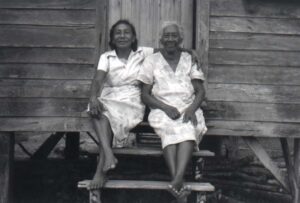
The extinction of Berbice Dutch Creole (Berbice Dutch) represents a profound loss for global linguistics and a poignant reminder of the cultural cost of colonialism. Spoken for centuries in the former Dutch colony along the Berbice River in Guyana, this unique language, a vibrant fusion of Dutch, indigenous Arawak, remarkably, a single African language retreated into isolation until its final days. The only enduring record of its existence comes from the dedicated work of linguists who captured the language through the memories and voices of its last two known fluent speakers: Albertha (Auntie Bertha) Bell and Princess Sauers (Kouwenberg and Muysken). Their lives and legacies are inextricably linked to the language they preserved until the very end
The written record
Historical context
The Language: A Unique Linguistic Anomaly
Berbice Dutch Creole was an outlier among Caribbean creoles. It developed in the small, inland Dutch plantation colony established in the 17th century, contact occurred between three primary groups: Dutch planters (mostly from the Zeeland dialect), the indigenous Arawak (Lokono) population, and enslaved Africans.
The Eastern Ijo Foundation
Most Caribbean creoles exhibit a general mix of West African language influences, often labeled as a broad “substrate.” Berbice Dutch, however, is exceptional for the high and specific influence of the Eastern Ijo languages (including Kalabari) from the Niger Delta region of Nigeria. This finding, first substantiated by scholars like Ian Robertson and Silvia Kouwenberg, was revolutionary. Linguists estimate the language’s lexicon was approximately 57% Dutch and an extraordinary 38% Eastern Ijo, with minimal Arawak contributions.
The Eastern Ijo influence was not limited to specialized words. It supplied many basic, fundamental terms essential for daily life. This deep Ijo dominance suggests that speakers of Eastern Ijo constituted the foundational critical mass among the enslaved population. They established the primary communicative template, forcing subsequent arrivals including later African groups and the Dutch masters themselves to accommodate the Ijo-influenced proto-creole. This singular foundation provides a priceless, though indirect, demographic record of the very early slave trade patterns in Berbice.
Beyond vocabulary, Berbice Dutch demonstrated a unique blend of structural features: its typology (word order and sentence structure) was closer to Dutch, while its morphology (word formation) showed significant Ijo influence. The language’s intricate structure made it an invaluable resource for understanding the principles of creole formation and language contact.
The Keepers: Auntie Bertha and Princess Sauers
The dedicated fieldwork of linguists Ian Robertson and later Silvia Kouwenberg from the University of the West Indies was a race against time. They located the final fluent speakers in the remote stretches of the Berbice River, capturing the last living utterances of the language.
Albertha (Auntie Bertha)
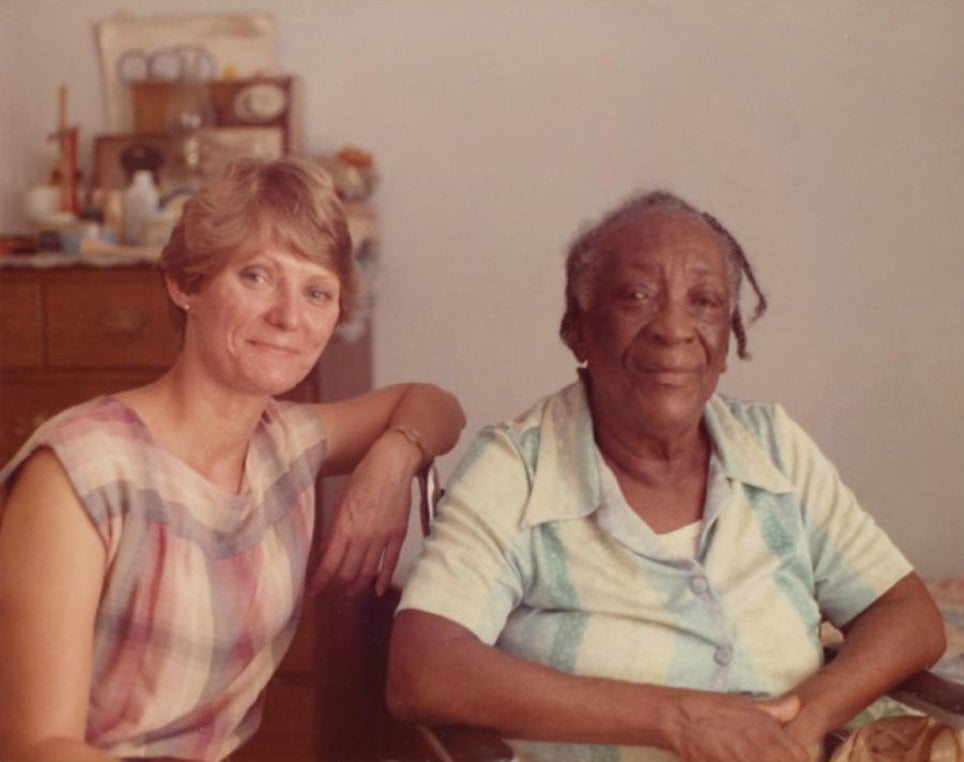
Auntie Bertha was the individual most often cited internationally as the language’s “last known speaker” for several years. In March 2004, at the remarkable age of 103, she was interviewed by a UWI research team. The recorded conversations provided invaluable phonetic and grammatical data, forming the basis of crucial linguistic analyses. Her final word was the short film documenting her, entitled “Dote Te: Requiem for a Language”, takes its name from her poignant response when asked about other speakers. She would reply with the phrase Dote te (‘Dead already’), summarizing the fate of her ancestral tongue.
Princess Sauers
Subsequent and continuous documentation confirmed that the language had not died with Auntie Bertha. Princess Sauers was found to be a younger and, in some respects, more fluent speaker of the language, representing the absolute final living link to the language’s active history. Princess Sauers was born at Dubulay, a historically significant location near where the original 17th-century Dutch plantation, Peereboom, was founded. Her birthplace tied the language’s end directly to its colonial beginning (Guyanese Languages Unit).
When Princess Sauers passed away in March 2015, just before her 99th birthday, the last known human repository of Berbice Dutch Creole was gone. This event brought the curtain down on the language’s multi-century history.
The meticulous recordings and transcriptions of both Auntie Bertha and Princess Sauers now reside in linguistic archives, serving as the only complete record of the grammar, phonology, and lexicon of Berbice Dutch. They stand not only as the final keepers but as unwitting contributors to the field of creole studies, ensuring that the unique Niger Delta influence on the Guyanese interior is never truly forgotten.
Sources and references
- Blench, R. (2006, July). The Ijo-derived lexicon of Berbice Dutch Creole: An a-typical case of African lexical influence [Unpublished manuscript]. Roger Blench.
- Guyanese Languages Unit. LECTURE / The last, last Berbice Dutch speaker [Web page].
- Wikipedia contributors. (2025, November 3). Berbice Creole Dutch . Wikipedia, The Free Encyclopedia .
- YouTube. (2010, July 22). Berbice Dutch Creole (Final Edit) [Video]. YouTube.
Cite this article
Discussion
Sign in to join the discussion
Comments are checked by an editor before they appear. Leave a source or a correction and it is read first.
Continue reading
Related histories
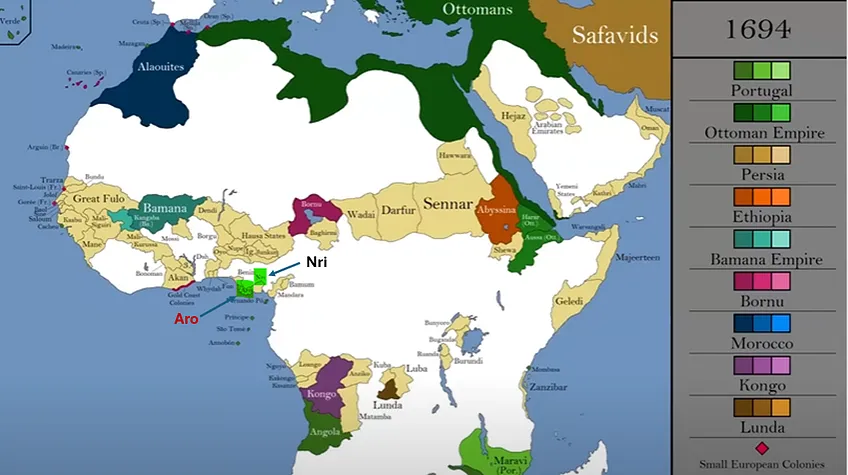 Anthropology and EthnographyThe Demography of Biafran Slave Exports (1650–1850)Read history →
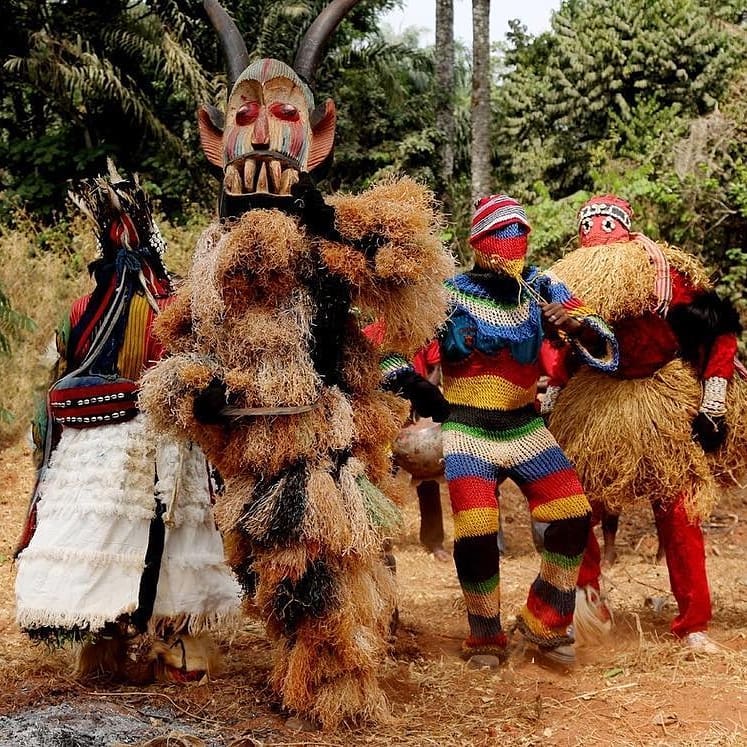 Anthropology and EthnographyMasquerade Traditions from Igboland to the Caribbean (Jonkonnu, Mocko Jumbie)Read history →
 Anthropology and EthnographyMapping Igbo Destinations in the Americas: A Comparative AnalysisRead history →
No comments yet
Nothing has been approved on this record yet. Comments are checked by an editor before they appear, so one written now shows on this page after that check.