 Ozikoro
Anthropology and Ethnography · Published history
Queen Idia: Warrior Mother and the Iconic Ivory Mask.
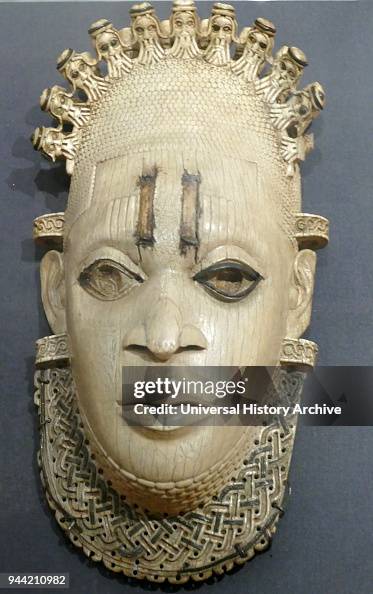
Queen Idia of the Kingdom of Benin stands as one of Africa’s most iconic royal figures. She stands as one of the most celebrated and powerful women in the history of the Kingdom of Benin. Revered as the mother of Oba Esigie (reigned c. 1504–1550), her wisdom, strength, military leadership during a period of crisis earned her the unprecedented title of Iyoba (Queen Mother), and political influence helped shape the Benin Kingdom during its golden age in the early 16th century. The legendary ivory mask that bears her likeness has become a global symbol of African art, leadership, and resilience. Her lasting cultural legacy is cemented by the magnificent Ivory Mask, a symbol of royal authority and feminine spiritual power.
The written record
Historical context
The Rise of Queen Idia
Idia was the principal wife of Oba Ozolua the Conqueror (reigned c. 1483–1504), who was one of Benin’s warrior kings. Queen Idia’s story began upon the death of her husband, Ozolua. The kingdom was plunged into a severe succession crisis between her son, Prince Esigie, and his half-brother, Prince Aruanran.
Her son immediately ascended the throne and his rule was threatened by rival factions and external forces. Aruanran who controlled the powerful town of Udo, challenged Esigie’s right to the throne, threatening to tear the newly expanded empire apart. Oral histories recount that she used her political intelligence and mystical powers to secure Esigie’s victory in the civil wars that followed his father’s death.
It was during this time of internal strife that Idia asserted her power, moving beyond the traditional role of a royal wife. She used her influence and spiritual knowledge to rally key chiefs and mobilize loyal forces, providing crucial political support that allowed Esigie to ultimately secure the throne.
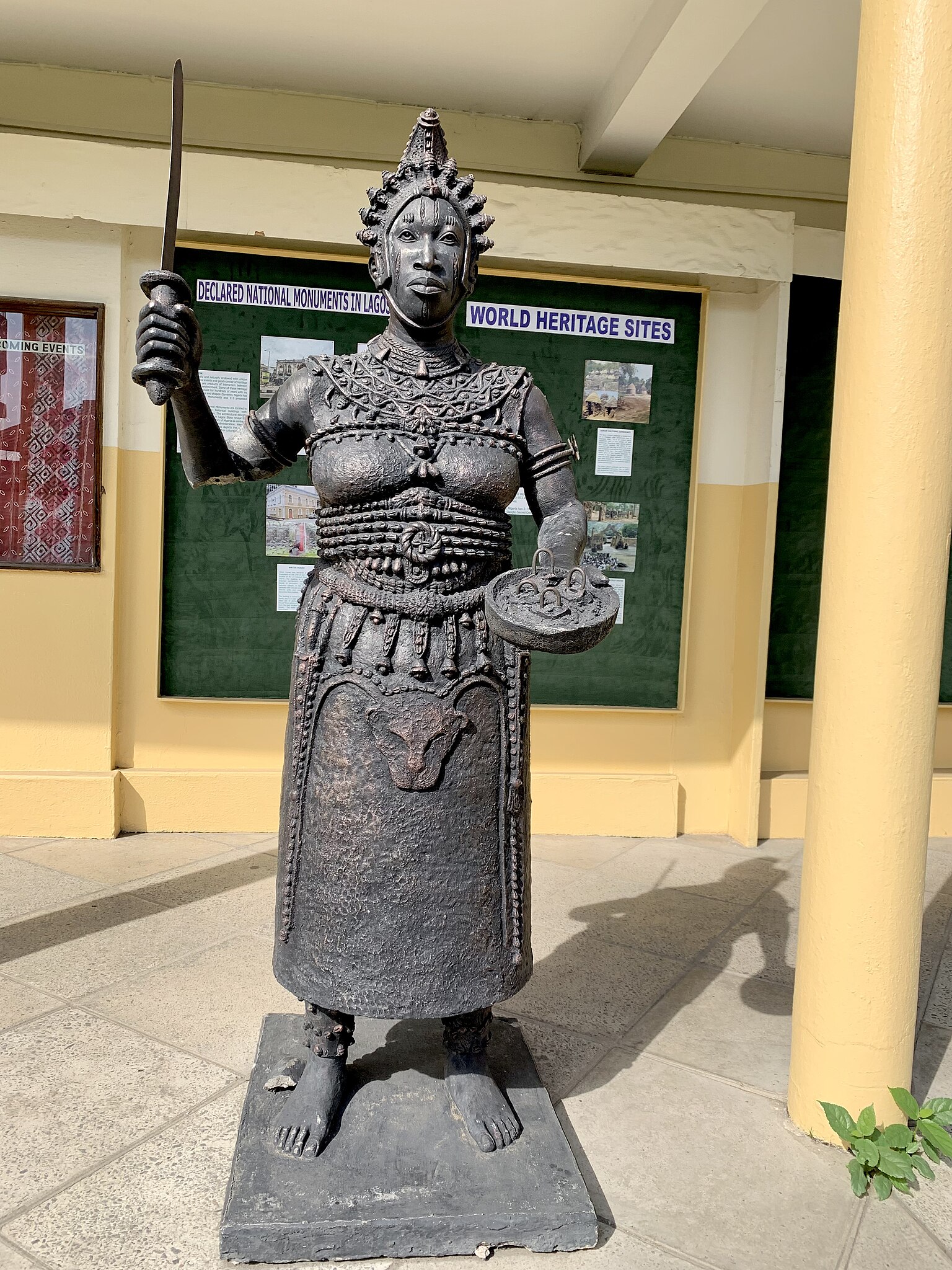
Queen Idia was more than a royal mother, she was a warrior in her own right. She accompanied her son to the battlefield and provided both spiritual and tactical counsel. According to Benin tradition, she used medicinal knowledge and charms to weaken enemies and protect the Benin army. Her courage earned her the title “Iyoba,” meaning “Queen Mother,” a position that became institutionalized in Benin’s royal structure thereafter. After Esigie’s victory, he created the title of Iyoba (Queen Mother) specifically for his mother and established a separate palace for her in the Uselu district. This act was revolutionary, as it formalized the political and spiritual role of the Oba’s mother within the centralized court structure, through which the Queen Mother became one of the most respected figures in the Benin monarchy.
Military Leadership and the Idah War
Idia’s fame as a “Warrior Mother” comes primarily from her decisive role in the Igala War (or Idah War), the greatest external threat faced by the kingdom during Esigie’s reign. The hostile Igala Kingdom capitalized on Benin’s internal instability and invaded the empire from the north across the Niger River. Queen Mother achieved victory through;
Spiritual Warfare: Idia was highly revered for her medicinal and magical knowledge. Before Esigie led his forces to battle, Idia performed potent rituals and provided charms, inspiring confidence and morale within the Benin army.
Commanding the Troops: Crucially, she is often credited in oral history with personally leading the Benin troops into battle or directing tactical strategy from the front lines, a move unprecedented for a woman in Benin history.
Victory: The Benin army successfully repelled the invaders, securing a decisive victory that prevented the collapse of the empire. Oba Esigie publicly credited his mother’s spiritual and military guidance with saving the kingdom.
The Iconic Ivory Mask
Queen Idia is best known internationally through the magnificent carved ivory mask that was created to honor her. The famous Ivory Mask of Queen Idia is one of the most recognizable artifacts from pre-colonial Africa. This mask, and others like it, represents the pinnacle of Benin’s ivory carving tradition, crafted in the 16th century by royal artisans; the mask was believed to have been worn by Oba Esigie during rituals honoring his mother. It features a high collar of coral beads and a headdress adorned with miniature Portuguese heads, symbolizing the trade and diplomatic relationships fostered during her son’s reign, Benin’s international connections, and mudfish, representing the dual nature of the Oba as both human and divine. It is a powerful symbol of the Iyoba’s spiritual authority and her unique political status. Currently housed in the British Museum, the mask is at the center of ongoing debates about cultural restitution, as many artifacts from the Benin Kingdom were seized during the British Punitive Expedition of 1897.
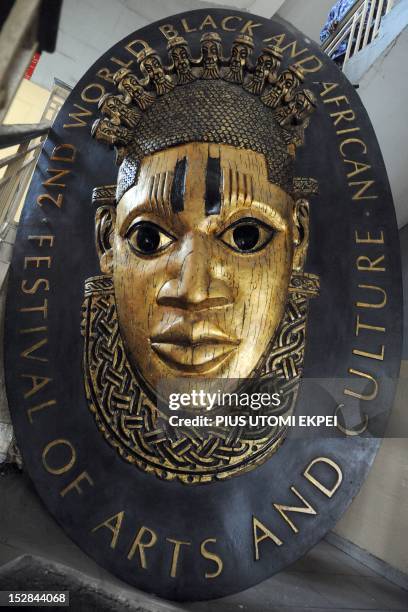
The most famous version of this mask was chosen as the emblem for the 1977 Second World Black and African Festival of Arts and Culture (FESTAC), held in Lagos, Nigeria. The image of Queen Idia remains a global symbol of African matriarchal power, political strength, and artistic excellence.
Queen Idia’s influence shaped not only the Benin Kingdom but also Africa’s broader historical narrative of leadership, art, and resilience. Her wisdom, courage, and the enduring legacy of her ivory mask remind the world of the sophistication of Benin civilization and the pivotal role of women in its greatness.
Idia’s leadership not only helped preserve the stability of the Benin Kingdom but also redefined the role of royal women in African politics and her story continues to inspire artists, historians, and activists advocating for the return of African heritage objects. Through both her leadership and artistic immortality, Queen Idia remains a timeless representation of the power of African women in history.
Sources and references
- BlackPast. “Oba Esigie of Benin (reign c. 1504–1550).” BlackPast, 21 Dec. 2021, www.blackpast.org/global-african-history/oba-esigie-of-benin-reign-c-1504-1550/.
- Britannica, The Editors of Encyclopaedia. “Idia.” Britannica, 1 Nov. 2025, www.britannica.com/biography/Idia.
- Pemberton, John. “The Kingdom of Benin.” National Museum of African Art, Smithsonian Institution, 1996, africa.si.edu/exhibits/idia/home.html.
- Vanguard. “Queen Idia: 10 Interesting Facts.” Vanguard News, 21 May 2017, www.vanguardngr.com/2017/05/queen-idia-10-interesting-facts/.
- Wikipedia. “Ivory mask of Queen Idia.” Wikipedia, Wikimedia Foundation, 3 Nov. 2025, en.wikipedia.org/wiki/Ivory_mask_of_Queen_Idia.
Cite this article
Discussion
Sign in to join the discussion
Comments are checked by an editor before they appear. Leave a source or a correction and it is read first.
Continue reading
Related histories
 Anthropology and EthnographyThe Demography of Biafran Slave Exports (1650–1850)Read history →
 Anthropology and EthnographyMasquerade Traditions from Igboland to the Caribbean (Jonkonnu, Mocko Jumbie)Read history →
 Anthropology and EthnographyMapping Igbo Destinations in the Americas: A Comparative AnalysisRead history →
No comments yet
Nothing has been approved on this record yet. Comments are checked by an editor before they appear, so one written now shows on this page after that check.