 Ozikoro
 Anthropology and Ethnography · Published history
Ritual Vessels and Domestic Ware in Igbo Culture: Understanding the “Ofo” and “Okwa”
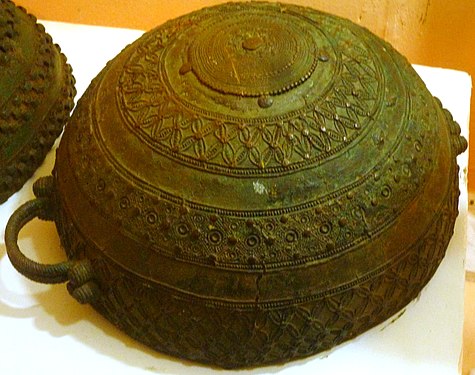
Among the Igbo people of southeastern Nigeria, ritual and domestic objects hold deep symbolic and cultural significance. Two of the most important traditional items are the Ofo and the Okwa. While the Ofo functions as a sacred authority staff used in spiritual, moral, and political contexts, the Okwa serves as a ritual and domestic bowl used in offering, distribution, and social transactions. Together, these objects illuminate core aspects of Igbo worldview, including justice, lineage, communication with ancestors, and communal sharing.
The written record
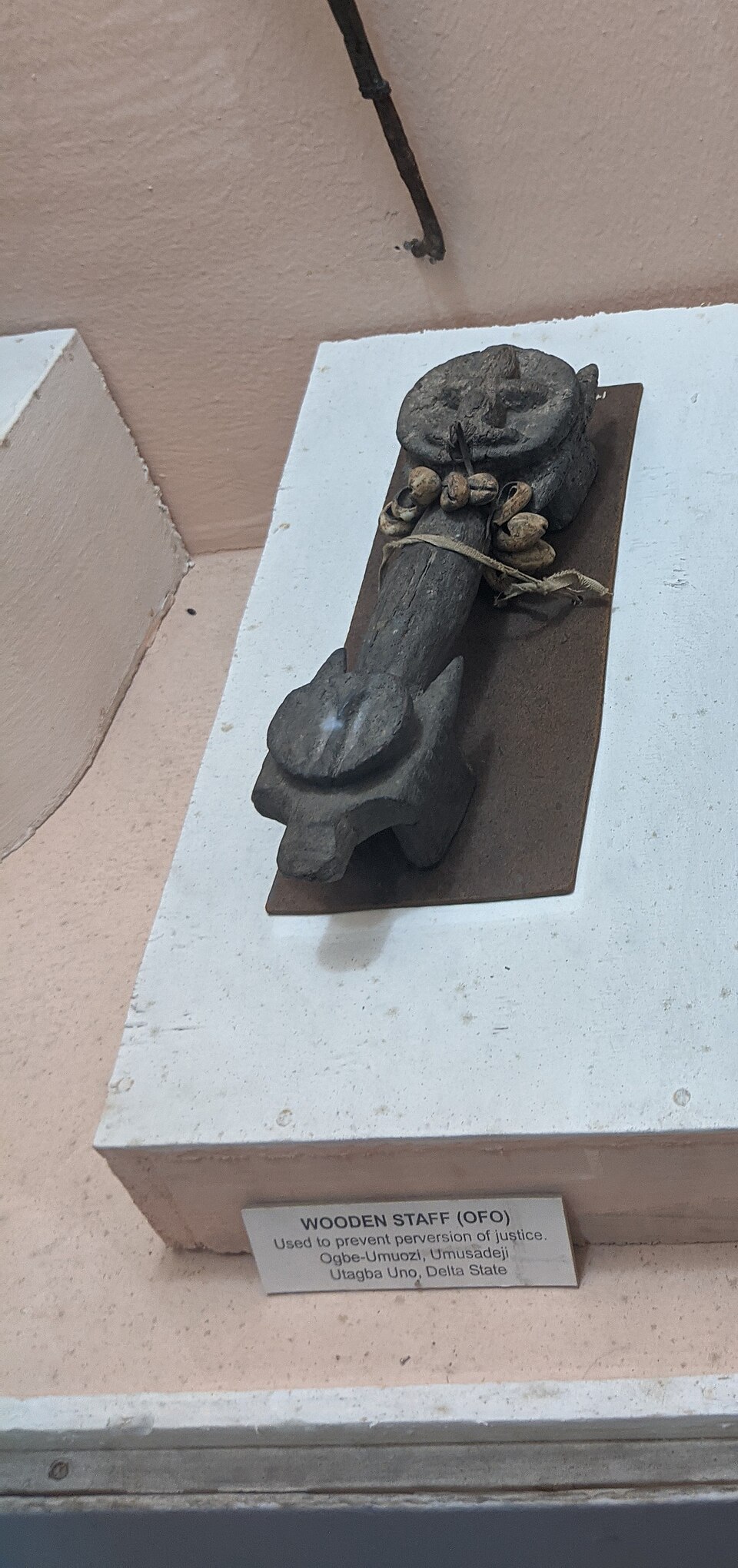
Historical context
The Cultural Background of Igbo Ritual Objects
The Igbo worldview is rooted in the belief that the visible living world interacts with the invisible world of ancestors, spirits, and deities. Objects such as the Ofo and Okwa are not merely tools; they are symbols of moral order, identity, and continuity. Their functions are closely tied to concepts of kinship, prestige, and the preservation of justice. For centuries, these ritual items have been central to community governance, religious practices, and social transactions.
Ofo: Symbol of Authority, Justice, and Ancestral Continuity
The Ofo is one of the most revered ritual objects in Igbo culture. It is usually a carved piece of wood or a preserved twig from the Ofo tree (Detarium senegalense). Its authority comes from ancestral blessing and tradition.
Symbolic Meaning
The Ofo represents justice (“Ofo na Ogu”), truth, legitimacy, and moral uprightness. A person who holds the Ofo is expected to embody honesty and act on behalf of the ancestors. In Igbo cosmology, to speak while holding the Ofo means invoking the ancestors as witnesses.
Ritual and Political Uses
Traditionally, elders, lineage heads, priests, and titled men such as “Nze” or “Ozo” holders possess Ofo staff. They use them in prayers, libation rituals, dispute settlement, oath-taking, blessing ceremonies, and community decision-making. During conflict resolution, elders may touch the Ofo to the ground to affirm that their judgment aligns with ancestral justice.
Ofo and Lineage Identity
Each patrilineal family (umunna) possesses an Ofo that symbolizes the spiritual seat of the lineage. It is inherited by the oldest male or the most morally upright family member. This makes the Ofo both a religious object and a genealogical record.
The Ofo in Modern Times
Although Christianity influenced the decline of many indigenous customs, the Ofo continues to play symbolic roles in cultural ceremonies, traditional marriages, community leadership, and legal customs in some rural areas.
Okwa: Ritual Bowl, Economic Symbol, and Domestic Utensil
The Okwa is a wooden or clay bowl used for serving, sharing, and ritual offerings. Unlike the Ofo, which is strictly sacred, the Okwa has both ritual and domestic applications.
Domestic Functions
In everyday use, the Okwa can serve as a bowl for food, kola nuts, or valuable items. It is often used during hospitality rituals, where kola nuts (“ọjị”) are broken and shared with visitors. This aligns with the Igbo emphasis on generosity and respect.
Ritual and Ceremonial Roles
In religious contexts, the Okwa is used to hold offerings such as food, palm wine, feathers, or symbolic items during ancestral worship and festival rituals. It may be placed at shrines, used in divination ceremonies, or presented during oath-taking processes.
Economic and Social Significance
In traditional Igbo society, the Okwa also functioned in economic transactions. During bridewealth negotiations, dispute settlements, or age-grade contributions, items could be presented or distributed using the Okwa. The act of placing objects in the Okwa represented fairness, openness, and communal agreement.
Symbolism in the Igbo Household
The presence of an Okwa in a home symbolized order, abundance, and preparedness for hospitality. Because the Igbo place emphasis on collective living and generosity, the Okwa became a symbol of communal unity.
Ofo and Okwa as Complementary Objects
Though they serve different roles, the Ofo and Okwa often appear together during ceremonies. For example:
In conflict resolution, elders may place kola nuts in an Okwa while invoking the Ofo to seal peace.
During ancestral rites, the Ofo may be held while the Okwa contains offerings.
At family meetings, the presence of the lineage Ofo and the distribution of kola nuts through the Okwa represent authority and unity.
This pairing shows how symbolic objects reinforce essential Igbo values such as truth, justice, peace, and sharing.
Influence of Christianity and Modernization
With the arrival of Christian missionaries in the 19th century, many ritual uses of the Ofo and Okwa declined, especially in urban areas. Churches discouraged the veneration of ancestral symbols and traditional objects. However, cultural revival movements and academic interest have brought renewed attention to these artifacts.
Today, the Ofo and Okwa appear in museums and cultural exhibits,
university research on African traditional religions, heritage festivals,
family rituals during marriages, burials, and title-taking celebrations.
They remain important markers of identity, even for Igbo people who practice Christianity.
The Ofo and Okwa are more than objects; they are symbolic vessels that preserve Igbo heritage. The Ofo embodies truth, justice, and ancestral authority, while the Okwa represents hospitality, offerings, and social harmony. Together, they demonstrate how material objects can embody deep philosophical principles within a culture. Although modernization and religion have transformed their usage, the Ofo and Okwa remain vital elements of Igbo identity, reminding contemporary generations of the values that shaped their society.
Sources and references
- Afigbo, A. E. (1981). “Ropes of Sand: Studies in Igbo History and Culture.” University Press.
- Isichei, E. (1976). “A History of the Igbo People.” Macmillan.
- Njoku, J. E. (1990). “Igbo Cultural History.” Fourth Dimension Publishers.
- Nwoye, G. (2011). “Igbo Traditional Religion and Symbolism.” Journal of African Cultural Studies, 9(2), 34–52.
- Wikipedia contributors. (2024). “Igbo culture.” Wikipedia, The Free Encyclopedia.
- Wikipedia contributors. (2024). “Ofo (symbol).” Wikipedia, The Free Encyclopedia.
Cite this article
Discussion
Sign in to join the discussion
Comments are checked by an editor before they appear. Leave a source or a correction and it is read first.
Continue reading
Related histories
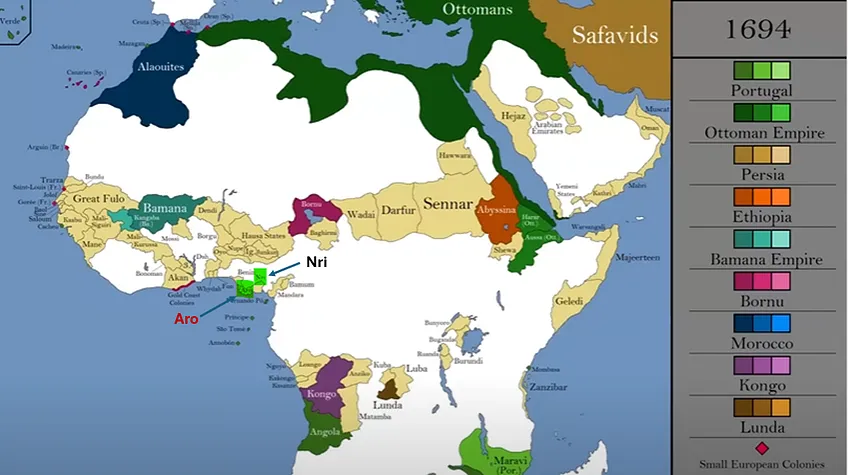 Anthropology and EthnographyThe Demography of Biafran Slave Exports (1650–1850)Read history →
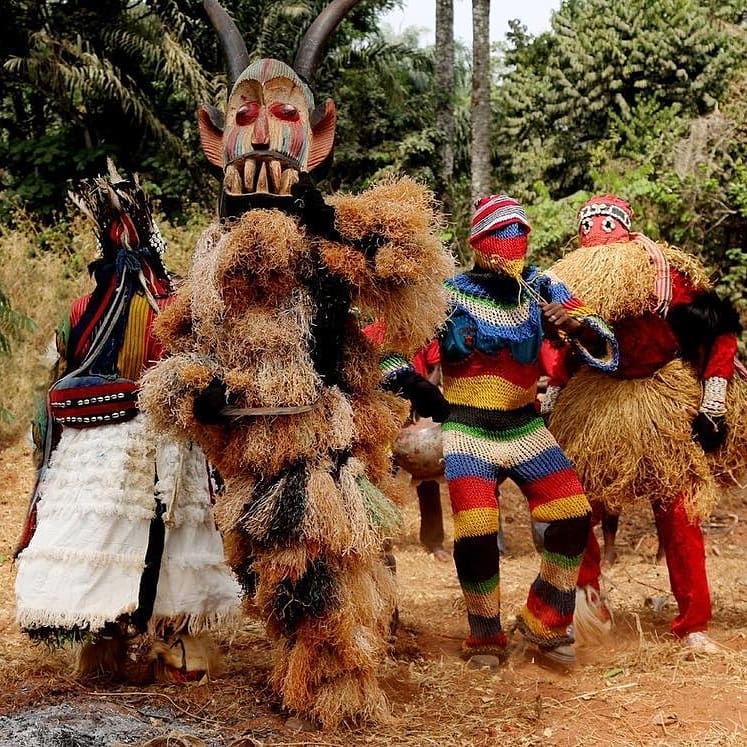 Anthropology and EthnographyMasquerade Traditions from Igboland to the Caribbean (Jonkonnu, Mocko Jumbie)Read history →
 Anthropology and EthnographyMapping Igbo Destinations in the Americas: A Comparative AnalysisRead history →
No comments yet
Nothing has been approved on this record yet. Comments are checked by an editor before they appear, so one written now shows on this page after that check.