 Ozikoro
 Anthropology and Ethnography · Published history
Sounding the Departure: The Ritual Significance of “Mkpo na Ala” in Igbo Traditional Funerals of Titled Men
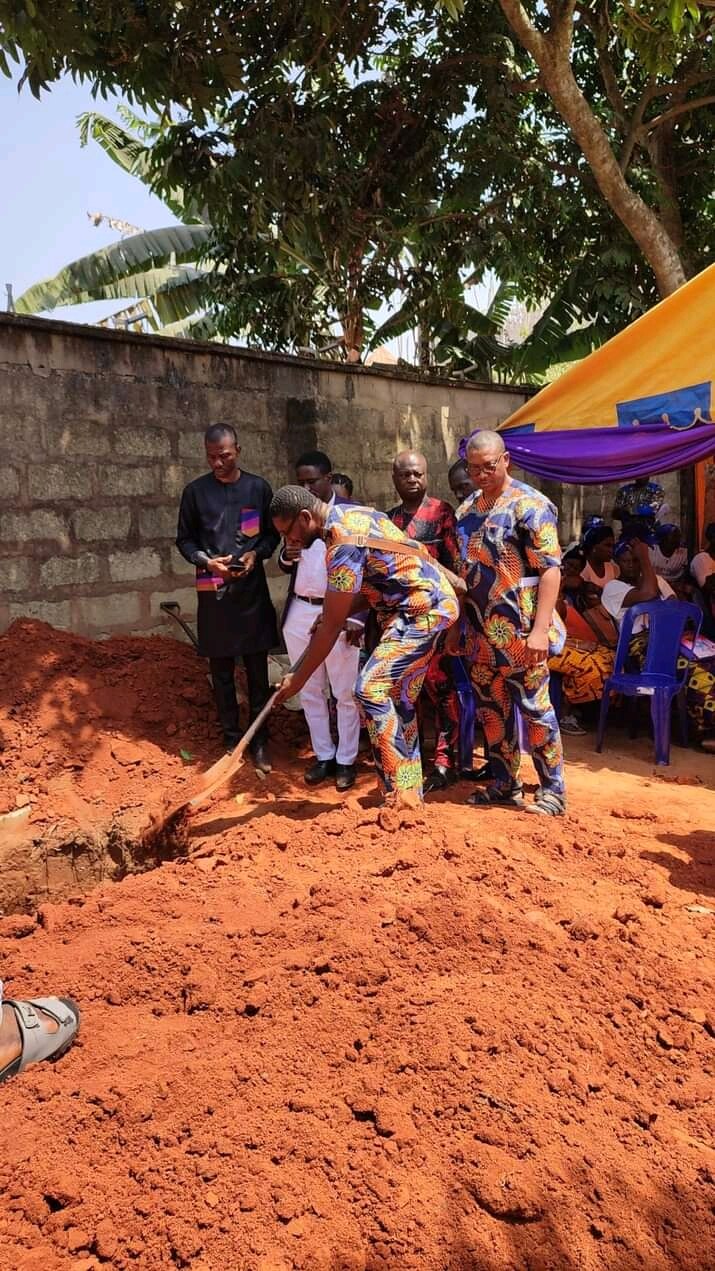
In Igbo traditional society, death especially of a titled man marks not only the end of a physical life but the beginning of a transition into the ancestral realm. Funerary performances and rituals play essential roles in honoring this transition. Among the most important ritual elements is the use of “mkpo na ala,” a form of ritual percussive sound-making, typically involving wooden clappers, slit gongs, or earth-bound sound instruments struck to communicate with the spiritual world.
The written record
Historical context
Understanding Titled Men in Igbo Culture
Titled men occupy a privileged and respected position within Igbo society. Titles such as Ozo, Nze, or Ichie elevate a man into a category associated with seniority, moral distinction, wealth, and spiritual authority. According to documented accounts of Igbo sociopolitical structure, titled men are considered “living ancestors,” people who already embody the dignity, moral responsibility, and semi-spiritual status of those who will eventually join the ndichie ancestral spirits. Their funerals therefore require elaborate rites, more complex than those for ordinary individuals.
The death of a titled man is not perceived as a simple departure but a “return to the ancestors,” a cosmological movement from the earthly plane to the metaphysical realm.
What Is “Mkpo na Ala”?
Mkpo na ala refers to a category of ritual sound instruments or sound events performed during funerals. The phrase can be understood as “striking the earth,” referencing both the literal act of hitting the ground and the symbolic invocation of Ala (the Earth goddess), the moral authority and custodian of the dead.
Depending on the community, mkpo na ala may take the form of:
Wooden clappers or castanets,
Hand-held percussion sticks,
Rhythmic striking of the earth with a ritual staff,
Sounding of wooden ekwe (slit drums) with deep tones directed toward the ground.
In several Igbo regions, the ritual is performed by specialist drummers, age-grade associations, or members of a titled man’s lineage, depending on the ceremonial level required.
Ritual Meaning: Communicating With the Ancestors
Igbo cosmology recognizes sound as a spiritual language. Ritual instruments, especially wood-based percussive forms, are regarded as vehicles for communication with the metaphysical world. Wikipedia’s entry on Igbo music emphasizes the importance of drums, gongs, and wooden idiophones in signaling sacred transitions, social events, and messages to spirits.
During funerals, mkpo na ala performs several symbolic functions:
1. Announcing the Departure
It signals publicly that a titled man has embarked on his journey to the ancestral realm. The sound serves as a communal announcement akin to “sounding the path” so the ancestors may receive him.
2. Opening the Spiritual Pathway
In many Igbo traditions, sound helps “open the road” for the spirit, ensuring that the deceased is not hindered during transition. The deep tone of the earth-bound instrument symbolically resonates with Ala, affirming that the dead return to her domain.
3. Affirming His Titled Status
Only men who have taken sacred titles deserve certain funeral performances. The sound of mkpo na ala functions as proof of his prestige and moral achievement in life.
4. Invoking Ancestral Witnesses
The percussive rhythm calls upon ancestral spirits to witness the rites, prepare to receive him, and ensure the community’s protection during the period of ritual vulnerability that death brings.
Performers and Social Protocol
The execution of mkpo na ala is governed by strict cultural rules. Typically, the ritual is performed by:
Members of the deceased’s age grade,
Title holders or Ozo members,
Specialist drummers or ritual musicians,
Kinship groups with hereditary ritual roles.
Because sound is believed to attract spiritual presence, only those ritually “clean” (untainted, respectful, and properly prepared) may participate. In some communities, women may not perform mkpo na ala, though they take part in other funerary songs and laments.
The performance also follows a rhythmic pattern slow, deep, deliberate symbolizing dignity, age, and honor, in contrast with the faster rhythms associated with festivals or masquerades.
Connection to the Earth Goddess (Ala)
Ala holds central significance in Igbo religious thought. She governs morality, fertility, justice, and burial. All the dead must return to her; thus, invoking Ala through sound embodies an essential spiritual contract.
The performance of mkpo na ala symbolizes:
Acceptance of the deceased back into the earth,
Request for safe passage,
Affirmation that the man died a good death (nwuo ọma) worthy of ancestral dignity,
Cleansing of ritual impurity associated with death.
Because titled men are moral exemplars, the ritual reinforces their relationship with Ala as stewards of ethical conduct.
Integration With Other Funerary Elements
The mkpo na ala ritual does not stand alone; it works together with:
Masquerades (mmuo) representing spirits who escort the deceased,
Dirges and praise chants celebrating lineage history,
Breaking of kola nut inviting ancestral presence,
Presentation of the deceased’s title regalia reinforcing his status.
In many communities, the ritual sound marks transitions between stages of the funeral for instance, the lowering of the body, the final blessing of the grave, or the moment the masquerades depart.
Historical Continuity and Change
Colonial influence, Christianity, and urbanization have altered many aspects of Igbo funerary practice. However, mkpo na ala persists in multiple forms sometimes as symbolic drumming, sometimes as a single ritual strike, and sometimes integrated into Christian-themed funerals with traditional elements. Its endurance reflects the deep-rooted belief that sound is a sacred messenger between worlds.
Mkpo na ala is not merely a musical gesture but a profound spiritual language in Igbo funerary tradition. For titled men figures of prestige, leadership, and ancestral potential the ritual represents honor, transition, communication with the divine, and the final affirmation of social identity. Rooted in Igbo cosmology and supported by cultural documentation, the ritual remains a powerful expression of the community’s relationship with the dead, with Ala, and with the ancestral world.
Sources and references
- Achebe, C. (1958). Things Fall Apart. Heinemann.
- Isichei, E. (1976). A History of the Igbo People. Macmillan.
- Nwoga, D. I. (1984). The Supreme God as Stranger in Igbo Religious Thought. Journal of Religion in Africa, 15(3), 194–207.
- Ottenberg, S. (1959). Ibo Receptivity to Change. Cahiers d’Études Africaines, 1(3), 5–23.
- Wikipedia. (2024). Igbo culture.
- Wikipedia. (2024). Music of the Igbo people.
- Wikipedia. (2024). Igbo religion.
Cite this article
Discussion
Sign in to join the discussion
Comments are checked by an editor before they appear. Leave a source or a correction and it is read first.
Continue reading
Related histories
 Anthropology and EthnographyThe Demography of Biafran Slave Exports (1650–1850)Read history →
 Anthropology and EthnographyMasquerade Traditions from Igboland to the Caribbean (Jonkonnu, Mocko Jumbie)Read history →
 Anthropology and EthnographyMapping Igbo Destinations in the Americas: A Comparative AnalysisRead history →
No comments yet
Nothing has been approved on this record yet. Comments are checked by an editor before they appear, so one written now shows on this page after that check.