 Ozikoro
 Anthropology and Ethnography · Published history
Syncretism in the Palace: How Royal Burial Rites Blend Christian Prayer with Ancient Traditional Protocols
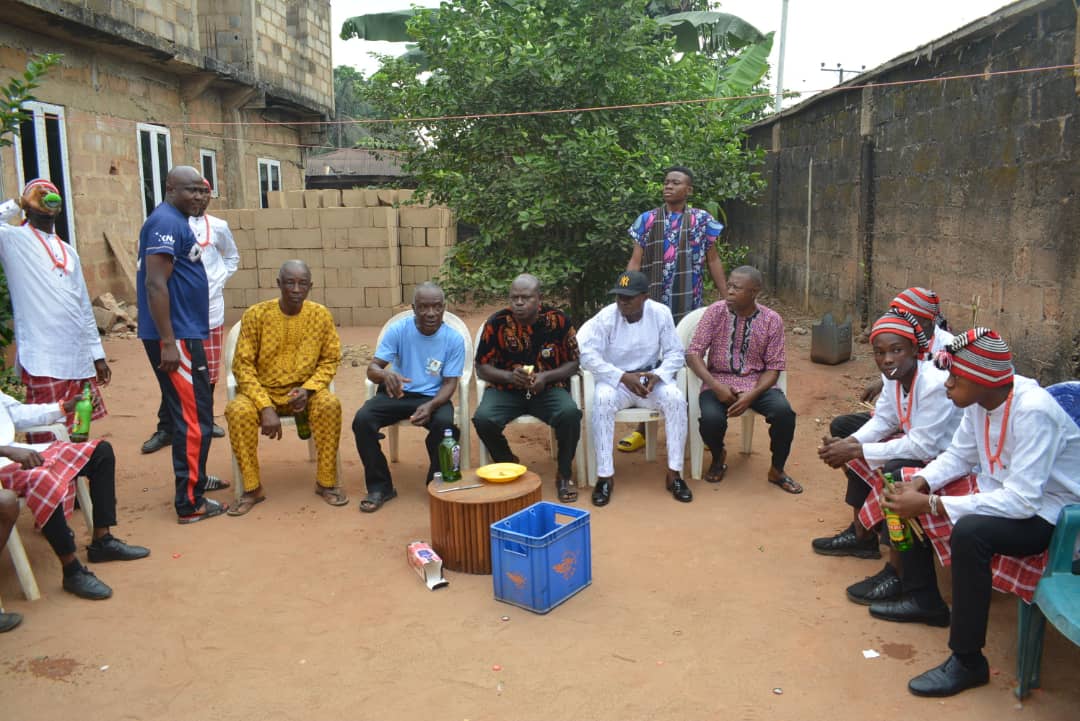
Royal burial rites in many West African kingdoms especially in the Niger Delta and among groups such as the Itsekiri, Edo, Yoruba, and Igbo demonstrate a complex interplay between Christianity and indigenous spirituality. These rites reflect a long history of cultural adaptation, political authority, and religious coexistence. In kingdoms like Warri, Benin, and Oyo, the palace is a space where ancient rituals continue to coexist with modern Christian practices. This blending is known as syncretism, a cultural and religious fusion that has shaped how monarchs are buried, mourned, and memorialised.
The written record
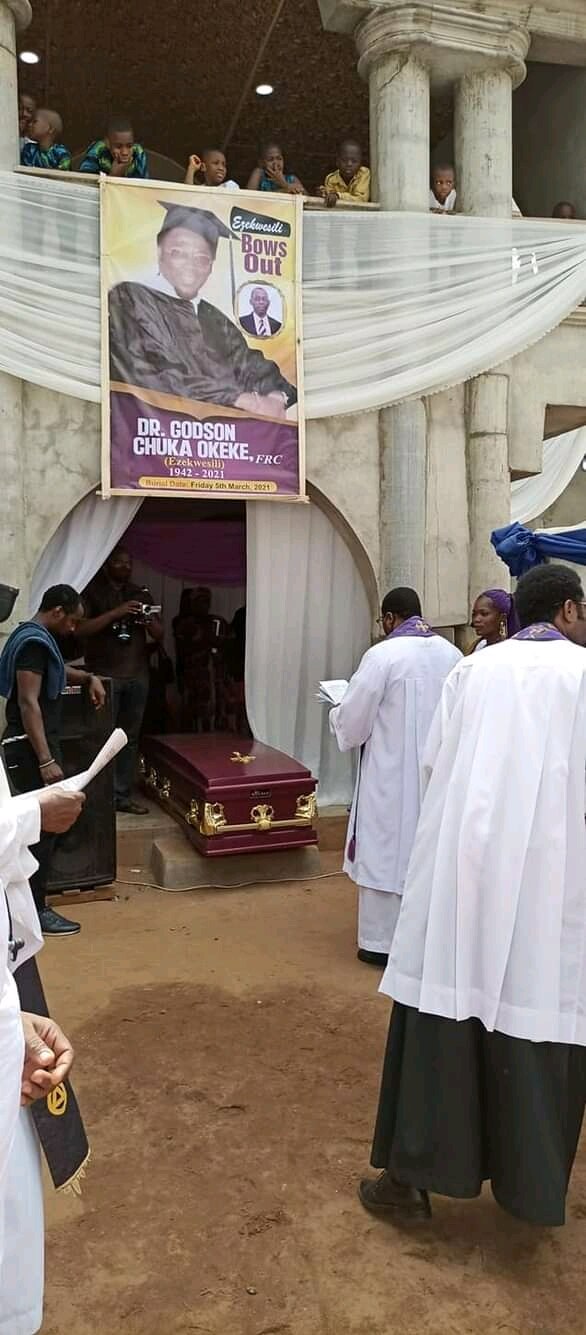
Photo credit: Obigwe001 via Wikimedia Commons
Historical context
Historical Background of Religious Syncretism in Royal Courts
- Indigenous Foundations of Kingship
Before the arrival of Christianity in Nigeria, kingship was deeply rooted in traditional religion. Monarchs were regarded as spiritual intermediaries between the physical and ancestral worlds. In the Edo and Itsekiri cultural spheres, kings were linked to deities such as Olokun, Ogun, and ancestral spirits. Ritual specialists chiefs, palace priests, and lineage heads played central roles in royal funerals, performing sacrifices and rites to ensure the monarch’s safe transition into the ancestral realm.
Christianity’s Influence on the Monarchies
In Warri Kingdom, Christianity entered the royal court of Warri as early as the 16th–17th century through Portuguese missionaries, leading to the baptism of several Olus. In other kingdoms such as those of the Yoruba and Igbo Christianity became influential in the 19th and 20th centuries through missionary expansion. As monarchs and elite families converted, Christian rites began to appear in palace ceremonies. Over time, traditional rulers adopted a hybrid model: Christian prayers coexisted with ancestral rituals. This fusion forms the backbone of modern royal funerals.
Components of Traditional Royal Burial Protocols
- Ancestral Transition and Spiritual Preparations
In traditional practice, a monarch’s burial is not simply the disposal of a body; it is the installation of an ancestor. Preparatory rites may include purification of palace grounds; invocation of ancestral spirits;
symbolic separation of the ruler’s earthly and spiritual roles; protection rituals for the kingdom.vSuch practices continue today, though often shortened or modified due to Christian influence.
- Role of Chiefs and Palace Custodians
Palace chiefs such as the Itsekiri Ojoyes or Edo Uzama conduct ceremonies involving ritual objects, ancestral staff emblems, and chants. These acts connect the deceased ruler to dynastic lineage. Scholars like O. Imoagene notes that these custodians ensure continuity between past and present by maintaining sacred traditions.
- Offerings and Symbolic Items
Traditional rites typically include offerings such as kola nuts, palm oil, cloth, or animal sacrifices. Although some Christian communities now discourage animal offerings, symbolic substitutes are increasingly used. The emphasis remains on honouring the ancestors.
Christian Elements in Contemporary Royal Burials
- Incorporation of Christian Prayers and Hymns
As monarchs and ruling families increasingly identify as Christian, palace burials have incorporated church traditions. Modern royal funerals often begin with Bible readings; hymns; prayers led by priests or pastors; eulogies emphasising the king’s moral and public legacy. These elements affirm the monarch’s Christian identity while acknowledging their sacred political role.
- Church–Palace Collaboration
In many kingdoms, Christian clergy now collaborate with palace chiefs during funeral ceremonies. The burial may include a church service sometimes held within palace grounds to honour both spiritual traditions. This dual structure reflects the monarch’s unique role as both community leader and custodian of ancestral heritage.
- Christian Ethics Over Ritual Sacrifice
Christianity’s presence has reduced or reshaped practices involving sacrifice or secret rites. Some kingdoms have replaced sacrificial rites with symbolic gestures such as lighting candles, giving alms, or performing communal prayers. Yet ancestral invocations remain a protected aspect of royal identity.
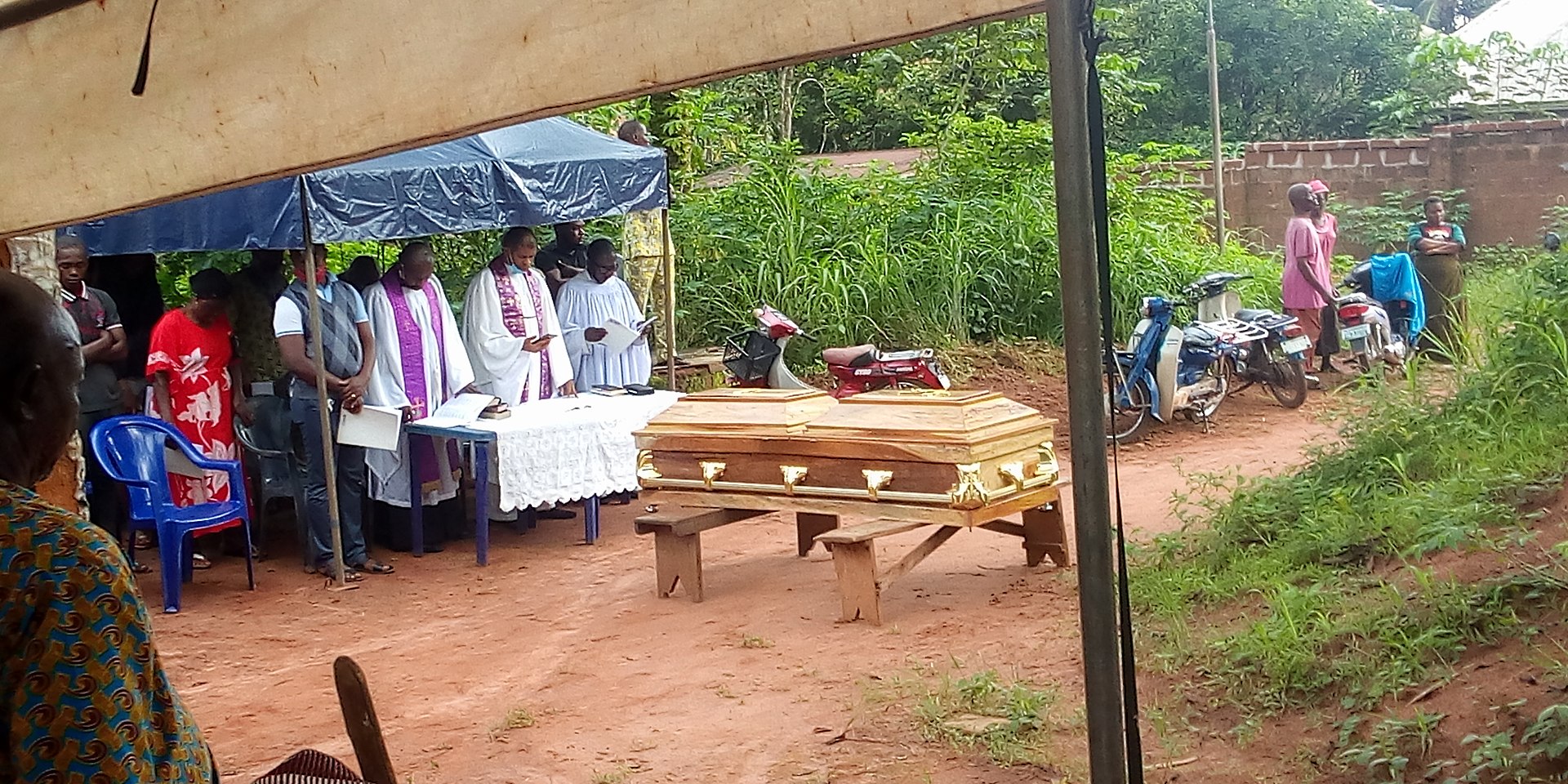
Photo credit: Timzy D’Great via Wikimedia Commons
The Palace as a Site of Syncretism
- Balancing Modern Faith and Ancient Heritage
Royal palaces serve as living museums of tradition. While many monarchs are devout Christians, they are also ceremonial guardians of customs. This dual role creates a hybrid burial system where:
Christian rites express personal faith; traditional rites uphold cultural continuity and sacred kingship.
Traditional rulers in Nigeria highlight this dual responsibility, noting that rulers act as cultural symbols even when they embrace modern religion.
- Secret and Public Rituals
Syncretism also appears in the division between what is public and what remains restricted. Public ceremonies may emphasise Christian hymns and prayers, while private palace rituals performed by chiefs handle ancestral rites not revealed to outsiders. This layered structure allows both traditions to coexist without conflict.
- Royal Authority and Spiritual Legitimacy
Traditional legitimacy is rooted in ancestral and cultural authority, while Christian legitimacy draws from moral and communal leadership. The combination strengthens the monarch’s symbolic power. As Ekeh notes, Niger Delta monarchies use ritual syncretism to bridge precolonial and contemporary identities.
Social and Cultural Importance of Syncretised Rites
- Unity in Diversity
Syncretic funerals bring together people of different religious backgrounds. Christians, traditional worshippers, and even Muslims attend palace events. The dual form prevents conflict and fosters inclusiveness.
- Preservation of Heritage
By integrating Christianity instead of replacing tradition, monarchies preserve historical rituals. The burial of a ruler becomes an opportunity to educate younger generations about ancestral customs while respecting modern faith.
- Continuity and Adaptation
Royal syncretism exemplifies how African societies adapt without losing identity. It is a model of cultural resilience, where tradition evolves instead of disappearing.
Royal burial rites in Nigeria provide a powerful example of syncretism, blending Christian prayer with ancient traditional protocols. Through this fusion, monarchies maintain their historical and spiritual significance while embracing modern beliefs. The palace thus remains a symbolic crossroads where ancestral heritage and Christian faith coexist in harmony. As modern monarchs continue to navigate their dual roles, syncretised burial rites will remain central to cultural preservation, unity, and the sacred continuity of kingship.
Sources and references
- Egharevba, J. (1968). A Short History of Benin. Ibadan University Press.
- Ekeh, P. P. (2005). Studies in Urhobo Culture. Urhobo Historical Society.
- I moagene, O. (1995). Nigerian Culture and Tradition. University of Lagos Press.
Cite this article
Discussion
Sign in to join the discussion
Comments are checked by an editor before they appear. Leave a source or a correction and it is read first.
Continue reading
Related histories
 Anthropology and EthnographyThe Demography of Biafran Slave Exports (1650–1850)Read history →
 Anthropology and EthnographyMasquerade Traditions from Igboland to the Caribbean (Jonkonnu, Mocko Jumbie)Read history →
 Anthropology and EthnographyMapping Igbo Destinations in the Americas: A Comparative AnalysisRead history →
No comments yet
Nothing has been approved on this record yet. Comments are checked by an editor before they appear, so one written now shows on this page after that check.