 Ozikoro
 Anthropology and Ethnography · Published history
The 1516 Portuguese Mission: The First Formal European Contact at Ijala

The arrival of the Portuguese delegation at Ijala in 1516 marks one of the earliest documented encounters between a European power and the Warri Kingdom (Itsekiri nation). This moment represents a critical turning point in the Niger Delta’s diplomatic, cultural, and commercial history. As noted in various historical accounts, the 1516 mission symbolized the beginning of formal diplomatic relations between the Portuguese Empire and the Itsekiri people under the reign of Olu Ginuwa’s successors, forming a foundation for centuries of interaction.
The written record
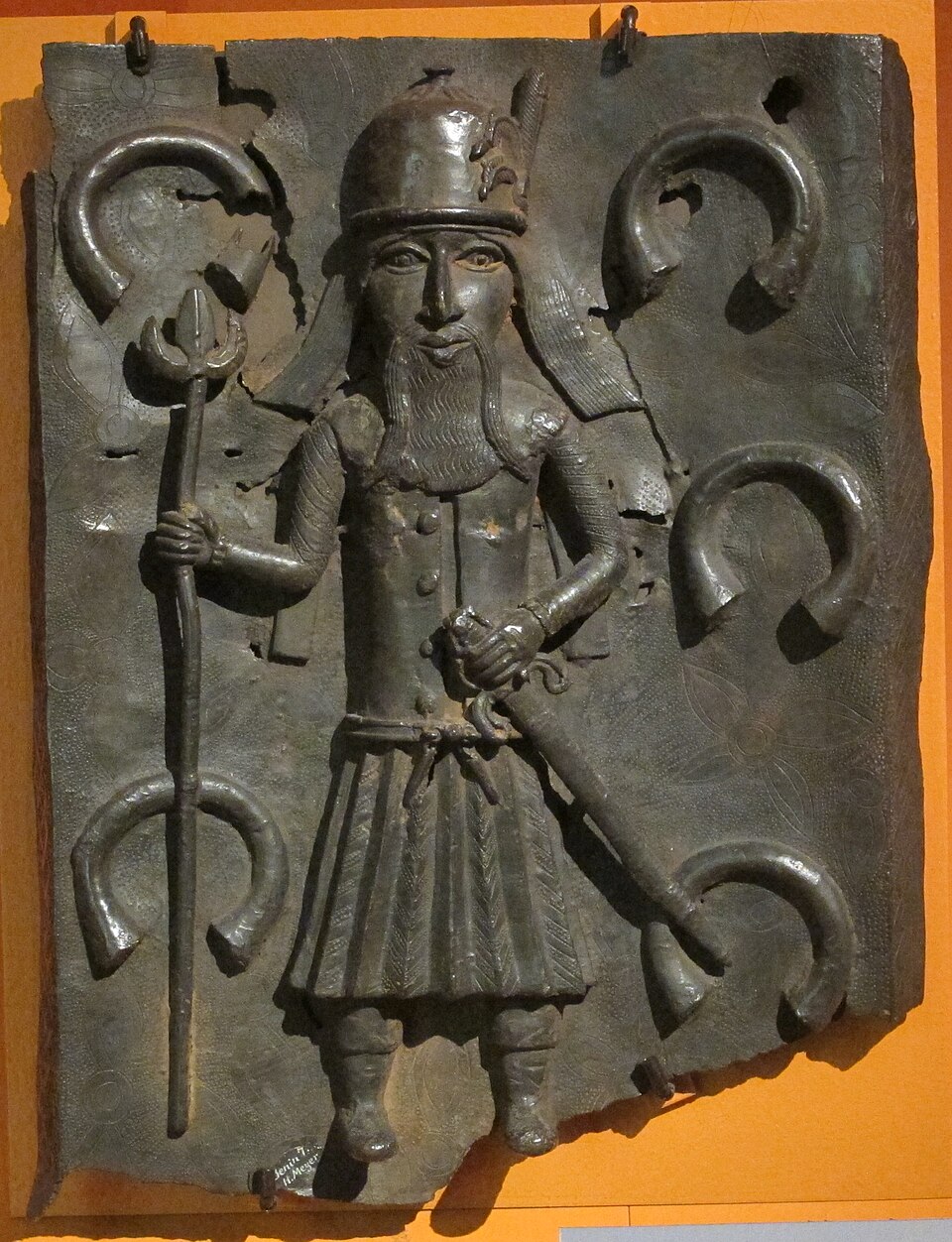
Photo credit; Sailko via Wikimedia Commons / GNU Free Documentation License.
Historical context
Historical Background
- The Niger Delta World Before European Contact
Before the arrival of Europeans, the Warri Kingdom, founded by Olu Ginuwa in the late 15th century, was already a politically organized society with strong ties to other regional powers, including the Benin Empire. The Itsekiri people developed sophisticated systems of trade, diplomacy, and governance. Their strategic location enabled them to control waterways linking the hinterland to the Atlantic coast, making them central intermediaries in regional commerce.
- Portugal’s Expansion Along the West African Coast
By the early 16th century, Portugal had established itself as the leading European maritime power. Their objectives included spreading Christianity, establishing diplomatic relations, and securing profitable trade routes. According to Ryder, Portuguese navigators ventured into the Gulf of Guinea not only for commercial purposes but also to cultivate alliances that could support long-term influence in West Africa.
Against this backdrop, the Portuguese mission to Ijala in 1516 emerged as part of a broader imperial strategy.
The 1516 Mission to Ijala
- Purpose and Composition of the Delegation
The 1516 mission was designed as a diplomatic effort to formalize contacts with the Warri Kingdom. Historical accounts indicate that the Portuguese brought emissaries, priests, translators, and merchants. The dual goals were Christian evangelism and political alliance-building. This mission ultimately laid the foundation for the Christianization of the Itsekiri elite. The delegation’s arrival at Ijala included the symbolic presentation of religious items and diplomatic gifts to the Olu, reflecting the common Portuguese practice of combining diplomacy with missionary outreach.
- The Encounter at Ijala
Ijala, a significant Itsekiri settlement, served as the point of contact due to its accessibility and political importance. The meeting was formal and ceremonial, involving an exchange of greetings, gifts, and mutual declarations of goodwill. Early Portuguese writers described the Itsekiri court as organized and dignified, with structured protocols that impressed the visitors.
A key outcome of the meeting was the acceptance of Christian emissaries by the Warri authorities, marking a unique development in Nigerian history. Unlike many other West African regions, the Itsekiri ruling class would later integrate Christian practices into the royal tradition.
- Establishing Diplomatic Ties
The Portuguese were given safe passage, hospitality, and formal recognition. This hospitality encouraged repeated visits in subsequent decades, reinforcing the perception of the Warri Kingdom as a stable and cooperative partner. The Olu’s willingness to engage in diplomatic exchanges demonstrated political foresight and openness to global systems.
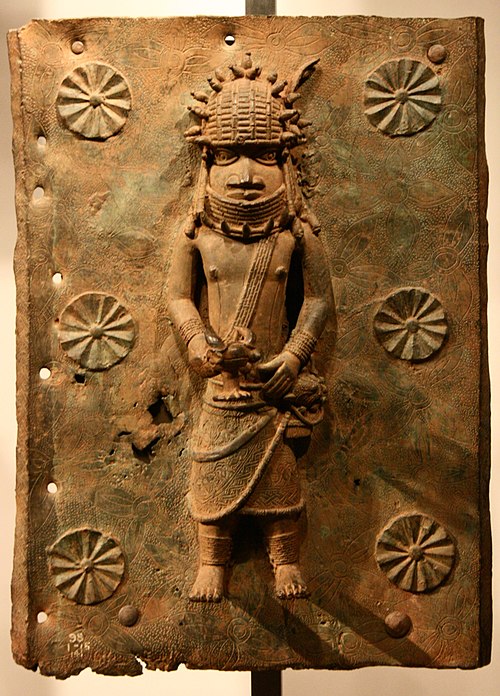
Photo credit; Wikimedia Commons / Public Domain
Early Consequences of the Portuguese Contact
- Christianity and Elite Conversion
One of the most significant outcomes was the spread of Christianity among the ruling class. The Portuguese introduced Catholicism, which eventually led to the conversion and European education of later monarchs such as Olu Atorongboye (Sebastian I) and Olu Atuwatse I (Dom Domingos). The 1516 mission was therefore foundational in shaping the Christian identity of the Itsekiri monarchy for centuries.
- Introduction of New Technologies and Material Culture
The Portuguese exposed the kingdom to new technologies, including metallurgy, shipbuilding techniques, and advanced weaponry. Items such as mirrors, rosaries, and metal utensils gradually became integrated into Warri’s aristocratic material culture. Egharevba notes that these interactions stimulated a hybrid culture blending indigenous customs with European influences.
- Economic Effects and Commercial Expansion
Itsekiri soon became powerful intermediaries in the European trade system. By controlling river routes between the inland regions and the coast, they facilitated the exchange of goods such as salt, textiles, firearms, firearms, local agricultural products, palm oil (later centuries).
The 1516 mission thus opened the door for sustained commercial engagement that enriched the Warri Kingdom and positioned it as one of the leading maritime centers in the region.
Long-Term Impact on the Warri Kingdom
- Strengthening Royal Institutions
The introduction of literacy through Portuguese missionaries empowered the Olu’s court with new administrative capabilities. Royal records, correspondence, and catechisms appeared during this era. The Warri monarchy adopted elements of European diplomatic style such as written treaties and correspondence while maintaining indigenous political frameworks.
- Enhancing the Kingdom’s Regional Influence
Through its Portuguese alliance, the Warri Kingdom became a political force within the Niger Delta. Its proximity to European trade networks gave it leverage over neighboring ethnic groups and rival states. Itsekiri developed a reputation as skilled diplomats and negotiators.
- Cultural and Religious Legacy
The integration of Christianity into the royal lineage created a distinctive Itsekiri identity within Nigeria. Unlike many other kingdoms where Christian influence declined, Itsekiri royalty maintained Christian names and practices for centuries, an enduring legacy of the first Portuguese mission.
The 1516 Portuguese mission to Ijala stands as a landmark event in the history of the Warri Kingdom and the wider Niger Delta region. It marked the beginning of sustained European contact, introduced new religious, cultural, and economic influences, and laid the foundation for a unique historical relationship that shaped the identity of the Itsekiri people. Through diplomacy, cultural exchange, and strategic cooperation, the encounter at Ijala transformed the Warri Kingdom into one of the earliest African states to establish formal ties with Europe. Its legacy endures in the monarchy’s Christian tradition, its historical narratives, and its role in West African maritime history.
Sources and references
- Egharevba, J. (1960). A short history of Benin. Ibadan University Press.
- Ryder, A. F. C. (1969). Benin and the Europeans, 1485–1897. Longmans.
- Talbot, P. A. (1926). The peoples of Southern Nigeria. Oxford University Press.
- Ughere, O. (2018). Early European contacts in the Niger Delta: A study of Itsekiri-Portuguese relations. Journal of Delta Studies, 4(1), 33–49.
Cite this article
Discussion
Sign in to join the discussion
Comments are checked by an editor before they appear. Leave a source or a correction and it is read first.
Continue reading
Related histories
 Anthropology and EthnographyThe Demography of Biafran Slave Exports (1650–1850)Read history →
 Anthropology and EthnographyMasquerade Traditions from Igboland to the Caribbean (Jonkonnu, Mocko Jumbie)Read history →
 Anthropology and EthnographyMapping Igbo Destinations in the Americas: A Comparative AnalysisRead history →
No comments yet
Nothing has been approved on this record yet. Comments are checked by an editor before they appear, so one written now shows on this page after that check.