 Ozikoro
 Anthropology and Ethnography · Published history
The 19th Century “De-Christianization”: Why the Kingdom Temporarily Reverted to Traditionalism During the Interregnum
The 19th century was a period of major political, cultural, and religious transitions across the Niger Delta. Among the most significant historical developments was a temporary “de-Christianization” within the Warri Kingdom also known as the Kingdom of Itsekiri during the long interregnum that followed the death of Olu Akengbuwa in 1848. This period, which lasted for several decades, constituted a dramatic shift away from the strong Christian presence established earlier through Portuguese influence in the 16th and 17th centuries. According to scholars, Warri Kingdom, the royal family’s earlier Christian alignment weakened as succession disputes destroyed political stability, leading to a reassertion of traditional institutions.
The written record
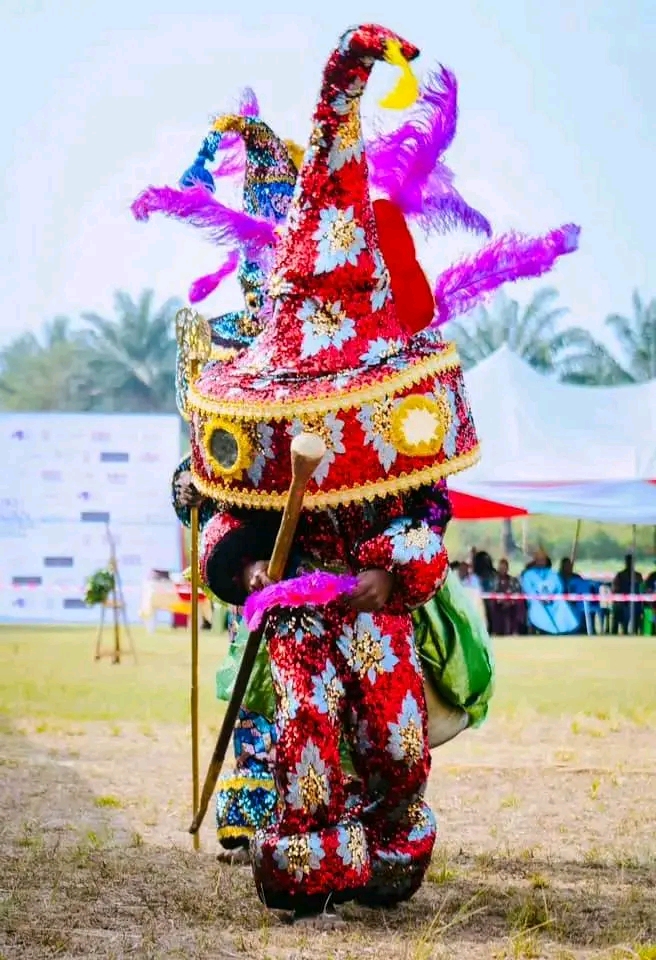
Photo credit: Orokbest1 via Wikimedia Commons.
Historical context
Historical Background
- Early Christianization and Portuguese Influence
From the 1500s onward, the Warri Kingdom maintained prolonged contact with the Portuguese. Several Olus were baptized, adopted Christian names, and established relationships with Catholic missionaries. Historical sources note that the kingdom was often described as a Christian-leaning African polity, unique for its early royal conversions. The palace adopted Christian symbols, and royal heirs were educated under missionary supervision. This set the foundation for a hybrid Itsekiri identity partly Christian, partly traditional.
- Olu Akengbuwa’s Reign and the Fragile Balance
Olu Akengbuwa (1808–1848) continued this Christian orientation while simultaneously supporting ancestral and traditional obligations. His reign created a delicate balance:
Christianity functioned as a diplomatic and elite identity;
Traditional religion maintained spiritual authority and cultural continuity.
The king’s death in 1848, however, disrupted this balance.
The Interregnum and Political Crisis
- Succession Disputes and Collapse of Central Authority
After Olu Akengbuwa’s passing, the kingdom could not immediately determine a successor. Wikipedia: Warri Kingdom emphasizes that many potential heirs died unexpectedly, creating fear and uncertainty. This succession crisis resulted in a prolonged interregnum that lasted until the crowning of Ginuwa II in 1936.
During this period without a central monarch:
royal institutions weakened;
Christian influence associated with the palace diminished;
traditional authorities, elders, and lineage chiefs reasserted control.
Without a Christian-leaning ruler, Christianity lost its royal patronage.
- Withdrawal of Missionaries and Loss of External Influence
The political instability discouraged European missionary activity. Catholic and later Protestant missions which depended on palace approval—lost access and influence. Without consistent institutional support, Christian structures in the kingdom weakened significantly. This vacuum made the resurgence of traditional culture almost inevitable.
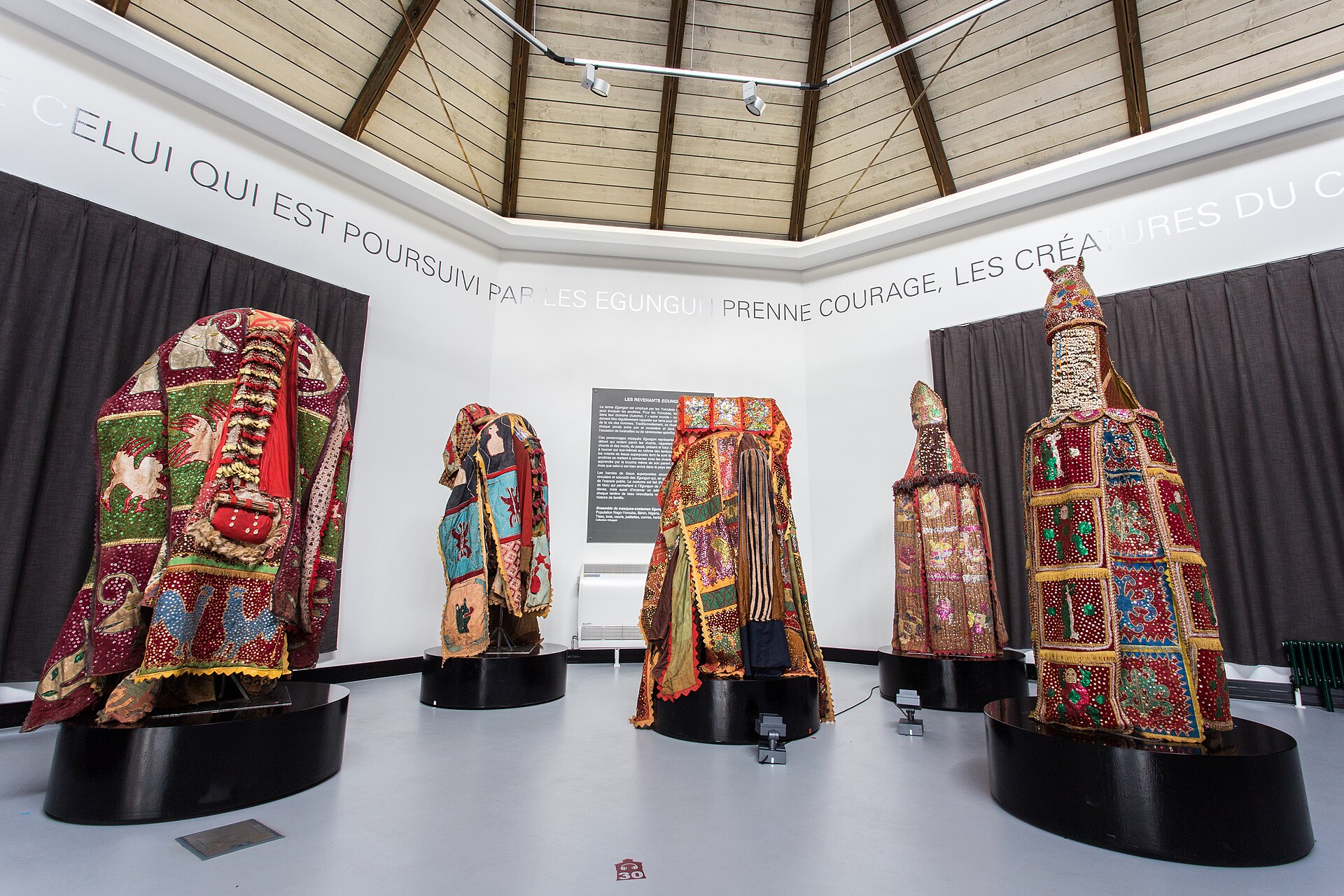
Photo credit: Michaël Wittmer via Wikimedia Commons
Factors Behind the “De-Christianization”
- Restoration of Traditional Religious Institutions
Traditionalists viewed the interregnum as an opportunity to reaffirm ancestral norms. Palace shrines, lineage priesthoods, and spiritual custodians regained prominence. Rituals connected to deities such as Umalokun, Ogun, and the ancestral spirits became central again. Christianity, which had previously been intertwined with royal authority, now lacked institutional protection.
- Social Need for Cultural Stability
Amid the uncertainty, many Itsekiri communities sought stability in long-standing customs. Traditional practices unlike Christianity were deeply embedded in:
fishing and trading rituals,
community festivals,
sacred laws,
marriage rites,
land tenure and inheritance.
Thus, reverting to indigenous spirituality served as a social stabilizer.
- Christian Identity as a Royal, Not Popular, Practice
One key reason for the temporary reversal was that Christianity in the kingdom had been:
elite-driven,
palace-centered,
politically motivated.
It had not yet become a deeply rooted mass religion. With the monarchy disorganized, the Christian identity associated with it naturally declined. This pattern mirrors other Niger Delta societies, where the king’s religion often shaped communal practice.
Cultural and Religious Expressions During the Period
- Revival of Festivals and Ancestral Rituals
Major traditional festivals experienced renewed strength during the interregnum. Seasonal rituals tied to rivers, land, and ancestors regained visibility. The lack of monarchal oversight allowed spiritual guilds to express themselves fully.
- Re-emergence of Priesthoods and Custodians of Tradition
Priestly families and ritual specialists previously overshadowed by missionary presence became central again. Their authority in rites of purification, thanksgiving, and conflict resolution shaped community life. They served as cultural anchors at a time when political authority had broken down.
- Decline of Christian Marriage, Naming, and Funeral Ceremonies
With fewer priests and reduced missionary activity, many Christian social rituals fell out of use. Traditional birth rituals, ancestral funeral rites, and indigenous forms of marriage (including bridewealth protocols and libation ceremonies) became dominant again.
Long-Term Effects and the Return of Christianity
- Reestablishment of Christianity in the Late 19th and Early 20th Centuries
Christianity began to reassert itself later in the 19th century due to:
the arrival of new Protestant missions;
British colonial expansion;
increasing Itsekiri engagement with European trade;
conversion by influential merchant families.
This gradual re-Christianization laid the groundwork for the eventual enthronement of Ginuwa II in 1936, who solidified Christianity’s place within the monarchy while retaining respect for ancestral tradition.
- Permanent Syncretism
Even after Christianity returned, the kingdom never abandoned its traditional identities. Instead, a syncretic dual identity emerged:
the palace adopted Christian prayers and rituals;
indigenous rites remained essential to kingship and cultural heritage.
This synthesis continues today, shaping burial rites, festivals, and palace ceremonies.
The 19th-century “de-Christianization” of the Warri Kingdom was not a rejection of Christianity but a consequence of political instability, the absence of a monarch, and the withdrawal of missionary influence. With the palace Christianity’s strongest institutional base destabilized, traditional systems regained their authority. The interregnum offered a space for cultural reaffirmation and the re-emergence of ancestral spirituality. When political order eventually returned in the 20th century, Christianity re-established itself, but this time within a more stable balance between tradition and modernity. The legacy of this period is a uniquely syncretic religious identity that remains central to Itsekiri cultural life.
Sources and references
- Alagoa, E. J. (1999). The History of the Niger Delta. Port Harcourt: Onyoma Research Publications.
- Ayandele, E. A. (1966). The Missionary Impact on Modern Nigeria 1842–191 4. Longman.
- Horton, R. (1975). African Religion in Transformation. Cambridge University Press.
Cite this article
Discussion
Sign in to join the discussion
Comments are checked by an editor before they appear. Leave a source or a correction and it is read first.
Continue reading
Related histories
 Anthropology and EthnographyThe Demography of Biafran Slave Exports (1650–1850)Read history →
 Anthropology and EthnographyMasquerade Traditions from Igboland to the Caribbean (Jonkonnu, Mocko Jumbie)Read history →
 Anthropology and EthnographyMapping Igbo Destinations in the Americas: A Comparative AnalysisRead history →
No comments yet
Nothing has been approved on this record yet. Comments are checked by an editor before they appear, so one written now shows on this page after that check.