 Ozikoro
 Anthropology and Ethnography · Published history
The Ancestral Chairs: Oche Ndichie and Oche Ekpenti
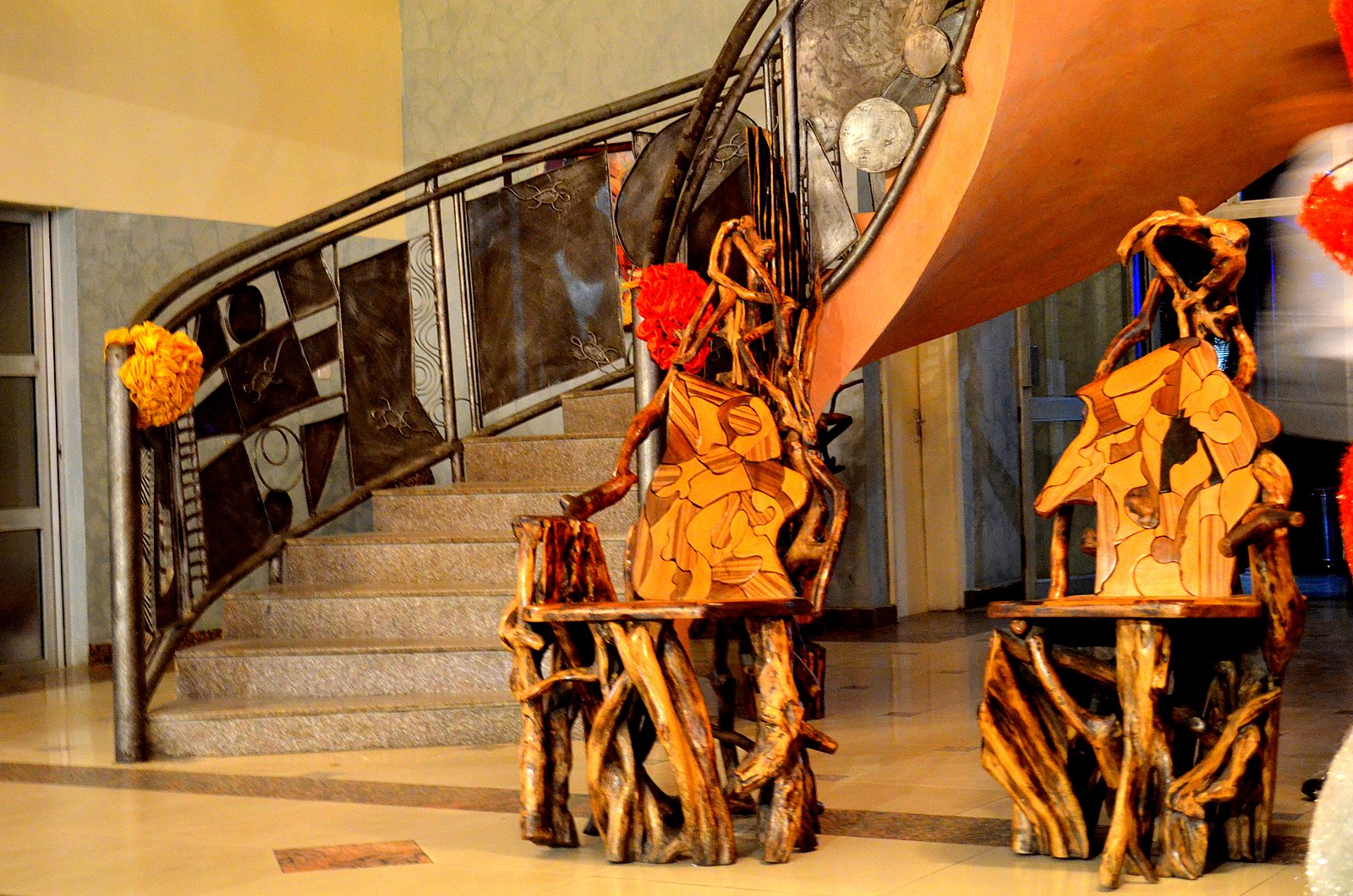
Throughout Igbo cultural history, carved wooden chairs have served not merely as furniture but as deeply symbolic objects connected to authority, memory, spirituality, and lineage. Among the most important of these are the Oche Ndichie and the Oche Ekpenti, both of which embody the Igbo philosophy of honoring ancestors, upholding tradition, and preserving social hierarchy. These carved seats, often produced by highly skilled artisans including members of specialized carving guilds, play roles in ritual life, judicial proceedings, and the transmission of historical authority. Their presence reminds the community of continuity, legitimacy, and the lasting influence of ancestral figures.
The written record
Historical context
Origins and Cultural Significance of Oche Ndichie
The term “Oche Ndichie” translates to “Chair of the Elders.” Traditionally, this carved wooden chair is used by titled elders, lineage heads, and individuals who have achieved distinguished statuses, such as the Nze and Ozo titleholders. The symbolism behind the chair lies in the belief that elders act as living bridges between the living community and the ancestors. When an elder sits upon the Oche Ndichie, he assumes not only physical elevation but also spiritual authority.
Historically, the Oche Ndichie appeared in formal council meetings, ancestral feasts, community rituals, and judicial gatherings. The chair is often intricately carved, featuring motifs representing wisdom, unity, fertility, or ancestral presence. These motifs reflect the Igbo worldview, in which visual aesthetics serve as encoded philosophies. Much like other Igbo ritual objects such as the Ofo or Okpukpu the Oche Ndichie functions as an instrument of legitimacy. Sitting on it legitimizes decisions, pronouncements, or blessings.
Design and Craftsmanship of the Oche Ndichie
Igbo carvers traditionally used hardwoods such as iroko or mahogany for chairs intended to last generations. The Oche Ndichie often has a high backrest, curved armrests, and geometric carvings that denote rank. The designs sometimes include “Uli-style” patterns or motifs borrowed from the Nsibidi symbolic system associated with southeastern secret societies. According to ethnographic records and museum collections, these chairs were both artistic and functional, representing the highest level of craftsmanship within Igbo woodworking traditions.
Igbo carving guilds, known for their sophistication, trained specialists in techniques of smoothing, chiseling, ornamentation, and symbolic representation. These guilds including families or lineages dedicated to carving ensured that objects such as Oche Ndichie conformed to spiritual and aesthetic standards. As noted in art-historical literature, woodcarving in Igboland was not only a profession but a sacred duty passed down generations.
The Oche Ekpenti: Origins and Function
The Oche Ekpenti is another ancestral chair, but it differs from the Oche Ndichie in both structure and cultural application. The Oche Ekpenti is usually a low stool with three or four short legs, carved from a single block of wood. While it may appear simple, it carries heavy symbolic weight. Traditionally, the Oche Ekpenti was associated with ancestors and spiritual consultations. It was used by diviners, priests, and sometimes lineage elders conducting ritual acts.
The name “Ekpenti” refers to its distinctive low and steady form, symbolizing humility, stability, and closeness to the earth. In Igbo cosmology, the earth (Ala) is a sacred force, mother of morality and custodian of ancestral resting places. Sitting low to the ground while performing spiritual functions suggests communion with ancestral spirits and submission to the laws of Ala.
Symbolism of the Oche Ekpenti
Unlike the more politically charged Oche Ndichie, the Oche Ekpenti carries religious symbolism. It appears in shrines, divination spaces, and ritual enclosures. Priests use it during consultations with ancestral spirits or deities. Its small size and grounded form symbolize stability, control, and clarity. In some communities, Oche Ekpenti was believed to hold spiritual “witnessing power” meaning that statements made while sitting on it carried divine accountability.
Ethnographers have recorded that women priests (Omu or Agan-asato) also used Oche Ekpenti when officiating rituals, showing that the chair transcended strict gender limits and was more aligned with spiritual function than political order. Museums in Nigeria, the United States, and Europe preserve examples of these stools, highlighting their artistic and cultural importance.
Carving Techniques and Guild Influence
Just like other prestigious Igbo wooden artifacts, the Oche Ndichie and Oche Ekpenti were made by master carvers affiliated with professional guilds. These artisans were specialists trained through long apprenticeships. Their work required not only technical skill but also spiritual sensitivity, since carving ancestral objects often involved rituals of permission, purification, and consecration.
Guilds such as those in Awka, Agulu, or Orlu regions were especially renowned for producing high-quality ritual objects. These artisans inherited secret knowledge of wood selection, preservation, and the symbolic meanings embedded in visual motifs. Carvers also collaborated with blacksmiths who produced metal tools, adzes, chisels, knives used to achieve fine detail. This partnership between craftsmanship and ritual knowledge reflects the holistic nature of Igbo artistic production.
Role of the Ancestral Chairs in Social Structure
Beyond artistic qualities, ancestral chairs reinforce Igbo social values. The Oche Ndichie signifies hierarchy, authority, and political power. The Oche Ekpenti signifies spiritual grounding, ancestral dialogue, and ritual purity. Together, they illustrate the dual pillars of Igbo society: governance by elders (ndichie) and guidance by spirits (ndichie mmuo).
The chairs appear in ceremonies marking adulthood, funerals of titled men, installation of chiefs, and settlement of disputes. Their use links the past to the present, and symbolizes the legitimacy of decisions reached through tradition. Because they are passed down generations, these chairs also function as heirlooms, connecting living descendants with ancestral founders.
The Oche Ndichie and Oche Ekpenti remain vital symbols in Igbo history and cultural identity. Beyond their uses as seats, these chairs embody philosophy, authority, spirituality, and artistic mastery. They demonstrate the importance of ancestral continuity, the value placed on craftsmanship, and the connections between political leadership and ritual legitimacy. As cultural artifacts, they preserve Igbo memory and reflect deeper worldviews about humanity’s relationship with ancestors, community life, and the sacred.
Sources and references
- Cole, H. M., & Aniakor, C. C. (1984). Igbo arts: Community and cosmos. Museum of Cultural History, University of California.
- Jeffreys, M. D. W. (1953). The Igbo people and their culture. Africa, 23(3), 195–212.
- Nwoko, K. C. (2010). Traditional authority and community leadership in Igboland. African Study Review, 52(2), 45–66.
- Wikipedia. (2024). Igbo culture.
- Wikipedia. (2024). Igbo people.
- Wikipedia. (2024). African traditional furniture.
Cite this article
Discussion
Sign in to join the discussion
Comments are checked by an editor before they appear. Leave a source or a correction and it is read first.
Continue reading
Related histories
 Anthropology and EthnographyThe Demography of Biafran Slave Exports (1650–1850)Read history →
 Anthropology and EthnographyMasquerade Traditions from Igboland to the Caribbean (Jonkonnu, Mocko Jumbie)Read history →
 Anthropology and EthnographyMapping Igbo Destinations in the Americas: A Comparative AnalysisRead history →
No comments yet
Nothing has been approved on this record yet. Comments are checked by an editor before they appear, so one written now shows on this page after that check.