 Ozikoro
Anthropology and Ethnography · Published history
The Aro Expedition of 1901–1902: When the British Stormed the Spirit World
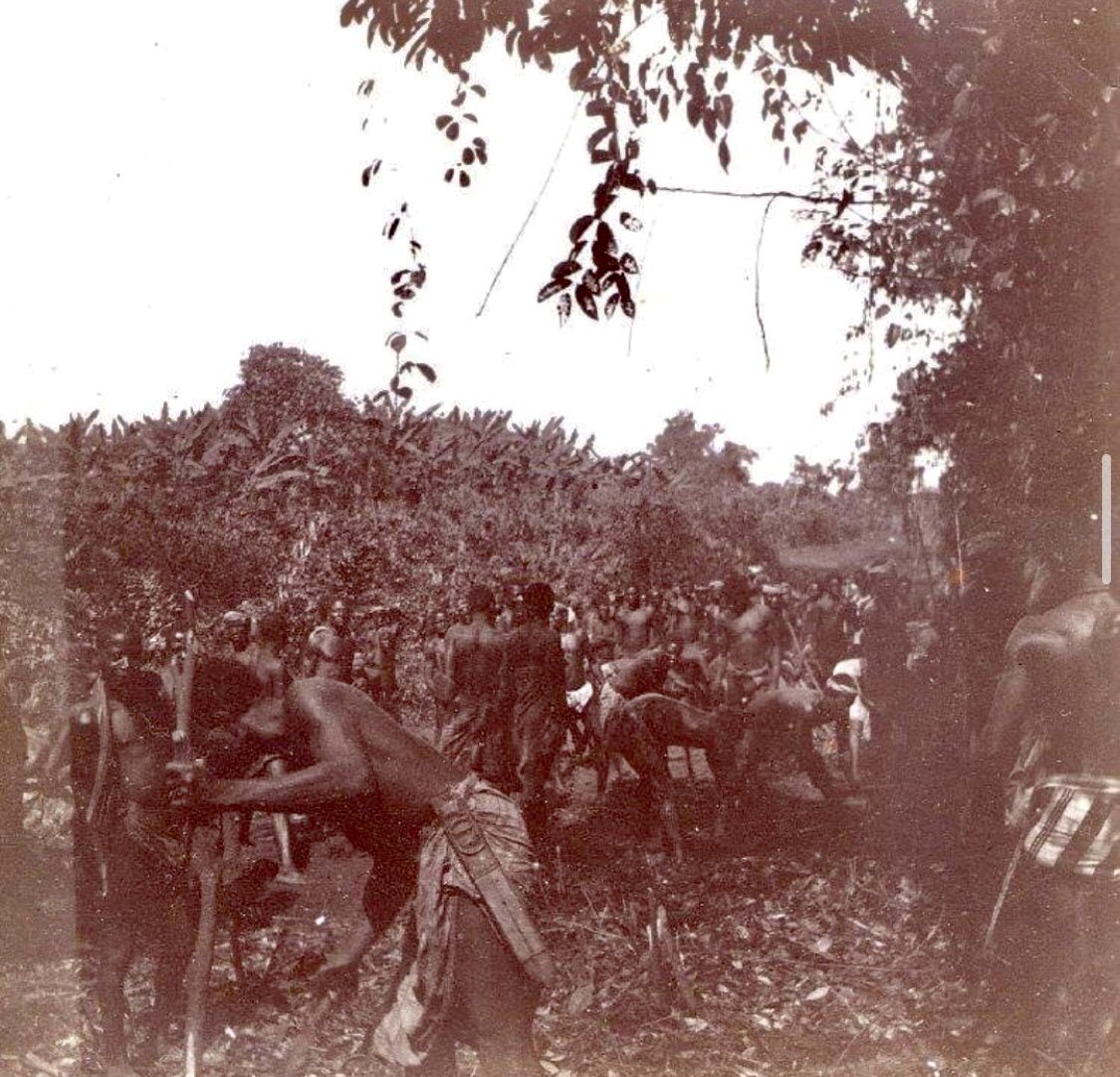
When the cock crowed in the early dawn of 1901, the forest around Arochukwu did not echo with the songs of birds, it murmured with the uneasy sound of marching boots. For generations, the Aro people had walked the ancient paths with pride, guided by the sacred oracle of Ibini Ukpabi, whose voice spoke like thunder in the cave. But now, another thunder was coming, the thunder of British rifles and artillery.
The written record
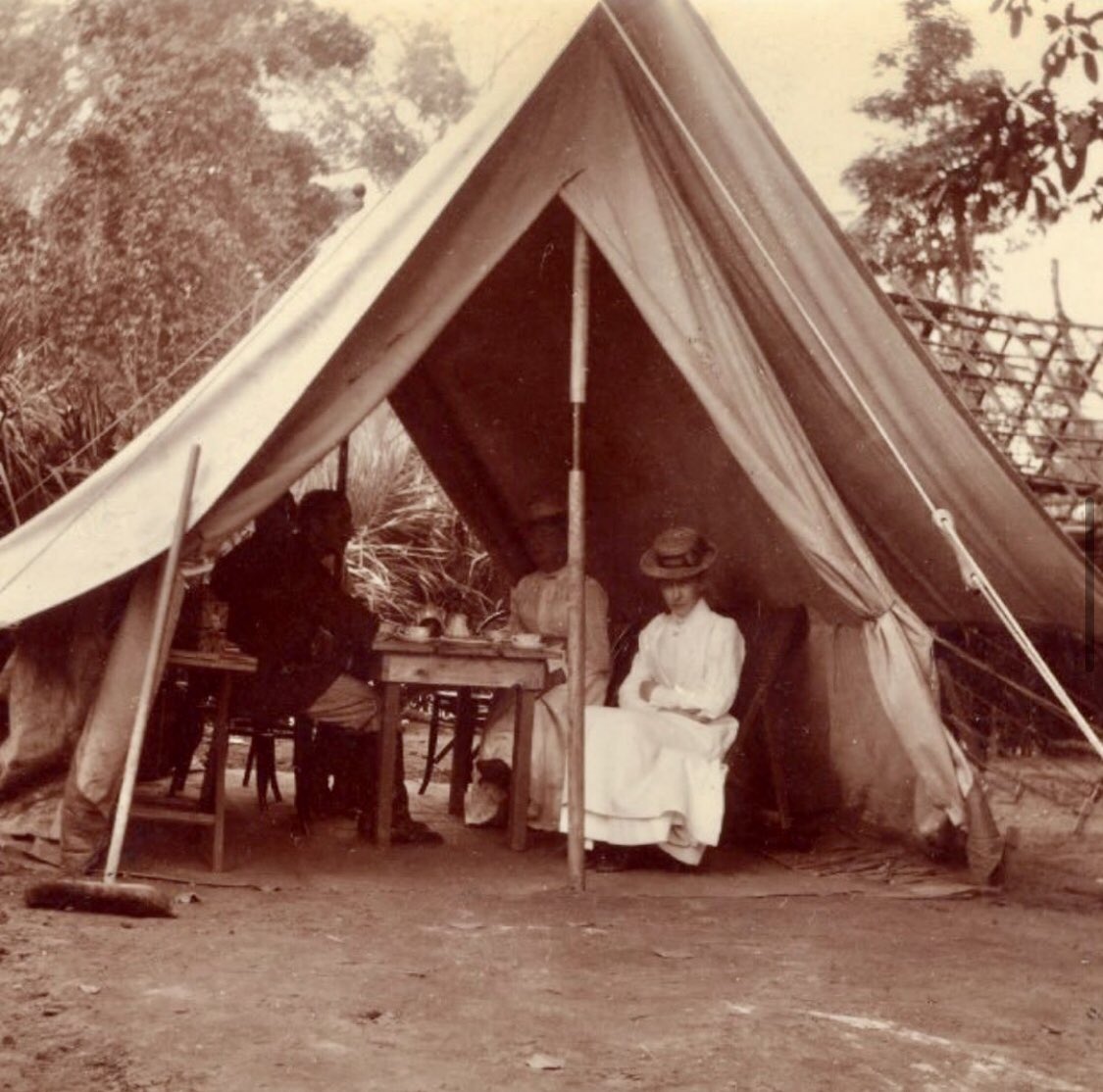
The people said the ancestors stirred in their graves that morning, for the white men were not merely coming for land, they were coming for the gods themselves.
Historical context
The Land of Spirits and Kings
E jiri mara eze bụ omume(A king is known by his deeds). Before the guns came, Arochukwu was the beating heart of Igboland not by sword or crown, but by the spirit. Through trade, kinship, and the oracle of Ibini Ukpabi, the Aro Confederacy stretched its influence from the Cross River to the Niger.
The Aro were merchants, priests, and diplomats. Their caravans carried ivory, palm oil, and sometimes slaves, though they swore by the oracle’s name that justice guided their dealings. To many, Arochukwu was both court and cathedral, where the invisible world decided the fate of the visible.
But to the British, Arochukwu was a mystery wrapped in fear, a place where “heathen power” challenged the Queen’s authority. In their eyes, the oracle had to fall for the empire to stand.
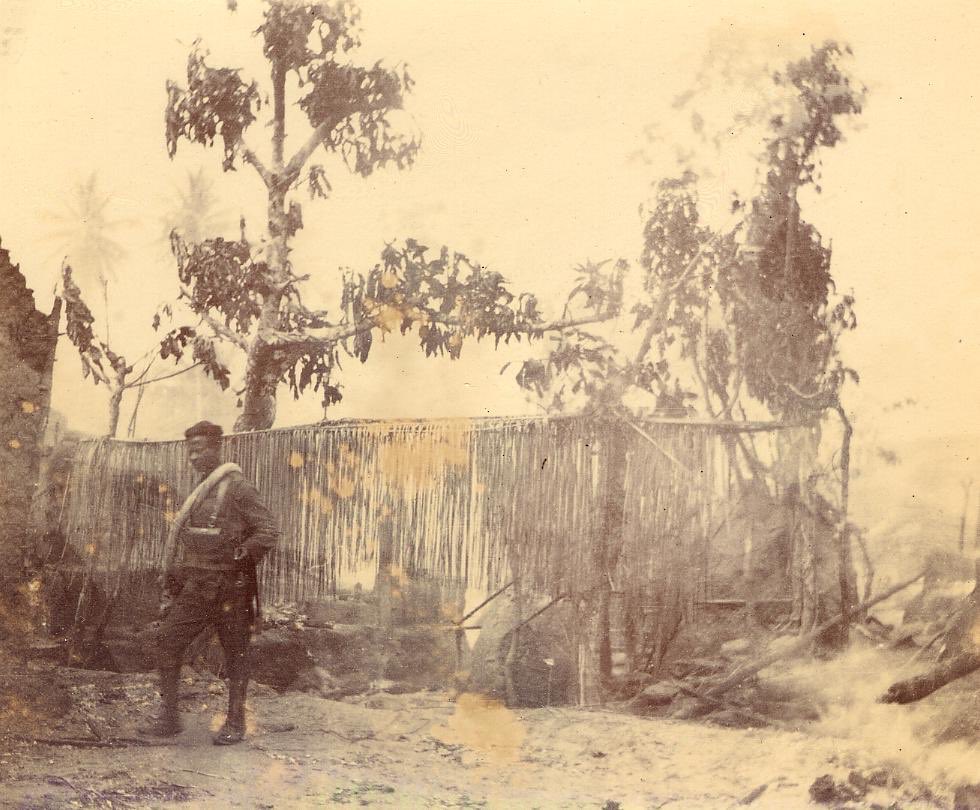
The Spark that Lit the War
The expedition did not begin from nowhere. Tensions had brewed for years. British traders accused the Aro of controlling the hinterland markets and using the oracle’s name to instill fear. Missionaries spoke of “human sacrifices” and “pagan darkness.”
In late 1901, the British colonial officers in Calabar declared that Arochukwu must be “opened to civilization.” They launched what they called the Aro Punitive Expedition, a campaign to “liberate” the people but in truth, to break their spirit and control their trade routes.
Four columns of soldiers(from Oguta, Unwana, Itu, and Obegu), converged on the sacred city. The war that followed was not just one of bullets; it was a spiritual collision, where the British sought to prove their God stronger than the gods of the land.
Onye fee Eze, Eze eruo ya.(He who serves the king will meet the king).Those who challenge power must be ready to face it.
The Fall of the Oracle
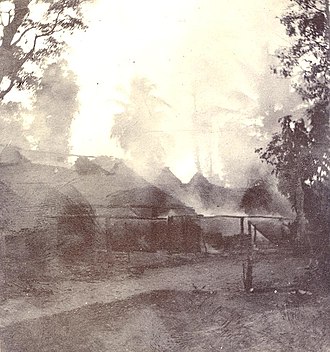
The battle for Arochukwu lasted weeks. The air smelled of iron and smoke. The Aro warriors fought with valor, armed with machetes, charms, and the belief that Ibini Ukpabi would protect them. But the machine gun spoke louder than any incantation.
By early 1902, the British broke through. The Eze Aro’s palace fell. The sacred grove was trampled. The oracle cave, once the echo of justice was dynamited and sealed. For the first time in living memory, the sacred path to the spirit world was silenced. The Aro Confederacy, which had stood for centuries, was crushed under the boots of empire.
The Aftermath(When the Silence Spoke)
When the smoke cleared, the British established warrant chiefs to replace the traditional councils. Missionaries built churches near the ruins of shrines, calling it “the dawn of light.”
But among the elders, the silence of Ibini Ukpabi was a wound that did not heal. Some whispered that the spirit had gone underground, waiting for the day the people would remember. Others said it had followed the river to the land of ancestors.
Yet even in defeat, the Aro people did not vanish. They adapted trading, teaching, and rebuilding. From the ruins of their spiritual kingdom rose a generation that would later lead in commerce, education, and politics across southeastern Nigeria
Agụ anaghị agba oso n’efu(The leopard does not run without cause). Great movements have great reasons
Legacy of the Aro Resistance
Though the oracle fell, the spirit of the Aro did not. Their courage echoed across Igboland, a warning to empires that the human soul cannot be conquered by gunpowder.
Today, when the winds move through the ancient gorge of Arochukwu, the people say you can still hear the echo of Ibini Ukpabi not crying, but whispering: Ị bụ nwa Chukwu; cheta onwe gị (“You are a child of God; remember who you are).
The Aro Expedition was more than a battle; it was the meeting of two worlds and the beginning of a new era for the Igbo nation.
Sources and references
- Okoro, I. A. (2020). A critical study on the Ibini Ukpabi (Arochukwu Long Juju) Oracle and its implications on international relations during the 20th century. London Journal of Research in Humanities and Social Sciences, 20(10), 1–12. https://creativecommons.org/licenses/by-nc/4.0/
- Afigbo, A. E. (1972). The Aro Expedition of 1901–1902: A study in British colonial conquest. Enugu: Fourth Dimension.
- Kalu, O. U. (1978). Presbyterians and the Aro Expedition in The Nigerian Story. Ibadan: Daystar Press.
Cite this article
Discussion
Sign in to join the discussion
Comments are checked by an editor before they appear. Leave a source or a correction and it is read first.
Continue reading
Related histories
 Anthropology and EthnographyThe Demography of Biafran Slave Exports (1650–1850)Read history →
 Anthropology and EthnographyMasquerade Traditions from Igboland to the Caribbean (Jonkonnu, Mocko Jumbie)Read history →
 Anthropology and EthnographyMapping Igbo Destinations in the Americas: A Comparative AnalysisRead history →
No comments yet
Nothing has been approved on this record yet. Comments are checked by an editor before they appear, so one written now shows on this page after that check.