 Ozikoro
Anthropology and Ethnography · Published history
The Atlantic Trade Network: Kalabari as a Commercial Gatekeeper of the Eastern Delta

The Niger Delta emerged as one of West Africa’s most dynamic commercial regions during the Atlantic trade era, and among its coastal polities, the Kalabari Kingdom distinguished itself as a dominant maritime power. Situated strategically along the creeks and waterways of the eastern Delta, Kalabari developed into a thriving hub of long-distance trade, diplomacy, and maritime entrepreneurship.
The written record
Historical context
Geographical Foundations of Kalabari Commercial Power
The Kalabari people, an Ijaw-speaking nation, settled along the swampy islands and creek networks of the eastern Niger Delta. This terrain provided natural protection from inland warfare and allowed them to build a powerful maritime economy. Their location enabled them to:
Control routes connecting European ships to the interior,
Maneuver swiftly through creeks using canoes,
Established multiple settlements such as Elem Kalabari, Bakana, and Tombia.
The geography functioned as both a shield and a corridor, protecting the kingdom from invasion while granting access to commercial opportunities.
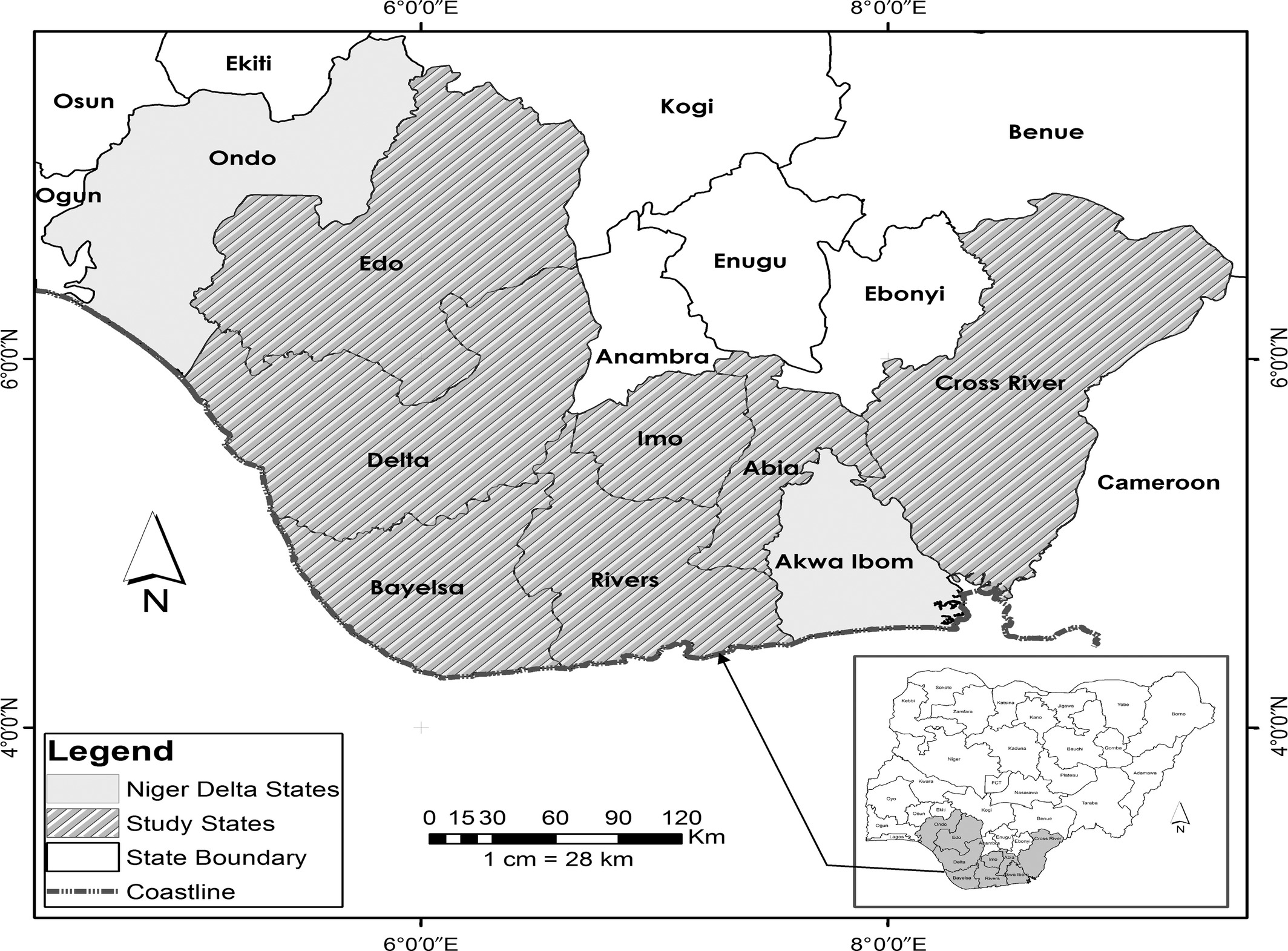
Photo credit; Research Gates.
The Rise of Kalabari as a Maritime Trading State
The Kalabari community was originally a fishing and trading settlement, but by the seventeenth century, it began expanding its trading networks to include major inland markets. These markets supplied commodities such as palm oil, slaves, ivory, and fish, which were highly sought-after by European merchants.
With the arrival of the Portuguese, Dutch, and later the British, Kalabari adapted quickly. The kingdom increasingly served as a middleman power, purchasing goods from inland groups especially Igbo, Ogoni, and other Ijaw, and reselling them to Europeans.
Kalabari’s political system, rooted in a complex network of War Canoe Houses, allowed it to coordinate large-scale trading activities and negotiate with foreign merchants as a unified entity.
The War Canoe House System as an Economic Engine
Kalabari’s unique War Canoe House (wari) system was central to its success in the Atlantic Trade Network. Each house operated as a maritime corporation with:
A central leadership (a chief or head)
A navy of large war canoes
A workforce made up of freeborns, clients, and dependents
Trading networks that stretched inland and across the creeks.
Economic Significance
These houses financed long-distance trade expeditions, protected trade routes from piracy, and served as military units in times of conflict. The wari system created a competitive yet cooperative commercial environment that strengthened the kingdom’s overall economic influence.
Houses also formed alliances or rivalries to gain advantage over trade routes. This internal dynamism ensured that Kalabari remained adaptable, resilient, and economically vibrant.
Kalabari traders were experts in inland navigation. They traveled deep into the Delta and the lower Niger valley, purchasing goods from: Igbo markets such as Ahoada, Ndoni, and Obigbo, Ogoni settlements and other Ijaw communities.
The kingdom controlled the flow of goods from these regions to European ships anchored offshore. This allowed them to determine:
Which commodities reached the Europeans
Prices and bargaining terms
Trading sequences and schedules.
To maintain their role as gatekeepers, Kalabari merchants negotiated treaties, peace accords, and trading privileges with inland communities. Their diplomacy was essential in reducing conflict and ensuring stable commercial relationships.
European traders relied heavily on Kalabari’s navigation skills and knowledge of inland markets. Europeans remained confined to coastal waters or factories, while Kalabari acted as intermediaries who brought goods to them.
The predominant commodities included: Slaves (before abolition), Palm oil, which later became the leading export, Ivory, fish, textiles, and salt. Kalabari regulated prices and quantities, ensuring that foreign merchants could not bypass their authority.
Trade agreements often involved complex negotiations, in which the Amanyanabo (king) and major War Canoe House chiefs participated. These negotiations shaped the balance of power between Kalabari and European agents.
Conflict and Competition in the Eastern Delta
As their commercial influence grew, Kalabari entered into several conflicts with neighboring Delta states: Bonny, Okrika and Nembe.
These conflicts were usually driven by competition for trade routes and control of markets.
The protracted war between Bonny and Kalabari in the nineteenth century is one of the most significant conflicts in Delta history. It shaped political alliances and forced the relocation of Kalabari settlements. Despite these challenges, the kingdom remained a formidable trading state.
With the abolition of the transatlantic slave trade in the early nineteenth century, Kalabari successfully shifted to “legitimate trade”, particularly palm oil. Their adaptability allowed them to remain central to the regional economy as global demands changed.
Kalabari traders expanded inland networks to obtain palm oil, which became the new basis of wealth and diplomatic power. War Canoe Houses grew even stronger during this period, transforming the kingdom into a major exporter during the industrial revolution.
By the late nineteenth century, British colonial intervention began undermining Kalabari’s influence. The imposition of direct colonial rule, “gunboat diplomacy,” and the establishment of British courts disrupted traditional trade patterns. The colonial policies dismantled the ability of middleman states to control trade routes. European merchants increasingly bypassed indigenous intermediaries, reducing the economic authority of Kalabari chiefs and the Amanyanabo.
Despite this decline, Kalabari remains a symbol of Ijaw resilience and maritime heritage.
Kalabari’s role as a commercial gatekeeper in the Atlantic Trade Network was shaped by its geography, innovative War Canoe House system, diplomatic skill, and maritime expertise. The kingdom’s strategic location allowed it to regulate European trade and manage complex inland networks, making it one of the most influential trading states in the eastern Niger Delta. Although colonial rule eventually altered the system, the legacy of Kalabari commercial dominance remains central to the history of Atlantic Africa and Niger Delta civilization.
Sources and references
- Alagoa, E. J. (2005). A history of the Niger Delta: An historical interpretation of Ijo oral tradition. Port Harcourt: Onyoma Research Publications.
- Dike, K. O. (1956). Trade and politics in the Niger Delta, 1830–1885. Oxford University Press.
- Horton, R. (1969). “From fishing village to city-state: A social history of Nembe.” Journal of the Historical Society of Nigeria, 5(4), 515–541.
- Jones, G. I. (1963). The trading states of the Oil Rivers. London: Oxford University Press.
- Peel, J. D. Y. (1995). Religious encounter and the making of the Yoruba. Indiana University Press. (For comparative Atlantic context.)
Cite this article
Discussion
Sign in to join the discussion
Comments are checked by an editor before they appear. Leave a source or a correction and it is read first.
Continue reading
Related histories
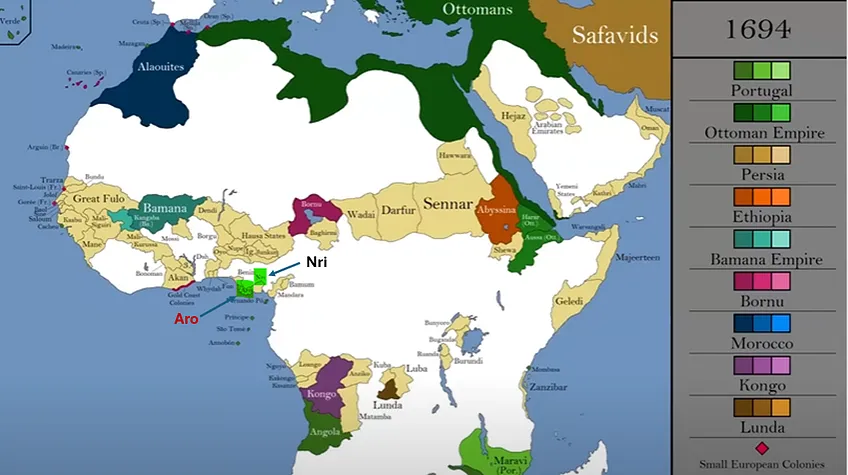 Anthropology and EthnographyThe Demography of Biafran Slave Exports (1650–1850)Read history →
 Anthropology and EthnographyMasquerade Traditions from Igboland to the Caribbean (Jonkonnu, Mocko Jumbie)Read history →
 Anthropology and EthnographyMapping Igbo Destinations in the Americas: A Comparative AnalysisRead history →
No comments yet
Nothing has been approved on this record yet. Comments are checked by an editor before they appear, so one written now shows on this page after that check.