 Ozikoro
 Anthropology and Ethnography · Published history
The Augustinian Missionaries: Their 16th-Century Efforts to Establish a Christian “City-State” in the Delta
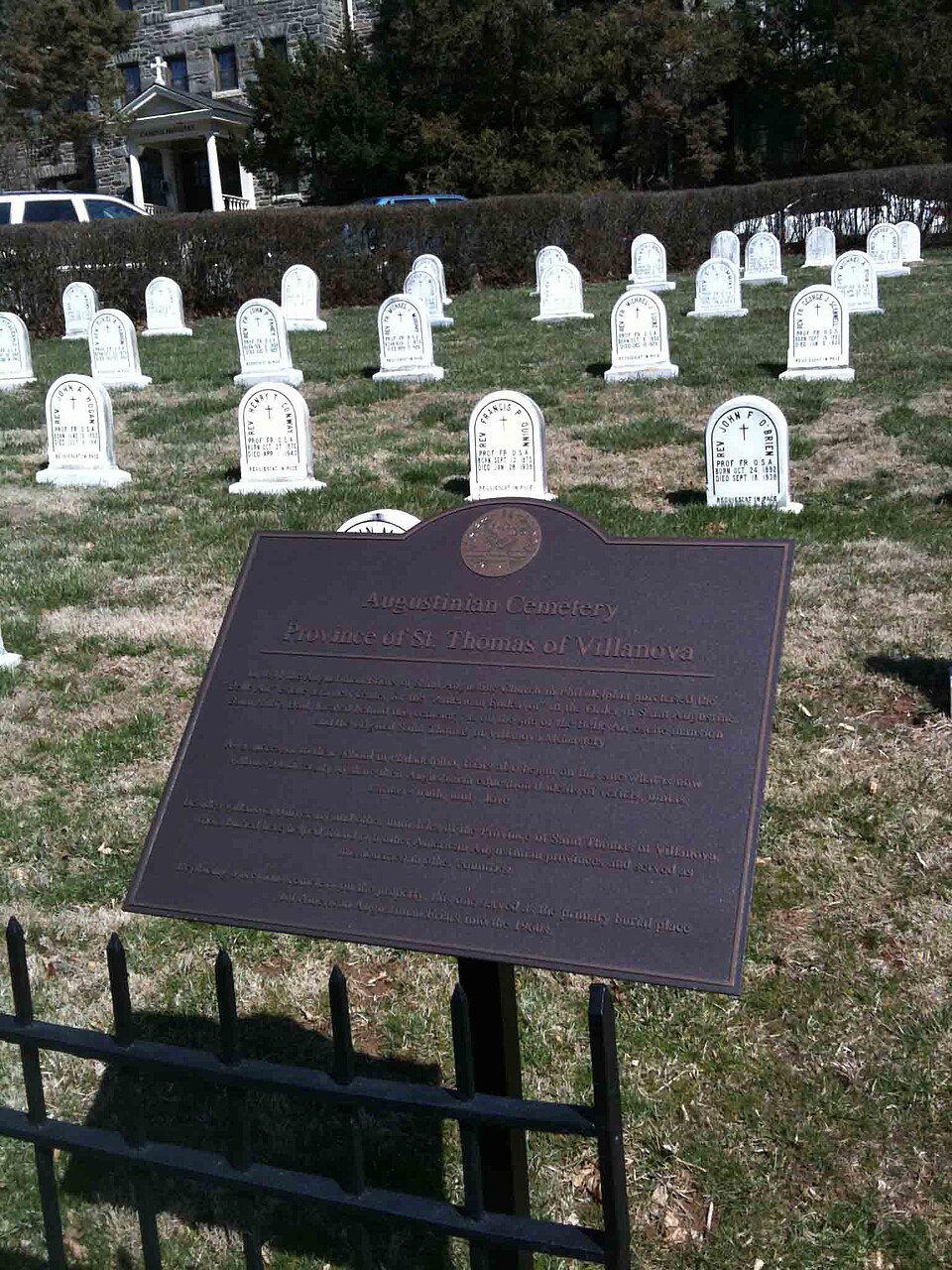
The history of missionary activity in the Niger Delta is deeply tied to Portuguese expansion along the West African coast between the 15th and 16th centuries. Among the earliest religious groups to arrive in the region were the Augustinian missionaries, who played a central role in promoting Christianity in the Itsekiri (Warri) kingdom. While their efforts did not fully establish the Christian “city-state” they envisioned, the mission left enduring legacies religious, cultural, linguistic, political, and architectural.
The written record
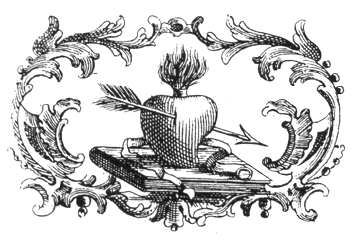
Photo credit: Augustinian friar via Wikimedia Commons
Historical context
Background of Missionary Contact in the Niger Delta
- Portuguese Exploration and Early Religious Contacts
By the mid-15th century, Portuguese navigators had begun frequent voyages along the West African coastline, establishing trade networks and diplomatic relations with coastal polities. According to historical summaries, the Itsekiri kingdom cultivated especially strong and early links with the Portuguese. These interactions opened the door for Christian missionaries particularly the Augustinians who viewed the newly contacted kingdom as fertile ground for evangelization.
- The Olu of Warri and Diplomatic Relations
Itsekiri rulers welcomed Portuguese envoys and clerics as part of broader political and economic diplomacy. Several princes were baptized and educated under Portuguese influence, enabling a more receptive environment for missionary projects. The collaboration between the Olu and Portuguese clergy formed the ideological basis for a proposed Christian-centered polity.
The Augustinian Missionaries in the 16th Century
- Arrival and Establishment of Mission Stations
The Augustinian order, a leading Catholic missionary body during the Age of Discoveries, arrived in the Niger Delta in the mid-1500s. Their mission was not merely religious but also civilizational. As described in Portuguese chronicles, the Augustinians attempted to replicate European Christian social structures, positioning the Warri kingdom as a strategic foothold for Catholic expansion in West Africa.
- Vision for a Christian “City-State”
A distinct aim of the missionaries was the creation of a Christian “city-state” a semi-autonomous enclave governed by Christian laws and structured around cathedrals, schools, and monastic institutions. The model was similar to Portuguese missions in Kongo and São Tomé. In Warri, the Augustinians believed such a polity could flourish due to the Olu’s openness to European alliances and the elite’s willingness to engage with Christian ideas.
- Evangelization Strategies
The missionaries employed multiple approaches, including:
Royal conversions: Educating and baptizing princes to ensure Christian continuity within the royal lineage.
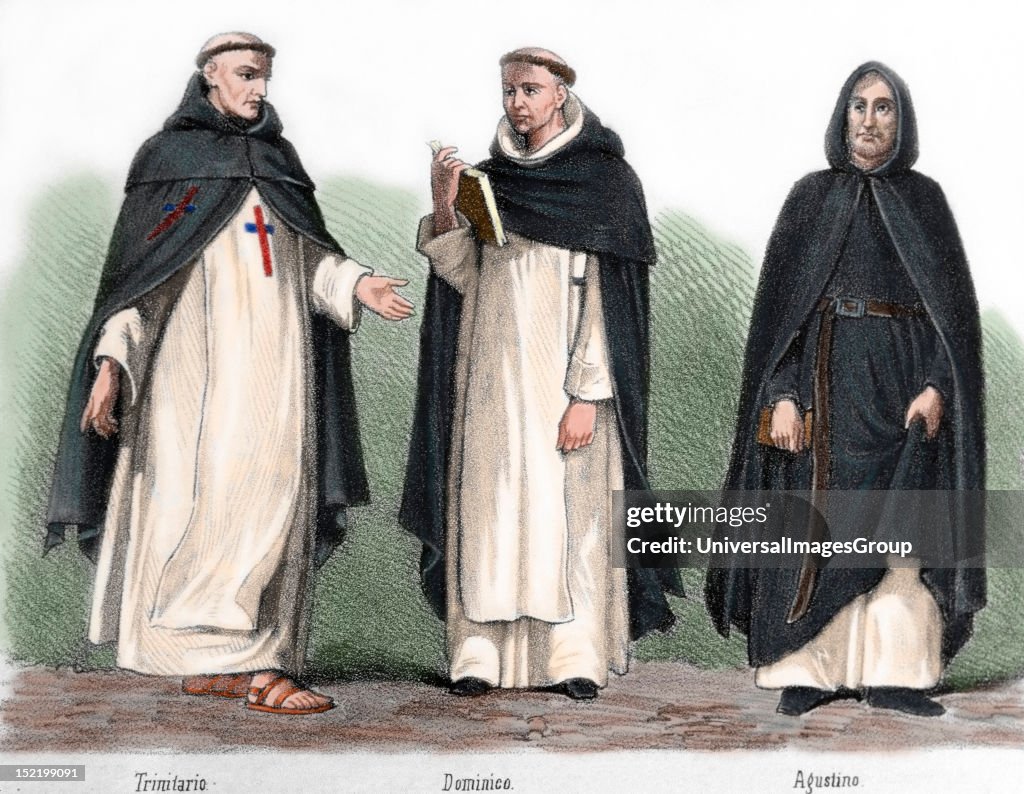
Cultural embedding: Using Portuguese cultural symbols crosses, liturgical garments, and church architecture to integrate Christian identity.
Formal schooling: Establishing small centers for catechism and literacy in Latin and Portuguese.
These strategies were documented in missionary correspondence, preserved in Portuguese archives, and supported by later academic interpretations.

Photo credit: Augustinian Heritage Room via Wikimedia Commons
Conflicts, Limitations, and Decline of the Augustinian Project
- Internal Constraints
Despite the foundation of Christian communities, the Augustinians encountered resistance from local religious institutions, particularly the worship of deities such as Oritse and Umalokun, which formed core elements of Itsekiri cosmology. This tension limited mass conversion outside the royal court.
- External Pressures
Other factors contributed to the weakening of the mission:
Distance from Portugal, leading to shortages of priests and resources.
Changing political priorities, as Portugal focused more on Brazil and Asia.
Competitions with other missionary orders, especially Jesuits, who later overshadowed Augustinian influence.
The disruptive effects of the trans-Atlantic slave trade, which shifted regional dynamics.
By the late 16th century, the Augustinian presence had significantly declined, although its cultural imprint remained strong.
Legacies of the Augustinian Mission
- Architectural and Religious Legacies
The missionaries introduced stone-church construction, most famously associated with the Church of Saint Anthony at Ode-Itsekiri, considered one of the earliest stone Christian structures in West Africa. Although rebuilt and transformed over centuries, the tradition of European-style ecclesiastical architecture remained part of Itsekiri identity.
- Cultural and Political Impact
The Augustinian project shaped the royal court’s ceremonial life, including:
The adoption of Portuguese titles, regalia, and Christian names.
The institutionalization of Christian rituals among the monarchy.
A unique blend of European religious symbols within Itsekiri political authority.
This hybrid identity distinguished the Warri kingdom from other Niger Delta polities.
- Foundations for Later Christian Missions
The presence of the Augustinians laid the groundwork for subsequent waves of missionary Jesuits in the 17th century, Capuchins and Dominicans in the 18th century, and Protestant missions in the 19th century.
These later missions enjoyed smoother reception partly because the kingdom had already absorbed centuries of Christian influence.
The Augustinian missionaries played a transformative yet often underappreciated role in shaping the religious and political history of the Warri kingdom. Their audacious 16th-century vision of a Christian “city-state” was never fully realized, but the legacy left behind architectural, cultural, linguistic, and diplomatic skills became a foundational element of Itsekiri identity. Their early efforts helped produce one of the longest and most enduring Christian traditions in West Africa and cemented the Warri kingdom’s reputation as a historic crossroads of African and European civilization.
Sources and references
- Alagoa, E. J. (1972). A History of the Niger Delta. Ibadan University Press.
- De Silva, A. (1992). Portuguese Missions in West Africa: Documents and Interpretations. Lisbon Historical Society.
- Ryder, A. F. C. (1969). Benin and the Europeans, 1485–1897. Longman.
- Thornton, J. K. (1998). Africa and Afric ans in the Making of the Atlantic World, 1400–1800. Cambridge University Press.
Cite this article
Discussion
Sign in to join the discussion
Comments are checked by an editor before they appear. Leave a source or a correction and it is read first.
Continue reading
Related histories
 Anthropology and EthnographyThe Demography of Biafran Slave Exports (1650–1850)Read history →
 Anthropology and EthnographyMasquerade Traditions from Igboland to the Caribbean (Jonkonnu, Mocko Jumbie)Read history →
 Anthropology and EthnographyMapping Igbo Destinations in the Americas: A Comparative AnalysisRead history →
No comments yet
Nothing has been approved on this record yet. Comments are checked by an editor before they appear, so one written now shows on this page after that check.