 Ozikoro
Anthropology and Ethnography · Published history
The Benin Bronzes: Artistry, Plunder, and the Fight for Repatriation.
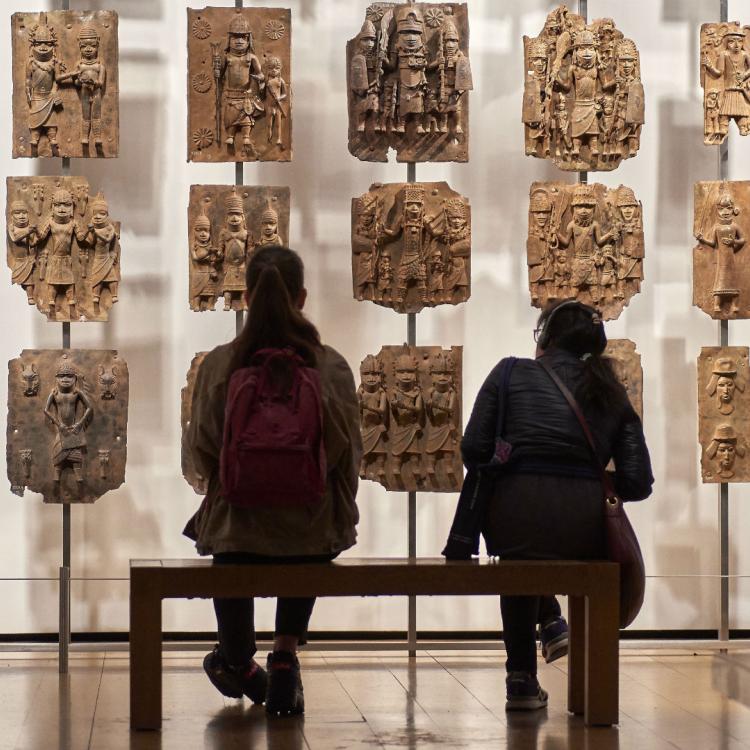
The Benin Bronzes represent one of Africa’s greatest artistic achievements and one of the world’s most infamous cultural thefts.
The written record
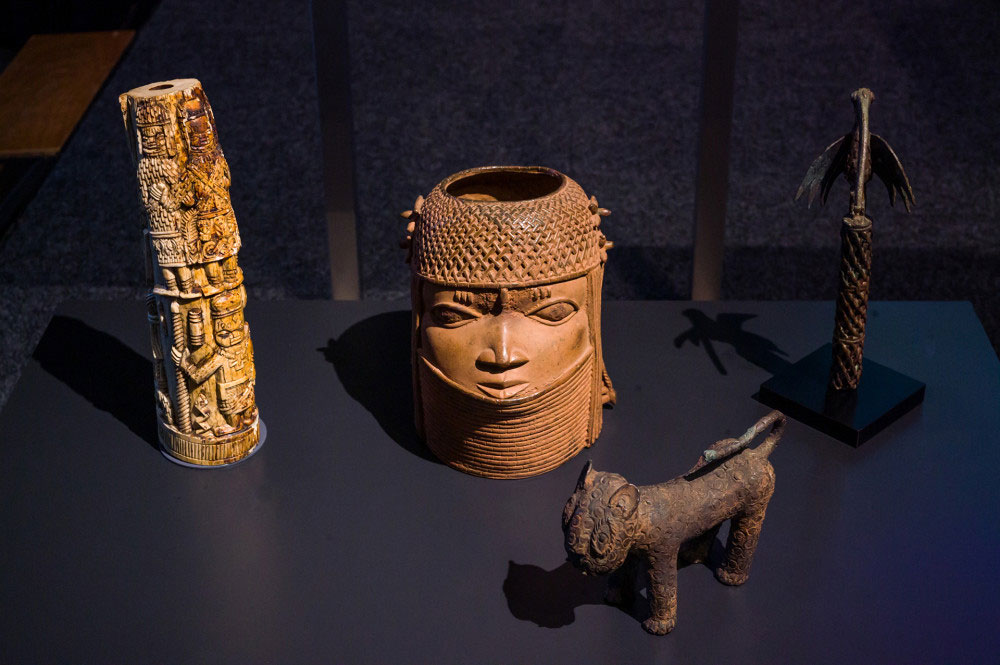
A collection comprising thousands of exquisite plaques, heads, and sculptures made of bronze, brass, and ivory which represents the pinnacle of court artistry in the pre-colonial Kingdom of Benin (located in modern-day Nigeria). Far more than decorative objects, these artifacts served as a vital visual archive, documenting the kingdom’s history, court rituals, military campaigns, and spiritual beliefs over centuries. Created by the Edo people of the Kingdom of Benin, these masterpieces once decorated the royal palace of the Oba. However, in 1897, British troops invaded Benin City and looted thousands of artifacts, scattering them across Western museums and private collections. Today, they remain symbols of both cultural brilliance and colonial exploitation.
Historical context
Origins and Artistic Brilliance
The creation of the Bronzes flourished from the 13th century until the end of the 19th century, particularly during the Golden Age under powerful Obas like Ewuare the Great and Esigie.
The Benin Bronzes were crafted by specialized guilds under royal commission. Using the lost-wax casting technique, artisans produced intricate brass and bronze plaques, heads, and sculptures depicting Obas (kings), warriors, and scenes from court life.
Each artwork served a spiritual and historical function, commemorating royal ancestors, recording significant events, and symbolizing divine kingship. The high level of craftsmanship stunned early European observers, who could not believe such technical mastery existed in Africa.
These works were created by the Igun Eronmwon, the royal guild of brass casters. Using the lost-wax casting technique, the artisans depicted scenes of court life, warfare, and ritual, capturing the grandeur of the Benin monarchy. The artistry was concentrated in the exclusive Igun Eronmwon (Bronze Casters’ Guild), who worked under the direct patronage of the Oba, employing the highly skilled cire-perdue (lost-wax) technique.
The famous Benin Plaques, created primarily in the 16th and 17th centuries, covered the pillars of the Royal Palace. They functioned as a historical record, depicting court life, foreign diplomacy (such as with the Portuguese), and the chain of command, making the palace itself a living museum
These artistic brilliance also has spiritual significance, the royal heads and altar pieces, placed on ancestral shrines, served a spiritual function, acting as vessels to communicate with and honor past Obas and the Iyobas (Queen Mothers) like Queen Idia.
Each piece carried symbolic meaning, representing authority, lineage, and divine kingship. The bronzes were not merely decorative, they functioned as historical records of Benin’s dynastic lineage and as spiritual conduits connecting the Oba to his ancestors.
And as scholar Philip Dark noted, “No other African art tradition reflects the intersection of political, religious, and historical consciousness as powerfully as the Benin Bronzes”
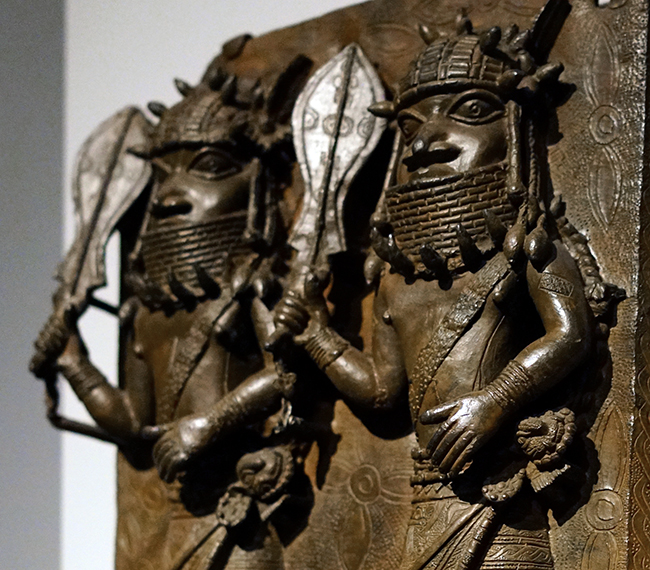
The 1897 British Punitive Expedition
The vast majority of the Bronzes were removed from Benin City during a single, devastating event: the 1897 British Punitive Expedition.
The expedition was launched by the British in retaliation for an ambush that killed several British officers who were attempting to force their way into the sovereign kingdom.
The invasion resulted in the destruction of the city, the execution of its leaders, and the looting of thousands of cultural artifacts.
An estimated 3,000 to 5,000 bronzes, ivories, and other treasures were seized as “spoils of war” and later sold to museums and private collectors across Europe and America. The British Museum in London became one of the primary repositories of these stolen works, holding over 900 pieces.
Following their seizure, the Benin Bronzes became highly sought after by collectors and museums. Major institutions, including the British Museum, the Ethnological Museum in Berlin, and the Metropolitan Museum of Art in New York, acquired large collections.
The items were subsequently auctioned off by the British Admiralty to cover the cost of the military campaign. They were then purchased by major museums and private collectors across Europe and America, leading to the current global dispersal of the collection.
Ironically, their forced removal introduced Benin art to the world, influencing global perceptions of African creativity and craftsmanship. Yet, the displacement also stripped them of their context, sacred objects reduced to mere artifacts behind glass displays.
The Repatriation Movement
The seizure of the Bronzes has long been viewed by the Nigerian government and the Edo people as an illegal act of colonial theft. The artifacts are seen not merely as “art” but as stolen cultural property and a vital part of Nigeria’s national heritage.
In recent years, the movement for repatriation has gained momentum. Proponents for repatriation argue that the objects belong in their place of origin, where they can be properly understood, honored, and utilized by the community that created them. The return would also rectify a historical injustice.
Over the past decade, international pressure has led to significant policy shifts. Museums in Germany, the Netherlands, the United States, and the United Kingdom have begun to acknowledge the illegality of the acquisition and are initiating formal return procedures.
Germany, in 2022, became one of the first nations to officially return hundreds of Benin Bronzes to Nigeria, marking a historic precedent. The Smithsonian Institution and the University of Cambridge have also taken steps to repatriate parts of their collections.
The Edo Museum of West African Art (EMOWAA) says that Nigeria has created a plan for a new, purpose-built museum near the historic site of the palace, intended to house the returned Bronzes and manage a new cultural dialogue surrounding the artifacts.
The ongoing discussions surrounding the Benin Bronzes highlight the complex and difficult process of decolonization, underscoring the powerful link between cultural heritage, historical truth, and national identity.
These actions signal a shift in global museum ethics, from ownership to stewardship. For Nigeria, the return of these artifacts represents more than restitution; it is a reclamation of history, dignity, and cultural identity.
The Benin Bronzes stand as testaments to Africa’s artistic genius and as symbols of colonial injustice. Their story intertwines creativity, violence, and resilience, reminding the world that art carries memory, identity, and power.
As nations and institutions continue to reckon with their colonial pasts, the repatriation of the Benin Bronzes offers an opportunity for healing, dialogue, and restoration. Their journey home is not merely an act of return. It is an act of justice.
Sources and references
- Fischer, Andrea. The Art of Plunder: The Fate of the Benin Bronzes. Prestel Publishing, 2018.
- Ben-Amos, Paula Girshick. The Art of Benin. Thames and Hudson, 1995.
- Hicks, Dan. The British Museums: The Benin Bronzes, Colonial Violence and Cultural Restitution. Pluto Press, 2020.
- McCall, John C. “The Cultural Heritage of the Kingdom of Benin: An Overview.” African Arts, vol. 37, no. 4, 2004, pp. 26-37.
Cite this article
Discussion
Sign in to join the discussion
Comments are checked by an editor before they appear. Leave a source or a correction and it is read first.
Continue reading
Related histories
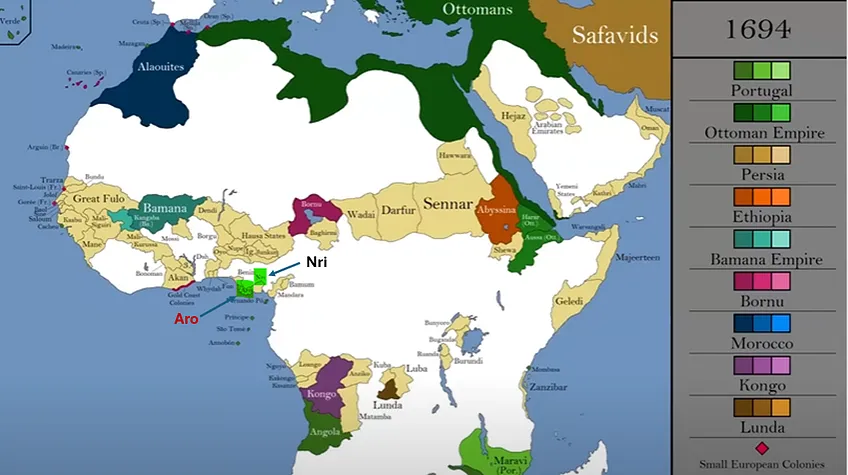 Anthropology and EthnographyThe Demography of Biafran Slave Exports (1650–1850)Read history →
 Anthropology and EthnographyMasquerade Traditions from Igboland to the Caribbean (Jonkonnu, Mocko Jumbie)Read history →
 Anthropology and EthnographyMapping Igbo Destinations in the Americas: A Comparative AnalysisRead history →
No comments yet
Nothing has been approved on this record yet. Comments are checked by an editor before they appear, so one written now shows on this page after that check.