 Ozikoro
 Anthropology and Ethnography · Published history
“The ‘Birmingham of Africa’: Analyzing the Smelting Pits of Kano as a Hub for 19th-Century West African Armaments”
The written record
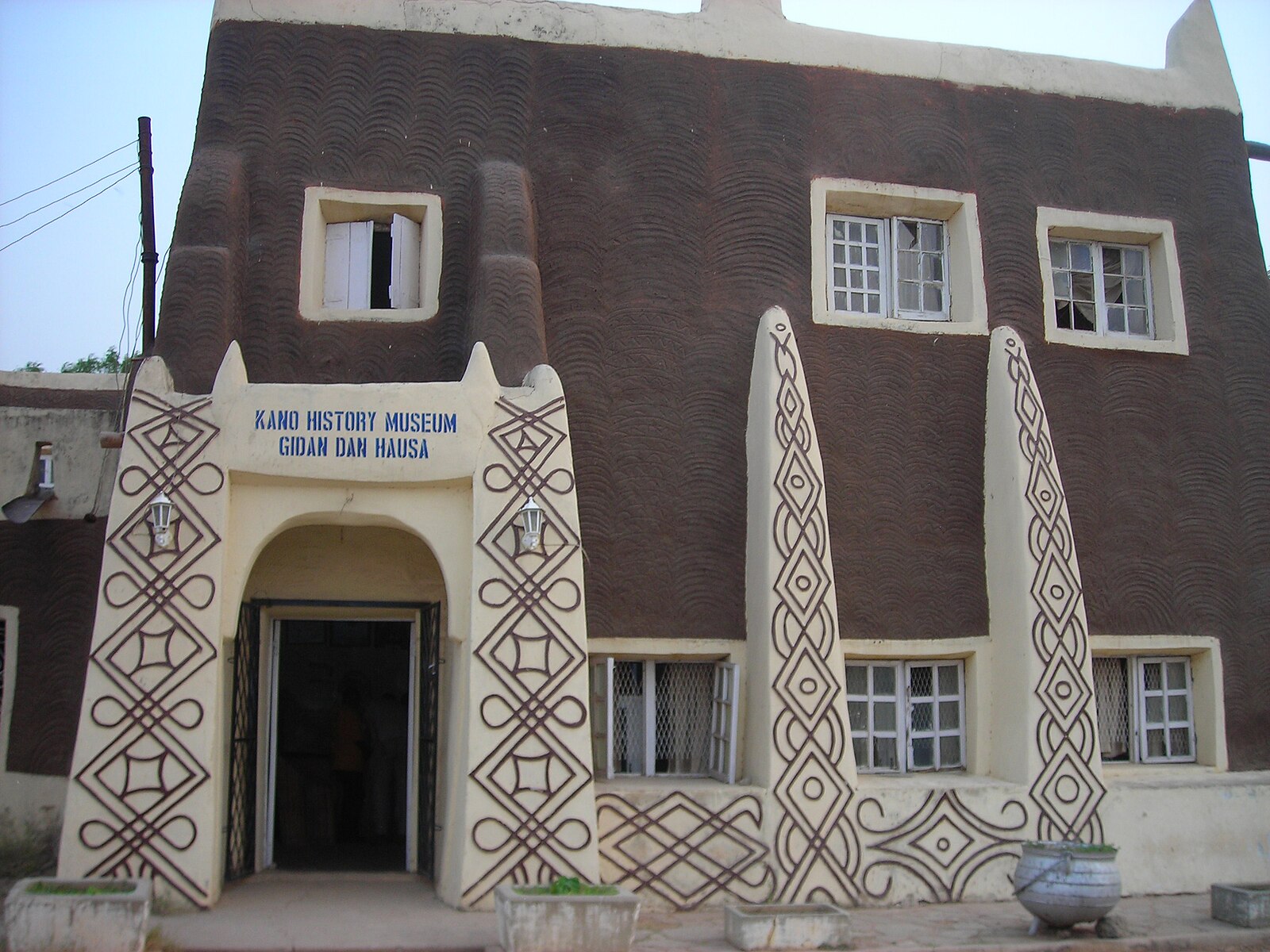
By the nineteenth century, Kano, one of the principal cities of the Sokoto Caliphate had become one of the most important industrial centres in West Africa. Its extensive blacksmithing, metalworking, and smelting industries earned it the nickname “The Birmingham of Africa,” echoing the English city known globally for metal production during the Industrial Revolution.
Historical context
Historical Background
- Kano within the Sokoto Caliphate
Kano became part of the Sokoto Caliphate after the Fulani Jihad of 1804–1808. It was transformed into a large urban centre with a population surpassing 50,000 by the mid-nineteenth century. The caliphate’s political stability and strong demand for weapons created an environment in which metalworking flourished. The emirate structure allowed craft guilds (ƙungiyoyi) to organize production efficiently, while trade routes connected Kano to Bornu, Niger, the Hausa Bakwai (“Seven Hausa States”), and further west to the Sahel and Senegambia.
- Pre-nineteenth-century Ironworking Traditions
Before the nineteenth century, Hausa societies already possessed a long-standing tradition of iron smelting. Archaeological research by Haour shows that Hausa regions used clay furnaces, high-carbon bloomery techniques, and charcoal-based forging for centuries. These metallurgical foundations made Kano well-prepared to absorb innovations in weapon craft, including new blade designs, gun parts, and horseshoe production required for cavalry.
The Smelting Pits of Kano
- Structure and Operation of the Pits
Kano’s smelting pits often located in specialized districts such as Kofar Wambai, Kurmi Market, and Kofar Mata were deep clay-lined furnaces designed to maintain intense heat. They utilized:
Double-chambered bloomery furnaces,
Stone or mud bellows operated manually,
Iron-rich laterite as ore,
Charcoal as the primary fuel. According to ethnographic descriptions referenced in the Ironworking in Africa article, similar bloomery furnaces across West Africa produced wrought iron blooms through repeated heating and hammering. Kano’s version was especially efficient, capable of supporting high-volume production.
- Guilds and the Organization of Labour
Kano’s metalworking guild known locally as makera was one of the most organized craft systems in the caliphate. Membership was hereditary, while workshops were clustered into districts supervised by a guild head (Sarkin Makera). Scholars such as Adeleye argue that these guilds were essential for regulating quality, apprenticeship, and pricing, much like European craft guilds during the same period.
Historic gate in Kano’s defensive walls these fortifications were part of the city’s strategies against invasion and reflect craftsmanship involving metal components (including iron reinforcement).
Photo credit: Ancient City Gates of Kano Ƙofar Kabuga by Dan usy via Wikimedia Commons.
Kano’s Armament Industry
- Production of Indigenous Weapons
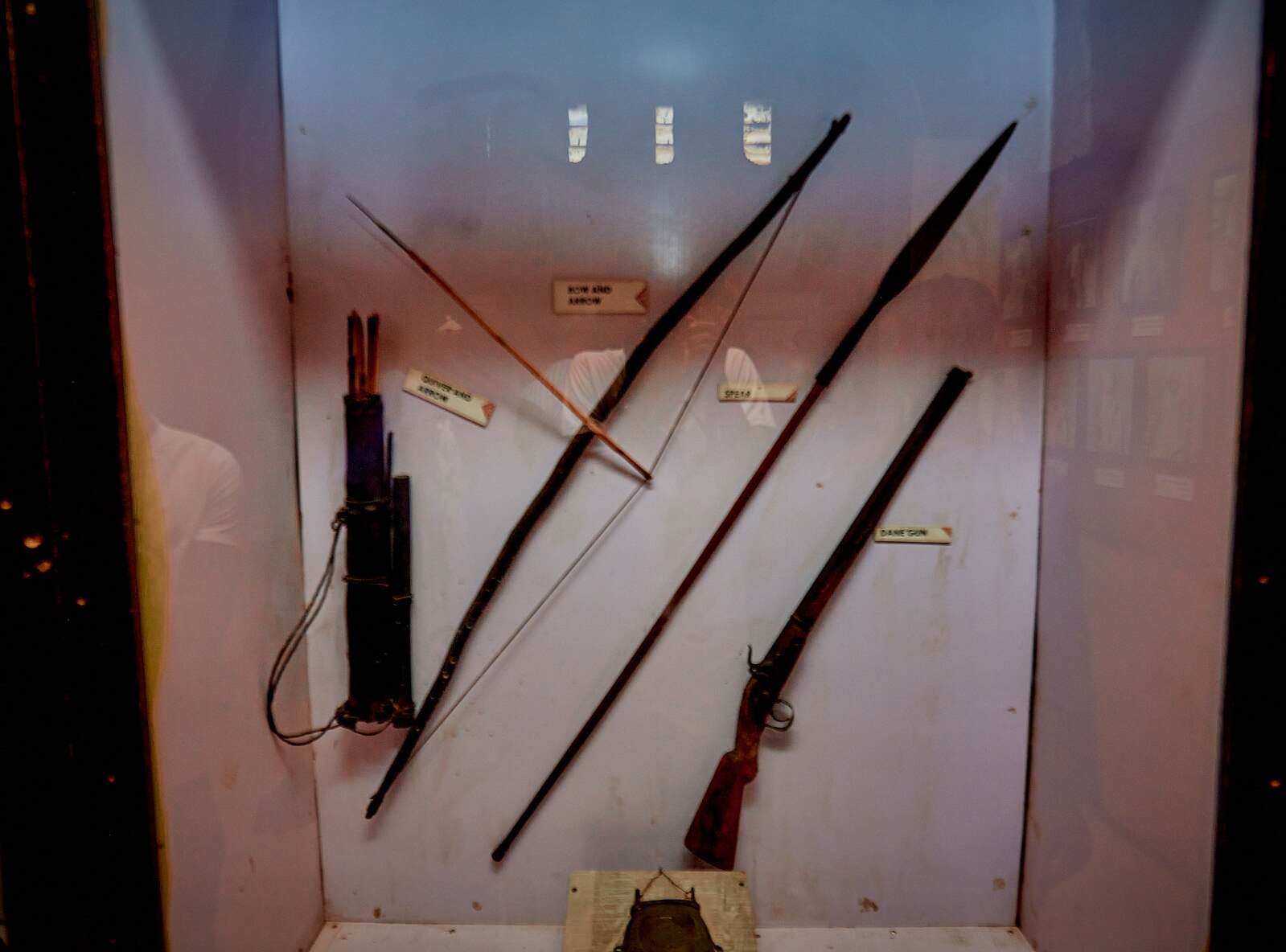
Kano’s smelting pits supported a robust armament industry that produced:
Spears (mashi),
Swords (takobi),
Daggers (wukake)
Arrowheads,
Shields with metal reinforcements,
Horse gear including stirrups and bits. These weapons supplied not only Kano’s own cavalry but also warrior groups across the Sokoto Caliphate and neighboring states. Historical evidence suggests that Kano-made blades were highly valued due to their strength and workmanship.
- Production of Gun Components
Although complete firearms were often imported from North Africa or Europe, Kano blacksmiths manufactured:
Gun repair components,
Metal ramrods,
Trigger mechanisms,
Barrel reinforcement rings. Firearm article explains that early African gunsmiths frequently repaired matchlocks and flintlocks rather than producing entire barrels, due to the high technical difficulty of boring long, smooth tubes. Kano’s workshops nonetheless grew skilled in adapting imported weapons to local needs, reinforcing barrels, and crafting custom parts for hunters and cavalrymen.
Economic Networks and Trans-Saharan Trade
- Integration into Regional and Long-Distance Trade
Kano’s reputation as the “Birmingham of Africa” was partly due to the city’s integration into extensive trade networks. Caravans carried iron weapons from Kano to regions such as Bornu, Zinder, Katsina, Timbuktu, Nupe and Ilorin and Northern Cameroon.
These trade routes, noted in the Trans-Saharan trade article and confirmed by Lovejoy, facilitated the exchange of metal goods, textiles, slaves, and salt. Iron and weapons from Kano were essential trade commodities, strengthening the city’s economic base.
- Military Demand and State Patronage
The Sokoto Caliphate’s military campaigns increased demand for weapons. Emirs regularly commissioned large quantities of spears, swords, and horse gear. State patronage guaranteed steady employment for blacksmiths, while taxation revenues were partly derived from metal goods sold in the Kurmi Market, one of West Africa’s largest precolonial markets.
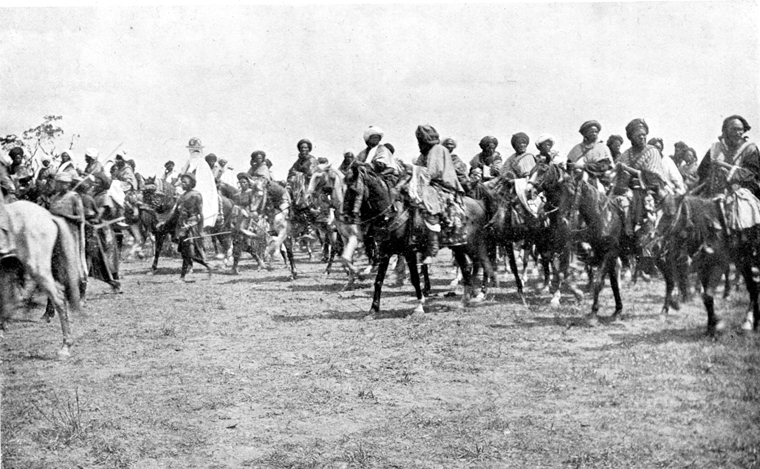
Photo credit: Public domain/ Wikimedia Commons.
Technological Innovation and Adaptation
- Improvements in Furnace Efficiency
Nineteenth-century Kano saw:
Better air circulation systems in furnaces,
Stronger clay linings,
Introduction of taller furnaces for larger iron blooms.
These innovations were influenced partly by regional diffusion from Bornu and Nupe metallurgists. The Bloomery article confirms that furnace improvements across Africa often came from local adaptation rather than foreign transfer, showing Kano’s ability to innovate independently.
- Hybridization of Weapon Design
Kano blacksmiths incorporated external influences such as Tuareg blade shapes, Saharan decorative motifs, and Ottoman-influenced metal fittings into local designs. This hybridization made Kano weapons recognizable and highly marketable across West Africa.
The Decline of Kano’s Smelting Industry
- Colonial Disruption
The arrival of British colonial rule in 1903 severely disrupted Kano’s metal industry. Colonial authorities imposed:
Restrictions on local armament production,
Importation of cheap European steel products,
Reorganization of markets. Scholars like Hogendorn argue that colonial policies intentionally weakened indigenous industries to favour imported European goods.
- Transition to Other Crafts
Although armament smelting declined, Kano’s artisans shifted toward:
Decorative metalwork,
Farming tools,
Leather embellishments,
Local crafts for export. Thus, the legacy of Kano’s smelting pits continued in altered forms, sustaining the city’s reputation for craftsmanship.
Kano’s designation as the “Birmingham of Africa” was not a colonial exaggeration but a recognition of its vibrant nineteenth-century metalworking industry. Using bloomery smelting pits, highly organized guilds, and extensive trade networks, Kano emerged as a major hub for arms production in West Africa. The city’s blacksmiths combined indigenous knowledge with external influences to produce high-quality weapons and tools that powered the Sokoto Caliphate’s military and economic systems. Even after colonial suppression, Kano’s metallurgical tradition remains central to its cultural identity, serving as a testament to Africa’s sophisticated precolonial industries.
Sources and references
- Adeleye, R. A. (1971). Power and Diplomacy in Northern Nigeria, 1804–1906: The Sokoto Caliphate and Its Enemies. Longman.
- Haour, A. (2011). Rulers, Warriors, Traders, Clerics: The Central Sahel and the North Sea, 800–1500. Oxford University Press.
- Hogendorn, J. S. (1980). Nigerian Groundnut Exports: Origins and Early Development. Oxford University Press.
- Last, M. (1967). The Sokoto Caliphate. Longmans.
- Lavers, J. (2020). Warfare and state formation in nineteenth-century Hausaland. Journal of Af rican History, 61(1), 23–45.
- Lovejoy, P. E. (2005). Caravans of Kola: The Hausa Kola Trade, 1700–1900. Zed Books.
Cite this article
Discussion
Sign in to join the discussion
Comments are checked by an editor before they appear. Leave a source or a correction and it is read first.
Continue reading
Related histories
 Anthropology and EthnographyThe Demography of Biafran Slave Exports (1650–1850)Read history →
 Anthropology and EthnographyMasquerade Traditions from Igboland to the Caribbean (Jonkonnu, Mocko Jumbie)Read history →
 Anthropology and EthnographyMapping Igbo Destinations in the Americas: A Comparative AnalysisRead history →
No comments yet
Nothing has been approved on this record yet. Comments are checked by an editor before they appear, so one written now shows on this page after that check.