 Ozikoro
 Anthropology and Ethnography · Published history
The concept of chi ( personal God) and Its influence on individual destiny and daily life.
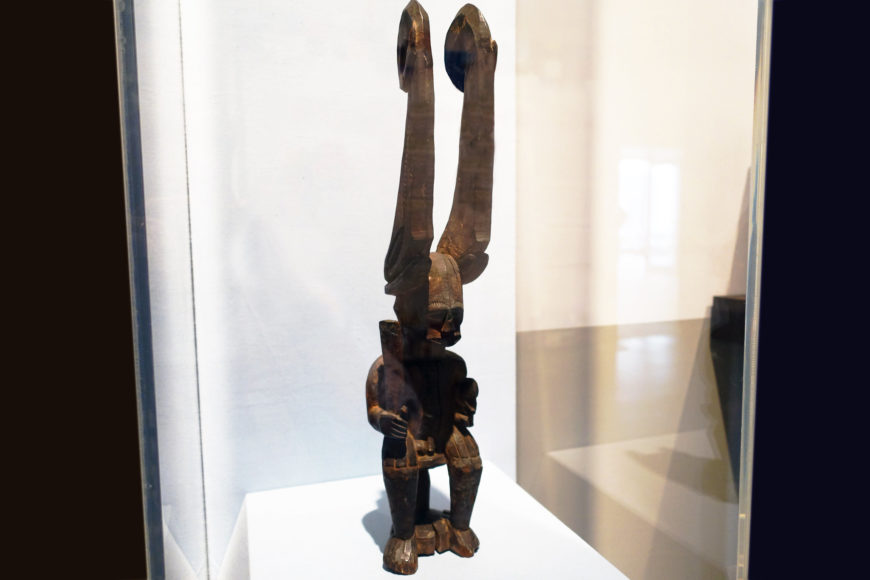
In the metaphysical architecture of the Igbo people of Southeastern Nigeria, the human person is not a solitary actor but a “duality of spirit and flesh.” Central to this belief is the concept of Chi, often translated as a “personal god,” “guardian spirit,” or “divine double.” Within the framework of Odinani (Igbo traditional religion and philosophy), the Chi is an individual’s personal fragment of the supreme deity, Chukwu. It is the spiritual entity that accompanies the soul from the moment of conception to the point of transition back into the ancestral realm. The Chi is the “custodian of destiny” and the primary force that determines an individual’s success, failure, and character. This article explores the theological origins of Chi, its profound influence on the trajectory of an individual’s life, and its practical role in the daily decision-making processes of the Igbo person.
The written record
Historical context
The Theological Origin and Nature of Chi
The concept of Chi is rooted in the belief that every human being has a “spiritual counterpart” that resides in the spirit world while the physical self inhabits the earth;
- A Fragment of the Divine: According to Igbo cosmology, Chukwu (the Great Spirit) assigns a Chi to every soul at the point of creation. The Chi is responsible for choosing the individual’s “bundle of destiny” before they are born into the world.
- The Gender of Chi: Unlike Western concepts of a guardian angel, Chi is often perceived as having a specific gender or “essence” that complements the individual. It is the “spark of life” that animates the physical body.
- The Individualized Connection: No two people share the same Chi. This emphasizes the “radical individualism” inherent in Igbo philosophy. Even identical twins are believed to have separate Chi, accounting for their different temperaments and life outcomes.
Chi and the Predetermined Destiny (Akaraka)
The primary function of the Chi is to oversee the fulfillment of the “destiny contract” made between the soul and the Creator before birth;
- The Pre-natal Choice: It is believed that before a soul enters the womb, it stands before Chukwu and chooses its destiny (Akaraka). The Chi acts as the “witness and guarantor” of this choice. Whether one is to be a wealthy farmer, a great warrior, or a person plagued by misfortune is often attributed to this initial agreement.
- The Limits of Human Effort: This belief is encapsulated in the proverb, “Onye kwe, chi ya ekwe” (If a man says yes, his chi also says yes). While it suggests that human effort can influence destiny, it also acknowledges that if one’s Chi does not “concur,” even the most strenuous labor may result in failure.
- Accepting One’s Lot: When an individual faces inexplicable hardship despite hard work, the Igbo often say, “Chi ya adighi n’izu” (His chi is not in the meeting). This provides a “psychological coping mechanism” that allows individuals to accept the limitations of their earthly power.
The Influence of Chi on Daily Life and Behavior
Beyond the grand arc of destiny, Chi is an “active participant” in the mundane and moral decisions of every day;
- Moral Conscience: The Chi serves as a “moral compass.” When a person contemplates an action that violates Ome n’ala (traditional law/custom), it is believed that their Chi may “withdraw its protection,” leaving the individual vulnerable to malevolent spirits or bad luck.
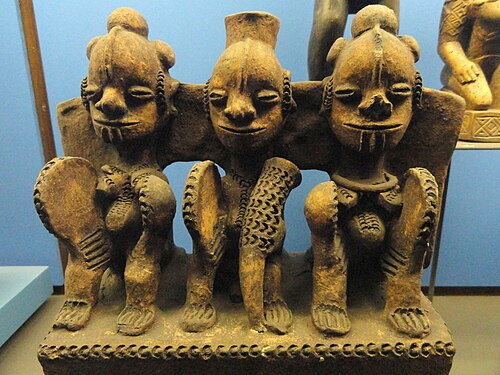
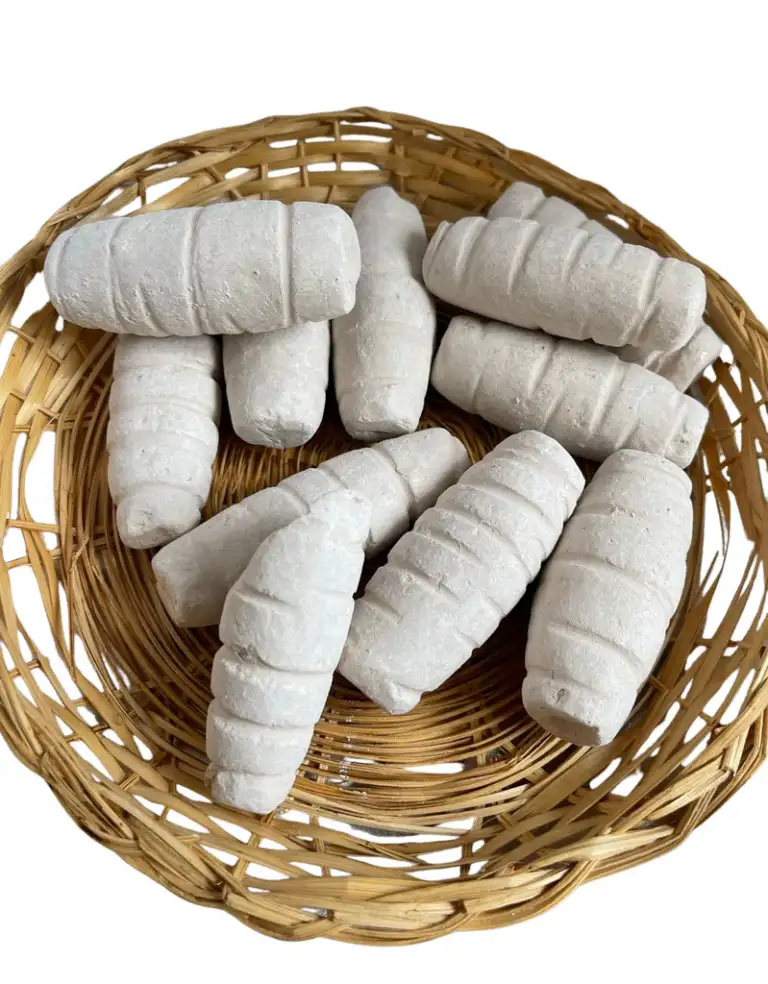
- The Chi Shrine (Ihu Chi): In traditional Igbo homes, particularly for women, a physical shrine is often established for the Chi. This might consist of a small earthen mound or a specific tree (Egbu) where “daily sacrifices” of food and drink are offered. This act of “feeding the Chi” ensures that the spirit remains favorable and attentive to the person’s needs.
- Daily Invocations: Before embarking on a journey or a business venture, a person might whisper a prayer to their Chi, asking for “clearing of the path.” The Chi is the first “court of appeal” in all spiritual matters before one approaches the larger Alusi (deities).
Chi and the Concept of Success and Failure
In Igbo society, “success” is not viewed as a purely personal achievement, but as a “harmonious alignment” between a man and his spirit;
- The Successful Man: A person who achieves wealth, many children, and long life is described as having a “good Chi” (Chi oma). This individual is seen as someone who has successfully “negotiated” with their spirit and stayed on the path of their destiny.
- The Concept of Ikenga: While the Chi represents the “spiritual gift” of destiny, the Ikenga represents the “right hand” or the human effort used to achieve it. A man must have a strong Ikenga (effort) to realize the potential given by his Chi. One cannot succeed with a good Chi but a “lazy hand.”
- The Tragic Hero: The concept of the “bad Chi” (Chi ọjọọ) is often used to explain the tragedy of a good person who suffers. In Chinua Achebe’s Things Fall Apart, the protagonist Okonkwo is described as a man who “challenged his chi” to a wrestling match. His downfall is seen as a consequence of his “inflexible will” clashing with the “ordained path” of his spirit.
Transition and the Afterlife: Chi’s Final Role
The relationship between the individual and their Chi does not end with physical death;
- Accounting for Life: At the point of death, the Chi is believed to return to Chukwu to “give an account” of how the individual lived. If the person lived an ethical life, the Chi assists in their transition to becoming an ancestor (Ndi Ichie).
- Reincarnation (Ilo Uwa): In the cycle of reincarnation, the same Chi may accompany the soul back into the same family lineage. This explains why children are often observed to have the “same spirit” or luck as a deceased grandfather.
- Severing the Bond: For those who die “bad deaths” (suicide or shameful diseases), the bond with the Chi is fractured. These souls become wandering spirits (Akalogoli), as their Chi has “abandoned them” in the spirit world.
Modern Interpretations and Philosophical Resilience
In the face of Christianity and Westernization, the concept of Chi has shown “extraordinary resilience,” adapting to new religious frameworks;
- Synthesis with Christianity: Many Igbo Christians equate the Chi with the “Holy Spirit” or a “Guardian Angel.” However, the “personal, negotiating nature” of Chi remains distinct from the more distant Western concept of angels.
- Psychological Perspective: Modern Igbo philosophers sometimes interpret Chi as the “Subconscious” or the “Higher Self.” It represents the “inner potential” that an individual must tap into to achieve self-actualization.
- Literary Influence: The Chi remains a “central theme” in African literature. Writers continue to use the concept to explore the tension between “predestination and free will,” a debate that remains at the heart of the human experience.
The concept of chi ( personal God) and its influence on individual destiny and daily life is the “spiritual heartbeat” of the Igbo person. It is a philosophy that balances “humility and ambition” reminding the individual that while they must “strive with their right hand,” their ultimate success is a gift from the “spirit within.” The Chi ensures that no person is ever truly alone, providing a “constant companion” through the trials and triumphs of the earthly journey. By honoring their Chi, the Igbo person honors their “unique place in the cosmos,” acknowledging that every life is a “divine project” with a specific purpose. In a world that often feels chaotic, the belief in Chi provides a sense of “order, meaning, and personal accountability” that continues to define the Igbo spirit.
Sources and references
- Achebe, C. (1958). “Things Fall Apart”. London: Heinemann. (Providing the quintessential literary exploration of the relationship between a man and his Chi).
- Achebe, C. (1975). “Morning Yet on Creation Day”. London: Heinemann. (Specifically the essay ‘The Chi in Igbo Cosmology’).
- Aniakor, C. C. (1984). “Igbo Arts: Community and Cosmos”. Los Angeles: Museum of Cultural History, University of California.
- Arinze, F. A. (1970). “Sacrifice in Ibo Religion”. Ibadan University Press.
- Isichei, E. (1976). “A History of the Igbo People”. London: Macmillan.
- Metuh, E. I. (1981). “God and Man in African Religion: A Case Study of the Igbo of Nigeria”. London: Geoffrey Chapman.
- Nzimiro, I. (1972). “Studies in Ibo Political Sys tems: Chieftaincy and Politics in Four Niger States”. University of California Press.
Cite this article
Discussion
Sign in to join the discussion
Comments are checked by an editor before they appear. Leave a source or a correction and it is read first.
Continue reading
Related histories
 Anthropology and EthnographyThe Demography of Biafran Slave Exports (1650–1850)Read history →
 Anthropology and EthnographyMasquerade Traditions from Igboland to the Caribbean (Jonkonnu, Mocko Jumbie)Read history →
 Anthropology and EthnographyMapping Igbo Destinations in the Americas: A Comparative AnalysisRead history →
No comments yet
Nothing has been approved on this record yet. Comments are checked by an editor before they appear, so one written now shows on this page after that check.