 Ozikoro
 Anthropology and Ethnography · Published history
The Concept of Nwa-nwa and Nwadiana in Igbo Culture
Have you ever been to a meeting in your hometown and the head of a goat being shared is allotted to your father’s sister’s children as “oke nwadiana” and you are wondering , why should they be given that?
The written record
Historical context
Meaning
Nwanwa is a grandchild of a family either from a male or a female child. Nwanwa from a female child married outside is considered to be of more value especially if the nwanwa is very mannered, kind , supportive, humble and respectful. And this particular Nwanwa is referred to as “ nwadiana”.
The arrival of a Nwanwa born by a female child ( nwadiana) to his maternal home attracts the killing of cock ( a male chicken /oke okpa / cockerel) to herald his or her arrival, in Igbo this practice is referred to as ”Nwanwa na eri okuko”
Rights of Nwanwa
- Rights during funeral rites:
The Nwanwa [born by the male] member of the family is held in high esteem because he is the one that makes the first digging of a burial site chosen by his Father’s sister’s children who are married outside the community.
- “Bee ndi nnaochie” as sanctuary:
Nnaochie is any relative from your ikwunne (maternal home). Nwanwa (nwadiana) has a right to come back to his/her maternal home and be sheltered if his life is threatened in his/her paternal home. This is very evident in the practice of Igba oso ochu where the nwanwa might run to his/her maternal home after committing manslaughter. Although they can be given shelter, he/she must not commit evil in his maternal home(Ikwunne) and if it is confirmed, the whole community will jointly send him/her away and ban him from coming there for life. So every community desires an nwanwa or a nwadiana ga turu ugo lota (bring prestige to the community) not one that brings shame to the community.
Originally, nna (father) Igbo names did not reference a monotheistic deity, neither were they necessarily about a person’s direct father. Nna names are about the collective of ancestors and all who come under them (umunna).
- Oke nwanwa/nwadiana
Depending on the meat killed during an occasion , ndi nwanwa/ nwadiana is entitled to the neck/head of a goat (Ewu) or a cow (ehi). For smaller animals like chicken (okuko) , Ọgazi ( Guinea fowl), ỌdỌkuma, Ọkwa (Partridge (or Francolin). Nwanwa especially nwadiana enjoys more care , attention , love , favour and is allowed to participate and partake in activities that progress the affairs of the land .
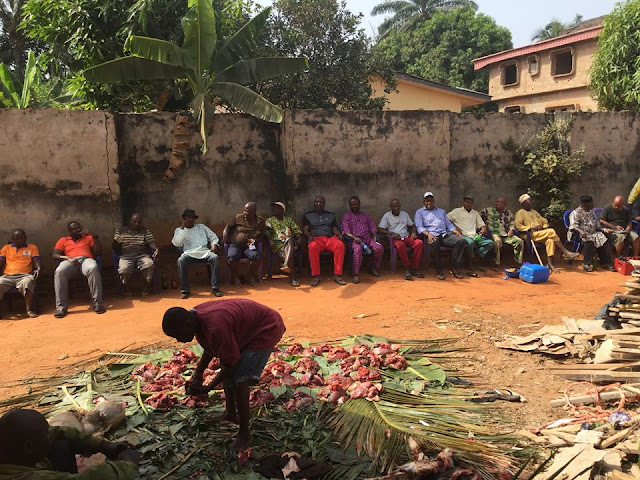
- At death
The ikwunne of a nwadiana is to be duly informed of the passing of their beloved nwanwa. In cases of suspected foul play from the umunna, the ikwunne might trigger an investigation into the cause of death of their nwadiana.
- Nwa-mkpuke or nwa-okwa
In cases where a child is born out of wedlock (ime mkpuke), the nwanwa inthis case is absorbed as part of the ikwunne as a diala/diana.
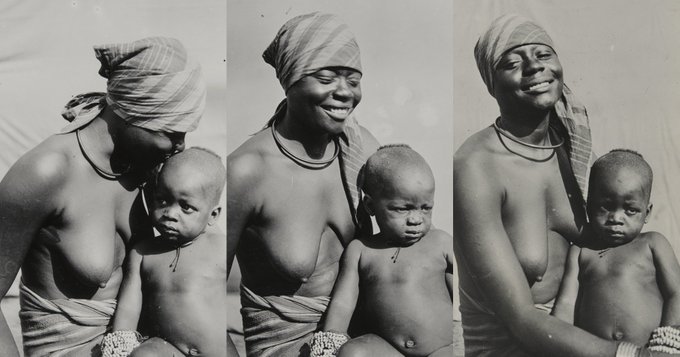
Roles and Privileges of Nwanwa
- As a mediator ;
Nwanwa or nwadiana is expected to act as a neutral mediator in cases of family disputes knowing fully well that they are not part of the umunna and have no stake in material things in the family. And knowing fully well that they are not entrenched in the politics of umunna, they are the best bet to settle okwu ezin’ulo after umuada.
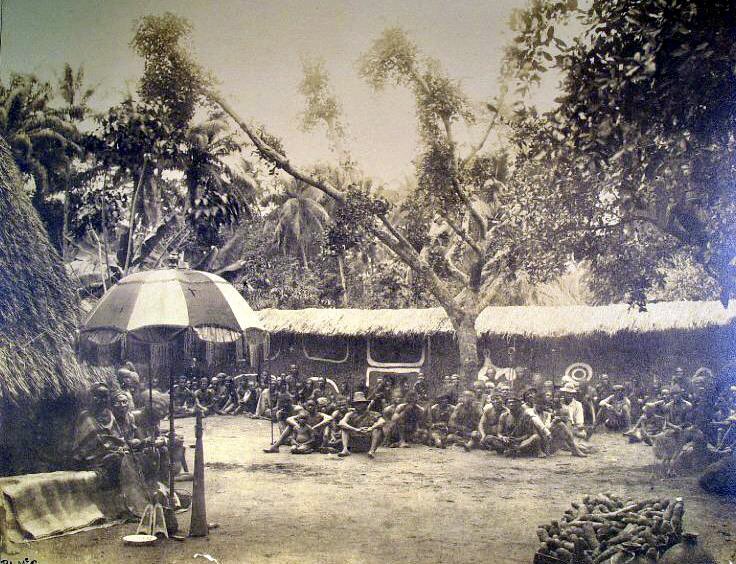
- As grave diggers;
During funerals, ndi nwanwa especially the male ones are charged to dig the graves for funerals and the female nwanwa aid in cooking for the guests.
Sources and references
- Anyanwu, E. C. (2021). Mother-figure and family bonding in Igbo society: A linguistic appraisal. The Journal of Modern Resources , 1–12. Mother-Figure-and-Family-Bonding-In-Igbo-Society-A-Linguistic-Appraisal.pdf
- Chukwu, C. (2022). A philosophical exposition of kinship in Igbo African ontology. International Journal of Philosophy , 10 (1), 1–9.
- Igbokwe, B. N. (2021). Igbo culture, new trends and future hope. Igwebuike: An African Journal of Arts and Humanities , 7 (3), 143–155.
- Mmuo, A. N. (2014). Burial rites in Igbo traditional religion. Journal of African Studies and Sustainable Development , 3 (1), 54–62.
- Ndukwe, U. E., Ihechu, I. P., & Ralph-Nwachukwu, O. (2021). Modernity and burial rituals in Igbo land: A paranormal communication approach. British Journal of Mass Communication and Media Research , 1 (1), 28–38.
- Nwosu, H. O., & Anazonwu, C. O. (2020). Gender roles in Igbo culture: An overview. Zik Journal of Multidisciplinary Research , 3 (1).
- Obasi, C. O., & Nnamani, S. T. (2015). The role of Umuada Igbo in conflict management and development in Nigeria. Advances in Anthropology , 5 (3), 164–173. doi.org
- Ofomata, C. (2024). Umuada guild as an instrument of socio-political organisation. Ideal International Journal , 17 (4), 226–228.
- Onyenwe, P. (2023 ). Ancient and modern nwanwa concept: Highly valued and practised Igbo cultural norm—(The Charles Orie’s example) . 9News Nigeria. URL
Cite this article
Discussion
Sign in to join the discussion
Comments are checked by an editor before they appear. Leave a source or a correction and it is read first.
Continue reading
Related histories
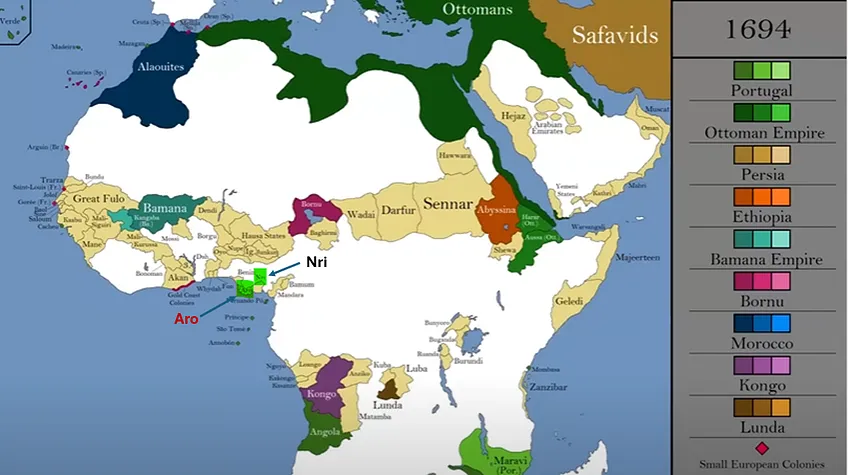 Anthropology and EthnographyThe Demography of Biafran Slave Exports (1650–1850)Read history →
 Anthropology and EthnographyMasquerade Traditions from Igboland to the Caribbean (Jonkonnu, Mocko Jumbie)Read history →
 Anthropology and EthnographyMapping Igbo Destinations in the Americas: A Comparative AnalysisRead history →
No comments yet
Nothing has been approved on this record yet. Comments are checked by an editor before they appear, so one written now shows on this page after that check.