 Ozikoro
 Anthropology and Ethnography · Published history
The Defense of Ebrohimi: The 1894 Battle Between Chief Nana Olomu and the British Royal Navy
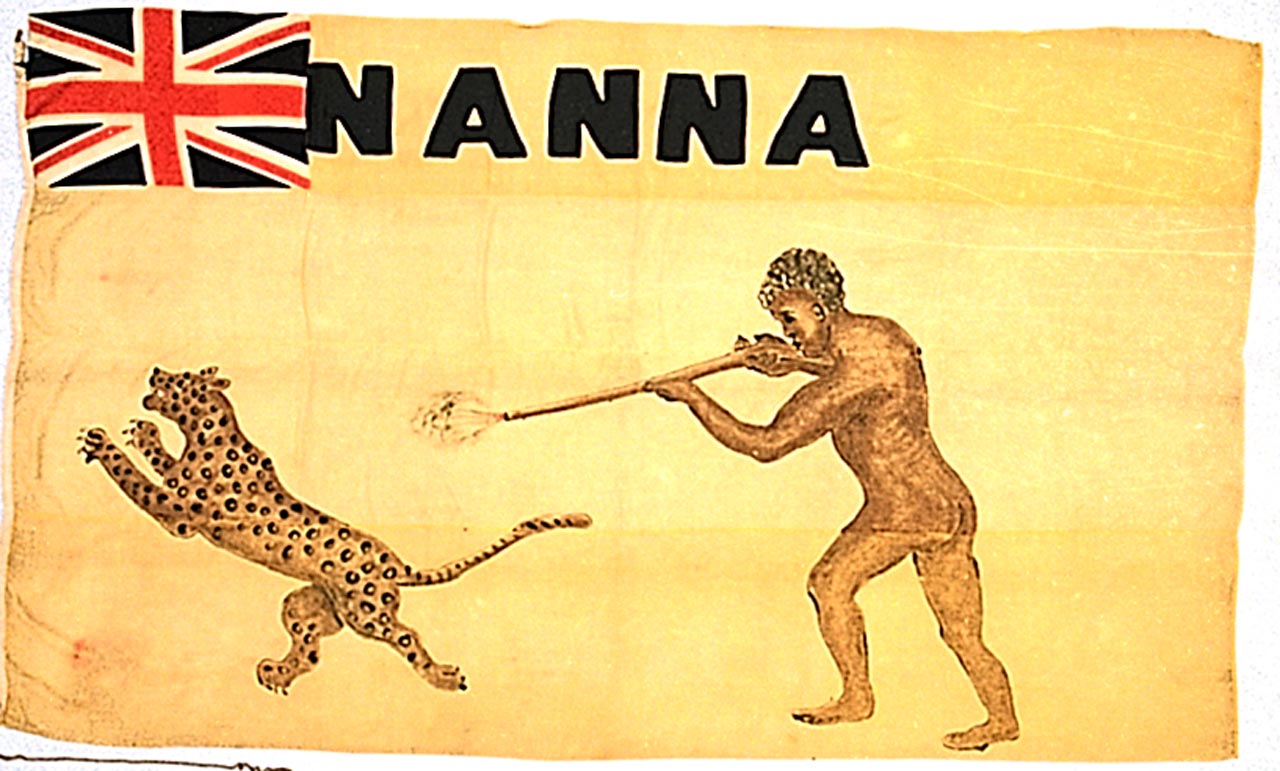
The 1894 Defense of Ebrohimi stands as one of the most significant military confrontations in the history of the Niger Delta. It marked the decisive clash between Chief Nana Olomu, a powerful Itsekiri merchant-prince, and the expanding authority of the British Royal Navy during the colonial consolidation of trade routes. This conflict, often described as the Ebrohimi Expedition, symbolized the resistance of local African polities against European economic domination.
The written record
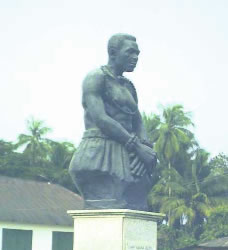
Photo credit: Fair use via Wikimedia commons.
Historical context
Background to the Conflict
- Chief Nana Olomu’s Rise to Power
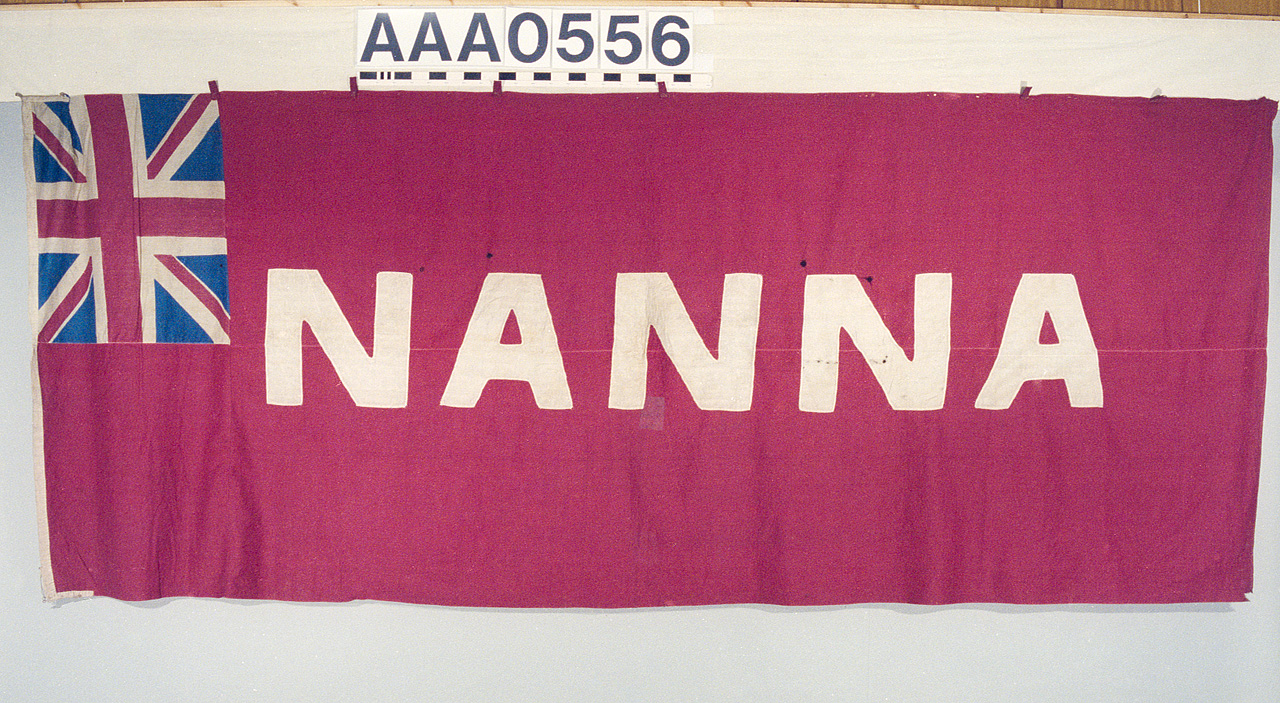
Chief Nana Olomu (also known as “Nanna” or “Nana”) was the fourth Governor of the Itsekiri “Native Council of Trade,” succeeding his father Olomu in the late 19th century. As noted; Nana Olomu, he controlled major palm-oil routes in the Benin and Escravos river systems. Through a sophisticated combination of diplomacy, wealth redistribution, and strategic alliances, Nana became one of the most influential merchant leaders in the Niger Delta.
He managed trade on behalf of the Olu of Warri and ensured that British traders adhered to established Itsekiri toll systems. By the 1880s, however, British policy shifted from partnership to direct intervention, viewing middlemen like Nana as obstacles to “free trade.”
- British Economic Ambitions in the Delta
Following the Berlin Conference (1884–1885), Britain intensified its efforts to secure commercial monopolies. Academic works, such as Ekeh, note that British firms sought direct access to palm oil producers, bypassing Itsekiri intermediaries like Nana. When Nana resisted, enforcing traditional trade controls, the British interpreted his actions as “obstruction.”
By 1893, tensions escalated after several incidents in which British traders complained of harassment or seized goods, prompting British consul Ralph Moor to prepare a punitive expedition.
The Strategic Importance of Ebrohimi
- Geography of Ebrohimi
Ebrohimi was Nana’s principal military and commercial headquarters. Located deep within the creeks near the Benin River, its natural mangrove defenses made it extremely difficult for foreign forces to penetrate. Nana Olomu, the fortress sat on a narrow creek that could be easily defended with barricades, cannons, scouts, and sharpshooters.
- Military Preparedness and Defenses
Nana fortified Ebrohimi with:
High wooden stockades,
Earthworks and defended waterways,
War canoes equipped with sharpshooters and
Breech-loading firearms acquired from European traders.
Strategically located lookouts that monitored approaching vessels
His defenses were advanced for the period, demonstrating Itsekiri understanding of both naval and guerrilla combat.
The 1894 Ebrohimi Campaign
- British Naval Strategy
In September 1894, the British launched a full-scale assault on Ebrohimi. Moor enlisted:
The British Royal Navy gunboats Alecto, Philomel, Widgeon, and others.
About 500 marines, sailors, and Hausa constabulary soldiers.
Heavy artillery including Maxim guns, rockets, and light naval cannons.
The British intended to destroy Nana’s fortifications, capture his arsenal, and force open unrestricted trading routes.
- The Itsekiri Defense of the Stronghold
Despite overwhelming British firepower, Nana’s forces mounted a determined resistance. Eyewitness accounts (Hewett, 1895) describe how Itsekiri warriors effectively used the terrain:
Canoe fighters ambushed British launches from concealed locations.
Marksmen, positioned in elevated platforms, targeted naval officers.
Defensive barricades slowed British advance, forcing close-quarter engagements.
The mangrove channels frustrated British navigation and artillery accuracy.
The fighting continued for several days, with the British repeatedly attempting to breach the defenses.
- The Fall of Ebrohimi
Eventually, British forces employed scorched-earth tactics, burning villages, destroying supply stores, and bombarding fortified positions. Under intense pressure, Nana’s warriors retreated deeper into the creeks. On October 26, 1894, the British captured Ebrohimi, set it ablaze, and declared victory.
Nana, however, escaped the destruction and continued evading capture for weeks before surrendering to prevent further harm to his people.
Aftermath and Political Consequences
- Exile and Trial of Chief Nana
After surrendering, Nana was transported to Accra (in modern-day Ghana), where he faced a colonial tribunal. He was accused of “disrupting commerce,” “harboring slaves,” and “attacking British ships.” He denied all charges, citing his defense of Itsekiri sovereignty and legitimate trade customs. Nevertheless, he was exiled to the Gold Coast from 1894 to 1906, as Britannica and academic sources confirm.
- Economic Reorganization of the Delta
Following Nana’s fall, the British introduced new systems:
Direct access for British firms to inland palm-oil markets,
Increased presence of the Niger Coast Protectorate,
Abolition of traditional Itsekiri toll collection,
Imposed treaties limiting the autonomy of the Olu of Warri and merchant chiefs.
This restructuring permanently changed the balance of power in the region.
- Impact on Itsekiri–British Relations
Nana’s defeat signaled the beginning of full British colonial control. The Itsekiri political system continued, but with reduced authority foreign administrators and consular officers now dominated judicial and economic decisions. Still, Nana returned from exile in 1906, welcomed by dignitaries, and lived peacefully until his death in 1916.
Legacy of the Defense of Ebrohimi
- Symbol of Anti-Colonial Resistance
Today, the battle is remembered as a symbol of West African resistance to European imperialism. Nana’s bravery and strategic skill demonstrate that African polities were not passive victims but capable of organized, sophisticated defense.
- Preservation of Nana’s Palace at Koko
In recognition of his historical importance, Nana’s palace at Koko was declared a National Monument by the Nigerian government in 1996. It stands as a museum that preserves:
His European-style architecture,
Trade goods,
Weapons used during the 1894 war, and
Personal correspondence and legal papers.
- Cultural Memory and Historical Documentation
The Defense of Ebrohimi remains part of Itsekiri oral history and academic scholarship. It highlights:
Maritime warfare in the Delta,
The role of African merchant-princes, and
The political complexity of pre-colonial Niger Delta states.
The 1894 Defense of Ebrohimi was a pivotal conflict that showcased Chief Nana Olomu’s determination to protect Itsekiri sovereignty and trade rights. Despite facing an industrial naval power, Nana’s forces mounted a formidable resistance grounded in strategic use of geography, naval expertise, and political legitimacy. Though the British ultimately prevailed, the battle remains a testament to the resilience and agency of Niger Delta communities in the age of imperial expansion. Nana’s legacy endures as a symbol of courage, leadership, and uncompromising defense of indigenous economic systems.
Sources and references
- Alagoa, E. J., & Fombo, A. (1972). A Chronicle of Grand Bonny. Ibadan University Press.
- Ekeh, P. P. (2008). Warri City and British Colonial Rule in the Western Niger Delta. Urhobo Historical Society.
- Hewett, E. (1895). Report on the Operations Against Nana. Colonial Office Archives, London.
- Ikime, O. (1968). Niger Delta Rivalry: Itsekiri, Urhobo and Ijaw in the 19th Century. Longmans.
Cite this article
Discussion
Sign in to join the discussion
Comments are checked by an editor before they appear. Leave a source or a correction and it is read first.
Continue reading
Related histories
 Anthropology and EthnographyThe Demography of Biafran Slave Exports (1650–1850)Read history →
 Anthropology and EthnographyMasquerade Traditions from Igboland to the Caribbean (Jonkonnu, Mocko Jumbie)Read history →
 Anthropology and EthnographyMapping Igbo Destinations in the Americas: A Comparative AnalysisRead history →
No comments yet
Nothing has been approved on this record yet. Comments are checked by an editor before they appear, so one written now shows on this page after that check.