 Ozikoro
 Anthropology and Ethnography · Published history
The Defensive Nature of the Yakurr (Ugep) People
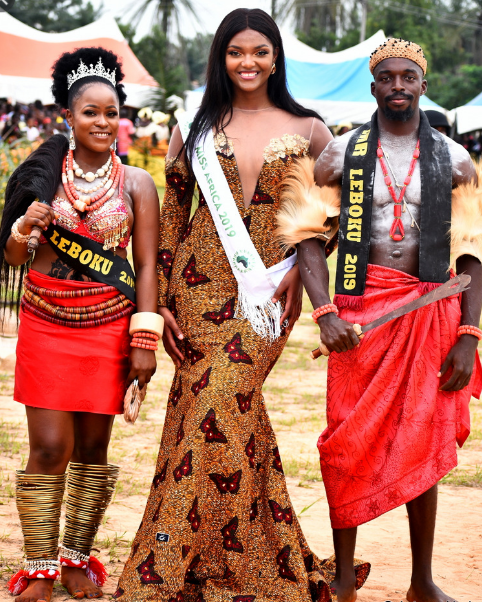
The Yakurr people, especially the Ugep community, one of the largest and most prominent towns in present-day Cross River State are known for their strong defensive traditions and complex socio-political systems shaped by centuries of migration, inter-group conflict, and identity preservation. The Yakurr trace their origins to the Akpa and Lokoiya regions before migrating to their present homeland following violent disputes. This history of displacement shaped their worldview, emphasizing collective security, vigilance, and defensive political organization.
The written record
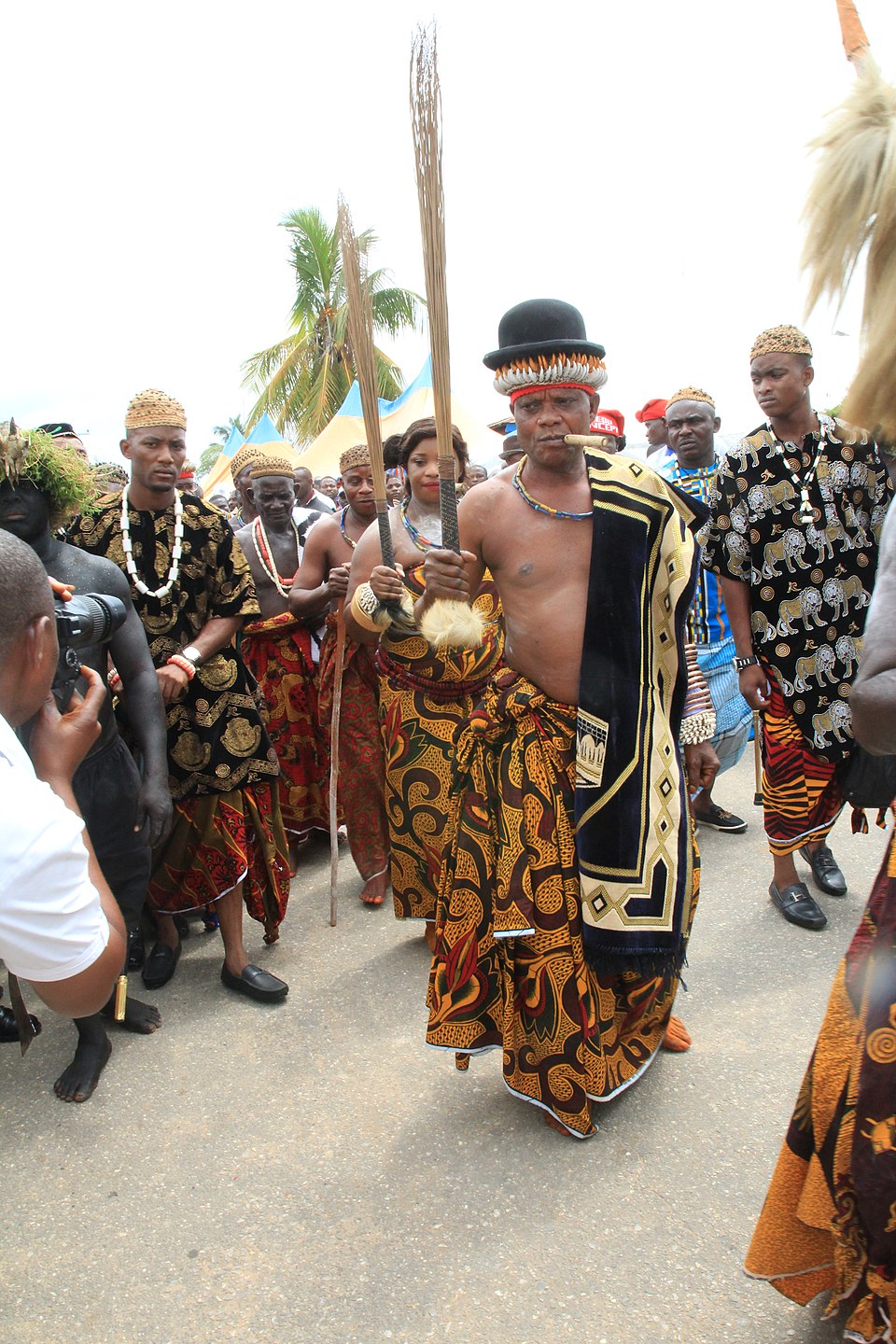
Historical context
Historical Foundations of Yakurr Defensive Culture
- Migration as a Source of Defensive Identity
The Yakurr migration narrative is central to understanding their defensive orientation. Oral traditions state that the Yakurr fled from their original homeland in the present-day Cameroon–Cross River border region due to political conflicts and warfare. Their journey was marked by hardship, ambushes, and environmental challenges. This traumatic migration made self-defense a cultural priority and instilled a collective sense of vulnerability.
- The Ugep Settlement After Forced Displacement
Upon arriving in the Ugep area, the Yakurr settled not for expansion, but for safety and survival. Ugep, the largest Yakurr settlement, became a defensive stronghold. Its location surrounded by thick vegetation, rocky grounds, and natural water sources was deliberately chosen for ease of protection rather than agricultural fertility. The early settlers fortified the environment and coordinated collective security practices, shaping Ugep’s identity as a defensive community.
Defensive Settlement Patterns and Architecture
- Compact Settlement Formation
Traditional Yakurr settlements, including Ugep, were constructed in clustered patterns that allowed rapid mobilization in times of threat. Houses were built close together, often without large open spaces, creating a maze-like environment ideal for confusing attackers. This structural density served military functions, similar to many forest-based communities in the Cross River region.
- Use of Natural Barriers and Terrain
The Yakurr relied heavily on the natural landscape to enhance defense. According to Asibong, Ugep’s environment provided a natural fortress due to swampy areas, forests, and hills. Settlement planning took into account hidden escape routes, defensive positions, natural chokepoints, elevated areas for surveillance. The people were deeply aware of their terrain and used it to their advantage.
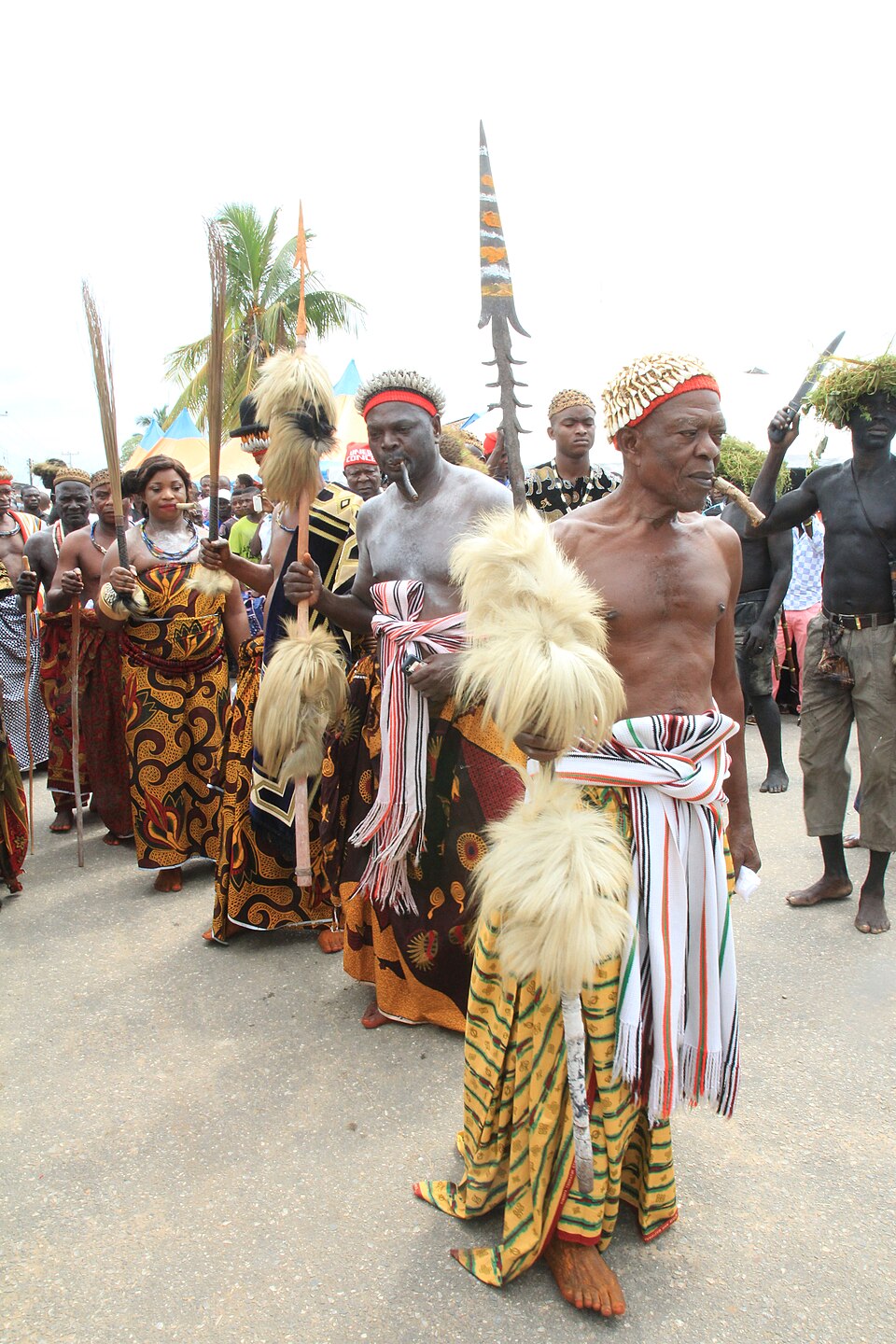
Warfare and Defensive Tactics
- Communal Defense as a Social Duty
Unlike states with professional warrior classes, the Yakurr employed a communal defense system. Every adult male was obligated to take part in community defense. Warfare was driven by necessity, protection of territory, retaliation for attacks, or defense of honor not expansionist ambition.
According to Ejituwu, Yakurr warfare emphasized quick strikes, ambushes, and tactical retreats rather than long campaigns. This defensive orientation minimized casualties and preserved the population.
- Weapons and Indigenous Technology
The Yakurr made use of locally forged weapons such as Spears, Bows and arrows, Shields from animal hides, Clubs and machetes. Though they were not major gun manufacturers like the Awka or Nkwerre smiths, the Yakurr utilized imported firearms during the 19th century for added defense, acquired through coastal intermediaries.
- War Dances and Psychological Warfare
The Yakurr also practiced ritualized displays of strength, including war dances like the “Obam” performance, which acted as psychological deterrents. These were not merely aesthetic but strategic; they communicated readiness, unity, and spiritual empowerment.
Socio-Political Institutions Supporting Defense
- The ‘Lebe’ Cult and Spiritual Protection
Yakurr traditional religion integrates spiritual protection closely with physical defense. The Lebe cult, central to Yakurr identity, maintained sacred shrines believed to protect the community from external harm. Priests performed rituals before battles, invoking ancestral spirits for strength and guidance.
This spiritual system reinforced solidarity and boosted morale during conflict.
- Age-grade systems (Ekoi)
Yakurr social life is organized around powerful age-grade systems, which function as defensive units, community police, labor teams, and law enforcement bodies.
Each age grade had clearly defined defensive duties. During wartime, age grades coordinated surveillance, carried out punitive expeditions, and enforced internal discipline.
- Leadership and Council Governance
Political power among the Yakurr was distributed among councils of elders rather than a centralized monarchy. These councils were responsible for mobilizing defense, organizing peace negotiations, and regulating inter-group relations. This decentralized system allowed rapid decision-making and minimized internal power struggles that could weaken communal defense.
Diplomacy and Defensive Alliances
- Avoidance of Expansionist Warfare
The Yakurr did not seek territorial conquest. Instead, they maintained diplomatic relations with neighboring groups such as the Agoi, Bahumono, and Ekori peoples. Trade, marriage alliances, and ritual exchange acted as conflict-prevention mechanisms.
- Oath-taking and Peace Pacts
A unique Yakurr practice involved ritual oath-taking between communities to prevent conflict. These oaths were considered spiritually binding and carried severe supernatural penalties if violated. Such agreements played a critical role in maintaining regional stability.
Cultural Expressions of Defense
- Annual New Yam Festivals and Commemoration
The Yakurr’s popular Leboku New Yam Festival is often interpreted as a celebration of abundance, but it also reinforces community cohesion and commemorates ancestral survival. It is partly rooted in the memory of migration and the need to honor the ancestors who defended the community through the crisis.
- Oral Traditions and Memory Preservation
Yakurr oral history emphasizes bravery, migration struggles, and communal strength. These stories shape identity and serve as moral lessons for younger generations, ensuring that defensive values are preserved.
The defensive nature of the Yakurr (Ugep) people emerges from a complex interplay of migration history, environmental conditions, communal warfare traditions, spiritual beliefs, and diplomatic strategies. Their focus on defense rather than expansion reflects both their traumatic origins and their pragmatic adaptation to the forested Cross River landscape. Through fortified settlements, age-grade systems, spiritual institutions, and strategic diplomacy, the Yakurr built a resilient society that prioritized survival, unity, and cultural preservation.
Sources and references
- Asibong, A. (2014). Landscape, memory, and migration in Yakurr history. University of Calabar Press.
- Ejituwu, C. N. (1991). Warfare and society in the Cross River region. Port Harcourt University Press.
- Ubi, E. & Itamu, P. (2001). Yakurr: Origins, migration, and identity. Calabar Historiographical Series.
Cite this article
Discussion
Sign in to join the discussion
Comments are checked by an editor before they appear. Leave a source or a correction and it is read first.
Continue reading
Related histories
 Anthropology and EthnographyThe Demography of Biafran Slave Exports (1650–1850)Read history →
 Anthropology and EthnographyMasquerade Traditions from Igboland to the Caribbean (Jonkonnu, Mocko Jumbie)Read history →
 Anthropology and EthnographyMapping Igbo Destinations in the Americas: A Comparative AnalysisRead history →
No comments yet
Nothing has been approved on this record yet. Comments are checked by an editor before they appear, so one written now shows on this page after that check.