 Ozikoro
Anthropology and Ethnography · Published history
The Divergent Daughters: Comparing the Cultures of Igboid Subgroups
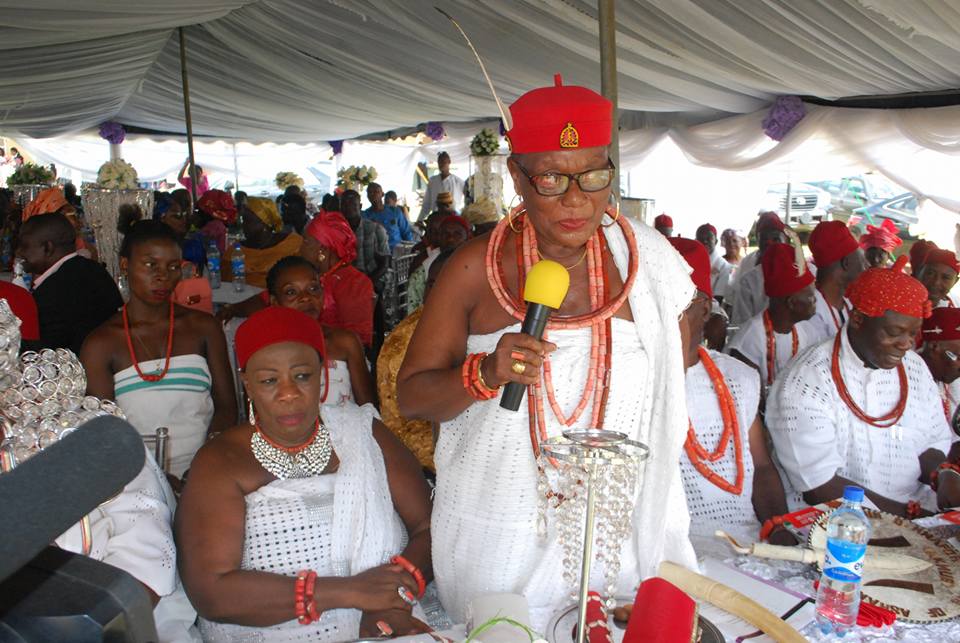
The word “Igbo” often brings to mind a single ethnic identity, but anyone who has studied the region knows this isn’t the full picture. The Igbo cultural zone is not a monolith, it is a constellation. Within it are multiple Igboid subgroups, each with its own history, dialect, customs, worldview, and artistic style. From the riverine Ndoki to the forest-dwelling Nsukka communities, from the Anioma people of the West to the Arochukwu traders of the East, the Igboid space is a tapestry woven from many threads.
The written record
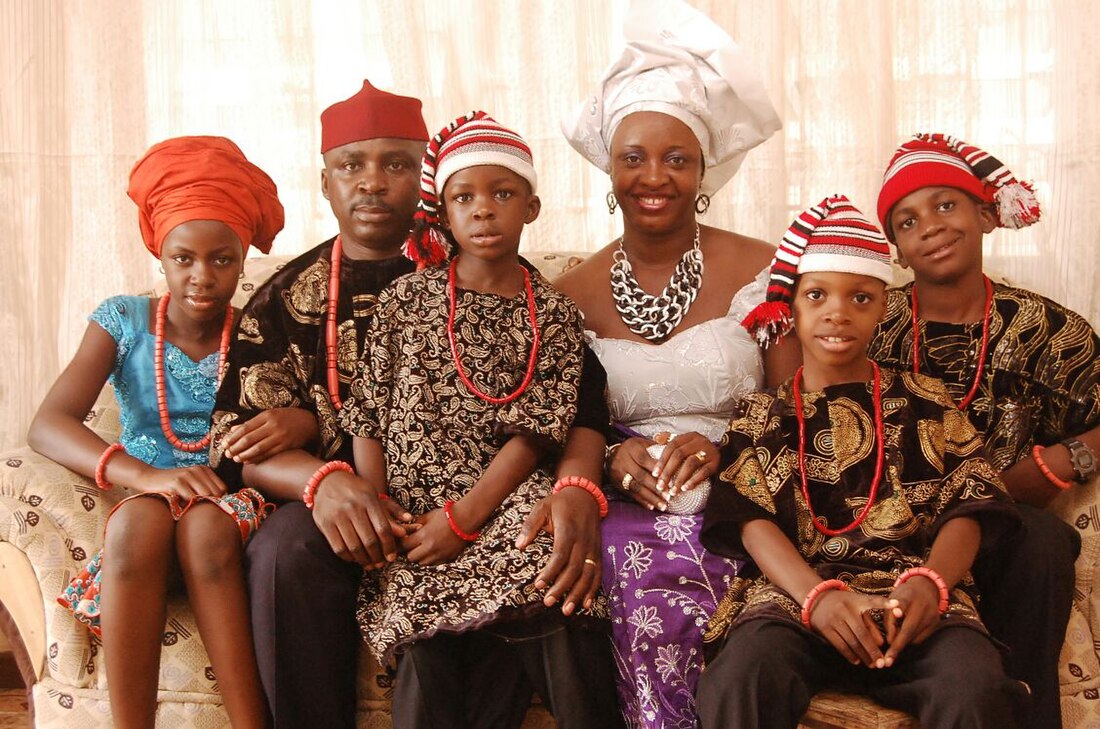
These subgroups share a common ethnic root, but their cultural differences shaped by geography, migration, political evolution, and external contact, create a fascinating story of identity.
Historical context
Understanding the Igboid Cultural Sphere
Scholars often use the term “Igboid” to refer to the clusters of languages, dialects, and cultures connected to the historical Igbo civilization. According to Afigbo, the Igbo are better understood as a “culture area” rather than a centrally organized tribe. This helps explain why traditions differ significantly across regions.
Some major Igboid subgroups include:
Anioma (Western Igbo)
Nsukka (Northern Igbo)
Arochukwu and Abiriba (Eastern Igbo)
Nri/Igbo-Ukwu (Central Igbo heartland)
Ndoki, Asa, and Ogba (Cross-River-influenced Igbo)
Ikwerre and Etche (Igboid but politically distinct groups)
Onicha, Ogbaru, and Osomari (Riverine Igbo)
Ngwa, Owerri, Mbaise (Southern Igbo)
Though they share ancestry and certain foundational beliefs, these groups developed their own micro-cultures based on their environments.
Language and Dialect: A Spectrum of Speech
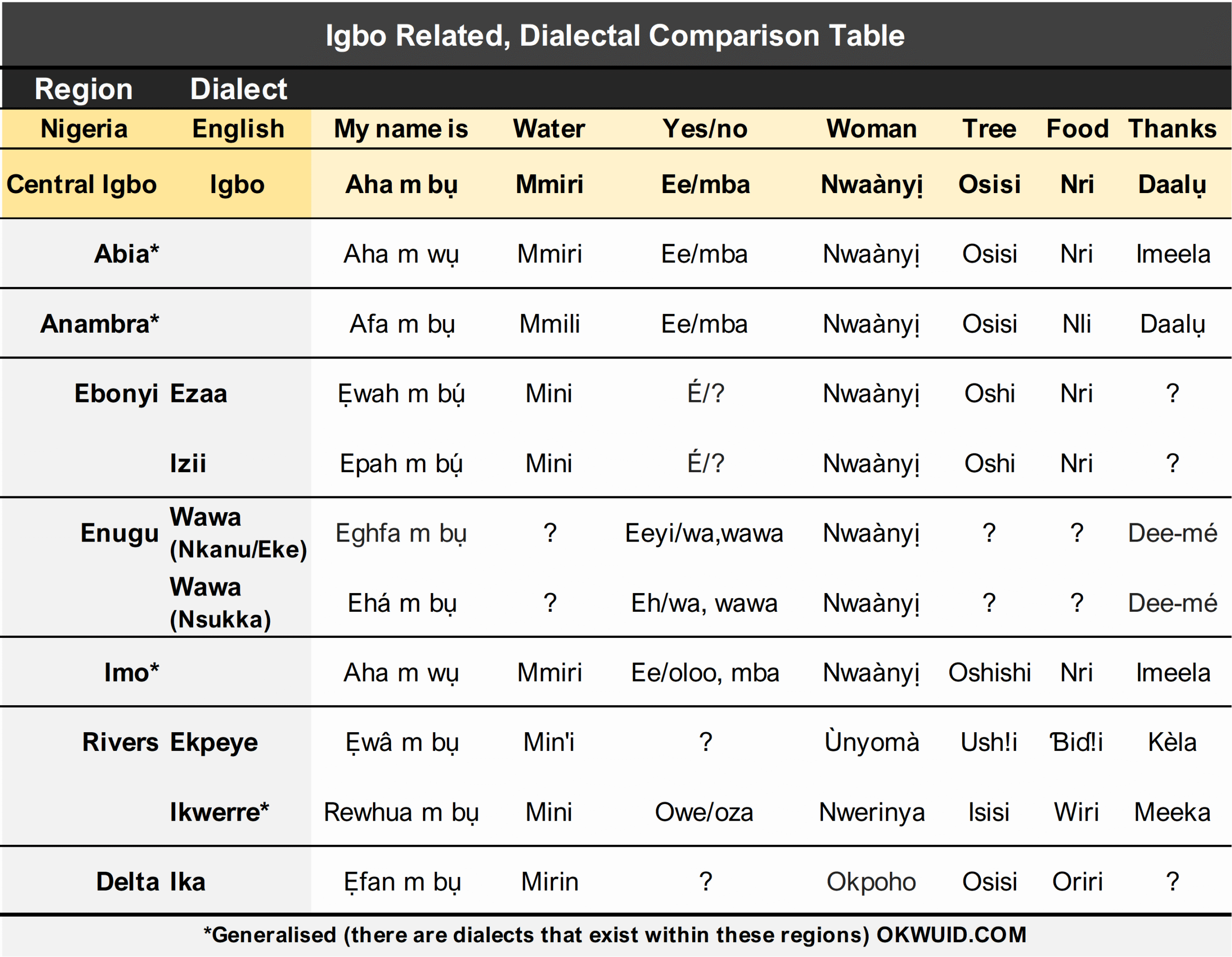
Perhaps the clearest divergence among Igboid subgroups lies in dialectal variation. Linguists describe Igbo as one of the most internally diverse languages in West Africa. A speaker from Onitsha may understand only parts of Nsukka Igbo, while an Anioma speaker may switch between Igboid, Edoid, and Yoruba loanwords due to historical interactions.
Examples of dialectal differences:
Anioma Igbo: Softer intonation influenced by Edo and Yoruba neighbors.
Nsukka Igbo: Known for unique “r” and “gh” sounds and distinctive proverbs.
Ngwa/Owerri Igbo: Rich tone patterns used in music and chants.
Arochukwu/Abiriba Igbo: Heavily influenced by centuries of long-distance trade.
Ikwerre/Etche: Often categorized as Igboid but politically considered distinct ethnicities.
Despite differences, all dialects share foundational grammar structures and vocabulary, allowing for broad mutual intelligibility when spoken slowly.
The Igbo are famous for their acephalous (stateless) political structure, but this structure expressed itself differently across regions.
1. Central Igbo (Nri, Igbo-Ukwu)
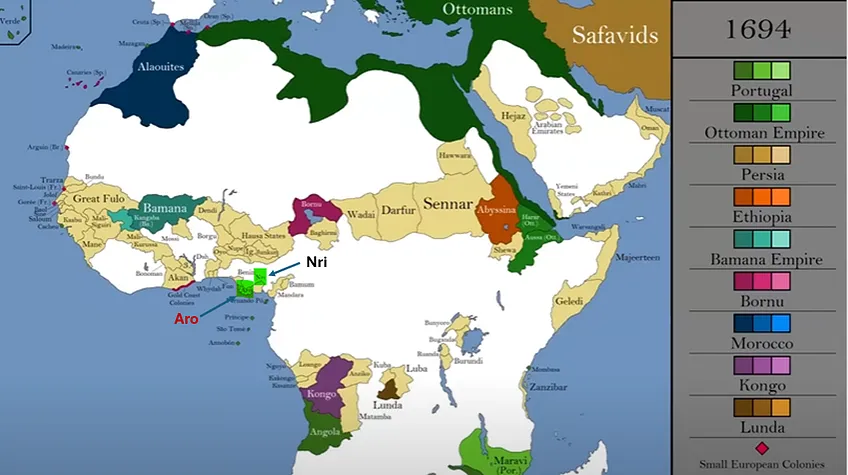
Here, political power was spiritual rather than governmental. The Eze Nri acted as a priest-king who ritually cleansed the land. Historically, he did not rule by force.
2. Arochukwu Region
Aro developed a more centralized commercial-theocratic network. Their influence spread through a combination of trade, oracle consultation (the “Ibini Ukpabi”), and alliances.
3. Western Igbo (Anioma)
Due to interaction with Benin and Yoruba states, Anioma communities developed more structured kingship systems (e.g., the “Obi of Asaba,” “Obi of Agbor”).
4. Northern Igbo (Nsukka)
Nsukka villages maintained strict egalitarianism but had age-grade systems and the powerful “Oha” assembly. Men’s title associations like Ozo shaped leadership.
5. Southern Igbo (Owerri, Mbaise, Ngwa)
These maintained well-organized village democracies with strong age grades such as Egbebu, Nto, and Uke.
These differences show that Igbo political life was flexible and deeply tied to ecology and external influences.
Religion and Spiritual Worldview; While belief in Chukwu (The Great Spirit) and Ani/Ala (Earth Mother) is universal, subgroups express spirituality differently.
Central Igbo (Nri/Igbo-Ukwu); They emphasize ritual purity, taboo observance, and ancestral continuity. Nri priests historically travelled far to cleanse communities and settle disputes.
Riverine Igbo (Ogbaru, Onicha); Their spiritual world incorporates water deities like Idemili, Onishe, Udo, and Nne Mmiri.
Anioma; Anioma religion blends Igbo cosmology with Edo-influenced shrine traditions and riverine cults such as Ezeani and Ezenwali.
Aro/Abiriba; The Ibini Ukpabi oracle shaped their economic and social life, giving them regional influence.
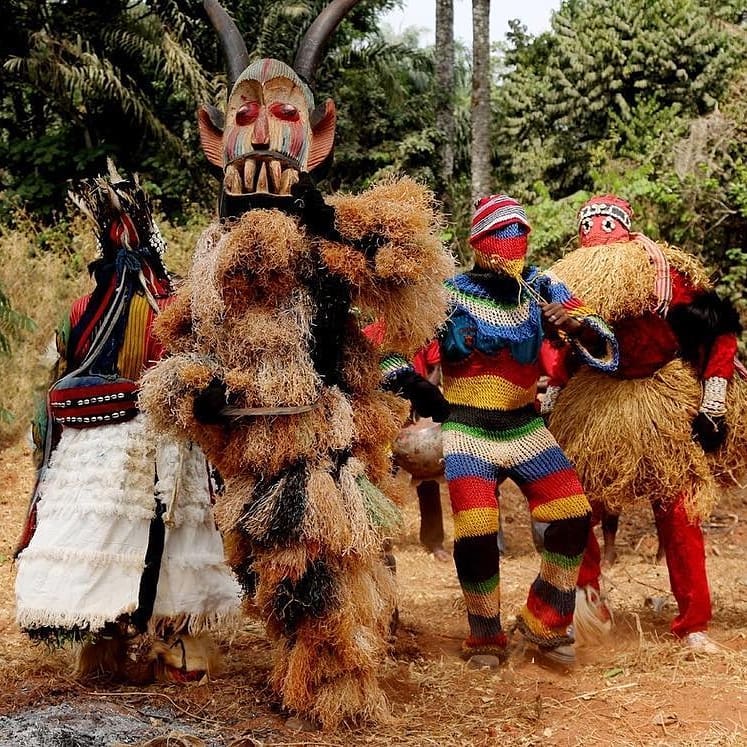
Northern Igbo (Nsukka); Known for masquerade riches; Omabe, Odo, and Ogba which reflect the living relationship between the ancestors and the world.
Despite differences, all Igboid subgroups share belief in:
Reincarnation (“Ilo uwa”)
Ancestral veneration
Chi (personal destiny spirit)
Ofo (symbol of justice)
Sacred earth (Ani/Ala)
Art, Music, and Cultural Expression
The diversity of Igboid arts is one of the most striking features of the culture.
Central Igbo;
Known for bronze casting (Igbo-Ukwu), uli body/ wall painting, and ritual symbolism.
Arochukwu, Abiriba;
Renowned for elaborate architectural carvings, large gate houses, and textile wealth.
Anioma;
Home to Ekobe music, royal dances, and Edo-influenced regalia.
Owerri/Ngwa/Mbaise;
Famous for traditional egwu mgba (wrestling dance), rhythmic singing, and masquerades.
Nsukka;
A center for visual symbolism, modern art movements, and masquerade traditions.
Riverine Igbo;
Music often incorporates flutes, drums, and water rhythms.
The shared artistic foundation is visible, but each subgroup adds its own flavor due to terrain, contact, and history.
Economic Life and Environment
Geography plays a central role in shaping Igboid diversity.
Forest Belt (Owerri, Nsukka, Central Igbo);
Communities farm yam, cocoyam, and palm produce. The landlocked terrain created decentralized, self-governing village clusters.
Riverine Areas (Onicha, Ogbaru, Osomari);
Their proximity to the Niger encouraged fishing, canoe-making, and regional trade.
Western Igbo (Anioma);
A mix of forest and riverine life; historically farmers, traders, and craftspeople interacting with Benin and Yoruba markets.
Aro Confederacy;
Dominated long-distance trade routes reaching Cameroon and Equatorial Guinea.
These environmental conditions shaped not only the economy but also political and cultural styles.
Despite their differences, the Igboid subgroups share deep cultural bonds:
Respect for the earth goddess Ala
Emphasis on individual achievement (“ikenga”)
Strong extended family and lineage systems
Age-grade organization
A democratic ethos
High value placed on trade, education, and mobility
The Igbo world is a family of related cultural daughters, each growing in different directions but rooted in the same ancient heritage.
In essence, the Igboid subgroups demonstrate how a single ethnic identity can evolve into multiple cultural expressions without losing coherence. From dialect to politics, spirituality to art, each subgroup reflects its historical encounters and ecological environment. Yet, the shared structure, cosmology, social organization, and values, reveals a common ancestry. Studying these “divergent daughters” helps us appreciate the richness of Igbo civilization and dispels the myth of Igbo cultural uniformity.
Sources and references
- Afigbo, A. E. (1981). Ropes of sand: Studies in Igbo history and culture. Oxford University Press.
- Green, M. M., & Igwe, G. E. (1963). A descriptive grammar of Igbo. Oxford University Press.
- Isichei, E. (1976). A history of the Igbo peop le. Macmillan.
- Talbot, P. A. (1926). The peoples of Southern Nigeria: A sketch of their history, ethnic relations and culture. Oxford University Press.
Cite this article
Discussion
Sign in to join the discussion
Comments are checked by an editor before they appear. Leave a source or a correction and it is read first.
Continue reading
Related histories
 Anthropology and EthnographyThe Demography of Biafran Slave Exports (1650–1850)Read history →
 Anthropology and EthnographyMasquerade Traditions from Igboland to the Caribbean (Jonkonnu, Mocko Jumbie)Read history →
 Anthropology and EthnographyMapping Igbo Destinations in the Americas: A Comparative AnalysisRead history →
No comments yet
Nothing has been approved on this record yet. Comments are checked by an editor before they appear, so one written now shows on this page after that check.