 Ozikoro
 Anthropology and Ethnography · Published history
The Era of Great Duke Ephraim: Examining the Reign of the Nineteenth-Century “Merchant Prince” Who Consolidated Efik Power
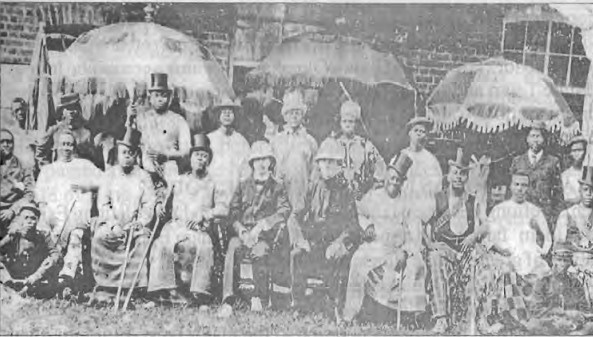
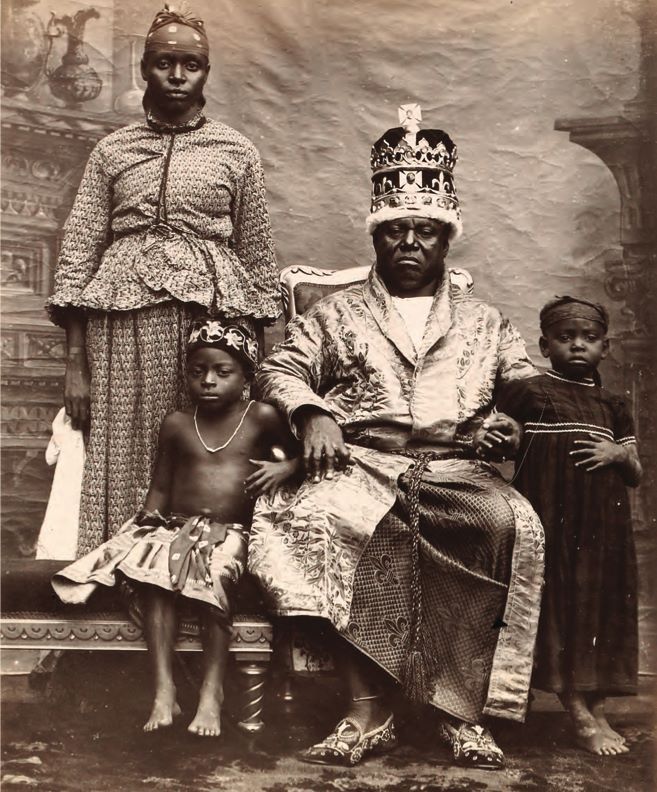
Great Duke Ephraim (often referred to as Duke Ephraim or Ephraim Duker) is remembered in Efik and Niger Delta history as one of the most powerful political and commercial figures of the nineteenth century. His reign in Old Calabar coincided with dramatic economic transitions from the era of the trans-Atlantic slave trade to the expansion of legitimate commerce in palm oil. During this period, Old Calabar emerged as one of the most influential trading polities in West Africa. Duke Ephraim’s political authority, maritime diplomacy, and commercial acumen earned him the reputation of a “merchant prince,” a ruler who used business to consolidate power.
The written record
Historical context
Background to the Efik Ascendancy
Before Duke Ephraim’s rise, the Efik had settled in the Cross River region after migrations through the Ibom and Uruan hinterlands. By the eighteenth century, they were based in Creek Town, Duke Town, and Old Town, forming a network of coastal merchant elites who controlled riverine access to European ships. According to historical summaries, Old Calabar was deeply embedded in the slave trade, serving as a major export site until abolitionist pressure intensified in the early nineteenth century. Because Efik chiefs acted as commercial middlemen, political authority became intertwined with trade profits.
Merchant Power and the Slave Trade
Duke Ephraim emerged from an era when Efik rulers derived power through exclusive commercial relationships with European firms. These alliances granted chiefs access to firearms, luxury goods, and diplomatic support. During the final decades of the slave trade, the Efik elite resisted external constraints and maintained commercial primacy. Duke Ephraim’s family lineage belonged to the leading houses of Duke Town, whose chiefs functioned as quasi-sovereign actors capable of enforcing tariffs, imposing embargoes, and waging economic blockades against rivals.
Transition to the Palm Oil Economy
With Britain enforcing the suppression of slave exports, Duke Ephraim helped redirect Efik commerce toward palm oil, a commodity in high demand for industrial lubricants and soap production. As one historical analysis notes, West African coastal rulers “exercised remarkable adaptation through palm oil trade”. Duke Ephraim used his control to secure Efik dominance; canoe fleets transported produce from the interior to the coast, and foreign ships depended on the chiefs for brokerage. This economic transition strengthened the authority of the Efik houses, especially in Duke Town, where Ephraim was based.
Political Consolidation and Ekpe Authority
Efik governance in Duke Ephraim’s era was anchored in the Ekpe (Leopard) Society, which combined judicial, administrative, and enforcement power. Ekpe acted as the policing structure of trade, imposing fines, declaring trading sanctions, and resolving disputes. Under Duke Ephraim, Ekpe’s authority expanded, functioning as what one scholar terms a “state-like institution exercising coercive legitimacy”. By supervising Ekpe hierarchy, Ephraim consolidated political influence and curtailed rival merchant factions within the city-states of Old Calabar.
Diplomacy with European Powers
Because Old Calabar was essential to British, Spanish, and Portuguese commerce, Duke Ephraim’s reign included significant diplomatic engagement. Treaty negotiations later in the century culminating in the 1884–1885 Anglo-Efik agreements reflected decades of prior political maneuvering. Although many of these treaties were concluded after Duke Ephraim’s lifetime, his era laid the foundations of Efik-European diplomacy. Efik rulers were treated as sovereign commercial partners, not passive subjects.
Conflict, Coercion, and Merchant Competition
The competition for middleman advantage sometimes escalated into violent economic enforcement. Efik chiefs imposed trading boycotts or destroyed palm oil shipments from upriver groups who bypassed their tariffs. Some conflicts also emerged among Efik towns themselves: Creek Town and Duke Town periodically clashed over trading priority. Duke Ephraim’s tenure was characterized by aggressive protection of economic monopoly, a policy that secured profits but contributed to internal factionalism.
Cultural Prestige and the Image of the Merchant Prince
In Efik memory, Duke Ephraim represents a symbol of aristocratic wealth. Merchant princes wore imported clothes, commanded large retinues, and hosted elaborate diplomatic receptions. As Peter L. Shinnie has observed, the Niger Delta commercial elite blended African political legitimacy with European luxury consumption as markers of status. Duke Ephraim’s household exemplified this hybrid culture.
Legacy in Efik History
The legacy of Duke Ephraim is tied to the high-water mark of Efik commercial power. By the mid-nineteenth century, Old Calabar served as a major palm oil port and an influential center of political negotiation. While colonial establishments later diminished Efik diplomatic autonomy, the institution of the Obong and the prestige of merchant houses endured. The memory of Duke Ephraim also feeds into a broader historiographical narrative: African leaders shaped the terms of global exchange before colonial conquest.
The era of Great Duke Ephraim illustrates how commerce could function as a tool of statecraft in precolonial Africa. Through palm oil brokerage, maritime diplomacy, and Ekpe enforcement, the merchant elite of Old Calabar consolidated geopolitical influence along the Cross River. Duke Ephraim remains significant not only as an economic actor but also as a cultural symbol of Efik prestige. His reign demonstrates that African agency was not merely European intervention structured nineteenth-century trade and governance.
Sources and references
- Efik people. (2024). In Wikipedia.
- Old Calabar. (2024). In Wikipedia.
- Jones, G. I. (1963). The trading states of the Oil Rivers.
- Lynn, M. (1997). Commerce, industry and empire: The palm oil trade in the nineteenth century.
- Obong of Calabar. (2024). In Wikipedia.
Cite this article
Discussion
Sign in to join the discussion
Comments are checked by an editor before they appear. Leave a source or a correction and it is read first.
Continue reading
Related histories
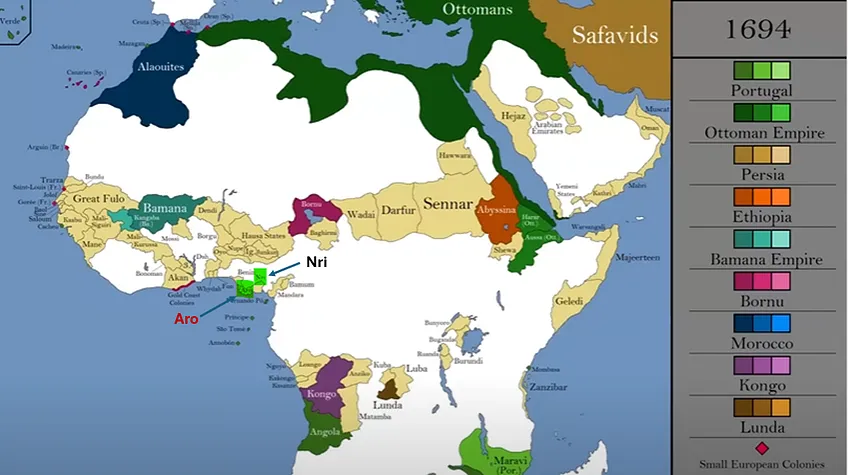 Anthropology and EthnographyThe Demography of Biafran Slave Exports (1650–1850)Read history →
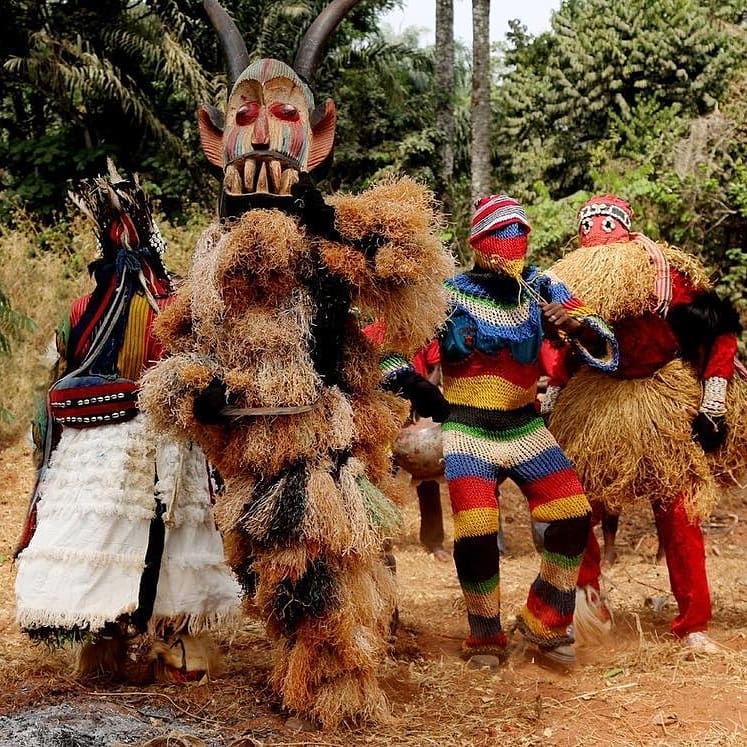 Anthropology and EthnographyMasquerade Traditions from Igboland to the Caribbean (Jonkonnu, Mocko Jumbie)Read history →
 Anthropology and EthnographyMapping Igbo Destinations in the Americas: A Comparative AnalysisRead history →
No comments yet
Nothing has been approved on this record yet. Comments are checked by an editor before they appear, so one written now shows on this page after that check.