 Ozikoro
 Anthropology and Ethnography · Published history
The ‘Eze Uzu’ (King of Blacksmiths): Examining the Socio-Political Power of the Awka Iron-Working Guilds During British Pacification
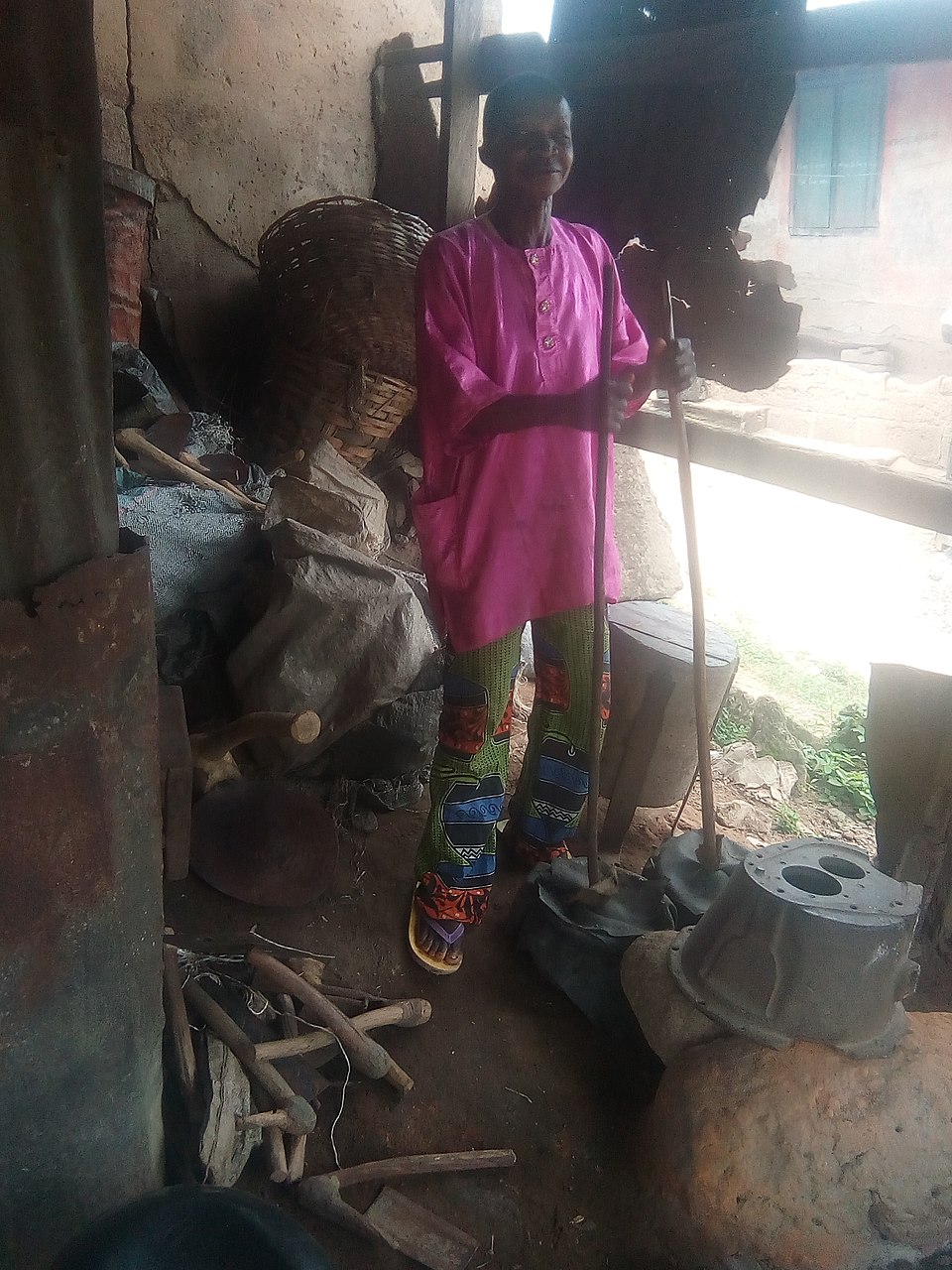
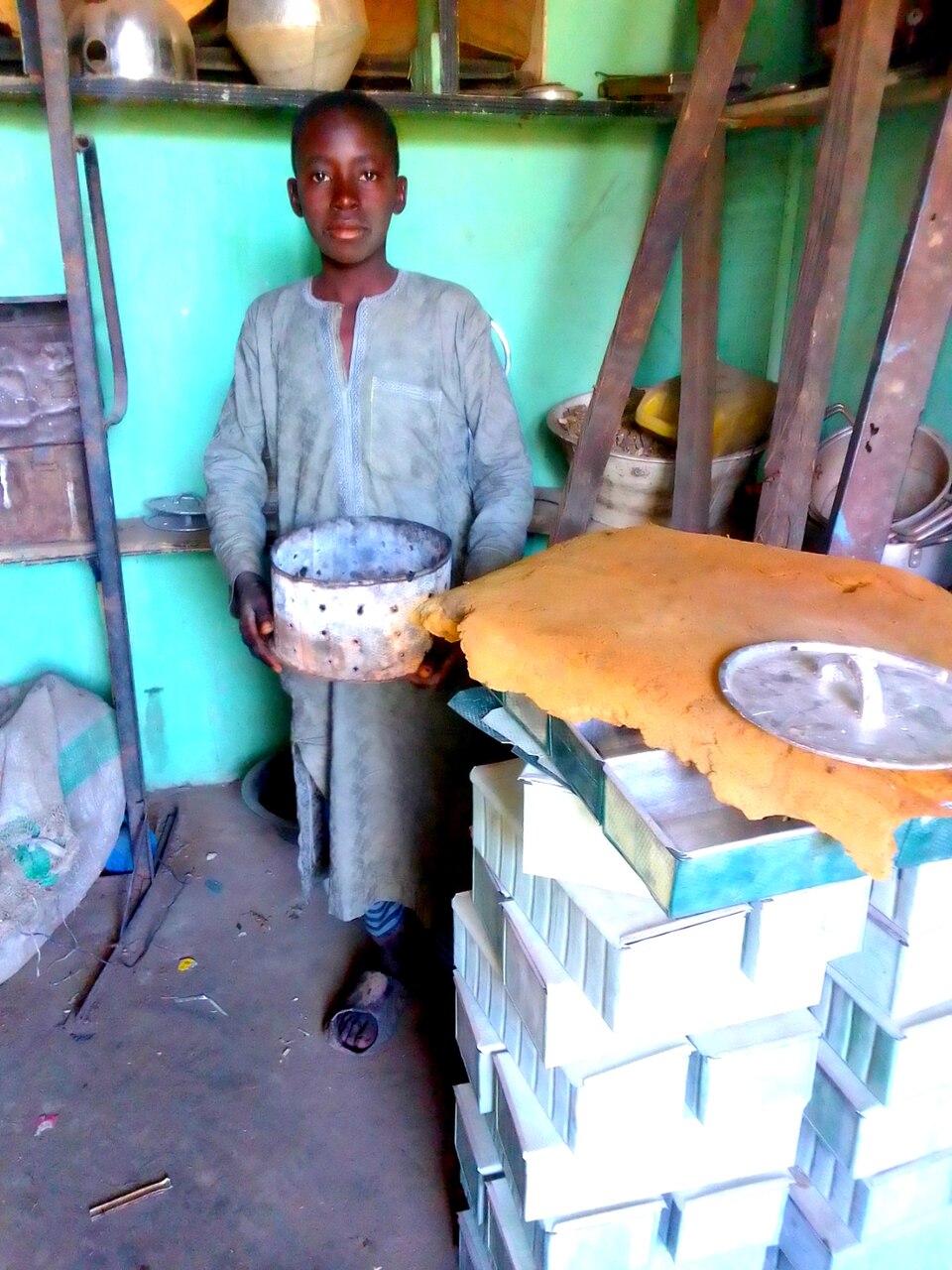
Photo credit: Hajjare, via Wikimedia Commons.
The written record
The Awka people of southeastern Nigeria developed one of the most sophisticated indigenous iron-working cultures in West Africa. Their mastery of iron smelting, gun-making, and tool production elevated them into an elite guild structure overseen by the “Eze Uzu,” often described as the “King of Blacksmiths.” During the late nineteenth and early twentieth centuries particularly the era of British pacification the Awka blacksmith guilds held substantial socio-political influence. Their mobility, skill, and the strategic value of their firearms made them indispensable across the Niger–Benue confluence. A key part of this influence was their practice of itinerant craftsmanship traveling long distances to produce weapons, repair iron tools, and introduce gun-making technologies to other communities.
Historical context
Historical Background of Awka Iron Technology
Awka smithing traditions are among the oldest in Igboland, with oral histories linking their craft to ancestral founders who discovered iron ores around the Odo River. According to ethnographic research, Awka smiths developed a specialized apprenticeship system that produced highly skilled ironworkers capable of creating farming tools, ritual objects, metal currency, and crucially guns. Articles note that Awka smiths produced “Dane guns and other iron weapons” for a wide network of communities across present-day southeastern Nigeria.
Before colonial conquest, firearms had become essential for hunting, warfare, and status display. The ability to manufacture and repair guns gave Awka craftsmen significant economic and political leverage. Their guilds were not casual associations but structured institutions overseen by the Eze Uzu, who regulated production, trained apprentices, mediated disputes, and maintained the spiritual protection of the craft. As with the Benin bronze casters or the blacksmith lineages in Nok and Yoruba societies, ironworkers were revered as custodians of sacred knowledge.
The Itinerant System of Awka Smiths
- Why Awka Smiths Traveled
One of the most defining features of the Awka blacksmith guild was their itinerant tradition. Rather than concentrating all production in Awka, craftsmen traveled in pairs or small teams to other communities. Several reasons explain this mobility:
Resource Access: Iron ore deposits across Igboland were uneven, so smiths traveled to locations where ore or charcoal was abundant.
Commercial Demand: Many communities lacked their own expert gunsmiths and relied on Awka specialists.
Diplomatic Protection: Awka smiths were welcomed almost everywhere because communities respected their craft and believed they brought spiritual value.
Colonial anthropologist Northcote Thomas documented how Awka craftsmen crossed the Niger–Benue corridor, exchanging firearm-making knowledge with Igala, Idoma, Igede, Ebira, and Nupe communities.
- Spread of Gun-Making Technology
The spread of indigenous firearm technology was one of the most profound outcomes of Awka itinerancy. The Awka gunsmiths introduced:
Improved flintlock mechanisms,
Indigenous “long Dane gun” adaptations,
Repair techniques for imported rifles,
Smelting furnace designs suitable for portable production.
These exchanges significantly strengthened local military capacities, especially during periods of inter-group conflict and early colonial resistance. The Niger-Benue region became an active zone of technological diffusion, largely driven by Awka craftsmen.
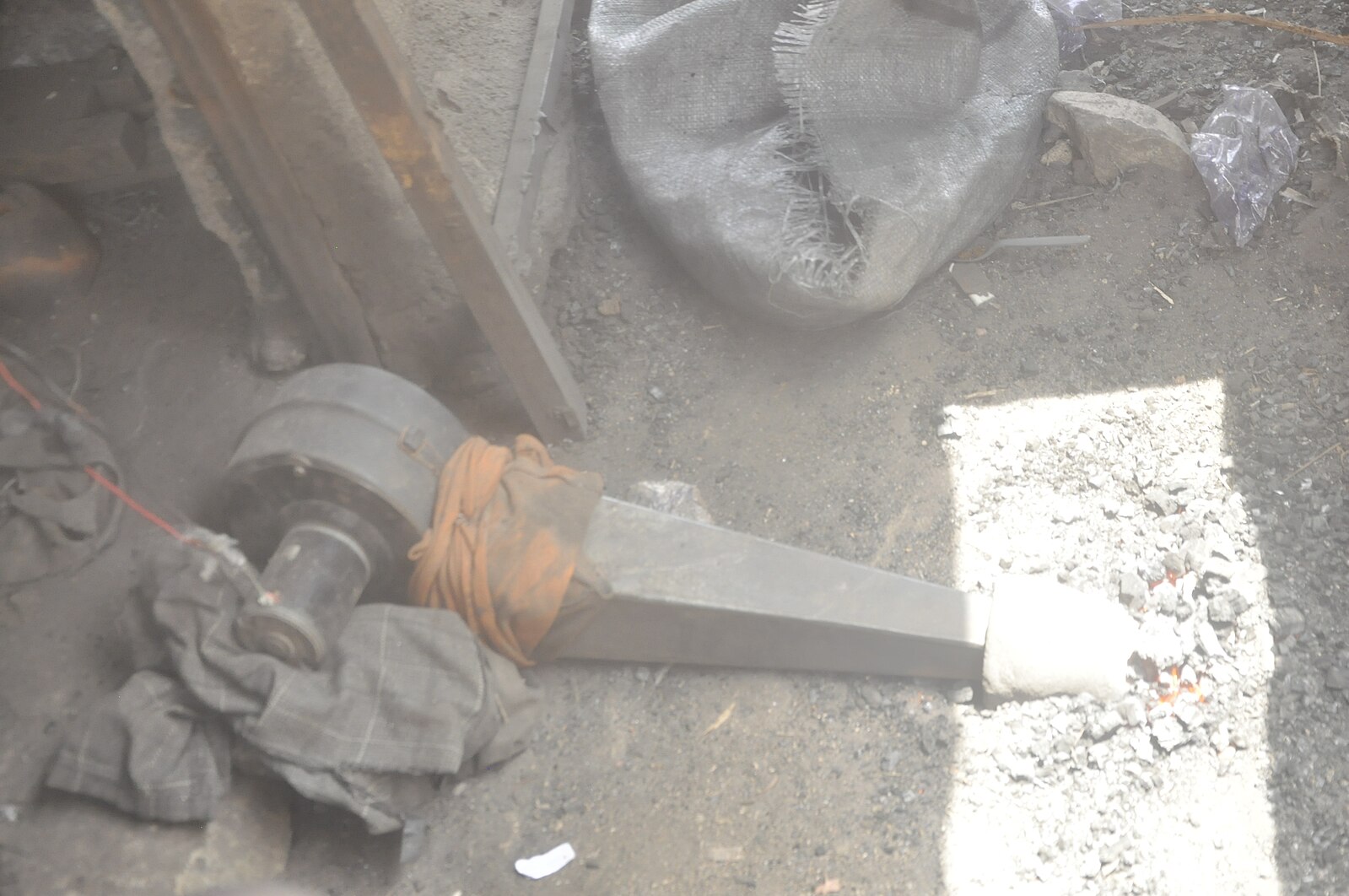
Photo credit: Friday musa, via Wikimedia Commons.
The Eze Uzu and Political Authority of the Guild
- Leadership Structure
At the apex of the blacksmith hierarchy stood the Eze Uzu, an office combining political, religious, and economic authority. He functioned as:
Chief regulator of the craft,
Mediator in inter-guild conflicts,
Custodian of spiritual rites associated with iron (anyi n’ogu),
Coordinator of itinerant missions and
Diplomat between Awka and other kingdoms. The Eze Uzu’s authority reinforced the unity and prestige of the guild, allowing Awka smiths to speak with one voice in regional matters.
- Political Influence During British Pacification
British colonial officers quickly realized the strategic importance of Awka gunsmiths. Their weapons powered indigenous resistance across southeastern Nigeria. As a result, the British sometimes imposed restrictions on gun production, similar to the bans faced by Nkwerre gunsmiths. However, the Awka guild survived by operating semi-underground, repairing weapons discreetly, and dispersing production through itinerant craftsmen.
The Eze Uzu often mediated negotiations between Awka communities and colonial officers, striving to protect the guild from outright suppression. Through diplomacy and mobility, the smiths preserved significant autonomy even under colonial rule.
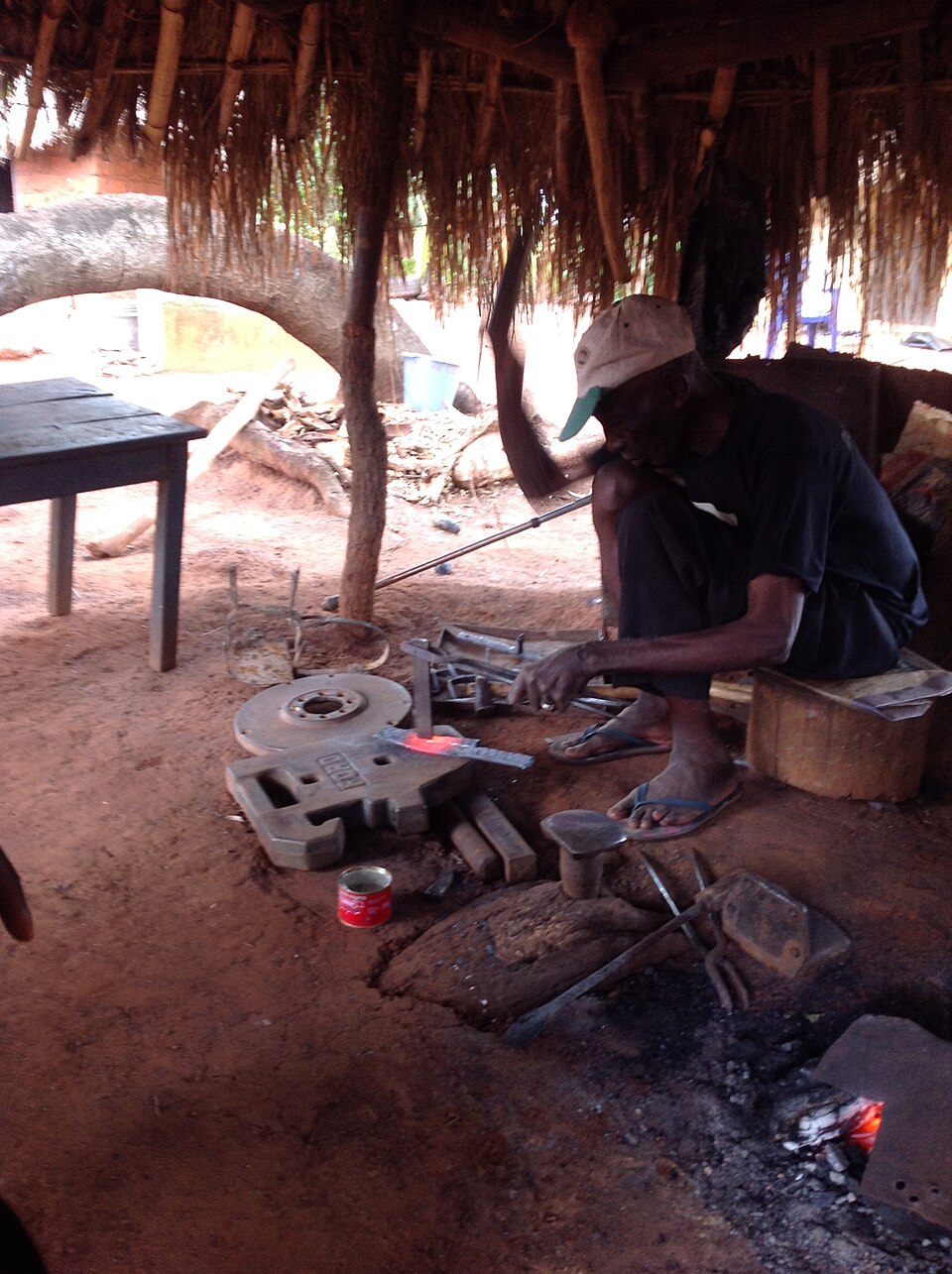
The Niger–Benue Confluence as a Technology Corridor
- Commercial Networks
The Niger–Benue region was a major trade corridor linking Hausa, Igbo, Jukun, Nupe, and Yoruba cultural zones. Awka gunsmiths thrived in this environment because:
Hunters required high-quality firearms.
Warriors needed repairs and custom gun fittings.
Kings and chiefs often maintained exclusive contracts with Awka smiths.
This corridor facilitated exchange not only of goods but also of metallurgical knowledge.
- Cultural and Military Impact
The presence of Awka smiths helped standardize firearm use across diverse communities. Their weapons contributed to:
The rise of hunter guilds
Localized warfare and defence systems
Ritual gun use during festivals
Development of regional iron-economy hubs. These influences persisted even after colonial firearm regulations became stricter.
Colonial Suppression and Survival Strategies
- British Firearms Policies
By the early 1900s, the British considered indigenous gun-making a threat. Ordinances such as the 1907 “Firearms Ordinance” criminalized unlicensed gun production. However, suppression was inconsistent. The Awka system survived because:
Their workshops were mobile.
Smiths could hide tools and furnaces easily.
Some chiefs protected them for economic benefits.
- Adaptation of the Guild
The guild adapted by shifting focus to:
Metal tools,
Ritual ironworks,
Repairing imported rifles instead of manufacturing new ones. Despite colonial pressure, the guild retained relevance even into the mid-20th century.
The Awka iron-working guilds, under the leadership of the Eze Uzu, exercised profound socio-political influence before and during British pacification. Their itinerant system enabled the spread of indigenous gun technology across the Niger–Benue confluence, shaping military and cultural landscapes of many communities. The combination of technological expertise, spiritual authority, and mobility allowed the guild to survive colonial suppression. Today, Awka’s legacy stands as a testament to African technological resilience and the regional impact of indigenous craftsmanship.
Sources and references
- Chikwendu, V. E. (1990). Traditional technology and colonial firearms policies in Eastern Nigeria. Journal of African History, 31(3), 395–413.
- Falola, T., & Heaton, M. (2008). A history of Nigeria. Cambridge University Press.
- Thomas, N. (1913). Anthrop ological report on the Ibo-speaking peoples of Nigeria (Vols. 1–4). London: Harrison & Sons.
Cite this article
Discussion
Sign in to join the discussion
Comments are checked by an editor before they appear. Leave a source or a correction and it is read first.
Continue reading
Related histories
 Anthropology and EthnographyThe Demography of Biafran Slave Exports (1650–1850)Read history →
 Anthropology and EthnographyMasquerade Traditions from Igboland to the Caribbean (Jonkonnu, Mocko Jumbie)Read history →
 Anthropology and EthnographyMapping Igbo Destinations in the Americas: A Comparative AnalysisRead history →
No comments yet
Nothing has been approved on this record yet. Comments are checked by an editor before they appear, so one written now shows on this page after that check.