 Ozikoro
 Anthropology and Ethnography · Published history
The Furnace as a Fecund Mother: Rituals and Symbolism
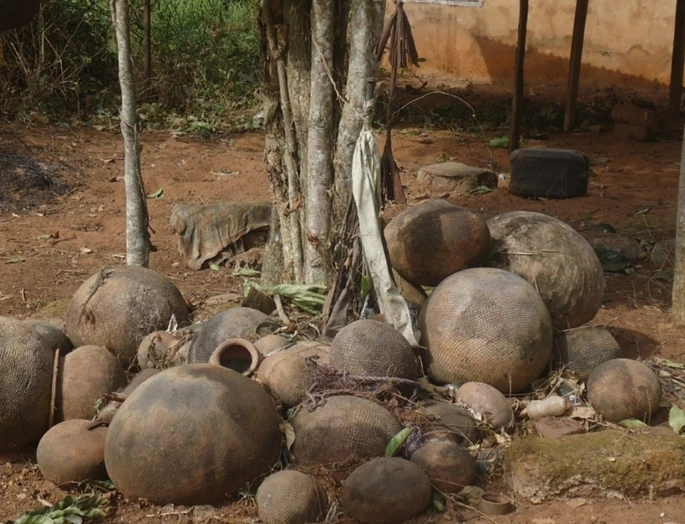
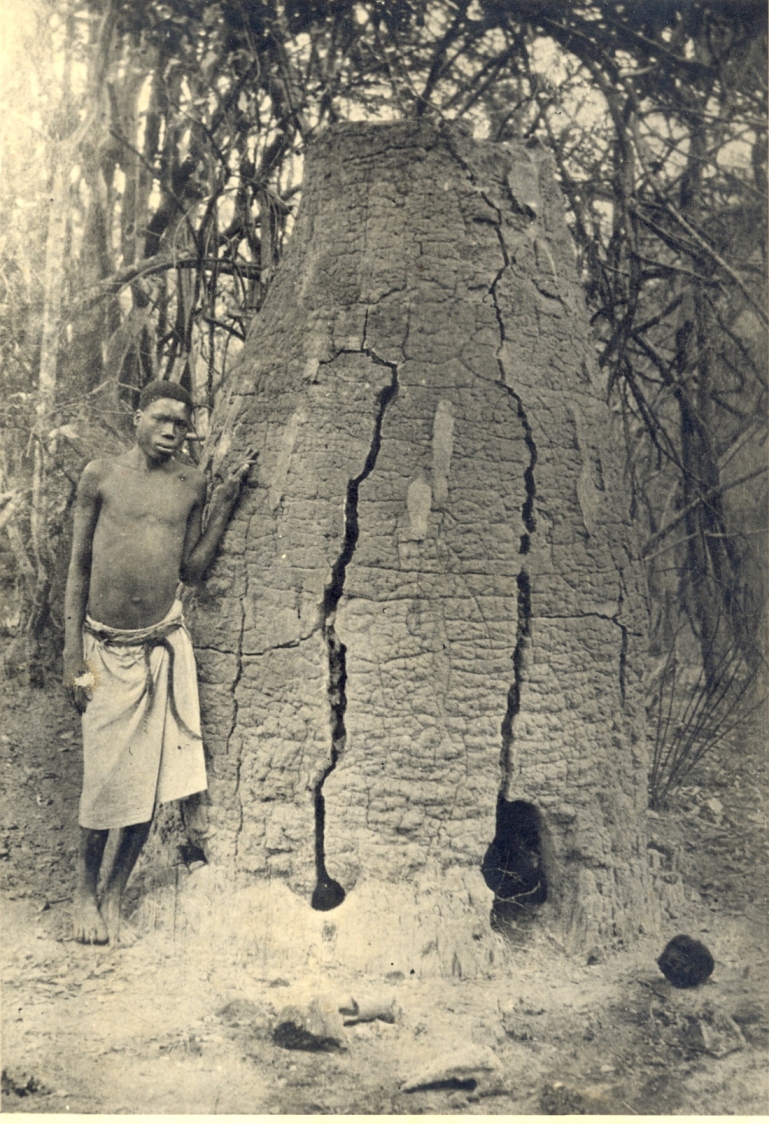
The written record
Across various African metallurgical traditions, furnaces were never seen merely as technological devices but as deeply symbolic entities embodying spiritual, social, and cosmological meanings. Within several Igbo manufacturing and ritual complexes, particularly those documented in Lejja, Opi, Awka, and other southeastern Nigerian communities the furnace is perceived metaphorically as a “fecund mother.” This metaphor reflects a worldview in which metalworking is intertwined with fertility, birth, creativity, and ancestral continuity. According to ethnographic accounts and studies inspired by archaeology and oral history, the furnace is considered a living being, one that conceives, gestates, and “delivers” metal in the same way a woman gives birth to a child.
Historical context
The Furnace as a Living Organism
In many African iron-smelting traditions, the furnace is treated as a sentient organism. Scholars have described how smelters imbue the furnace with human biological features such as a womb, breasts, and a birth canal to explain the transformation occurring inside. Among Igbo communities, the furnace’s circular or conical shape is associated with the female body. The interior chamber is likened to a womb (“afọ”), where raw ore is placed, nourished, and transformed.
Smelters often refer to charcoal and ore as “seeds,” representing the conception event. The bellows, operated rhythmically, simulate breathing or the life-force that sustains the unborn metal. Thus, iron production is not a mechanical process but a sacred gestation.
Ritual Preparations and Taboos
- Purification and Sexual Abstinence
Before smelting, a series of ritual preparations take place. Smelters may undergo purification rites to ensure their bodies and spirits are aligned with the process. Traditionally, participants practice temporary sexual abstinence to preserve ritual purity, reflecting the belief that mixing reproductive energies can disrupt the furnace’s “pregnancy.”
- Sacrifices and Offerings
Animal sacrifices often chickens or goats may be performed to appease local deities associated with earth, fire, or ancestors. In Lejja and Opi, archaeological findings suggest longstanding ritual practices tied to iron smelting, including offerings placed around slag mounds. Offerings are seen as “feeding” the furnace-mother to ensure a successful “delivery” of metal.
- Invocation of Ancestral Spirits
Smelters often invoke ancestral smiths and earth deities during the furnace lighting. According to oral traditions, these ancestors guide the smelting process, much like midwives assist in childbirth. The first sparks are treated with reverence, marking the awakening of the furnace’s life-force.
Birth Imagery in the Smelting Process
- The Opening of the Tap Hole
The moment when molten iron flows out of the furnace is symbolically charged. This act is described as the “delivery” or “birth” of the metal. Smelters use phrases indicating childbirth, referring to the molten iron as the “child” or “offspring” of the furnace. The bursting forth of slag is sometimes compared to amniotic fluid.
Women in some communities are restricted from being present at the tap hole due to the intense reproductive symbolism. However, in other traditions, certain elderly women symbolic “mothers” may play a ritual role.
- Cooling and Shaping as Nurturing
Once the iron is produced, smiths care for it as if nurturing an infant. The careful cooling, shaping, and handling of the hot metal represent the early stages of a child’s growth. Tools made from the iron are believed to carry the spiritual potency of the furnace-mother, giving them protective and ritual significance.
- The Furnace and Feminine Divinity
In Igbo cosmology, the Earth goddess “Ala” plays a central role in fertility and creativity. Because furnaces are dug into or built upon the earth, smelters interpret the iron production process as a collaboration between human skill and divine feminine power. The “birth” of iron is thus seen as a gift from Ala, sanctioned by ancestral spirits.
Other African metallurgical societies such as those documented in Tanzania, the Congo Basin, and among the Yoruba share similar symbolic frameworks. In some Yoruba narratives, Ogun, the god of iron, collaborates with feminine earth powers to actualize iron’s emergence.
Social and Economic Symbolism
- Metal as Wealth and Fertility
Iron tools signify productivity, prosperity, and fertility. Iron hoes lead to abundant harvests; iron weapons ensure protection; iron tools build homes. Thus, the metaphor of the furnace-mother extends into economic life: the womb of the furnace produces the wealth of the community.
- Gender Roles and Metaphor
Although smelting is traditionally a male-dominated occupation, its symbolism is deeply feminine. This gendered paradox shows how societies balance masculine labor with feminine cosmology. Men act as facilitators, but the furnace embodying feminine creative force remains the true generative agent.
Ritual Continuity and Decline
Industrialization, colonial impact, and the introduction of imported metals contributed to the decline of indigenous smelting practices. Yet, the symbolism persists in oral narratives, museum collections, and community memory. At archaeological sites such as Lejja, massive slag blocks stand as monumental testaments to centuries of ritualized metallurgy.
Even in contemporary Igbo society, the metaphor of the furnace as mother appears in proverbs and cultural expressions emphasizing creation, transformation, and endurance.
The symbolism of the furnace as a fecund mother offers profound insight into how Igbo and other African societies interpret technology through cultural, spiritual, and philosophical lenses. Iron smelting is understood not only as a technical process but as a sacred reproductive act. From ritual preparations to the “birth” of molten metal, every stage affirms a worldview where technology, nature, and spirituality merge.
Through the maternal symbolism embedded in furnace rituals, communities acknowledge the earth’s generative power, the ancestors’ guidance, and the enduring importance of craftsmanship.
Sources and references
- Childs, S. T. (1991). Style, technology, and iron smelting furnaces in Bantu-speaking Africa. Journal of Anthropological Archaeology, 10(4), 332–355.
- Holl, A. F. C. (2021). Archaeometallurgy and early African civilizations. African Archaeological Review, 38, 1–25.
- Oyelaran, P. (2020). Ironworking traditions in Nigeria: History, technology, and culture. Ibadan University Press.
- Wikipedia contributors. (2024). “Ironworking in Africa.” Wikipedia, The Free Encyclopedia.
Cite this article
Discussion
Sign in to join the discussion
Comments are checked by an editor before they appear. Leave a source or a correction and it is read first.
Continue reading
Related histories
 Anthropology and EthnographyThe Demography of Biafran Slave Exports (1650–1850)Read history →
 Anthropology and EthnographyMasquerade Traditions from Igboland to the Caribbean (Jonkonnu, Mocko Jumbie)Read history →
 Anthropology and EthnographyMapping Igbo Destinations in the Americas: A Comparative AnalysisRead history →
No comments yet
Nothing has been approved on this record yet. Comments are checked by an editor before they appear, so one written now shows on this page after that check.