 Ozikoro
 Anthropology and Ethnography · Published history
The “Golden Skin” Prince: The Reign of Olu Oyenakpagha (Antonio Domingos)
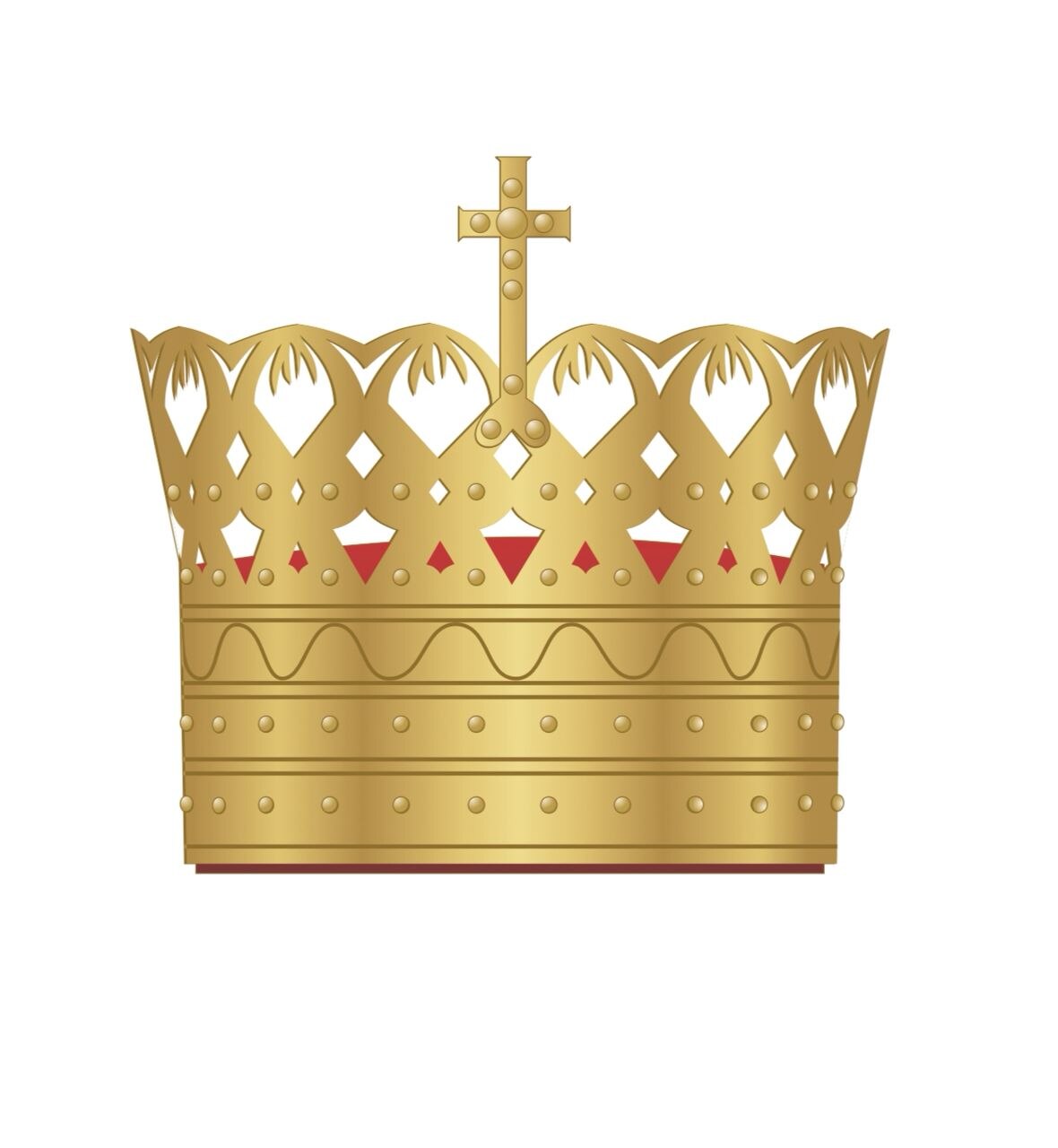
Olu Oyenakpagha, also known by his Christian name Antonio Domingos, remains one of the most culturally significant rulers in the history of the Warri Kingdom. Reigning in the mid-17th century, he was popularly remembered as the “Golden Skin Prince”, a title rooted in oral tradition describing his unusually fair, glowing complexion for which he became instantly recognizable. Beyond appearance, Olu Oyenakpagha played a transformative role in shaping the political, cultural, and diplomatic identity of the Itsekiri people. His reign was defined by strong ties with Portugal, the expansion of Christianity, the consolidation of royal authority, and the strengthening of succession traditions in Warri.
The written record
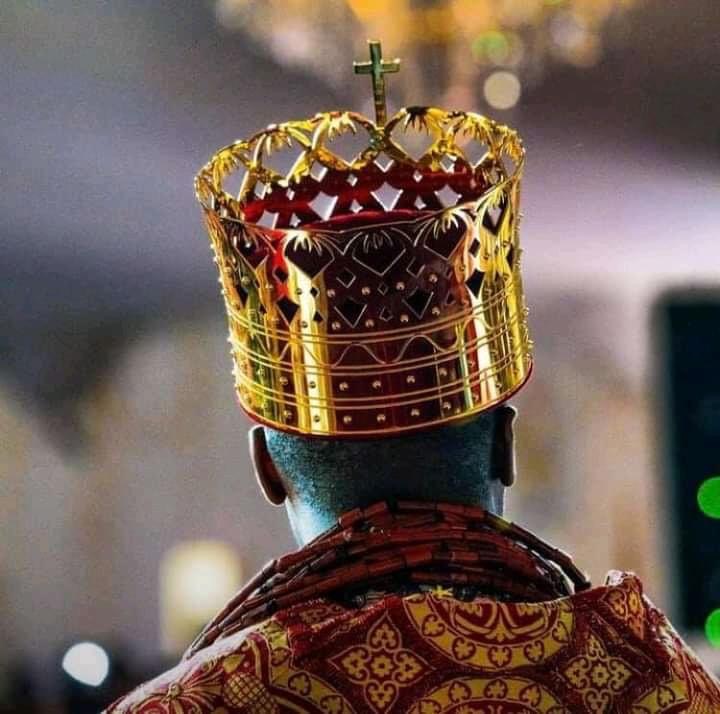
Photo credit; LordSnow242
Historical context
Background to His Ascension
- Lineage and Royal Heritage
Olu Oyenakpagha was a direct descendant of Olu Atuwatse I (Dom Domingos), the first sub-Saharan African university graduate, who studied at the University of Coimbra in Portugal. This lineage provided Oyenakpagha with a deeply embedded connection to European culture and Catholic Christianity. According to Itsekiri oral sources, he was raised in a culturally blended environment where Portuguese education, Christian teachings, and traditional royal customs co-existed harmoniously.
- Early Influences and Preparation for Kingship
European traders and missionaries documented the presence of educated Itsekiri elites during this period. The kingdom’s early access to literacy, particularly Portuguese, shaped Oyenakpagha’s intellectual development. His upbringing prepared him for a reign defined by diplomacy, literacy, and cultural hybridity. Portuguese missionary records highlight his familiarity with Christian rites and administrative literacy.
The Reign of Olu Oyenakpagha
- Establishing a Hybrid Political Identity
Olu Oyenakpagha’s reign strengthened the unique Itsekiri model of kingship, a fusion of Benin imperial traditions and European-influenced political culture. While the monarchy retained its Edo royal titles, regalia, and hierarchical court structure, the court also adopted aspects of Portuguese diplomatic protocol, Christian naming practices, and letter-writing traditions.
This dual identity mirrored Oyenakpagha himself, both a Benin prince and a Christian monarch bearing the name “Antonio Domingos.”
- Expansion of Christianity
Although his predecessors had already introduced Christianity, Oyenakpagha’s era saw deeper institutional entrenchment. Missionaries from the Portuguese sphere found Warri a more receptive environment than Benin City, partly due to the royal family’s long-standing European connections. Oyenakpagha permitted the establishment of additional chapels and expanded the influence of Christian teaching among the aristocracy. According to historical accounts, Portuguese padres viewed Warri as the most promising Christian center in the Niger Delta during the 17th century.
- Strengthening Relations with Portugal
Oyenakpagha sustained diplomatic correspondence with Portuguese authorities, preserving the ties first formalized by Olu Atorongboye (Sebastian I). These diplomatic communications, some preserved in Portuguese archives illustrate the Warri Kingdom’s active participation in Atlantic diplomacy. Through these relations, the Itsekiri gained access to firearms, textiles, and missionaries, while Portugal strengthened its coastal trading networks.
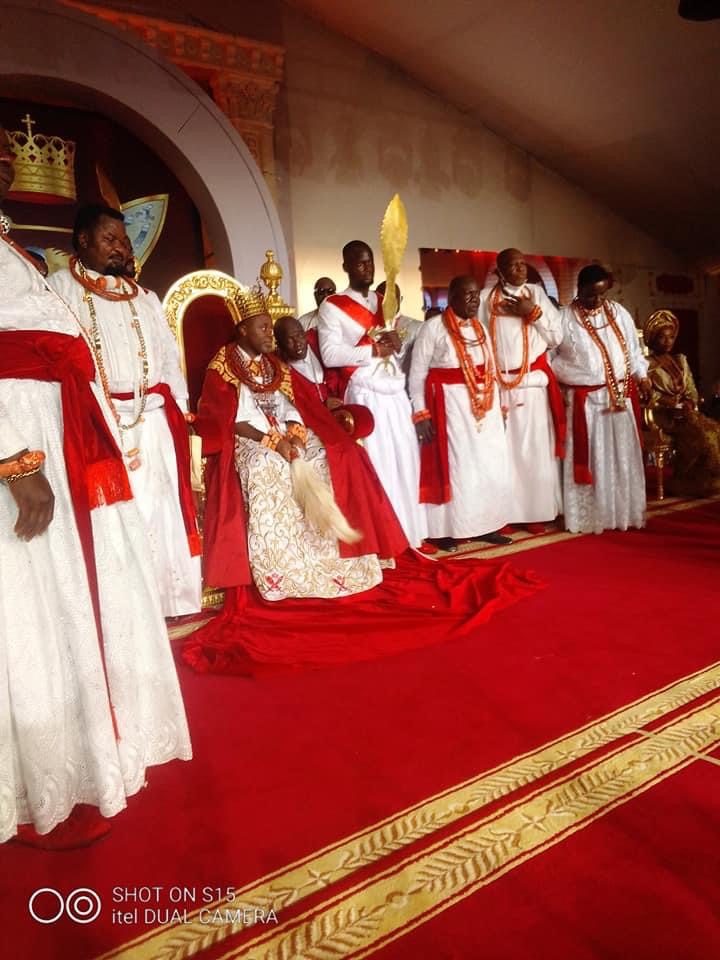
Photo credit; LordSnow242
Social and Cultural Achievements
- The “Golden Skin” Legend
Oyenakpagha’s epithet, the “Golden Skin Prince,” is rooted in long-standing oral tradition. This metaphorical description appears to refer not only to complexion but also to royal purity, prestige, and sacredness. In Itsekiri cosmology, unusual physical traits were often interpreted as signs of divine favor. His appearance became part of the symbolic identity of the monarchy, marking him as a semi-sacred figure.
- Consolidation of Aristocratic Lineages
During his reign, the noble lineages descended from the Seventy Benin Chiefs (a migration tradition tied to the founding of the kingdom) grew more cohesive. Oyenakpagha reinforced their administrative roles within the Warri Palace Society, especially the Iwebo, Ibiwe, and Iwegua units adapted from Benin. This created a more centralized and organized governance structure.
- Promotion of Maritime Commerce
The Warri Kingdom was a major center for riverine commerce. Oyenakpagha’s reign helped stabilize trade routes along the Escravos, Forcados, and Benin River channels. Portuguese accounts note the efficiency of Itsekiri intermediaries in the regional trade system.
Political Stability and Succession Traditions
- Succession Planning
One of Oyenakpagha’s most enduring achievements was strengthening royal succession patterns. By reinforcing the hereditary structure through the male line and codifying seniority-based succession, he helped reduce internal disputes that plagued other Niger Delta polities in later centuries.
- Diplomacy and Conflict Resolution
Oyenakpagha’s reign was marked by relative peace. With the support of Portuguese firearms and diplomacy, the Warri Kingdom maintained influence over surrounding Ijaw and Urhobo territories, reducing the frequency of inter-group warfare. His diplomatic posture allowed Warri to serve as a mediator in regional disputes.
Legacy and Historical Significance
- Cultural Legacy
Olu Oyenakpagha left behind a kingdom that was more literate, more connected to global trade networks, and more culturally hybridized. The continued use of Portuguese names among Itsekiri families today reflects the cultural fusion he promoted.
- Impact on the Modern Itsekiri Identity
The Itsekiri often emphasize their unique identity as a people shaped by Benin heritage and Portuguese-Christian influences. Oyenakpagha’s reign sits at the center of this identity, symbolizing a golden age of culture and diplomacy.
- Influence on Successive Olus
His successors preserved the Christian legacy he strengthened, ensuring Warri remained one of the earliest West African kingdoms with continuous exposure to European education and religious structures.
Olu Oyenakpagha (Antonio Domingos), the “Golden Skin Prince,” stands as one of the most remarkable monarchs in Itsekiri and Niger Delta history. His reign encapsulated the synthesis of African, Benin, and Portuguese influences that shaped the Warri Kingdom. From expanding Christianity and stabilizing governance to strengthening trans-Atlantic ties, his leadership laid foundations that would define Itsekiri culture for centuries. His golden legacy both literal and symbolic, continues to illuminate the kingdom’s historical narrative.
Sources and references
- Ben-Amos, P. (1999). The art of Benin. Harvard University Press.
- Hair, P. E. H. (1990). Early European contacts with West Africa. African Studies Review.
- Ryder, A. F. C. (1965). Benin and the Europeans, 1485–1897. Longman.
- Talbot, P. A. (1926). The Peoples of Southern Nigeria. Oxford University Press.
- Thornton, J. (1998). Africa and Afri cans in the making of the Atlantic world, 1400–1800. Cambridge University Press.
Cite this article
Discussion
Sign in to join the discussion
Comments are checked by an editor before they appear. Leave a source or a correction and it is read first.
Continue reading
Related histories
 Anthropology and EthnographyThe Demography of Biafran Slave Exports (1650–1850)Read history →
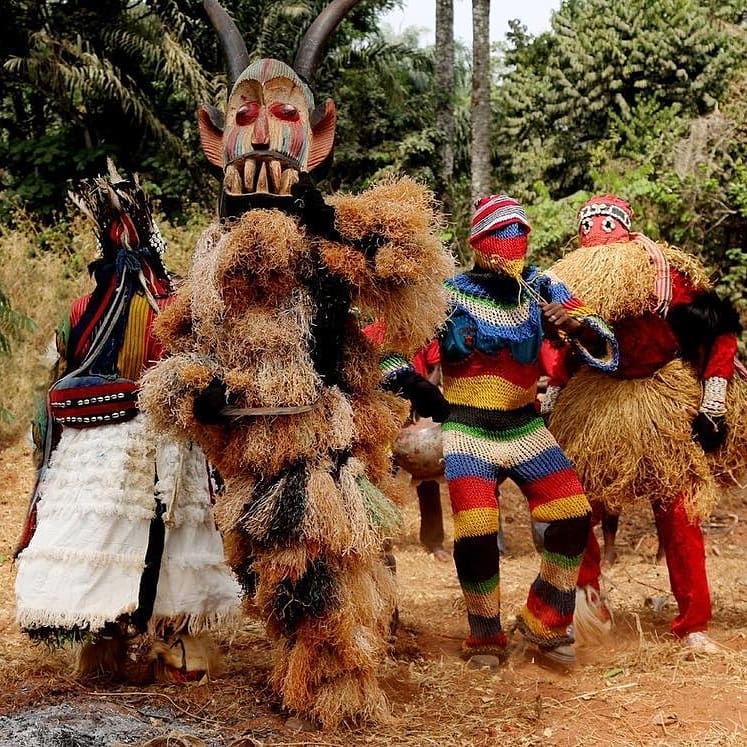 Anthropology and EthnographyMasquerade Traditions from Igboland to the Caribbean (Jonkonnu, Mocko Jumbie)Read history →
 Anthropology and EthnographyMapping Igbo Destinations in the Americas: A Comparative AnalysisRead history →
No comments yet
Nothing has been approved on this record yet. Comments are checked by an editor before they appear, so one written now shows on this page after that check.