 Ozikoro
 Anthropology and Ethnography · Published history
The Guilds and the Sacred Carver (Onye Na-Aku Pka) in Igbo Traditional Society
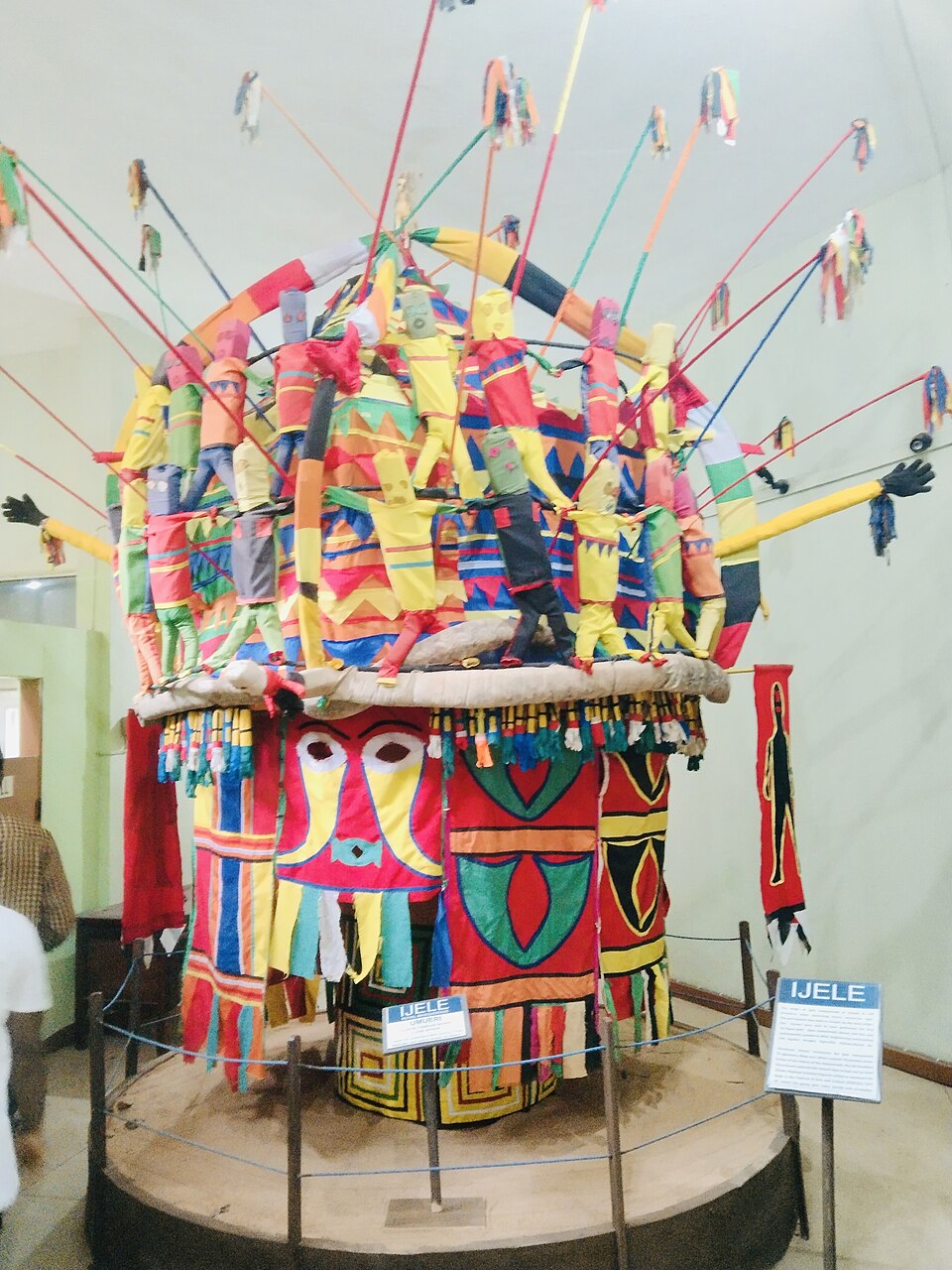
The Igbo of southeastern Nigeria developed a sophisticated system of craftsmanship, artistic specialization, and spiritual symbolism expressed through guilds and craft lineages. Among the most respected of these were the woodcarvers, known as Onye Na-aku Pka literally, “the one who carves wood.” Far beyond being ordinary artisans, these carvers held semi-sacred status, producing masks, ritual vessels, sculptures, ancestral figures, and ceremonial objects used in religious and social institutions.
The written record
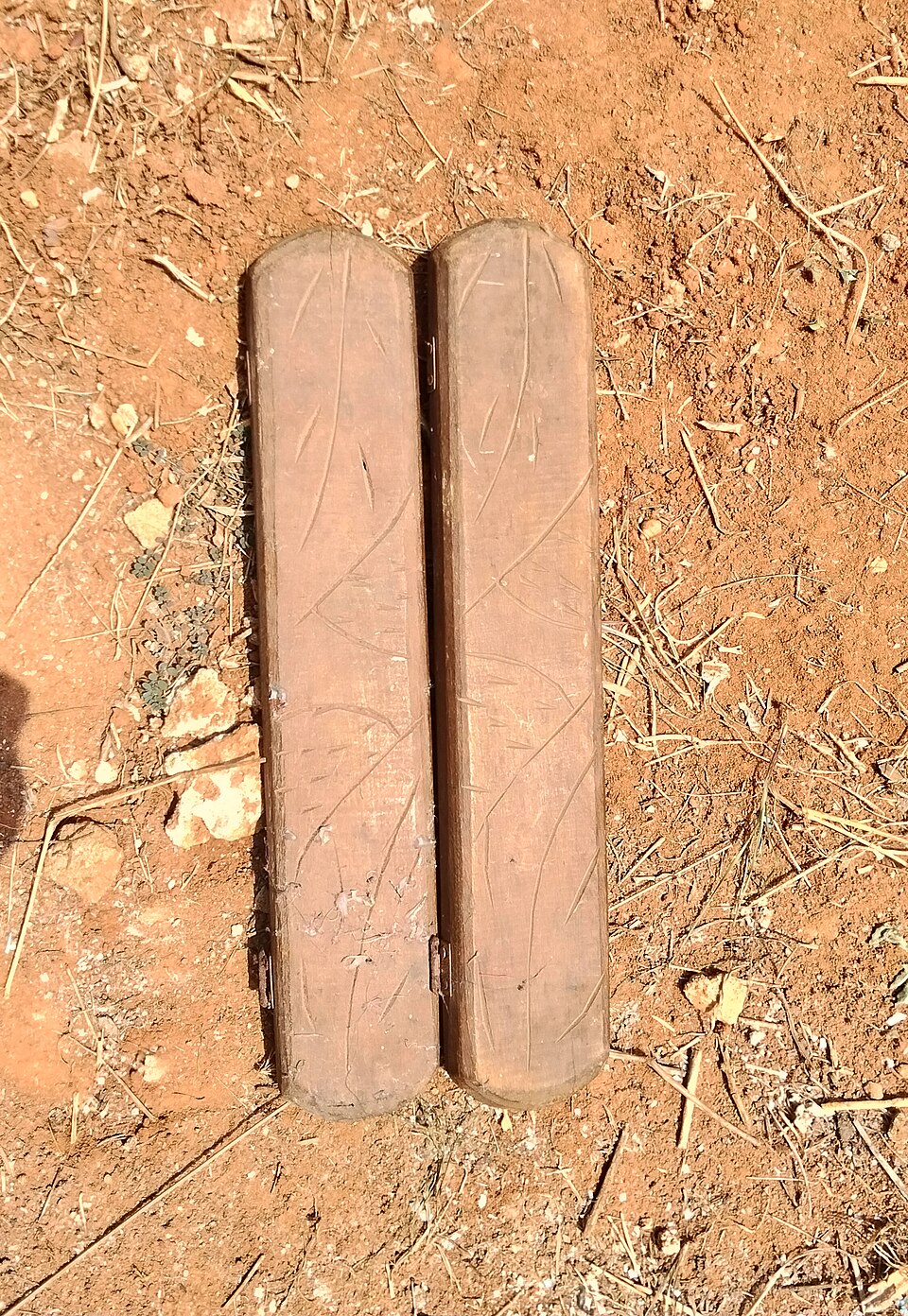
Photo credit; Wikipedia.
Historical context
Craft Guilds in Igbo Society
Traditional Igbo society featured guild-like organizations that regulated specific skills such as blacksmithing, pottery, weaving, bronze casting, and woodcarving. These guilds were not formalized in the same way as medieval European guilds, but they operated on similar principles: apprenticeship, secrecy of techniques, inheritance through family lines, and control over the quality and meaning of the finished products.
Guilds provided:
Professional Training: Young apprentices were taught carving techniques, wood selection, tool making, and symbolic design.
Religious Education: Many crafts had spiritual rules, taboos, and rituals that governed when and how objects could be produced.
Social Status: Skilled craftsmen occupied respected positions and were essential to festivals, religious practices, and political institutions.
Economic Stability: Carvers produced income for their lineage through the sale or commissioning of objects.
Woodcarving was one of the most important of these craft groups because of the centrality of carved objects to Igbo ritual life.
The Sacred Identity of the Igbo Carver (Onye Na-aku Pka)
Woodcarvers held special status because of the symbolic and spiritual weight of their work. They created masks for masquerade societies, effigies for ancestral altars, ritual objects for divination, and domestic items that carried cultural meaning.
Spiritual Calling
Carving was often viewed as a quasi-spiritual profession. It required ritual purity, observance of taboos, and sometimes divination before beginning major works. The carver was believed to communicate with ancestral forces and spiritual beings while shaping the wood.
Tools and Ritual Power
Carving tools such as the mma (knife) or specialized chisels were treated with ritual respect. The process of “awakening” a newly carved mask through consecration rituals was believed to activate its spiritual presence.
Ancestral Connection
Many carvers inherited the profession through their lineage. A master carver’s prestige could last generations, with families becoming known for signature styles of masks or sculptures.
Symbolism in Woodcarving
Igbo woodcarving is rich in symbolism. Masks and sculptures often represent:
Ancestral spirits (mmuo).
Social ideals such as beauty, strength, or wisdom.
Animals associated with power (leopard, python, eagle).
Religious beings invoked during festivals.
Carvers needed training in iconography understanding what facial marks, body proportions, hairstyles, or colors symbolized. For example, tall, elongated masks in northern Igbo regions represented elegance and moral refinement, while fierce masks with horns and bold lines represented warlike or protective spirits.
Guild Responsibilities and Specialization
Within the carving guilds, different carvers specialized in different objects:
Mask Carvers: Produced masks for various masquerade societies such as Mmanwu, Ekpe, Odo, and Agbogho Mmuo.
Sculptors: Crafted human figures for shrines, ancestor memorials, and fertility rituals.
Ritual Carvers: Created sacred objects such as Ofo staffs, divination trays, and ceremonial bowls.
Domestic Carvers: Made stools, doors, mortar-and-pestle sets, and household utensils that carried symbolic designs.
Some guilds were linked to powerful secret societies such as Ekpe (Léopard Society), which governed judicial and political matters in parts of Igboland. Carvers who served such institutions held elevated status.
Carving and Religion: The Sacred Process
Many rituals surrounded the carving process:
Wood Selection
Only specific trees could be used, often after prayers to the tree’s spirit. Cutting some trees required purification rites.
Consecration of the Workshop
Workshops were sometimes consecrated spaces where only initiated persons could enter.
Taboos on Creation
Certain masks or objects could only be carved during particular seasons or under certain lunar phases.
Awakening of the Object
After carving, items were consecrated at shrines. Masks were “activated” to house spirits during performances.
This sacred dimension is why the carver was not simply a craftsman but a ritual specialist.
Economic and Social Impact of the Carving Guilds
Woodcarvers contributed significantly to Igbo social economy:
They generated wealth through commissions for festivals and rituals.
Their works were exchanged across communities, creating economic networks.
Carved palace doors, shrines, and communal objects strengthened political alliances.
Artists enhanced the prestige of their villages through unique artistic styles.
Guilds also helped maintain quality and preserved traditional artistic standards from one generation to the next.
The Sacred Carver in Modern Times
With the spread of Christianity and colonial rule in the 19th and 20th centuries, many ritual uses of carved objects were discouraged or suppressed. Yet, woodcarving survived through:
Cultural festivals,
Museums and global art markets,
Academic research into Igbo art,
Revival of masquerade traditions,
Modern artists adapting traditional motifs.
Today, Igbo carving remains internationally recognized, with masterpieces displayed in museums across Europe, America, and Africa. Contemporary carvers still draw from ancestral symbolism, showing the enduring legacy of the Onye Na-aku Pka.
The guilds and the sacred carver occupy an essential place in Igbo cultural history. The Onye Na-aku Pka is not merely an artisan but a custodian of spiritual, aesthetic, and communal values. Through their symbolic creations, masks, shrines, sculptures the carvers shaped the religious, political, and artistic life of the Igbo. Although modernity has transformed their roles, the legacy of the carving guilds continues to influence contemporary Igbo identity and African art as a whole.
Sources and references
- Cole, H. M. (1984). Igbo Arts: Community and Cosmos. Museum of Cultural History.
- Isichei, E. (1976). A History of the Igbo People. Macmillan Press.
- Nwafor, O. (2010). “Masking Traditions in Igbo Culture.” Journal of African Art Studies, 12(1), 45–63.
- Nwoye, G. (2011). “Igbo Traditional Religion and Symbolism.” Journal of African Cultural Studies, 9(2), 34–52.
- Wikipedia contributors. (2024). “Igbo art.
- Wikipedia, The Free Encyclopedia.
- Wikipedia contributors. (2024). “Igbo culture.” Wikipedia, The Free Encyclopedia.
Cite this article
Discussion
Sign in to join the discussion
Comments are checked by an editor before they appear. Leave a source or a correction and it is read first.
Continue reading
Related histories
 Anthropology and EthnographyThe Demography of Biafran Slave Exports (1650–1850)Read history →
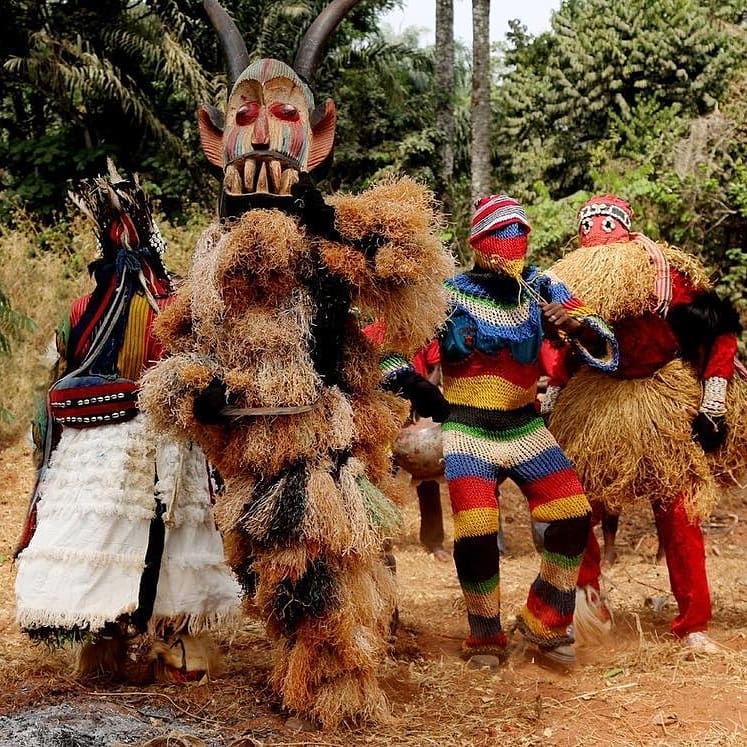 Anthropology and EthnographyMasquerade Traditions from Igboland to the Caribbean (Jonkonnu, Mocko Jumbie)Read history →
 Anthropology and EthnographyMapping Igbo Destinations in the Americas: A Comparative AnalysisRead history →
No comments yet
Nothing has been approved on this record yet. Comments are checked by an editor before they appear, so one written now shows on this page after that check.