 Ozikoro
 Anthropology and Ethnography · Published history
The Guilds and Trade: The Awka and Abiriba Connection
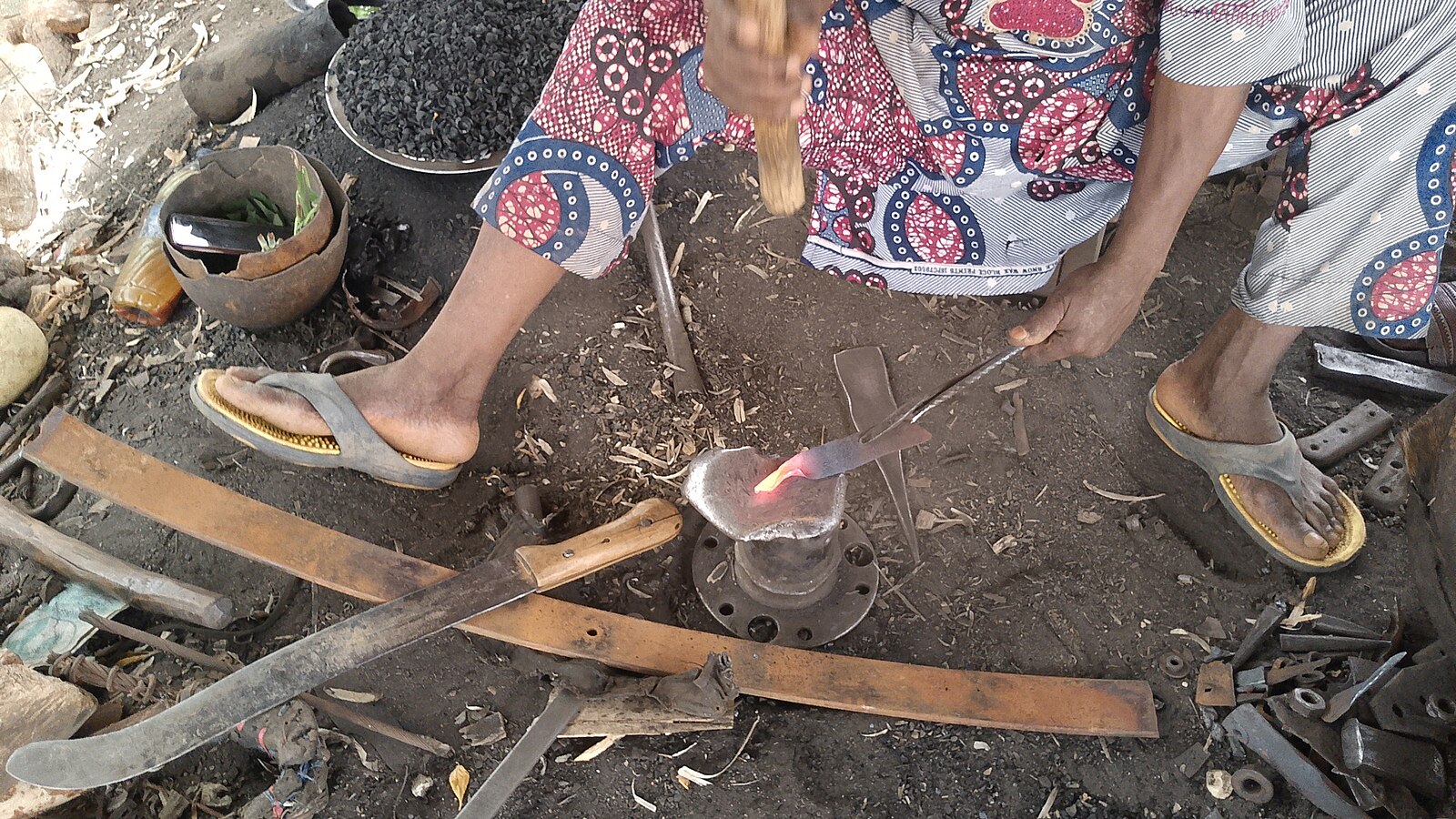
Across precolonial southeastern Nigeria, craftsmanship and trade networks played a central role in shaping regional economies and social hierarchies. Among the most prominent were the Awka blacksmiths of present-day Anambra State and the Abiriba merchant guilds of Abia State. Though distinct in origin and specialization, both groups developed powerful guild systems that sustained long-distance trade, technological innovation, and intergroup economic cooperation. Their interaction reflects the economic dynamism of the Igbo region before colonialism and highlights how specialized communities contributed to a vibrant indigenous economy.
The written record
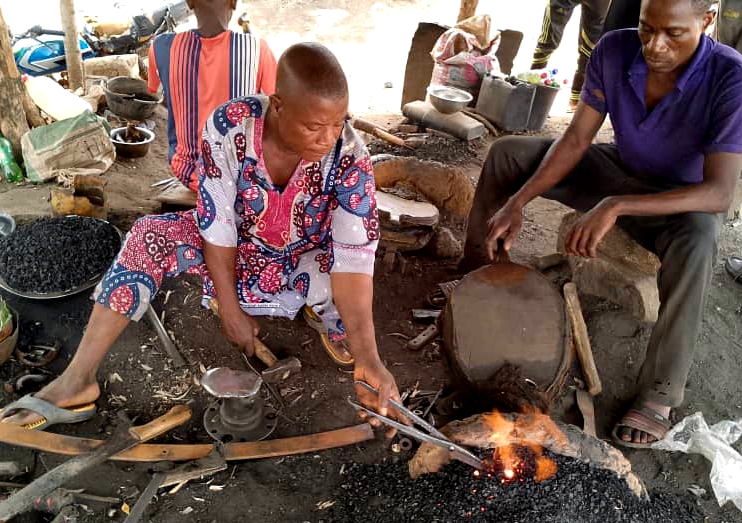
Photo credit; Wikiimedia commons.Awka:
Historical context
The Master Blacksmiths of Igboland
Origins and Reputation:
Awka rose to fame as the most important blacksmithing center in southeastern Nigeria. According to oral history and written sources, Awka smiths were renowned for producing high-quality iron tools, weapons, farming implements, ritual objects, and metal ornaments. Their guild-like organization ensured that ironworking skills were passed through generations, maintaining strict standards of craftsmanship.
Guild Structure:
Awka blacksmiths operated under a hereditary guild system. Knowledge was transmitted from father to son, and the craft was ritualized with spiritual obligations. The guild valued secrecy, professionalism, and specialization. Each blacksmith belonged to a “smith-ing lineage,” responsible for smelting iron using bloomery furnaces, forging weapons (spears, swords, arrows), producing farming tools (hoes, machetes), crafting ritual pieces (ofo, bells, anklets).
Trade Routes and Influence:
Awka smiths traveled widely, offering services to communities across Igboland, the Niger-Benue region, and parts of the Cross River basin. They often migrated seasonally, setting up temporary smithies in communities that needed tools for new farming seasons weapons for defense, ceremonial items for initiation or festivals. Their mobility made them one of the earliest “professional itinerant craftsmen” in Igbo history.
Abiriba: The Merchant Kings of Eastern Nigeria
Origins and Economic Orientation:
Abiriba, historically known as “the Enyimba City,” developed a strong tradition of long-distance trade, craftsmanship, and entrepreneurship. Oral histories associate Abiriba with early smithing and leatherwork, but over time they became famous as merchant guilds controlling regional trade networks.
Guild-Like Social Structure:
Abiriba society was organized around powerful age-grade systems (Uke) and merchant houses (Ụlọ ahịa), which functioned similarly to corporate guilds. Responsibilities included organizing trade caravans, controlling marketplaces, maintaining order and wealth distribution, training younger traders
Economic Specialization:
Abiriba merchants excelled in long-distance trading of cloth, salt, livestock, and iron tool craft production, particularly brass and leatherwork, the establishment of trading colonies in major cities like Calabar, Bonny, and Opobo. Their wealth led to the development of elaborate architecture, especially the famous Abiriba compounds known as Obu, reflecting the influence of trade wealth.
Points of Connection Between Awka and Abiriba
1. Trade in Iron Goods
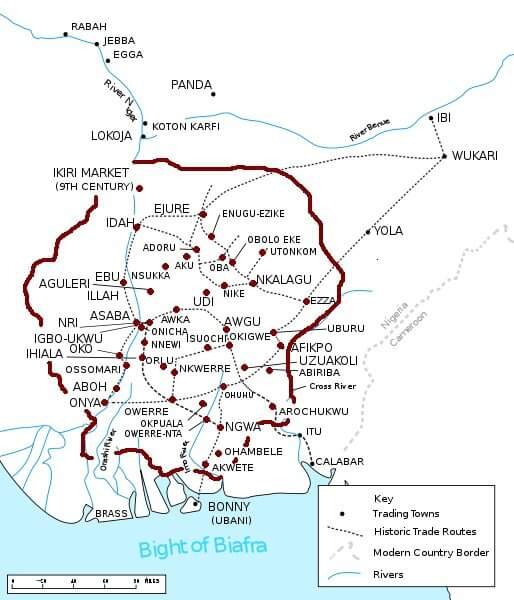
One of the strongest links between both groups was iron. Awka blacksmiths produced iron implements that Abiriba merchants transported through extensive markets across the Cross River and Niger Delta regions. Abiriba traders served as wholesalers, distributors, commercial intermediaries. This partnership strengthened both economies and expanded the reach of Awka iron technology.
2. Complementary Economic Roles
Awka were craftsmen; Abiriba were traders. Awka specialized in production, Abiriba in distribution. This complementarity formed a natural alliance similar to producer–merchant relationships in medieval Europe. Abiriba merchants helped Awka products reach coastal markets, riverine towns, distant hinterland communities. This increased the prestige and wealth of Awka smiths.
3. Shared Guild Ethics
Both groups shared core values associated with guild culture secrecy in craft or trade techniques, apprenticeship systems, strong lineage-based identities, communal wealth and intergroup cooperation.
These shared structures made Awka craftsmen and Abiriba traders ideal partners.
4. Participation in Regional Festivals and Ritual Economies
Ritual objects produced by Awka blacksmiths such as bells, anklets, ceremonial staffs, and oji (ritual knives) were traded by Abiriba into areas where they were needed for masquerades, funerals, coronations, and initiation ceremonies. This linked both groups to the expanding ritual economy of southeastern Nigeria.
5. Influence on Precolonial Economic Integration
Together, Awka and Abiriba contributed to a more integrated regional economy. Their partnership facilitated the spread of iron tools for agriculture, improved productivity in yam and cassava cultivation, and expanded commercial networks from Igboland to the Niger Delta, a wealth-driven social hierarchy. Their cooperation illustrates how indigenous African trade systems were sophisticated long before colonial intervention.
Impact on Colonial and Postcolonial Economies
Colonial Disruptions and Adaptations
With the arrival of Europeans, imported iron items gradually reduced demand for Awka blacksmiths’ tools. However, Abiriba merchants adapted quickly, transitioning into palm-oil trade and later into modern business ventures such as transportation and retail.
Awka remains celebrated for its craftsmanship, while Abiriba continues to be associated with entrepreneurship and wealth creation. Many Igbo business networks today such as Ụmụahia markets, Ariaria, Alaba, and Onitsha Main Market reflect Abiriba’s long tradition of commerce. Meanwhile, Awka’s symbolic association with blacksmithing lives on in local festivals, cultural identity, and academic research.
The connection between Awka blacksmith guilds and Abiriba merchant guilds stands as a remarkable example of precolonial Igbo economic cooperation. While Awka produced high-quality iron tools and ceremonial objects, Abiriba merchants expanded their reach to distant markets, ensuring their economic relevance across centuries. Their partnership highlights the sophistication of indigenous trade systems, the value of guild-like organization, and the historic interconnectedness of African economies.
By studying the Awka–Abiriba connection, we gain deeper insight into how production, trade, and craftsmanship shaped regional identities and contributed to the economic foundations of southeastern Nigeria.
Sources and references
- Ekechi, F. K. (1982). Traditional crafts and economic history in Igboland. University of Nigeria Press.
- Nwabughuogu, A. (1981). The social history of Abiriba traders. African Economic History, 10, 35–49.
- Wikipedia contributors. (2024). “Awka.” Wikipedia, The Free Encyclopedia.
- Wikipedia contributors. (2024). “Abiriba.” Wikipedia, The Free Encyclopedia.
- Wikipedia contributors. (2024). “Bla cksmith.” Wikipedia, The Free Encyclopedia.
Cite this article
Discussion
Sign in to join the discussion
Comments are checked by an editor before they appear. Leave a source or a correction and it is read first.
Continue reading
Related histories
 Anthropology and EthnographyThe Demography of Biafran Slave Exports (1650–1850)Read history →
 Anthropology and EthnographyMasquerade Traditions from Igboland to the Caribbean (Jonkonnu, Mocko Jumbie)Read history →
 Anthropology and EthnographyMapping Igbo Destinations in the Americas: A Comparative AnalysisRead history →
No comments yet
Nothing has been approved on this record yet. Comments are checked by an editor before they appear, so one written now shows on this page after that check.