 Ozikoro
 Anthropology and Ethnography · Published history
The Igbo Homecoming Tradition: Origins and Where It Is Today
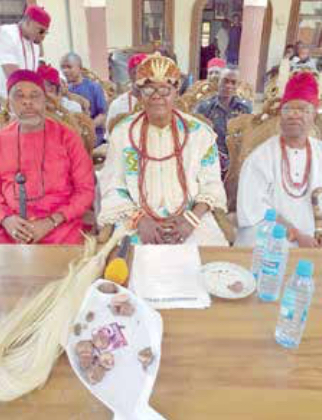
The Igbo homecoming tradition, often expressed through seasonal returns to the ancestral homeland, is one of the most enduring cultural practices in Igboland. Whether called “ịlọ Ụlọ” (returning home), “ịzapụọ afọ” (year-end homecoming), or “Christmas return,” it remains a central part of Igbo identity and communal life. This centuries-old custom reflects the deep connection between the Igbo person and the ancestral home, a bond maintained through kinship, land, culture, and memory.
The written record
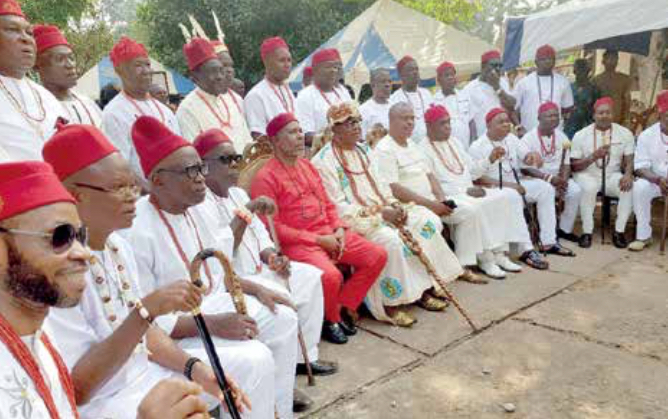
Photo credit; The sun.
Historical context
Origins of the Igbo Homecoming Tradition
Ancestral Land as Identity
In traditional Igbo cosmology, the ancestral homeland is sacred. It is the birthplace of the lineage (“umunna”) and the resting place of the ancestors (“ndichie”). For the Igbo, belonging is tied not to a kingdom, empire, or centralized state, but to a village and its genealogical line. This decentralized structure fostered a strong emotional and spiritual duty to return home for rituals and major events.
Ritual and Seasonal Obligations
Before colonial contact, periodic returns to the homeland were guided by agricultural and ritual calendars. Important occasions included:
Harvest festivals, such as the New Yam Festival (“Ịwa Ji”)
Funerals and second burials
Age-grade ceremonies
Marriage rites and title-taking (e.g., Ozo, Ikenga)
Annual ancestral veneration rituals.
Returning home was a religious and social obligation. Absence from key ceremonies could weaken a person’s standing within the lineage.
Migration and Trade Networks
Historical accounts show that Igbo people maintained extensive trade routes and seasonal migrations. Even those who lived long distances from home traders, craftsmen, palm-produce workers routinely returned to their ancestral towns. The expectation of homecoming became a cultural constant, preserved across generations.
The Homecoming in the Colonial Era
Urbanization and the Rise of Seasonal Return
The British colonial administration accelerated migration to major cities such as Enugu, Port Harcourt, and Lagos. This era saw the transformation of the homecoming tradition into a highly organized, seasonal return especially during Christmas.
Missionary schools, rail systems, and wage labour drew thousands away from rural communities. Yet, unlike other groups that experienced permanent urban assimilation, the Igbo maintained a cyclical pattern of mobility: leave for work, return home for identity.
Christianity and New Year Celebrations
With the spread of Christianity, Christmas became the dominant period for return. By the mid-20th century, “Igbo Christmas homecoming” was already deeply ingrained, combining traditional festivals with Christian celebrations. Scholars note that this fusion helped preserve Igbo identity during rapid modernization.
Homecoming as a Cultural Anchor
Family Reunions and Lineage Renewal
Homecoming reinforces:
Family unity
Respect for elders
Collective decision-making
Transmission of cultural knowledge
It is during this period that families discuss land matters, resolve disputes, initiate marriages, and conduct thanksgiving ceremonies.
Age-Grade Activities
Many Igbo towns organize age-grade parades, community labour, fundraising, and masquerade displays during homecoming. These activities reinforce civic responsibility and communal solidarity.
Masquerades and Cultural Festivals
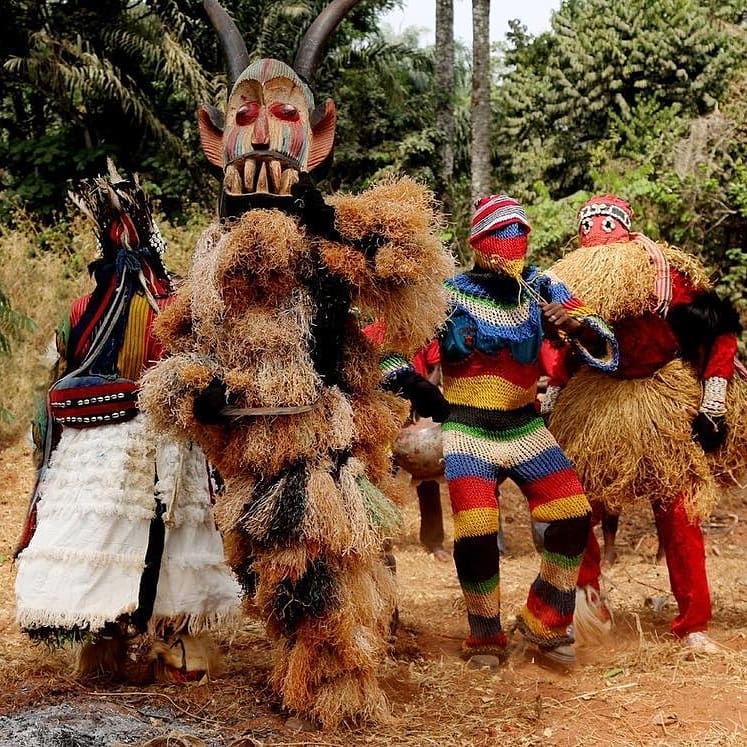
The homecoming season coincides with festivals where masquerades such as Mmanwu, Ijele, and Odo appear. These performances symbolize ancestral presence and reaffirm cultural memory.
The Diaspora Dimension
Migration Beyond Nigeria
From the 1970s onward, economic decline and civil war effects contributed to large-scale Igbo migration abroad to the UK, US, Canada, and beyond. Despite distance, diaspora Igbos maintain strong homecoming traditions.
December as a “Mass Return” Season
During late December, airports in southeastern Nigeria overflow with returning migrants. This period has become:
A peak season for marriages (“December weddings”)
High activity for building projects and home renovations
A time for philanthropic donations to schools, churches, and hospitals
High season for festivals and entertainment
The Igbo homecoming has evolved into a global cultural phenomenon, uniting people from numerous countries.
Homecoming and Socioeconomic Development
The Role of Remittances
Studies show that the Igbo diaspora contributes significantly to local development through remittances. Homecoming often includes community development initiatives such as:
Water projects
Electricity installation
Road construction
Scholarships
Health outreaches.
These projects reflect Igbo communal philosophy, emphasizing the moral duty to uplift one’s ancestral home.
Building and Land Ownership
An Igbo person’s house in their hometown represents more than accommodation, it symbolizes identity, legacy, and continuity. Homecoming reinforces the desire to maintain a physical presence in the village, even while living abroad.
Challenges and Transformations in the Modern Era
Security Issues
In recent years, insecurity in parts of the Southeast has affected travel patterns, with some families reducing the length of home visits. Nevertheless, most still prioritize returning home.
Urbanization and Changing Values
Younger generations who grew up abroad sometimes struggle with full immersion in traditions. Yet, cultural organizations and hometown associations abroad help preserve language, dances, and customs.
Commercialization of December Events
Homecoming now includes mega concerts, art fairs, comedy shows, and political rallies. This commercialization sometimes overshadows traditional ceremonies, though many communities work to maintain cultural balance.
Where the Tradition Stands Today
Despite modernization, migration, and global influence, the Igbo homecoming tradition remains one of the strongest expressions of ethnic identity in Africa. It has expanded from a ritual obligation to a cultural, economic, and global movement.
Today, it symbolizes:
Belonging
Memory
Continuity
Community responsibility
Celebration of heritage
What began as seasonal ritual return has grown into a defining symbol of Igbo unity and resilience.
The Igbo homecoming tradition is not merely a holiday event, it is a cultural institution rooted in ancestral belief, communal values, and historical continuity. From its origins in precolonial ritual obligations to its modern manifestation as a global return season, homecoming remains a powerful pillar of Igbo identity. Its persistence demonstrates the strength of Igbo kinship systems and the enduring emotional pull of the ancestral homeland.
Sources and references
- Afigbo, A. E. (1981). Ropes of Sand: Studies in Igbo History and Culture. Oxford University Press.
- Falola, T., & Heaton, M. (2008). A History of Nigeria. Cambridge University Press.
- Isichei, E. (1976). A History of the Igbo People. Macmillan.
- Igbo people. (2024). Wikipedia.
- Nzimiro, I. (1972). Studies in Ibo Political Systems. University of California Press.
Cite this article
Discussion
Sign in to join the discussion
Comments are checked by an editor before they appear. Leave a source or a correction and it is read first.
Continue reading
Related histories
 Anthropology and EthnographyThe Demography of Biafran Slave Exports (1650–1850)Read history →
 Anthropology and EthnographyMasquerade Traditions from Igboland to the Caribbean (Jonkonnu, Mocko Jumbie)Read history →
 Anthropology and EthnographyMapping Igbo Destinations in the Americas: A Comparative AnalysisRead history →
No comments yet
Nothing has been approved on this record yet. Comments are checked by an editor before they appear, so one written now shows on this page after that check.