 Ozikoro
 Anthropology and Ethnography · Published history
The Igbo Concept of Land: Heritage, Kinship, and Spirituality
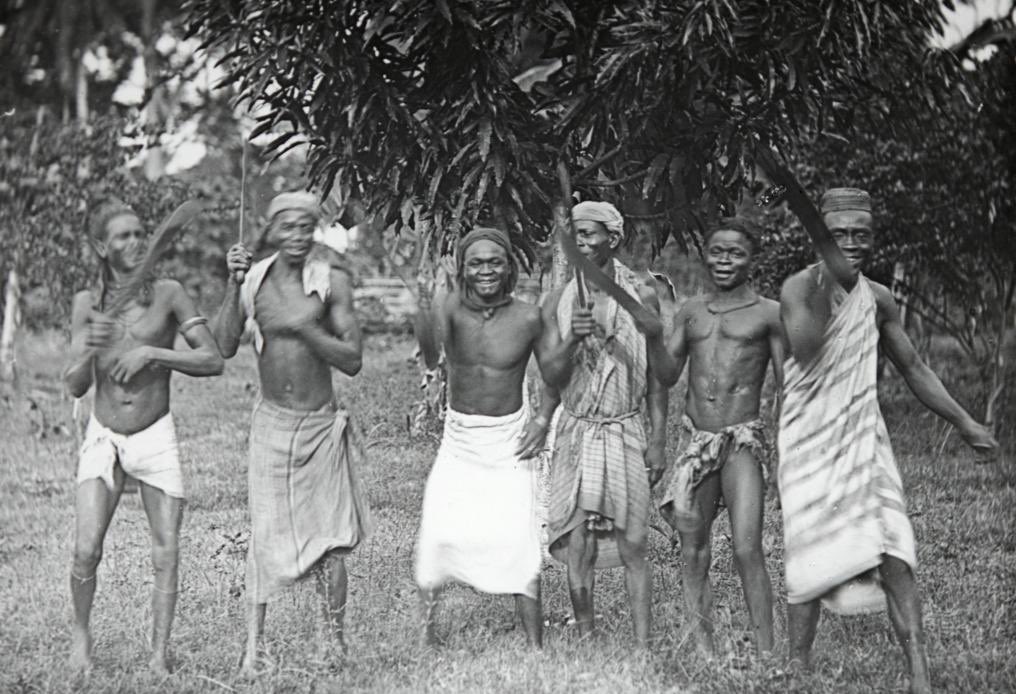
Ala bụ ụwa mmadụ( The earth is the world of man.)Human life and community exist only through their relationship with the land.
The written record
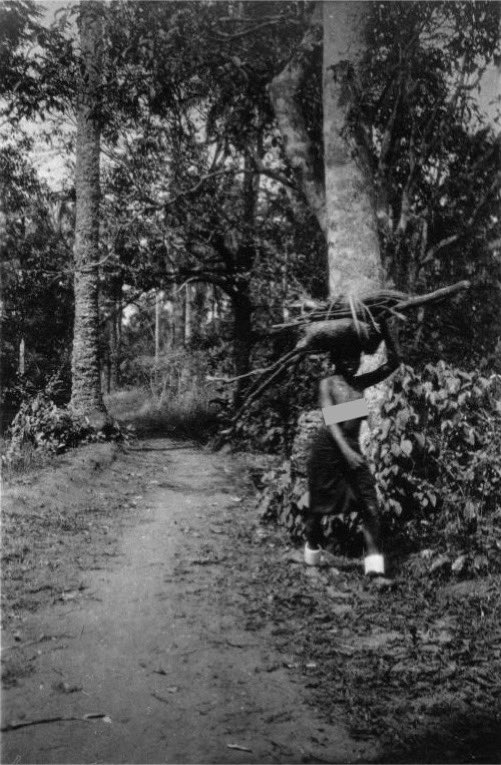
For the Igbo, land is not merely property; it is identity, heritage, and spiritual continuity. From ancient times, the Igbo land tenure system was built upon kinship and religious principles that linked the living to their ancestors through Ala, the Earth Goddess. Land could not be owned outright by individuals but was held in trust for lineages and future generations.
Historical context
The Spiritual Basis of Land Ownership
Every parcel of land in traditional Igboland was considered sacred.
Ala was the custodian of truth and morality, the goddess who blessed fertility and punished offences (nso Ala). Thus, land was a gift from the gods, not a commodity for sale.
Each family maintained ancestral shrines on its land, linking territory to the spirits of the dead.
To pollute the land was to defile Ala herself. When a child was born, its umbilical cord was buried in the soil of the family compound, a symbol that the child belonged to that earth forever.
Lineage and Communal Ownership
Land belonged to the Ụmụnna (lineage) rather than any individual. Within the Ụmụnna, specific plots were assigned to households (ezi na ụlọ).
The Okpara Ụmụnna (elder of the lineage) held custody of the ọfọ staff, symbolizing truth and justice and acted as guardian of the land. No one could sell land without the consent of the lineage. Sales without family approval were spiritually void and often reversed by customary law.
According to Afigbo (1981), even during colonial rule, the British found it difficult to impose private ownership because the Igbo concept of land rested on ancestral trust, not legal title.
Ala adịghị ala ọzọ(The earth is never replaced by another).One cannot exchange or abandon the land of one’s ancestors. This proverb captures the spiritual permanence of Igbo land philosophy, that ownership is eternal and collective, not temporal or individual.
Types of Land Tenure
Scholars identify three main forms of land tenure in traditional Igboland:
- Ancestral Land (Ala Ụmụnna) — Held collectively by a lineage for farming, settlement, and ritual purposes.
- Communal Land (Ala Obodo) — Reserved for markets, meeting grounds, and festivals.
- Individually Allotted Land (Ala Onye) — Temporarily used by individuals for personal cultivation but not alienable without lineage consent.
These arrangements ensured that no member was landless and that family integrity was preserved.
Women farmed their husbands’ lands but did not inherit land directly; their rights were usufructuary(the right to use but not own).
Conflict and Resolution Mechanisms
Disputes over land were common, especially between families and neighboring villages. They were resolved through the Ụmụnna or village councils (ndi ichie).
The elders invoked Ala and used the ọfọ na ogu (oath and innocence) system to test truth.
If someone lied while holding ọfọ, it was believed Ala would punish him through illness or misfortune.
Colonial courts later recognized such customary systems as valid in disputes involving native law and custom (Oyeka, 1959).
Colonial Impact and Modern Change
The British colonial administration (1900–1960) introduced the concept of individual ownership for economic development.
However, many Igbo resisted land sales as a violation of ancestral trust. Warrant chiefs and native courts tried to register land titles, but in practice, customary tenure remained dominant.
Post-independence land laws in Nigeria (especially the 1978 Land Use Act) vested land in state governors, creating a hybrid system where traditional rights persist beneath modern legislation.
Rural communities still consult elders and lineage heads before any land transaction.
Cultural Meaning and Continuity
Land in Igbo thought is not only a resource but a record of existence.
To own land is to belong, to lose land is to lose identity.
Even in diaspora communities, Igbo people maintain family lands for burial and ancestral visits proving that the tie between Ala and personhood remains unbroken.
Onye jụ ala ya, ala ya ajụ ya( He who rejects his land, his land rejects him.) Forsaking one’s ancestral roots invites alienation and misfortune. Thus, the Igbo land tenure system is more than a law, it is a spiritual contract binding past, present, and future.
Sources and references
- Afigbo, A. E. (1981). Ropes of Sand: Studies in Igbo History and Culture. Ibadan: Oxford University Press.
- Jones, G. I. (1932). Photographs of Eastern Nigeria (1930s Collection). University of Cambridge Archives.
- Oyeka, E. (1959). Customary Land Law in Eastern Nigeria. Enugu: Government Press.
- Thomas, N. W. (1910). Ethnographic Notes on the Igbo. Museum of Archaeology and Anthropology, University of Cambridge.
- IgboGuide.org. (n.d.). Traditional Igbo Proverbs. Retrieved from https://www.igboguide.org
Cite this article
Discussion
Sign in to join the discussion
Comments are checked by an editor before they appear. Leave a source or a correction and it is read first.
Continue reading
Related histories
 Anthropology and EthnographyThe Demography of Biafran Slave Exports (1650–1850)Read history →
 Anthropology and EthnographyMasquerade Traditions from Igboland to the Caribbean (Jonkonnu, Mocko Jumbie)Read history →
 Anthropology and EthnographyMapping Igbo Destinations in the Americas: A Comparative AnalysisRead history →
No comments yet
Nothing has been approved on this record yet. Comments are checked by an editor before they appear, so one written now shows on this page after that check.