 Ozikoro
 Anthropology and Ethnography · Published history
The Igbo people and Palm Oil in Precolonial Times: An Expansive Exploration of Economy, Culture, and Power
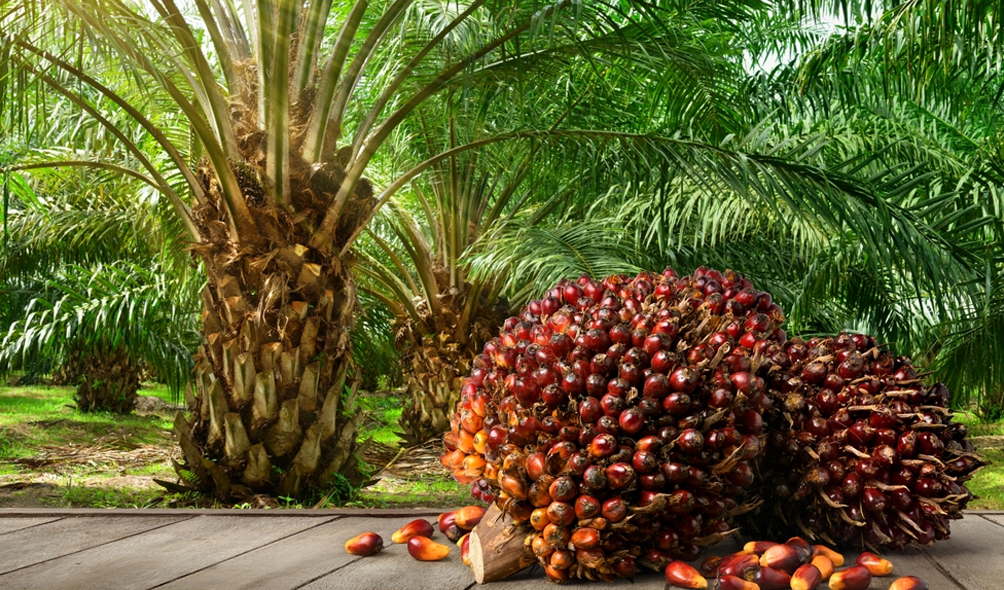
In precolonial times, the Igbo people held palm oil (mmanụ nkwụ) in high esteem.
Palm oil was more than just a consumable agricultural product
The written record
It was an important commodity that uplifted societies, boosted creativity, and established social classes. Some of the important roles it played are :
1. Production of Palm Oil: Oil palm trees (Elaeis guineensis) were naturally abundant in industrial quantities across the Igbo homeland, which is situated in the tropical rainforest region of southern Nigeria. Because of the land’s rich soil and climate, these palms yield bountifully and create what is referred to as a “palm belt.”
Agroforestry and Sustainable Practices:When clearing the soil for farming, Igbo people practiced agroforestry by intentionally preserving oil palms. To get the full potential of palm oil yields and ensure food security in the society, Soil fertility was maintained by allowing the land to regenerate during the periods they practiced bush fallowing.
Totemism: To avoid overharvesting, some palm groves were pronounced ohia nsọ (sacred forests), guided by taboos. These forests were frequently used for rituals and spiritual purposes.
Harvesting Methods: It takes courage and skill to harvest palm fruits. Using ropes they made locally from raffia palm fibers, men claimed tall palm trees. Fruit bunches were cut down using a specialized instrument known as the ngwu, which is a curved knife fastened to a long pole.
Processing Innovations: The extraction procedure was communal and time-consuming.
1. Boiling: After harvest, the palm fruits were boiled in large clay pots to reduce the hardness on the outer back.
2. Pounding: To separate kernels from the pulp, women used wooden mortars and pestles.
3. Pressing: To extract palm oil, the pulp was squeezed by hand or pressed in woven baskets. The oil was then boiled one more time to purify it.
Byproducts: Palm kernels were also processed to make kernel oil, which is a secondary commodity, while the husks (ikọ) were used as fuel.
Gender Roles and Economic Autonomy:Women had a major economic impact during the Pre-colonial days because they controlled local trade and small-scale processing ventures. Female title holders, like the Omu (a female chief), majorly oversaw markets (ahia). The Omu controlled prices and settled conflicts in the market; however, Igbo men dominated long-distance trade.
2. Economic Significance: The Igbo People’s economy relied heavily on palm oil. The commodity was also used as money and a status symbol.
Local and Regional Trade Networks:Igbo people flourished locally in the palm oil trade while still trading with the Igala, Ibibio, Edo, and Ijaw, among other neighbors. Important trading spots were:
Aboh: An Igbo port community on the Niger River where Igbo traders exchanged palm oil for fish, salt, and some European goods via middlemen on the coast.
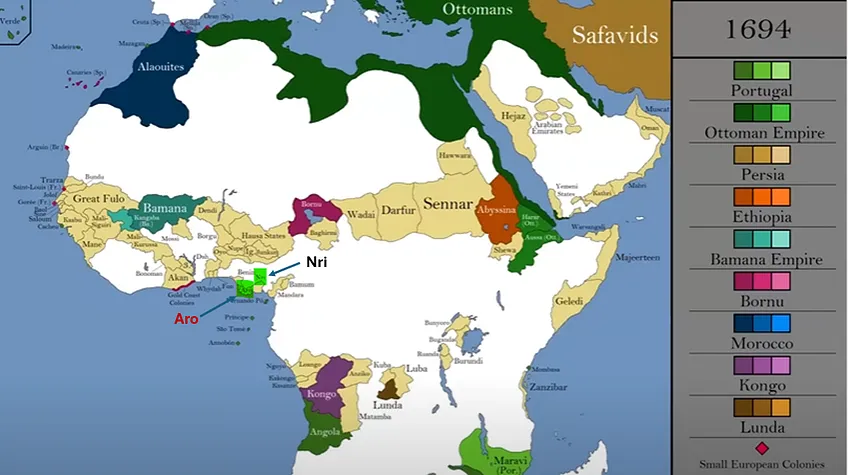
Arochukwu: The spiritual and commercial center of the Aro Confederacy, the Aro people expanded their power and heavily supported their renowned Ekpe secret society with wealth derived from palm oil.
Onicha: A big market where livestock, textiles, and bronze artifacts from the Benin Kingdom were exchanged for palm oil.
A balanced measurement system of palm oil was used as money in the absence of coins. The value of a large calabash (agba) or pottery jar (ite) was transformed. For example :
20 yams = 1 agba of palm oil.
One ite of palm oil was equal to a piece of woven fabric or a goat.
Wealth and Social Stratification: Social classes were attainable by control over palm oil production. The Ogaranya (rich men) and Omu (female leaders) were able to:
Earn big titles such as Ozo (a male title requiring an extensive resource process).
Contribute to community projects like bridge construction or shrine renovations.
Historical context
In order to strengthen marital ties, pay bridewealth (time ego).
3 Spiritual and Cultural Resonance:
- Igbo identity, daily life, and cosmology were all surrounded by this commodity.
• Culinary Centrality: Palm oil was used in almost all traditional dishes. Notable examples consist of:
• Ofe Akwụ: A hearty soup prepared with meat, vegetables, and extraction from palm nuts
Ji Mmanụ Nkwụ: Yam porridge prepared with palm oil.
Nkwobi: A ceremonial dish that is served during festivals.
Initiation Rites: During the Iwa Akwa (coming-of-age ceremony), new initiates were anointed with a mixture of chalk (nzu) and palm oil.
Herbalists (dibia) used palm oil as a base for medicinal mixtures to treat conditions like arthritis and infertility.
4. Conflict and Socio-Political Structures:
In decentralized Igbo societies, palm oil influenced politics, diplomacy, and even conflict.
Palm trees could be inherited individually, but land was owned collectively. Elder councils (ndi ichie) or oracles such as the Ibini Ukpabi (Long Juju of Arochukwu) were used to resolve disputes over palm groves.
The power of palm oil in the Aro Confederacy:
A subgroup of the Igbo, the Aro, dominated regional trade by using their wealth from palm oil. The Ekpe secret society, which enforced contracts and settled disputes, was funded by a network of agents (ekpe) who collected palm oil as tribute. They also controlled trade routes to coastal ports like Bonny and Calabar, where palm oil was traded for luxury goods and European firearms.
Sustainability and Environmental Wisdom
To protect palm oil, the Igbo people created advanced ecological techniques.
Palm oil was much more than just a commercial commodity in precolonial Igboland; it served as a political tool, a cultural center, and an environmental teacher. The Igbo’s skill in producing and trading palm oil demonstrates their inventiveness in balancing the ecosystem with human needs. In a time of environmental crisis and economic inequality, this legacy of sustainability, resiliency, and distribution of wealth offers timeless lessons. A living example of a people’s capacity to prosper in harmony with the natural world, the history of Igbo palm oil is more than just a historical account.
References
1. Dike, K. O. (1956). Trade and Politics in the Niger Delta, 1830–1885.
2. Isichei, E. (1976). A Histor7y of the Igbo People.
3. Nwabara, S. N. (1977). Igboland: A Century of Contact with Britain, 1860–1960.
4. Uchendu, V. C. (1965). The Igbo of Southeast Nigeria.
5. Afigbo, A. E. (1981). Ropes of Sand: Studies in Igbo History and Culture
Cite this article
Continue reading
Related histories
 Anthropology and EthnographyThe Demography of Biafran Slave Exports (1650–1850)Read history →
 Anthropology and EthnographyMasquerade Traditions from Igboland to the Caribbean (Jonkonnu, Mocko Jumbie)Read history →
 Anthropology and EthnographyMapping Igbo Destinations in the Americas: A Comparative AnalysisRead history →
No comments yet
Nothing has been approved on this record yet. Comments are checked by an editor before they appear, so one written now shows on this page after that check.