 Ozikoro
 Anthropology and Ethnography · Published history
The Iwoki Ward: The Specialists of the Gun
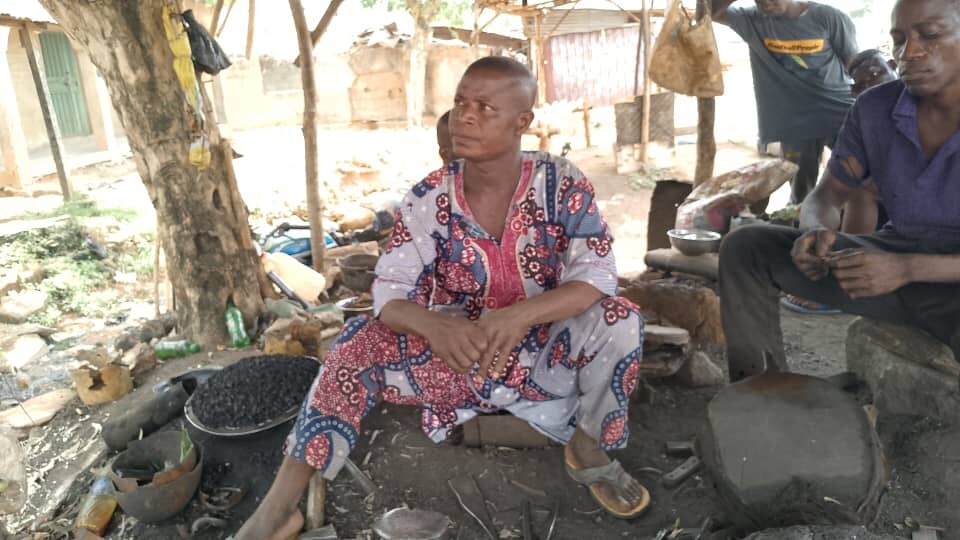
The mastery of firearms among many West African communities before and during the colonial era depended heavily on specialized guilds, wards, and lineages responsible for weapon production, maintenance, and ritual protection. Among such groups was the Iwoki Ward, a community recognized in local oral traditions as specialists in gun production, maintenance, and deployment. Though not as widely documented as the Nkwerre or Awka smiths, the Iwoki tradition forms part of a broader network of indigenous gun specialists who contributed to precolonial security, hunting, warfare, and communal defense.
The written record
Historical context
Historical Origins of the Iwoki Ward
- Migration Background and Founding Lineages
The origins of the Iwoki Ward are rooted in oral traditions that connect the group to an early lineage of blacksmiths and gun technicians who migrated into their present region during the height of the Atlantic trade. Their settlement structure, lineage organization, and oral histories indicate a community specially trained in the manipulation of iron, metalworking, and eventually firearms. As firearms entered the region through coastal interactions with European traders, Portuguese, Dutch, and later British, the Iwoki lineage quickly adapted to this new technology, integrating it into their existing metallurgical knowledge base.
- Contact with Coastal Trading Centers
European firearms became a major commodity in West Africa from the 16th century onward. The Iwoki community’s proximity to internal trade routes enabled them to obtain broken muskets, gun parts, and gunpowder ingredients. These components were not merely purchased but repurposed, repaired, and reconfigured by Iwoki specialists who gradually earned reputations as reliable gun handlers.
Technological Expertise of the Iwoki Gun Specialists
- Indigenous Gun-Making and Repairs
Iwoki gun specialists were not always full manufacturers like the Nkwerre or Awka gun-makers, but they excelled at:
Repairing damaged muskets,
Reconstructing gun barrels using local forge techniques,
Crafting local “Dane guns” from iron bars,
Producing gun components such as triggers, locks, and firing mechanisms. Drawing from indigenous bloomery smelting knowledge and later contact with imported iron rods, they became indispensable to hunters, warriors, and community militias.
- Mastery of Blacksmithing and Pyrotechnics
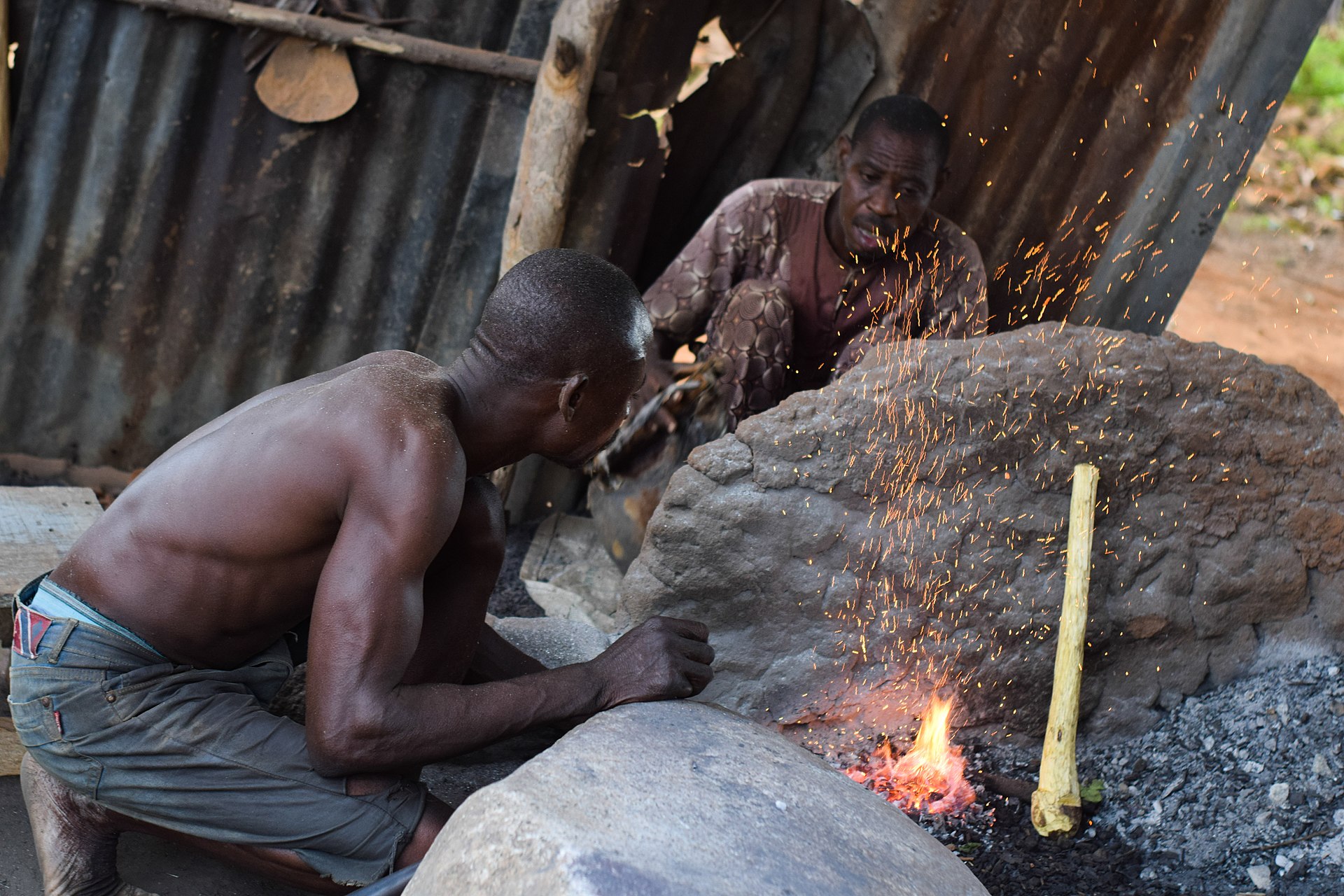
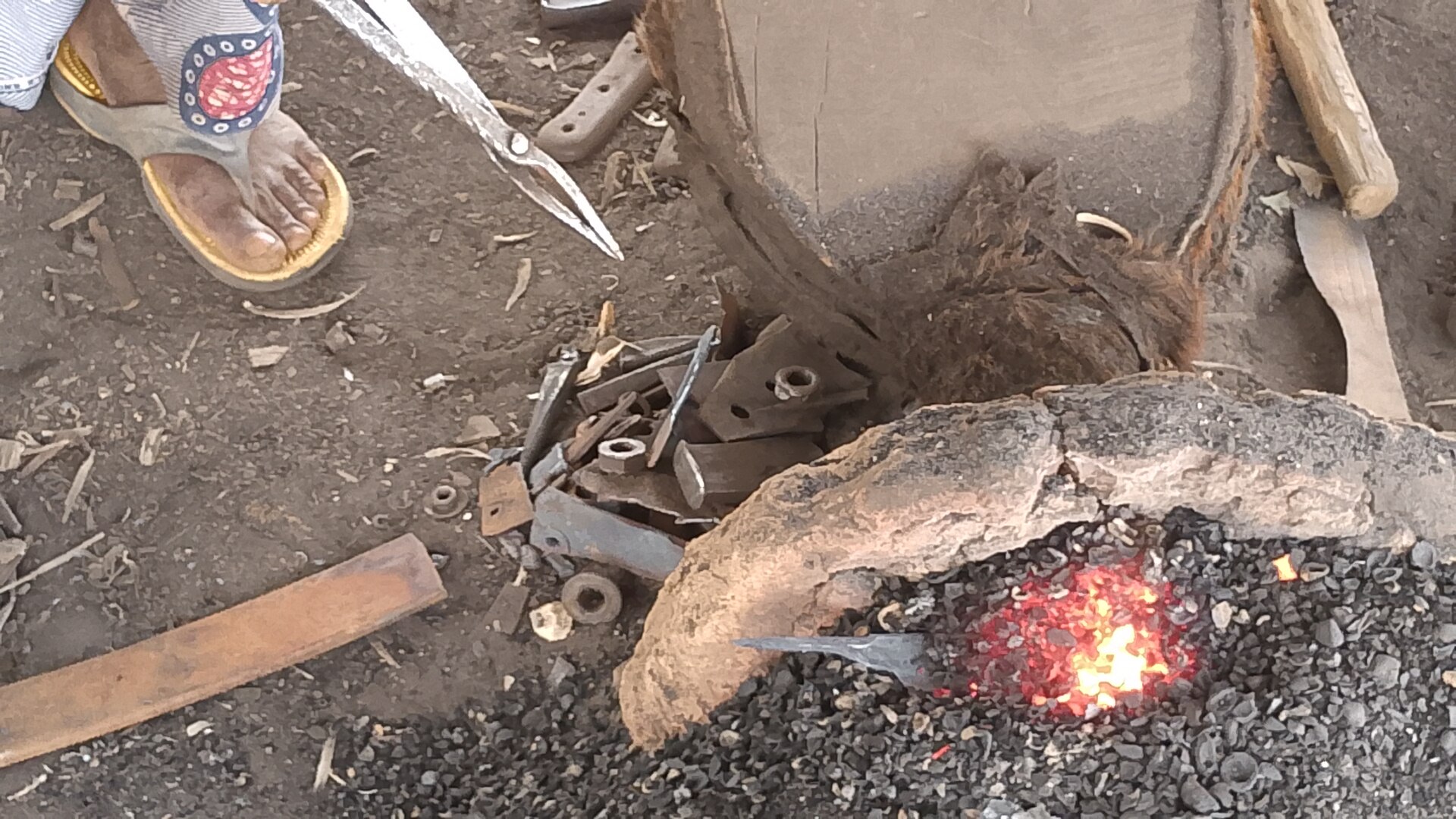
The Iwoki Ward were skilled blacksmiths capable of understanding the combustion dynamics of black powder, the tensile limits of iron, and the firing capacity of modified muskets. Their workshops often contained Small bloomery furnaces, bellows crafted from animal hide, anvils, tongs, and forging hammers and gunpowder mortars for mixing sulphur, charcoal, and saltpeter.
This level of craftsmanship required generations of apprenticeship and secrecy, which was carefully preserved in the ward’s male-dominated guild.
- Innovation through Adaptation
Iwoki gun specialists were known to “adapt foreign technology for local needs” a pattern also seen among the Nkwerre and the Awka smiths. They shortened barrels for easier movement through forests, improved trigger sensitivity, and reinforced muskets to withstand repeated firing.
The Ritual and Spiritual Dimensions of Iwoki Gun Culture
- Guns as Sacred Objects
In many West African societies, weapons were not merely physical tools but spiritual extensions of ancestral protection. The Iwoki Ward maintained rituals that strengthened the “spirit of the gun.” These rituals often involved purification rites before forging, ancestral invocation, consecration of newly forged guns, protective charms for marksmen. Similar traditions are documented among the Ekpe society in Cross River and the Awka smiths in Igboland.
- Oath-Taking and Craft Secrecy
As specialists, the Iwoki practitioners belonged to a semi-esoteric guild. Knowledge transfer required oaths of secrecy, reflecting iron-working traditions across Nigeria. The ward held communal shrines where smiths performed rituals before major defensive engagements or during periods of community tension.
Social and Economic Roles of the Iwoki Ward
- Security and Community Defense
The Iwoki Ward played a foundational role in local security. Their responsibilities included supplying hunters with reliable weapons, training elite marksmen, maintaining community armories and supporting defensive warfare in times of threat.
Iwoki gunsmiths often accompanied warriors to the battlefield, offering emergency repairs or preparing weapons before battles similar to the role of smiths in the Sokoto Caliphate.
- Economic Exchange and Inter-Regional Trade
The Iwoki Ward engaged in trade networks that extended across neighboring communities. Their guns and repair services were exchanged for yam and agricultural produce, palm oil and kernels, livestock, fabric and imported items. This positioned their ward as an economic nucleus, strengthening their prestige and influence.
- Diplomacy and Inter-Community Negotiation
Gun specialists were also political actors. Because of their centrality to defense, they participated in peace negotiations, boundary settlements, and internal political discussions. Their possession of technical power granted them elevated status in the socio-political hierarchy.
The Colonial Encounter and Transformation of the Iwoki Ward
- British Policies and Firearm Restrictions
By the early 20th century, British colonial authorities introduced laws restricting indigenous gun production, echoing what occurred in Awka and Nkwerre. The Firearms Ordinance of 1917 made unauthorized weapon crafting illegal. This forced many Iwoki specialists to shift from gun-making to agricultural tools, offering repair services covertly and adapt their craft to non-weapon metallurgical production.
- Persistence through Adaptation
Despite colonial suppression, the legacy of Iwoki gun specialists persisted through oral memory, ritual practices, surviving workshops, transmission of reduced but still functional craft knowledge. Their role shifted from active gun-makers to custodians of cultural identity and technical heritage.
The Iwoki Ward stands as a significant example of indigenous technological specialization in precolonial and colonial West Africa. Their mastery of firearm repair, partial manufacturing, ritual consecration, and military collaboration made them central to local security and economy. Though colonial prohibitions altered their craft, the cultural memory of the Iwoki gun specialists remains an important testament to the creativity, resilience, and adaptability of indigenous technological systems in Nigeria.
Sources and references
- Afigbo, A. E. (1981). Ropes of sand: Studies in Igbo history and culture. University Press.
- Isichei, E. (1976). A history of the Igbo people. Macmillan.
- Last, M. (1967). The Sokoto Caliphate. Longman.
- Ottenberg, S. (1989). Boyhood rituals in an African society. University of Washington Press.
Cite this article
Discussion
Sign in to join the discussion
Comments are checked by an editor before they appear. Leave a source or a correction and it is read first.
Continue reading
Related histories
 Anthropology and EthnographyThe Demography of Biafran Slave Exports (1650–1850)Read history →
 Anthropology and EthnographyMasquerade Traditions from Igboland to the Caribbean (Jonkonnu, Mocko Jumbie)Read history →
 Anthropology and EthnographyMapping Igbo Destinations in the Americas: A Comparative AnalysisRead history →
No comments yet
Nothing has been approved on this record yet. Comments are checked by an editor before they appear, so one written now shows on this page after that check.