 Ozikoro
 Anthropology and Ethnography · Published history
The Knight Templar Connection: Itsekiri Royals as Members of European Orders of Chivalry
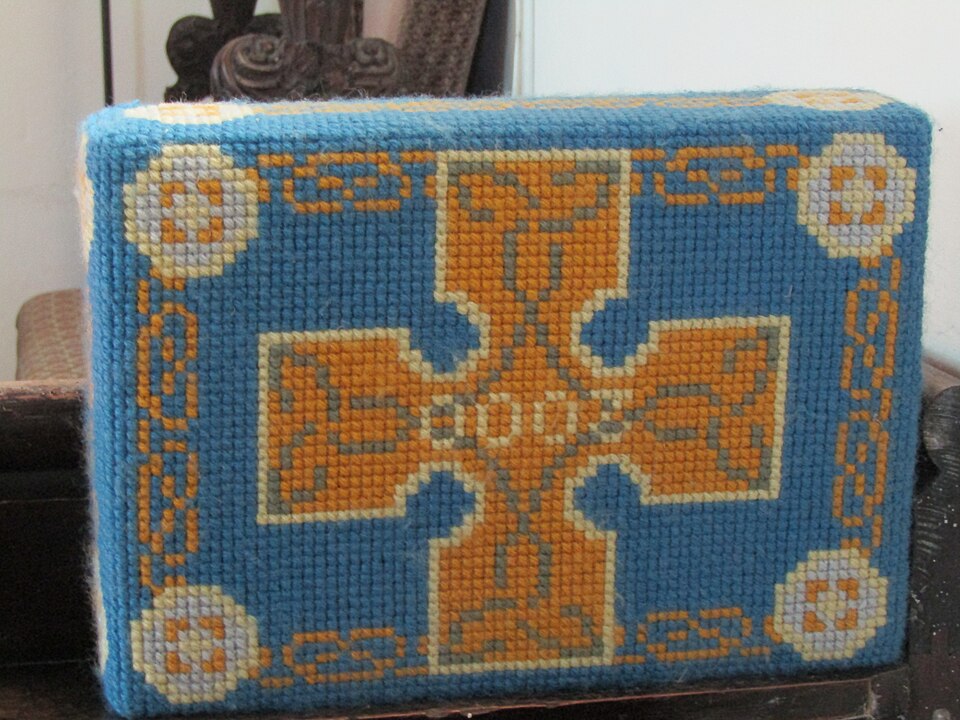
The Itsekiri Kingdom (Warri Kingdom or Iwere) has one of the most fascinating histories of Afro-European interaction in West Africa. Long before colonialism, the Itsekiri royal family developed strong diplomatic, economic, and religious ties with Portugal. These early engagements included political alliances, Christian missions, and the exchange of royal artifacts. One of the most intriguing aspects of this relationship is the historical claim often circulated in oral tradition, missionary accounts, and modern historical interpretations that certain Itsekiri royals were associated with European orders of chivalry, particularly the Order of Christ. Because the Order of Christ was descended from the medieval Knights Templar, some interpretations describe this connection as a “Templar link.”
The written record
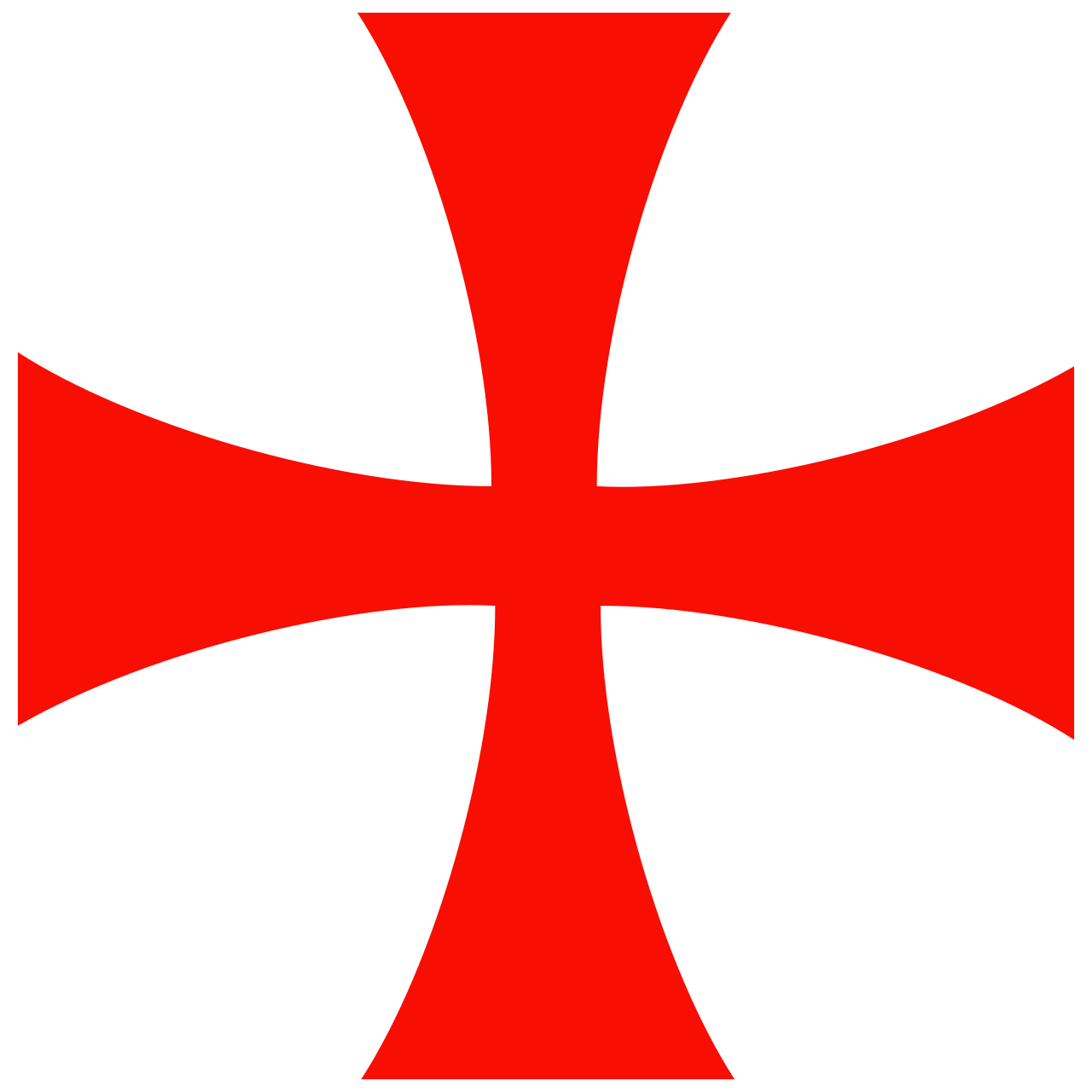
Photo credit: Wikimedia Commons – Public Domain (SVG)
Historical context
Historical Foundations of the Itsekiri–Portuguese Alliance
- Early European Contact
The Portuguese were among the first Europeans to reach the Niger Delta in the late 15th century. According to Ryder in the Warri Kingdom, the Portuguese established trade relations with the Itsekiri, exchanging goods such as textiles, firearms, and metalware for ivory, pepper, and, eventually, slaves. This contact expanded into religious and political influence when Portuguese missionaries began converting local elites.
By the early 16th century, the Olu of Warri and members of the royal family were baptized into the Catholic faith. This made the Itsekiri monarchy one of the earliest Christian royal houses in what is now Nigeria.
- Royal Education in Portugal
A recurring feature of Itsekiri–Portuguese relations was the practice of sending royal sons to Portugal for formal education. Princes such as Dom Domingos, Dom Sebastião, and others lived in Portuguese noble courts, received Christian training, and were instructed in European aristocratic customs. Some were knighted or associated with Portuguese noble orders, particularly the Order of Christ.
These princes returned with European customs, titles, and artifacts, which significantly transformed Itsekiri court culture.
The Order of Christ and Its Templar Heritage
- The Order of Christ as Successor to the Knights Templar
The Knights Templar, a powerful medieval Christian military order, were suppressed in 1312. In Portugal, their properties and traditions were reorganized into a new order: the Ordem de Cristo (Order of Christ). It retained templar symbols, templar rites and role in Christian expansion
Entries on the Order of Christ explain that Prince Henry the Navigator key to Portugal’s maritime exploration served as its Grand Master. Because Portuguese missionaries and noble institutions operated under the symbol of the Order of Christ, its influence was exported to regions like the Niger Delta.
- Why Itsekiri Royals Became Linked to the Order
Itsekiri princes in Portugal were educated within Catholic noble circles, where the Order of Christ wielded major influence. Portuguese monarchs and the order often bestowed honorary associations or symbolic insignia on foreign Christian princes. While the Itsekiri princes were not Templars themselves because the Templars no longer existed they were affiliated with the successor order that inherited Templar traditions.
Thus, the “Templar connection” is symbolic, not literal. The Itsekiri monarchy was integrated into the Portuguese Christian aristocratic network of the 16th and 17th centuries.
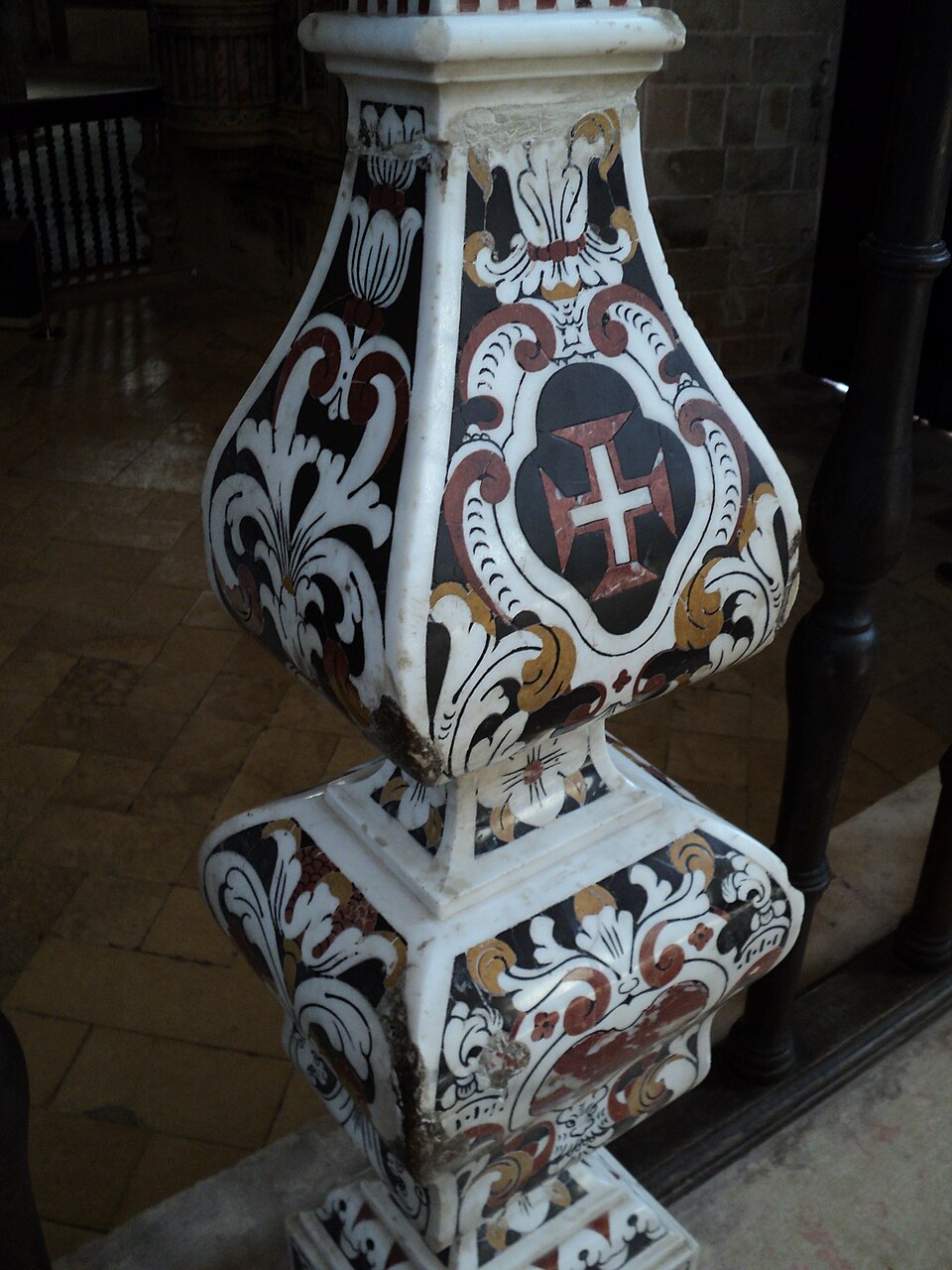
Photo credit: Wikimedia Commons via Convento_de_Cristo,_Tomar
Evidence of Chivalric Influence on Itsekiri Royalty
- Adoption of Christian Names and Titles
Itsekiri princes who studied in Portugal received Christian names such as:
“Dom Domingos”
“Dom Sebastião”
“Dom Antonio”
The Portuguese title “Dom”, a noble addressing similar to “Sir” or “Lord” indicated elevated status. This suggests recognition within Christian noble hierarchies.
- Chivalric Symbolism in Royal Regalia
Artifacts brought from Portugal showed clear influence from the Order of Christ. These included:
Crowns engraved with crosses,
Scepters decorated with Christian motifs,
Robes modeled after European ecclesiastical garments,
The cross symbol that appears on some Itsekiri royal crowns, especially from the 17th century, is consistent with the red cross used by the Order of Christ.
Ryder and oral histories note that certain crowns and regalia items were direct gifts from Portugal, representing both a diplomatic alliance and a Christian covenant between the two kingdoms.
- Participation in Catholic Rituals
Itsekiri rulers were known for taking part in Catholic ceremonies conducted by Portuguese priests. Because the Order of Christ funded overseas missionary work, the participation of Itsekiri royals in these rituals strengthened the perception of a chivalric or Templar connection.
The Nature of the “Templar Connection”
- Symbolic vs. Literal Membership
There is no historical evidence that Itsekiri royals were formally inducted as knights into the medieval Knights Templar, an impossibility since the Templars had been dissolved centuries earlier. However, the Order of Christ Preserved Templar uniforms, Preserved Templar symbols, Retained a monastic-military ideology.
Thus, an Itsekiri prince associated with the Order of Christ could be described as having a “Templar heritage” through the order.
- Integration into the European Christian World Order
Being linked to the Order of Christ elevated the international standing of the Itsekiri monarchy. It meant:
Recognition by the Portuguese crown,
Diplomatic backing from European Christian institutions,
Inclusion in a global Christian aristocratic tradition.
This connection helped the Itsekiri secure better trade privileges and diplomatic influence in the region.
Lasting Cultural and Historical Impact
- Influence on Royal Identity
The Itsekiri monarchy’s identity evolved into a hybrid of African and European practices. Christian symbols and European noble traditions became fused with Itsekiri customs. This created a unique royal identity unlike that of neighboring kingdoms.
- Modern Interpretations
In contemporary discussions both academic and cultural Itsekiri associations with the Order of Christ are sometimes popularly described as “Templar connections.” While not historically literal, the symbolism is powerful. It evokes early global diplomacy, noble heritage and Christian aristocratic influence
- Preservation in Oral Tradition
Itsekiri oral narratives preserve memories of princes who traveled to Portugal, lived among European nobles, and returned with titles and regalia. These stories reinforce the enduring cultural memory of chivalric influence.
The claim that Itsekiri royals were connected to the Knights Templar is best understood within a historical-symbolic framework. While the actual Templars no longer existed by the time of Itsekiri-Portuguese contact, their ideological and symbolic legacy survived in the Portuguese Order of Christ. Itsekiri princes educated in Portugal were integrated into Christian noble society and exposed to chivalric traditions descending from the Templars. This resulted in the adoption of European titles, Christian regalia, and diplomatic practices. The “Templar connection” therefore reflects a deeper truth: the Itsekiri monarchy stood at the crossroads of African royal tradition and European aristocratic influence, forming one of the earliest and most sophisticated Afro-European alliances in West African history.
Sources and references
- Ryder, A. F. C. (1969). Benin and the Europeans, 1485–1897. London: Longman.
- Silva, M. (2001). The Portuguese Empire and Religious Orders. Lisbon: Instituto Camões.
- Thornton, J. (1998). Africa a nd Africans in the Making of the Atlantic World, 1400–1800. Cambridge University Press.
Cite this article
Discussion
Sign in to join the discussion
Comments are checked by an editor before they appear. Leave a source or a correction and it is read first.
Continue reading
Related histories
 Anthropology and EthnographyThe Demography of Biafran Slave Exports (1650–1850)Read history →
 Anthropology and EthnographyMasquerade Traditions from Igboland to the Caribbean (Jonkonnu, Mocko Jumbie)Read history →
 Anthropology and EthnographyMapping Igbo Destinations in the Americas: A Comparative AnalysisRead history →
No comments yet
Nothing has been approved on this record yet. Comments are checked by an editor before they appear, so one written now shows on this page after that check.