 Ozikoro
 Anthropology and Ethnography · Published history
The Legend of Idibie: The Role of the Benin Diviner Who Guided Ginuwa’s Journey

The migration of Prince Ginuwa, the son of Oba Olua of Benin, in the late fifteenth century stands as one of the most significant historical events in the formation of the Itsekiri people and the establishment of the Warri Kingdom. While historians often highlight political tensions within the Benin court or the maritime relocation that followed, one key figure frequently mentioned in oral traditions is the Benin diviner Idibie. His spiritual guidance, ritual instructions, and divinatory insight are said to have shaped the trajectory of Ginuwa’s journey from the Benin capital to the riverine territories of the Niger Delta.
The written record
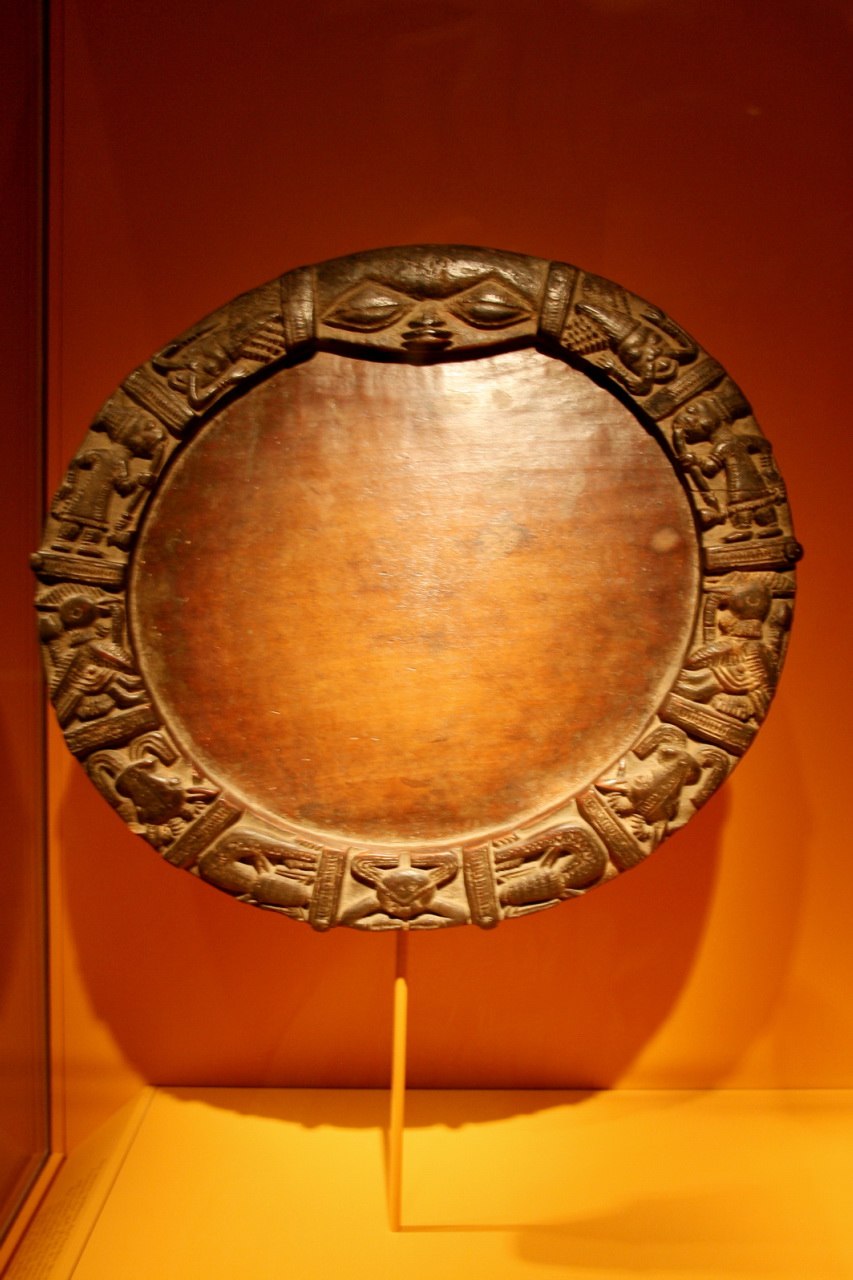
Photo credit; Ji-Elle viaWikimedia Commons
Historical context
Historical Background of Ginuwa’s Migration
- Political Climate in Fifteenth-Century Benin
According to scholars and Benin historical accounts, Prince Ginuwa (also spelled “Ginuwe”) was the first son of Oba Olua, who ruled Benin in the late 1400s. Tensions within the palace aristocracy, especially among powerful chiefs who opposed Ginuwa’s succession, created a climate where the prince’s departure became politically expedient.
Ginuwa was reportedly given a royal canoe later associated with the symbolic “Ark of Ijala” and instructed to leave Benin with a group of loyal chiefs, servants, and attendants. Oral sources describe this migration as both strategic and spiritual, requiring supernatural guidance.
- The Need for Spiritual Navigation
The Benin empire, like many West African polities, relied on divination to sanction major decisions. Royal travels, warfare, succession matters, and diplomatic movements were typically preceded by consultation with specialists in Ifa or native Edo divination systems.
Thus, the departure of a royal prince into unknown riverine territory necessitated a skilled diviner; this role was fulfilled by Idibie, a ritual expert whose reputation extended beyond the Benin capital.
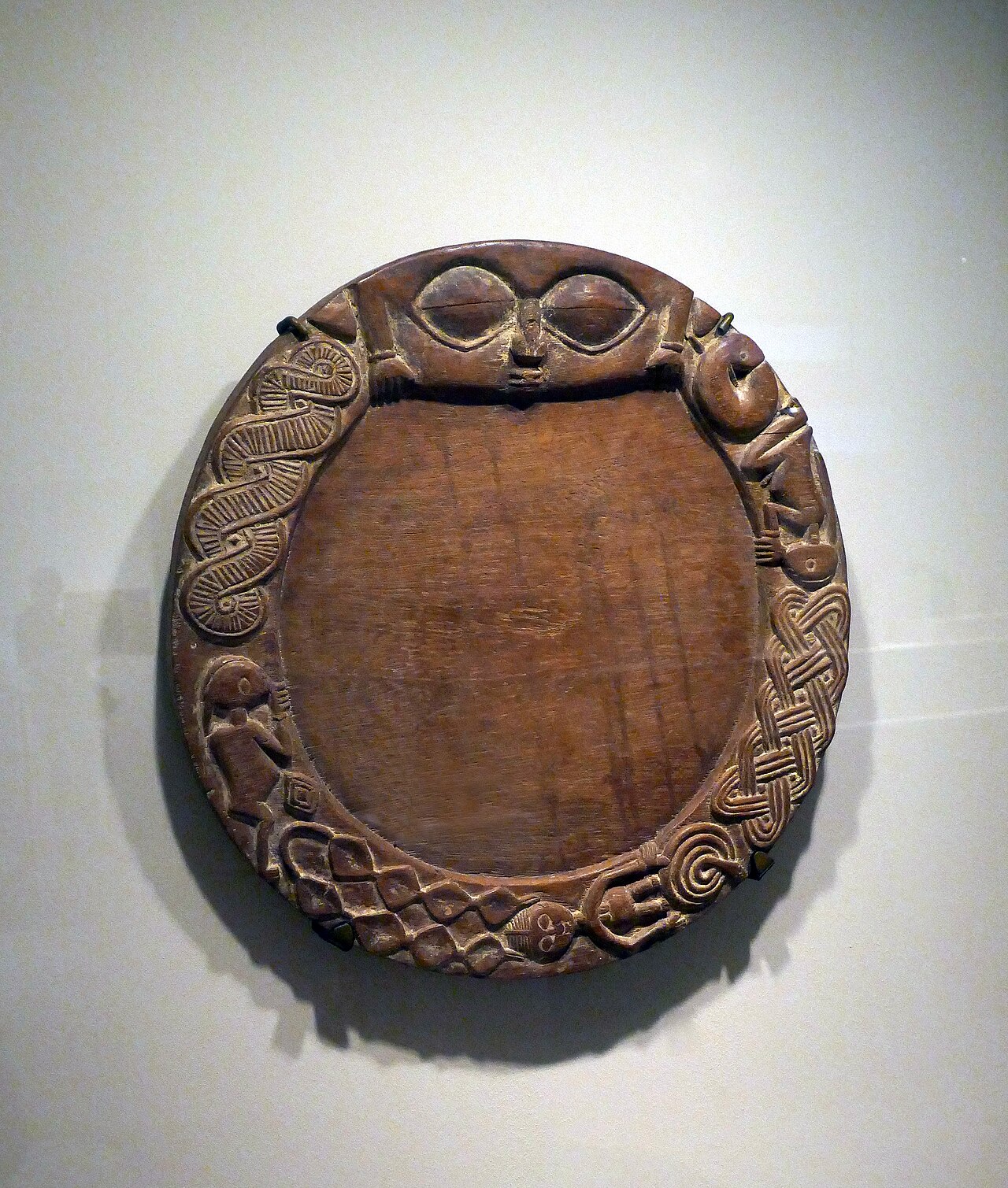
Photo credit; Ji-Elle viaWikimedia Commons
The Legend of Idibie: Origins and Identity
- A Priest of Esu or a Native Edo Oracle Specialist?
Idibie is described in Itsekiri and Benin oral traditions as a powerful seer (“dibia”) whose spiritual abilities were essential for interpreting omens and charting safe routes. While some traditions associate him with the Ifa system commonly linked to Yoruba diviners others identify him as an Edo ritual specialist aligned with the cults of Osanobua, the Supreme God of Benin.
This diversity reflects the syncretic nature of spiritual practice in the region during the fifteenth century.
- His Selection by the Palace
Legends state that Oba Olua or the palace council appointed Idibie to accompany Ginuwa, not only to provide spiritual protection but also to legitimize the prince’s movement. Diviners were seen as mediators between the human and spirit worlds, and their presence conferred divine approval.
In some narratives, Idibie is said to have been one of the few trusted individuals who remained loyal to the prince amidst palace intrigues.
Idibie’s Role During the Journey
- Divinatory Guidance and Route Selection
As Ginuwa’s entourage moved southward toward the wetlands and mangroves of the Niger Delta, Idibie performed divinations to choose safe passages, avoid hostile territories, and identify suitable landing locations. Oral traditions claim that he cast lots, consulted sacred objects, or interpreted signs in nature such as bird movements or water currents.
These rituals were believed to reveal divine messages directing the migrants to areas where they would thrive.
- Ritual Protection and Sacrifices
Idibie was also responsible for performing sacrifices to appease spiritual forces encountered along the journey. These included deities of rivers, forests, and ancestral spirits.
Some versions of the legend describe moments when the group faced supernatural threats such as dangerous whirlpools, territorial spirits, or aggressive wildlife requiring Idibie to perform rituals that ensured safe passage. The symbolic “Ark” that carried them was believed to be spiritually fortified through these rites.
- Mediation Between Ginuwa and His Followers
Beyond spiritual duties, Idibie acted as an advisor whose interpretations helped maintain unity within the migrant community. His pronouncements were treated with authority, especially when disputes or uncertainties arose.
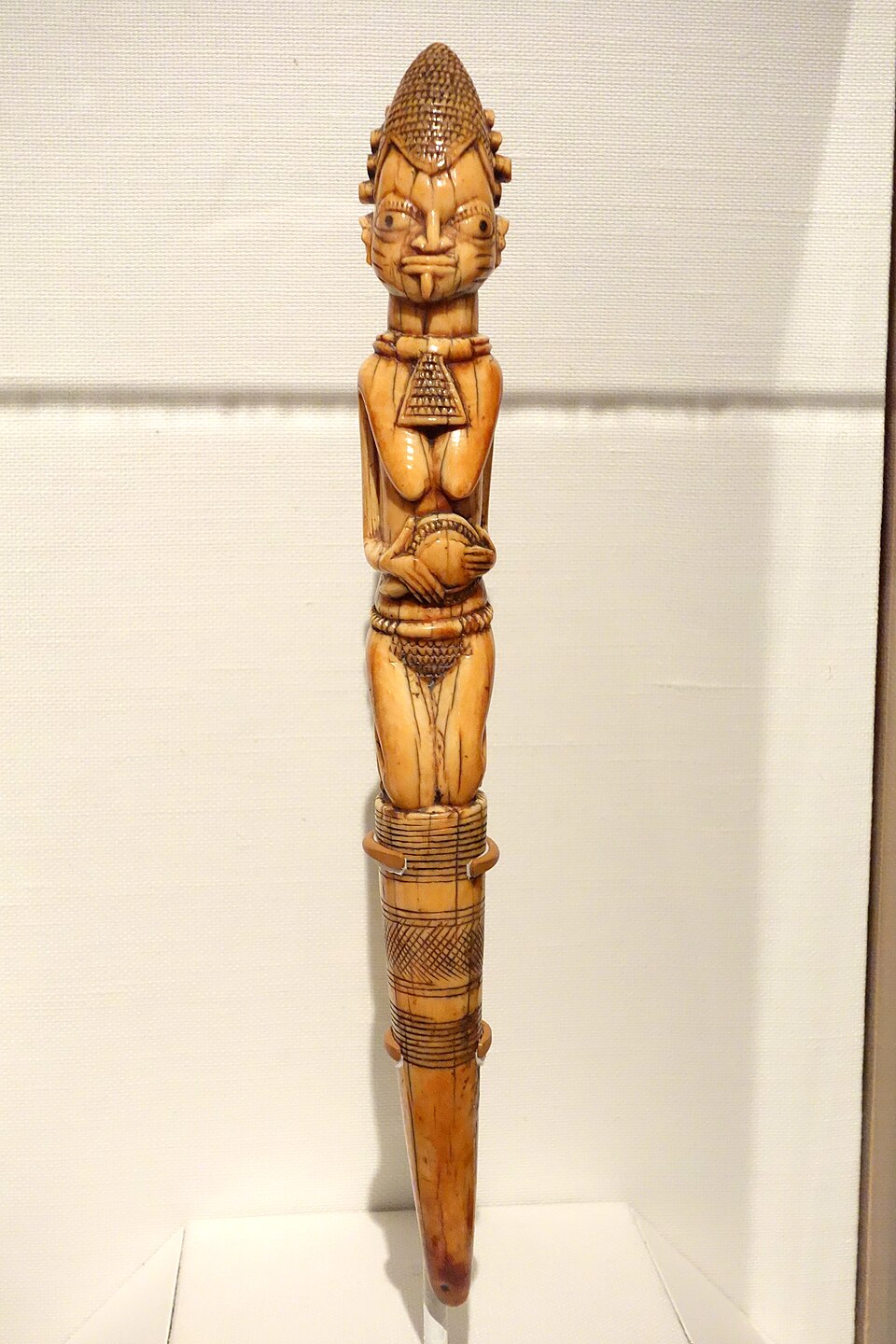
Photo credit; Daderot via Wikimedia Commons.
Idibie’s Influence on the Founding of the Warri Kingdom
- Identifying the Settlement Area
When the migrants reached the Warri River region, Idibie reportedly divined the most auspicious site for settlement. His guidance pointed toward the area around Ijala and later Ode-Itsekiri, which became the political and spiritual center of the new kingdom.
Idibie’s selections were based on both spiritual suitability and environmental factors, such as abundant fishing grounds, defensible terrain, and navigable waterways.
- Establishing Ritual Foundations
Just as the Benin kingdom rested on layered rituals, the early Itsekiri kingdom adopted sacred practices that can be traced back to Idibie’s influence. These included; libation rituals honoring the ancestors, protective charms used by the royal household, ritual days dedicated to deities of water, land, and fertility. Through these practices, Idibie helped transplant the spiritual heritage of Benin into the emerging Itsekiri identity.
The Legacy of Idibie in Itsekiri and Benin Memory
- Ancestral Reverence
Many Itsekiri oral accounts describe Idibie as one of the “foundational spirits” of the kingdom. He is remembered for ensuring that Ginuwa’s journey was “guided, protected, and divinely sanctioned.” Some traditions claim his descendants became ritual specialists or custodians of sacred shrines in the early kingdom.
- Symbol of Divine Mandate
Idibie’s involvement reinforces the belief that the founding of the Warri Kingdom was not accidental but divinely orchestrated. This gives spiritual legitimacy to the royal line of Ginuwa, an idea still reflected today in coronation rites and ancestral festivals.
The legend of Idibie highlights the inseparable bond between spirituality and political history in precolonial West Africa. As the diviner who guided the exodus of Prince Ginuwa, Idibie played a pivotal role in shaping the foundation and identity of the Warri Kingdom. His divinations, ritual protections, and advisory roles reflect the cultural worldview of the Benin Empire, where diviners served as mediators between earthly authority and divine mandate.
Through Idibie, the spiritual traditions of Benin were transmitted into the emerging Itsekiri state, ensuring continuity, legitimacy, and stability. His legacy endures in the collective memory of both Benin and Itsekiri peoples, symbolizing the sacred dimension of historical migration and state formation.
Sources and references
- Ben-Amos, P. (1995). The art of Benin. Smithsonian Institution Press.
- Egharevba, J. U. (1968). A short history of Benin. Ibadan University Press.
- Omoregie, N. (1997). Divination and politics in the Benin Kingdom. African Studies Review, 40(2), 89–104.
- Ryder, A. F. C. (1969). Benin and the Europeans, 1485–1897. Humanities Press.
Cite this article
Discussion
Sign in to join the discussion
Comments are checked by an editor before they appear. Leave a source or a correction and it is read first.
Continue reading
Related histories
 Anthropology and EthnographyThe Demography of Biafran Slave Exports (1650–1850)Read history →
 Anthropology and EthnographyMasquerade Traditions from Igboland to the Caribbean (Jonkonnu, Mocko Jumbie)Read history →
 Anthropology and EthnographyMapping Igbo Destinations in the Americas: A Comparative AnalysisRead history →
No comments yet
Nothing has been approved on this record yet. Comments are checked by an editor before they appear, so one written now shows on this page after that check.