 Ozikoro
 Anthropology and Ethnography · Published history
The Making of Ncha Nkota (Igbo Soap)
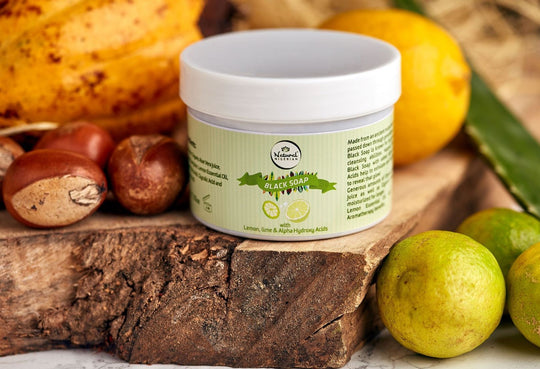
Ncha, an indigenous soap traditionally made by the Igbo people of southeastern Nigeria is more than just a cleansing agent. It reflects indigenous knowledge, resourcefulness, and the use of locally available materials to create a product deeply embedded in Igbo cultural life. Also known as ncha-nkota in the Igbo language, this soap belongs to the broader family of African black soap, which has been produced for centuries across West Africa using ash and plant oils. While the best-known black soaps are often associated with the Yoruba Ose-dudu, the Igbo ncha has its own unique production methods, materials, and cultural meanings within Igbo communities. This essay examines the traditional production process of ncha, its local ingredients, methods of manufacture, and cultural significance in Igbo society, with specific reference to authentic practices from Igboland.
The written record
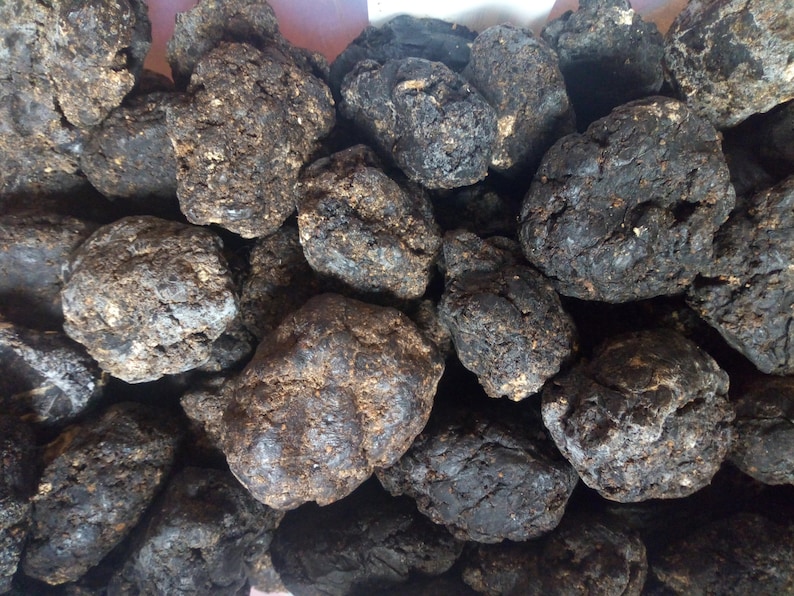
Photo credit; Etsy.
Historical context
Origins and Cultural Context
The production of ncha is rooted in pre-colonial craft industries across Igboland and has long been associated with women’s economic activity and small-scale artisanal industries. Historical accounts note that soap making was one of several indigenous crafts practiced alongside pottery, weaving, and hide work, which contributed to local economies well before modern industrialization.
In Igbo communities, ncha served not only as a personal hygiene product but also played roles in ritual purification, community cleansing ceremonies, and traditional health practices. Because it was derived from natural materials, users often attributed ncha with gentle cleansing and beneficial skin-care properties, a belief that continues in both rural and urban settings. Today, ncha is sometimes marketed commercially, but its production and use remain anchored in traditional craft knowledge.
Raw Materials: Local and Natural Sources
The main characteristic of ncha is that it is made from locally sourced plant materials, and unlike industrial soaps, it contains no synthetic chemical additives. The key raw materials include:
- Ash from burnt plant materials: This is the most important ingredient because it supplies an alkaline substance necessary for saponification, the chemical reaction that turns fats into soap. Traditionally, ashes are obtained by burning the remnants of plant parts such as palm fronds, palm bunches, and other agricultural waste.
- Palm oil and palm kernel oil: These plant-derived oils serve as the fatty base in the soap. Their high oil content makes them ideal for producing soap that not only cleans but also moisturizes the skin. Palm oil can be obtained from fresh palm fruits, while palm kernel oil comes from the seed of the palm fruit.
- Water: Clean water is used to dissolve the ash and to mix with the oils during the cooking process.
Other optional ingredients include shea butter, cocoa butter, or other natural fats, though in the most traditional Igbo recipes these were not always used unless available. The combination of ash and oil is the simplest and most authentic base for ncha.
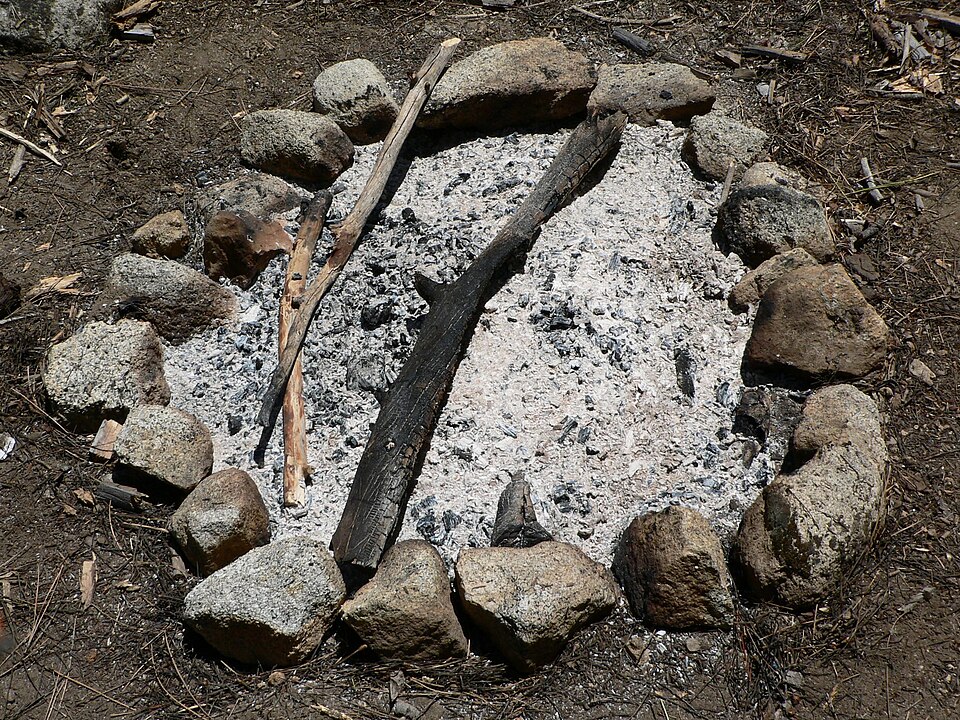
Photo credits; Walter Siegmund
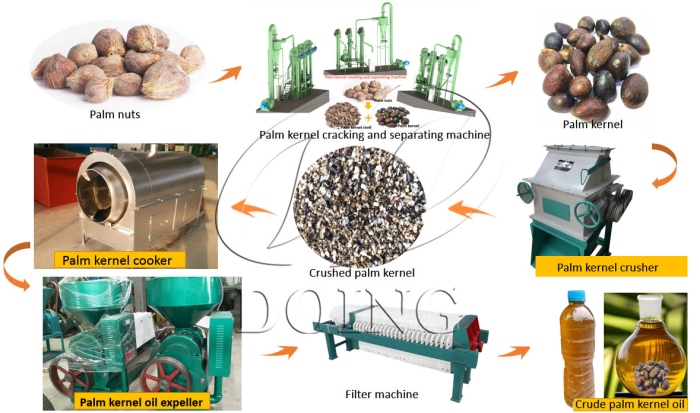
Photo credits; Henan Doing Environmental Protection Technology Co., Ltd..
Production Process: Step-by-Step
The traditional making of ncha relies on heat, time, and careful mixing to achieve the desired soap quality. Unlike cold-process soap making techniques common in modern craft soap production, Igbo ncha is made using a boiling or cooked method, reflecting older soap-making traditions.
- Preparation of Ash Base:
Local plant materials, often palm fronds or palm bunches, are burned until fully reduced to ash. The ashes are then pounded or sieved to remove large particles.
- Extraction of Alkali:
The ash is mixed with water and stirred. The water leaches out the alkali compounds (largely potassium carbonate) from the ash. This mixture is then strained to yield a dark, nutrient-rich potash water, which acts as the alkaline agent needed for saponification.
- Mixing with Oil:
The potash water is then combined with the palm oil or palm kernel oil in a large pot. Traditionally, this process occurs over an open fire or heat, with constant stirring. The mixture must be heated gently but steadily to allow the alkali and fats to react.
- Saponification and Cooking:
As the mixture cooks, it must be stirred for several hours, often 12 to 24 hours, to encourage thorough saponification, a process in which fats and alkalis chemically bond to form soap. The result is a thick, brown-black liquid that gradually begins to solidify.
- Cooling and Setting:
Once sufficiently cooked and mixed, the hot soap mixture is poured into molds or shallow trays to cool. Traditionally, soap makers allow it to solidify at room temperature; the texture can remain soft or become firm depending on the proportion of oils and ash used. After cooling, it is cut into blocks or scooped out for use, hence the name Ncha-nkota.
Because the process uses natural fats and ash-derived alkalis, no synthetic detergents or preservatives are present, preserving the soap’s natural quality and traditional authenticity.
Chemical and Functional Properties
The soap-making process relies on saponification, the reaction between alkali (from ash) and fats (from palm oil) creating sodium and potassium salts of fatty acids that act as surfactants. These surfactants allow the soap to emulsify oils and dirt on the skin, making them soluble in water for rinsing.
Recent studies on African black soap ( of which Igbo Ncha is a variety) suggest that traditional soaps have antimicrobial properties possibly due to their high pH and natural plant compounds. Research shows that black soap can act against common skin microbes such as Staphylococcus aureus and Escherichia coli, making it useful for cleansing and supporting skin health in tropical climates. The raw materials are readily available in the region making the soap available and affordable for most in sub-Saharan Africa. It has been described as gentle, super fatted and hypoallergenic. It is advertised as antimicrobial, anti-acne, exfoliating, skin toning, scar fading, and having medicinal properties. It is popular for its management of skin diseases, although some of the claims remain anecdotal.
Social and Economic Significance
The making of Ncha nkota has traditionally been a female-dominated craft in many Igbo communities. Women often gather indigenous ingredients, prepare the ash solutions, and conduct the soap-making rituals, activities that also foster intergenerational knowledge transfer. Because Ncha nkota can be made from agricultural by-products and waste materials, it did not require industrial infrastructure. This made it economically accessible to rural households, serving as both a household product and a potential source of supplementary income when sold in local markets. In contemporary Nigeria, there has been renewed interest in traditional soap production as part of local entrepreneurship in natural cosmetics. Artisanal soap makers now combine traditional techniques with modern marketing, selling Ncha as an organic and chemical-free alternative to commercial soaps.
The making of Ncha nkota exemplifies how indigenous knowledge systems can produce practical, sustainable solutions using locally available materials and traditional chemical understanding. From preparing ash-derived alkalis to cooking palm oil and water over open flames, the process shows a deep cultural connection to environment and craft. More than just soap, Ncha nkota reflects traditional Igbo values of self-sufficiency, community knowledge sharing, and resource conservation. As contemporary interest in natural and eco-friendly products grows, the traditional craft of Ncha nkota stands as a testament to the enduring relevance of indigenous soap-making practices in both cultural and economic spheres.
Sources and references
- Natural Nigerian. (2024). Soaps – Natural Nigerian.
- PubMed. (2021). African black soap: Physiochemical, phytochemical properties, and uses.
- Aeun on rocks. (2017). Soap making in the African tradition – Igbo version.
Cite this article
Discussion
Sign in to join the discussion
Comments are checked by an editor before they appear. Leave a source or a correction and it is read first.
Continue reading
Related histories
 Anthropology and EthnographyThe Demography of Biafran Slave Exports (1650–1850)Read history →
 Anthropology and EthnographyMasquerade Traditions from Igboland to the Caribbean (Jonkonnu, Mocko Jumbie)Read history →
 Anthropology and EthnographyMapping Igbo Destinations in the Americas: A Comparative AnalysisRead history →
No comments yet
Nothing has been approved on this record yet. Comments are checked by an editor before they appear, so one written now shows on this page after that check.