 Ozikoro
 Anthropology and Ethnography · Published history
The Musketeers of Warri: Early Adoption of Firearms in the 16th and 17th Centuries
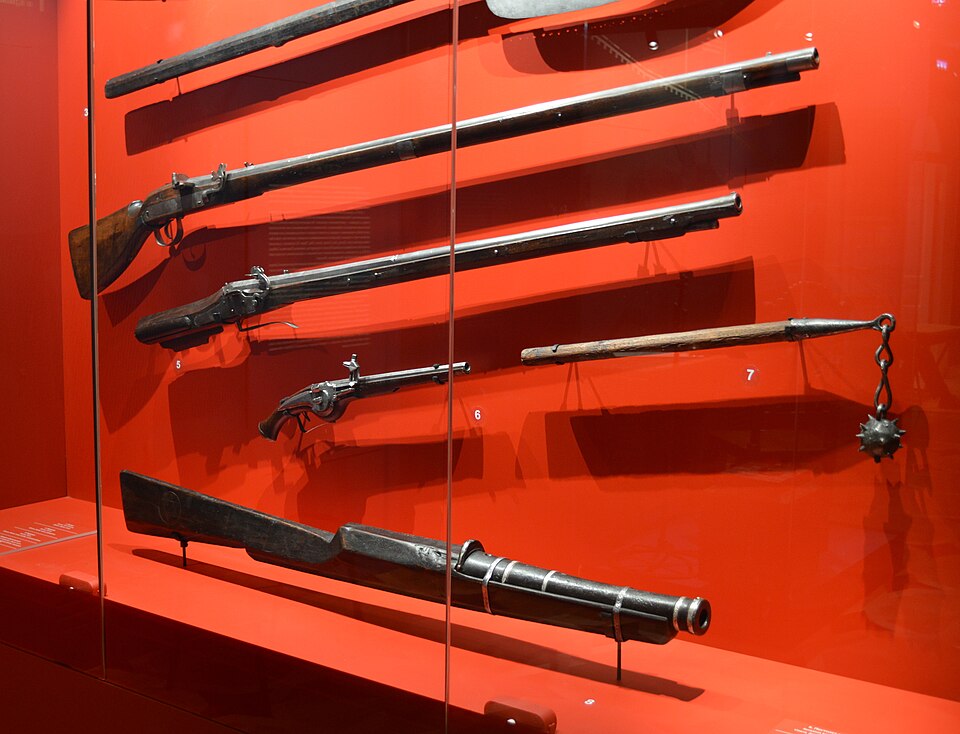
The history of the Itsekiri people of the Warri Kingdom is deeply intertwined with maritime trade, diplomacy, and early contact with Europeans. One of the most significant but often overlooked outcomes of these early encounters was the adoption of firearms, especially muskets, by Itsekiri warriors. As early as the 16th and 17th centuries, the kingdom developed an elite corps popularly described as the “Musketeers of Warri,” consisting of warriors trained to use matchlock and later flintlock firearms introduced through Portuguese trade.
The written record
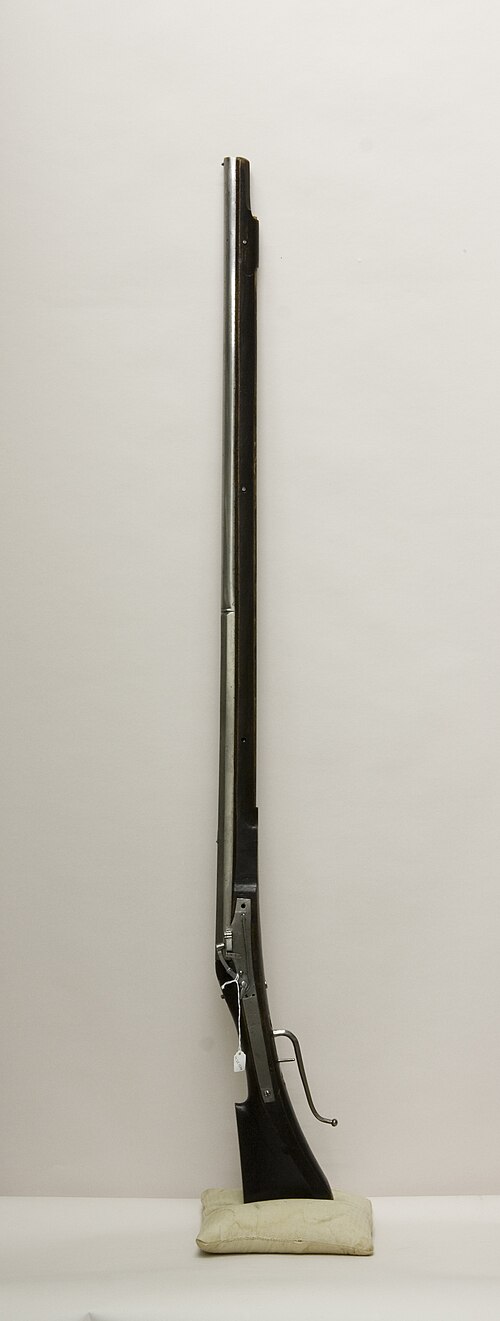
Photo credit: Wikimedia Commons / Public Domain
Historical context
Historical Background
- The Warri Kingdom and Early Portuguese Contact
Warri Kingdom entry states that the Itsekiri established formal relations with the Portuguese in the late 15th century, beginning with the reign of Olu Ginuwa and becoming more pronounced under Olu Atorongboye (c. 1570–1625). Through diplomatic alliances and trade, the Itsekiri gained access to European goods, including gunpowder and firearms. These interactions made Warri one of the earliest West African states to incorporate firearms into its military.
- Regional Context of Firearm Adoption in West Africa
Firearms in Africa and related scholarship, firearms were spreading along the West African coast as part of Portuguese, Dutch, and English trade networks. However, adoption varied widely. Many inland societies experienced delays due to geographic and economic barriers, whereas coastal groups like the Itsekiri integrated guns early due to direct maritime access.
The Itsekiri, positioned at the center of Niger Delta commerce, quickly recognized the military advantages of muskets and reorganized parts of their forces to accommodate them.
Formation of the Itsekiri Musketeers
- Specialized Warrior Units
Historical descriptions reveal that the Itsekiri military evolved into a partially firearm-equipped force. The “Musketeers of Warri” consisted of elite warriors trained in the handling and maintenance of muskets, marksmen assigned to support canoe expeditions, guards stationed around the Olu’s palace and key trading points.
Their emergence signaled a transformation in military tactics and kingdom security.
- Weapons and Equipment
The earliest muskets used were matchlocks, recognizable for their burning wick mechanism. By the 17th century, the Itsekiri also obtained flintlock muskets, which were more reliable and easier to fire in humid Delta conditions.
Musketeers typically carried powder horns, shot bags, short swords or daggers, fire-starting kits, protective charms (reflecting Itsekiri spiritual practice).
European observers noted that Itsekiri musketeers often combined their weapons with traditional attire, beads, and regalia, representing a synthesis of foreign technology and indigenous culture.
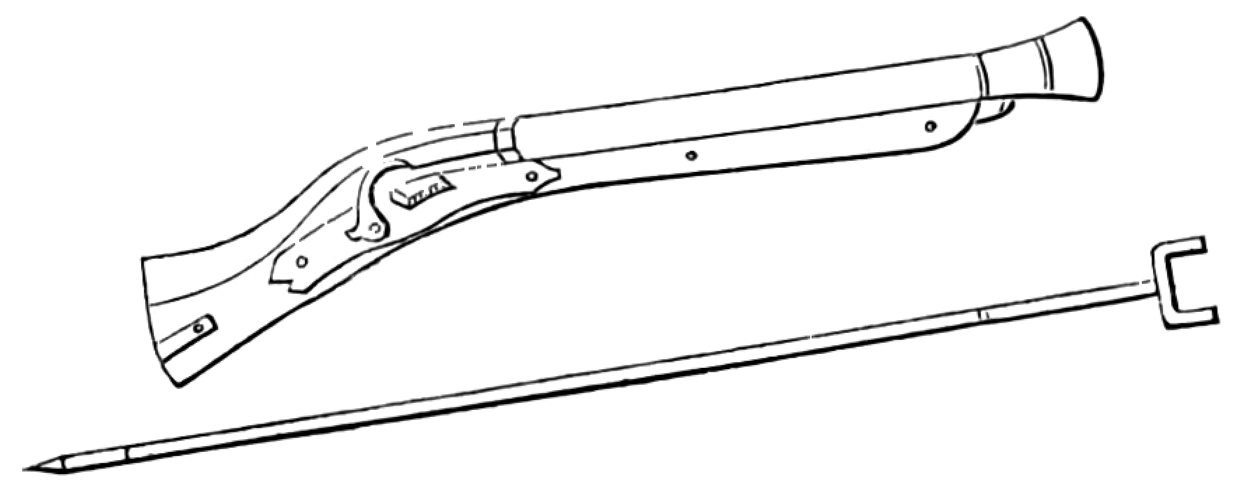
Photo credit: Wikimedia Commons / Public domain
Military Uses and Strategic Importance
- Maritime Warfare and Canoe Battles
The Itsekiri were masters of naval warfare. War canoe notes that many Niger Delta states mounted musketeers on their canoes, but the Itsekiri were among the earliest. Musketeers stood on raised platforms on war canoes, firing volleys before boarding enemy vessels. Their presence enhanced Itsekiri naval superiority, enabling defense of trade routes, enforcement of the Olu’s authority, protection of Portuguese and later Dutch/English merchants.
Musketeers formed a critical component of the Warri riverine defense strategy.
- Conflict with Neighboring Groups
Firearms became a decisive factor in regional disputes. Musketeers were deployed in conflicts involving Urhobo, Ijaw, and other Delta communities. Itsekiri’s early mastery of firearms gave them a psychological and tactical edge, as the sound of gunfire often intimidated opponents accustomed to melee combat.
British colonial reports from the 19th century, though much later, recount oral traditions about earlier Itsekiri gunmen who had long established their reputation for precision shooting and disciplined formation.
- Palace Security and Diplomatic Displays
Musketeers also played ceremonial roles during coronations of the Olu, visits from European delegates, and religious processions involving Portuguese priests in the 17th century. Their controlled firing of muskets often in synchronized bursts signaled power and reinforced Warri’s status as a cosmopolitan, partly Christianized kingdom.
Training, Rituals, and Symbolism
- Training Regimens
Because muskets required careful loading, cleaning, and firing, specialized training was essential. Musketeers practiced coordinated volley firing, loading under pressure, fire discipline to conserve scarce gunpowder, use of muskets aboard moving canoes. Training was conducted by experienced marksmen, some of whom had learned techniques from Portuguese sailors.
- Spiritual Protection and War Charms
As with many African societies, the Itsekiri blended technology with spiritual belief. Musketeers wore protective charms blessed by priests of Ogun (deity of iron) or Oritse (Supreme Being), believing such items enhanced accuracy and protected against enemy fire. This blend of mysticism and foreign military hardware reflected the kingdom’s broader cultural syncretism.
Political and Economic Impacts
- Consolidation of Royal Power
The Olu of Warri relied on musketeers to enforce royal decrees and secure tribute routes. Their discipline and firepower elevated royal authority in a period when other Delta polities still relied primarily on spears and bows.
The influence of Portuguese-trained Christian nobles in the 17th century further strengthened the royal court’s control over the distribution of firearms.
- Catalyst for Commercial Dominance
Because firearms were valuable but scarce, access to them depended on coastal trade relationships. This advantage empowered the Itsekiri to dominate the palm oil and earlier slave trade. Musketeers accompanied merchant canoes, deterring rivals and ensuring safe passage for European trading partners.
Decline and Transformation
- Shifts in Gun Technology
By the 18th and 19th centuries, firearms were no longer a luxury exclusive to Warri. Other Niger Delta peoples also acquired muskets through European trade, reducing the Itsekiri’s technological advantage.
- British Colonial Intervention
The imposition of British rule radically altered military structures. Colonial authorities limited the circulation of firearms, and by the early 20th century, organized indigenous musketeer corps faded. However, the memory of the Warri musketeers remained strong and is still preserved in songs, oral histories, and Itsekiri royal ceremonies.
The Musketeers of Warri represent one of the most compelling examples of early firearm adoption in West Africa. Through strategic trade relationships with the Portuguese, the Itsekiri integrated muskets into their military system as early as the 16th century. These musketeers strengthened naval expeditions, protected trade, enforced royal authority, and symbolized the kingdom’s cosmopolitan identity. Their legacy illuminates the adaptability of the Warri Kingdom, which transformed foreign technology into an indigenous institution that shaped the political and military development of the Niger Delta for centuries.
Sources and references
- Alpern, S. (1995). What Africans Got for Their Slaves: Reciprocal Exchange in the Slave Trade. Journal of African History, 36(1), 63–64.
- Ekeh, P. (2008). Warri City and British Colonial Rule in the Western Niger Delta. Urhobo Historical Society.
- Haberland, E. (1968). Firearms and Warfare in the Niger Delta. Journal of African History, 9(2), 223–240
- Horton, R. (1975). African Religion in Transformation. Cambridge University Press.
Cite this article
Discussion
Sign in to join the discussion
Comments are checked by an editor before they appear. Leave a source or a correction and it is read first.
Continue reading
Related histories
 Anthropology and EthnographyThe Demography of Biafran Slave Exports (1650–1850)Read history →
 Anthropology and EthnographyMasquerade Traditions from Igboland to the Caribbean (Jonkonnu, Mocko Jumbie)Read history →
 Anthropology and EthnographyMapping Igbo Destinations in the Americas: A Comparative AnalysisRead history →
No comments yet
Nothing has been approved on this record yet. Comments are checked by an editor before they appear, so one written now shows on this page after that check.