 Ozikoro
 Anthropology and Ethnography · Published history
The Nsukka Industrial Complex: Lejja and Opi
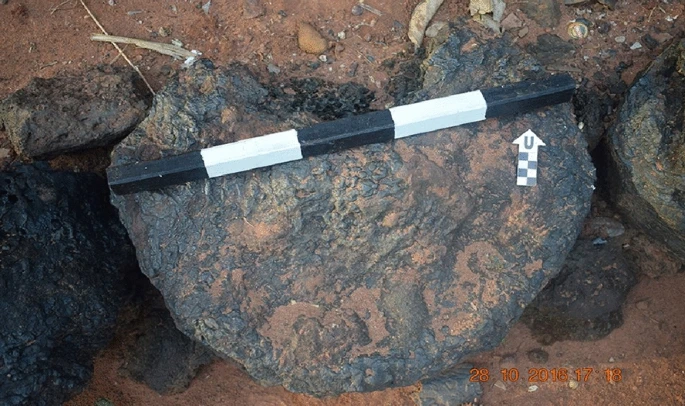
Long before modern factories, industrial parks, and mechanized manufacturing, parts of Igboland in southeastern Nigeria had already developed complex metallurgical traditions. Among the most remarkable of these are the ancient iron-smelting centres of Lejja and Opi, both located within the Nsukka cultural zone of Enugu State. Archaeological evidence suggests that these sites were once among the most technologically advanced iron-production centres in sub-Saharan Africa, featuring massive slag blocks, advanced furnace systems, and production methods that sustained thriving Iron Age communities.
The written record
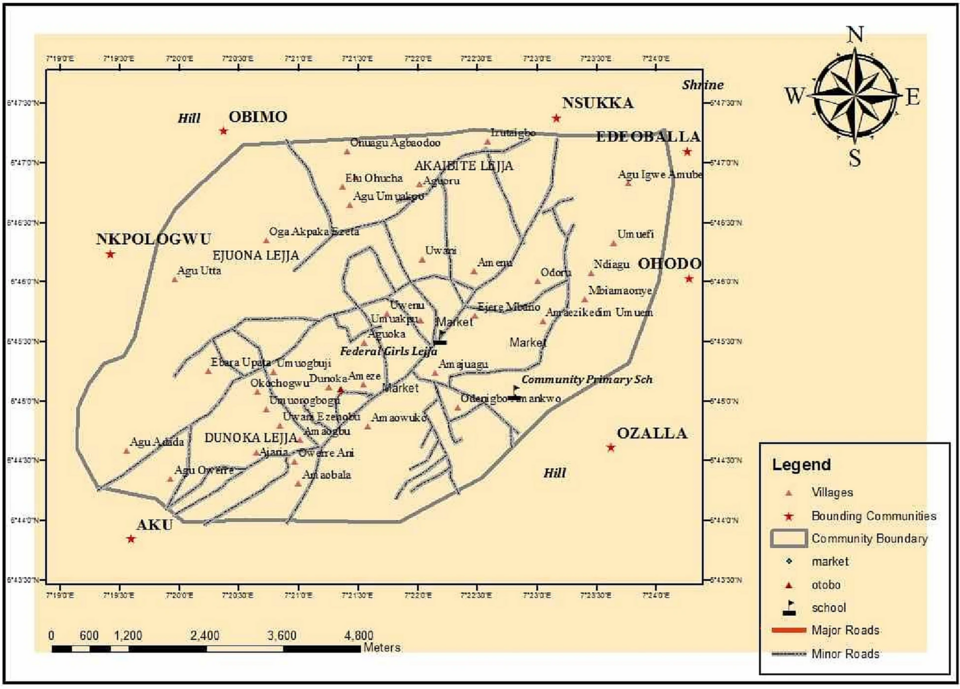
Photo credit; Wikipedia.
Historical context
Historical Background of Nsukka’s Iron Age Civilization
The Nsukka region has long been recognized as an archaeological hotspot. Excavations have revealed artifacts dating back to at least 2000 BCE, supporting the theory that iron technology in West Africa developed independently rather than being imported. According to archaeological evidence referenced in historical summaries and academic compilations, Nsukka is considered one of the earliest centres of iron smelting in the region.
The local environment rich in iron ore, clay, and hardwood made the area ideal for sustained production. Over centuries, communities refined their metallurgical skills, eventually developing highly specialized industrial clusters.
Lejja: An Ancient Industrial Powerhouse
Lejja, located south of Nsukka town, is perhaps the most visually striking of the two major sites. The village contains hundreds of large slag blocks arranged in circular heaps. These slag blocks, some weighing several tons, are physical remnants of ancient smelting furnaces, indicating large-scale production.
Massive Slag Formations
Archaeologists have documented at least 800 slag blocks in Lejja’s central smelting field. Their sheer volume suggests that Lejja was not a small-scale artisan centre but a major industrial complex capable of producing tools, weapons, and agricultural implements for surrounding communities.
Technological Advancement
The furnaces in Lejja used a “bowl furnace” technique, which evidence indicates was highly efficient for its time. Charcoal, iron ore, and air from multiple tuyères (clay pipes) allowed the furnace to reach extremely high temperatures.
Social and Cultural Role
Lejja’s community structure suggests that iron-working was not merely an economic activity but also a sacred one. Ironworkers, often seen as spiritually powerful, were responsible for producing objects tied to agriculture, warfare, and ritual practices.
Lejja thus represents one of the oldest and most advanced iron-smelting complexes in Nigeria.
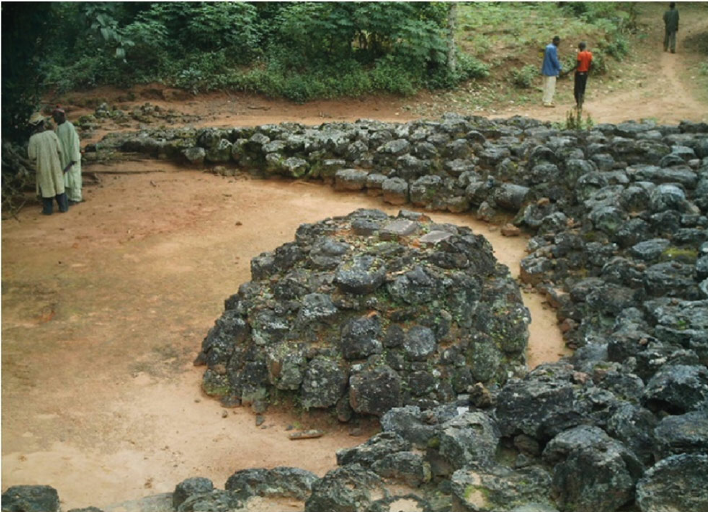
Photo credit; Wikipedia.
Opi: A Multi-Site Metallurgical Landscape
Opi, another Nsukka community, also reveals evidence of ancient iron smelting, but on an even broader scale. Archaeologists describe Opi as a multi-site industrial landscape, with several smelting areas spread across the community.
Distributed Production Centres
Opi contains at least fifteen identified smelting sites, each marked by slag blocks, furnace remains, tuyère fragments, and iron ore residues. This demonstrates an organized system of production involving multiple groups or guilds.
Large-Scale Industrial Activity
The quantity of slag in Opi rivals that of Lejja, but its spread-out nature suggests a decentralized industrial system. Production may have been tied to family guilds or specialized lineages.
Advanced Furnace Design
Like Lejja, Opi furnaces used bowl smelting, but evidence also suggests experimentation with shaft furnace technologies. Such innovations would have increased efficiency, output, and durability.
Economic and Political Importance
Opi likely supplied iron goods to nearby communities, influencing trade networks, warfare capability, and agricultural development. Its industry may have contributed to Nsukka’s regional power and prestige.
Comparing Lejja and Opi
Though closely related, Lejja and Opi differ in scale, organization, and cultural emphasis.
Scale: Lejja is more centralized, while Opi’s smelting fields are dispersed.
Output: Both produced iron on a massive scale, but Opi’s multi-site system suggests larger cumulative output.
Symbolism: Lejja retains stronger ritual associations, with slag blocks arranged in ceremonial-like patterns.
Technology: Both used bowl furnaces, but Opi’s evidence of shaft furnace structures suggests broader experimentation.
Together, the two form a unique industrial belt unmatched in West Africa.
Cultural and Social Significance
Iron technology deeply shaped Nsukka society. Iron tools enhanced farming, enabling communities to cultivate yam, cassava, and cocoyam more efficiently. Weapons strengthened military capability, while iron symbols appeared in rituals, kingship regalia, and ancestral shrines.
Communities often regarded blacksmiths and smelters as spiritual intermediaries. The furnace was seen as a metaphorical womb; the smelting process was associated with creation, transformation, and power. This worldview positioned ironworkers in powerful social roles.
Archaeological Research and Global Recognition
Lejja and Opi have drawn global academic attention. Researchers from the University of Nigeria Nsukka, as well as international archaeologists, have conducted excavations. Findings indicate that these sites may be older than previously assumed, challenging older narratives that African iron-working was imported.
These discoveries contribute to broader debates about African ingenuity, technological independence, and early civilization.
Wikipedia highlights Nsukka’s role as part of “one of the oldest iron-smelting traditions in sub-Saharan Africa,” supporting the argument that iron technology in the region emerged indigenously.
Preservation Challenges
Despite their importance, the sites face threats from:
Urban expansion,
Road construction,
Lack of government protection,
Theft of archaeological materials,
Erosion and environmental degradation.
Local historians and researchers call for UNESCO World Heritage status to preserve the Nsukka Industrial Complex for future generations.
The Nsukka Industrial Complex represented by Lejja and Opi stands as one of Africa’s most remarkable archaeological and technological heritage sites. These settlements were not simple villages but advanced industrial centres that produced iron for economic, social, and ritual purposes. Their technological innovations, cultural significance, and historical depth challenge global assumptions about African technological development. Through continued research and preservation, Lejja and Opi offer Nigeria and the world an invaluable window into early African industry and civilization.
Sources and references
- Alagoa, E. J., & Forde, D. (1974). The Early History of the Niger Delta. Oxford University Press.
- Chikwendu, V. E. (1981). Ancient iron smelting in Nsukka, Nigeria. West African Journal of Archaeology, 11, 1–15.
- Okafor, E. E. (1993). New evidence on early iron-smelting in Nsukka. African Archaeological Review, 10, 139–151.
- Wikipedia. (2024). Iron metallurgy in Africa.
- Wikipedia. (2024). Nsukka.
Cite this article
Discussion
Sign in to join the discussion
Comments are checked by an editor before they appear. Leave a source or a correction and it is read first.
Continue reading
Related histories
 Anthropology and EthnographyThe Demography of Biafran Slave Exports (1650–1850)Read history →
 Anthropology and EthnographyMasquerade Traditions from Igboland to the Caribbean (Jonkonnu, Mocko Jumbie)Read history →
 Anthropology and EthnographyMapping Igbo Destinations in the Americas: A Comparative AnalysisRead history →
No comments yet
Nothing has been approved on this record yet. Comments are checked by an editor before they appear, so one written now shows on this page after that check.