 Ozikoro
 Anthropology and Ethnography · Published history
The Obong of Calabar: A History of One of Africa’s Most Sophisticated and Enduring Monarchies

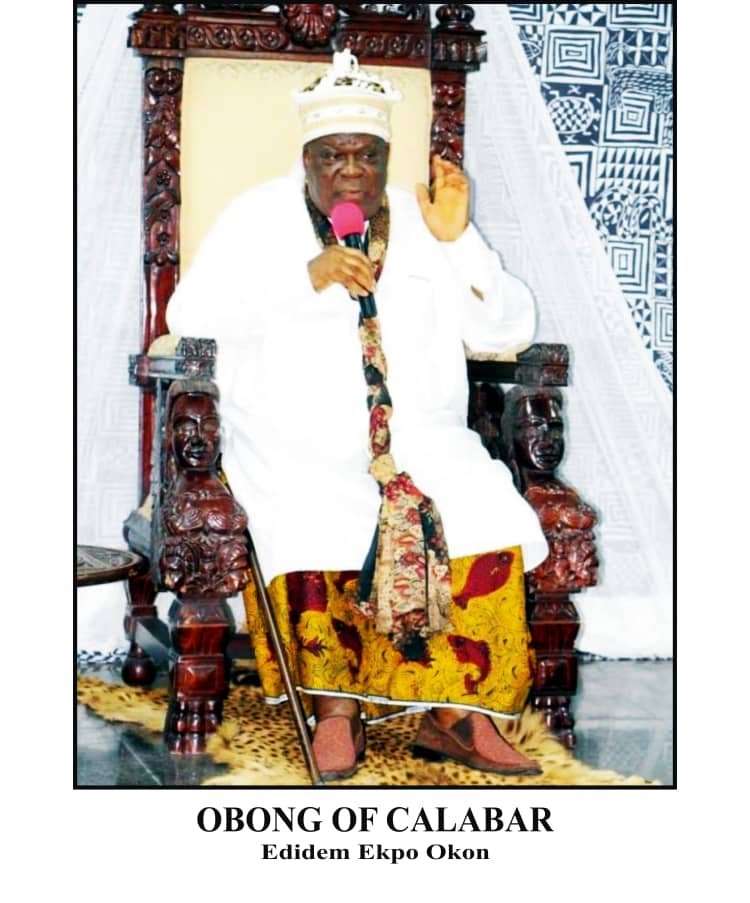
The Obong of Calabar stands as one of the most prestigious and enduring traditional monarchs in West Africa. Rooted in the ancient political and cultural systems of the Efik people, this institution predates the modern Nigerian state and reflects a sophisticated blend of indigenous authority, European diplomatic engagement, and religious adaptation. Over centuries, the Obong has served not only as a traditional ruler but also as a treaty king, a cultural custodian, and, in the colonial era, a recognized partner with European powers.
The written record
Historical context
Origins of the Obong Institution
The title “Obong of Calabar” refers to the paramount traditional ruler of the Efik Kingdom, centered around Calabar, the capital of present-day Cross River State, Nigeria. Although exact dates are difficult to pinpoint, the institution of the Obong is believed to be over 600 years old, deeply rooted in precolonial Efik political structures. Unlike many African chieftaincies that emerged under colonial influence, the Obongship is a natural ruler position that existed long before colonial boundaries and nation-state frameworks.
According to oral and documented tradition, the Efik people themselves were organized in lineages, secret societies, and royal houses long before extensive European contact. The Obong served as both a political leader and cultural head, overseeing matters of governance, ritual cohesion, clan consensus, and external diplomacy.
Role and Authority of the Obong
At its core, the Obongship represents three intertwined dimensions of Efik society:
1. Traditional Monarch: The Obong is the highest traditional authority among the Efik, presiding over community councils, conflict resolution, and the preservation of Efik customs and institutions.
2. Treaty King: With increasing contact between Old Calabar and European traders in the 18th and 19th centuries, the Obong entered into treaties with foreign powers. These diplomatic engagements elevated the Obong’s international profile, particularly in trade and later in colonial relations.
3. Cultural Custodian: The Obong is the guardian of Efik traditions, particularly rites connected to the Ekpe society, royal festivals, and sacred initiations that reinforce communal memory and identity.
During the colonial period, British authorities even honored the Obong with the title “Defender of the Christian Faith”, a recognition linked to missionary collaborations and the spread of Christianity in the Efik region. European monarchs such as Queen Victoria corresponded with Obongs, and some regalia, including crowns and ceremonial symbols used in coronations, are said to have been gifts from the British crown.
Coronation Rituals: Tradition and Faith
Modern coronation ceremonies for the Obong incorporate both traditional Efik rites and Christian ceremonial elements, a fusion that reflects long historical contact with European missionaries and colonial powers.
1. Traditional Coronation: The first aspect occurs at the sacred Efik kingship shrine known as Efe Asabo, where Efik royal houses participate in esoteric rites that spiritually prepare and validate the monarch in accordance with indigenous custom.
2. Christian Coronation: Following tradition instituted in part through colonial recommendations reportedly suggested by Queen Victoria in the late nineteenth century, the Obong is also crowned in a church service, most often at the Presbyterian Church of Nigeria, Duke Town Parish. This faith-oriented installment symbolizes the monarch’s role as both a traditional and Christian leader.
These dual rituals speak to the Obong’s unique position in bridging indigenous governance and adapted religious authority.
Prominent Obongs in History
The Obong lineage has included numerous notable rulers whose reigns marked significant historical moments.
Eyamba V (1834–1847): One of the Obongs known by both his Efik name and European trade name Johnny Young and Eyamba V was prominent in early nineteenth-century correspondence with Europeans and played roles in trade diplomacy.
Archibong I (1849–1852): Reigning in the mid-19th century, Archibong I’s tenure illustrates the blending of Efik monarchical tradition with emerging European diplomatic expectations.
Bassey Eyo Ephraim Adam III (1982–1986): A twentieth-century Obong whose reign continued the tradition of Efik leadership.
Ekpo Okon Abasi Otu V (2008–present): The current Obong, installed in 2008 and recognized by the Cross River State Government, is widely celebrated for balancing tradition with contemporary leadership responsibilities, including scholarship initiatives, charitable works, and cultural festivals.
The Obong’s role has often gone beyond ceremonial function, he serves as a mediator, conscience-keeper, and unifier for the Efik people, both within Nigeria and across their diaspora.
Challenges, Disputes, and Continuity
The Obongship has not been free from controversy. Succession disputes have occasionally challenged the stability of the institution, as seen in extended litigation over rightful claims to the throne in the early 21st century. In a 15-year tussle culminating in 2023, the Cross River State Government officially affirmed Ekpo Okon Abasi Otu V as the legitimate Obong, emphasizing the stool’s historical importance and rejecting attempts to undermine it.
Earlier in the late 20th century, efforts such as the Creek Town Accord (1970) attempted to formalize an alternating rotational system for producing Obongs across different Efik town groupings. However, contestations persisted as factions interpreted traditions and modern politics differently.
Despite these disputes, the institution endures, largely due to its deep cultural resonance and adaptive incorporation of modern governance practices.
Festivals and Public Expression
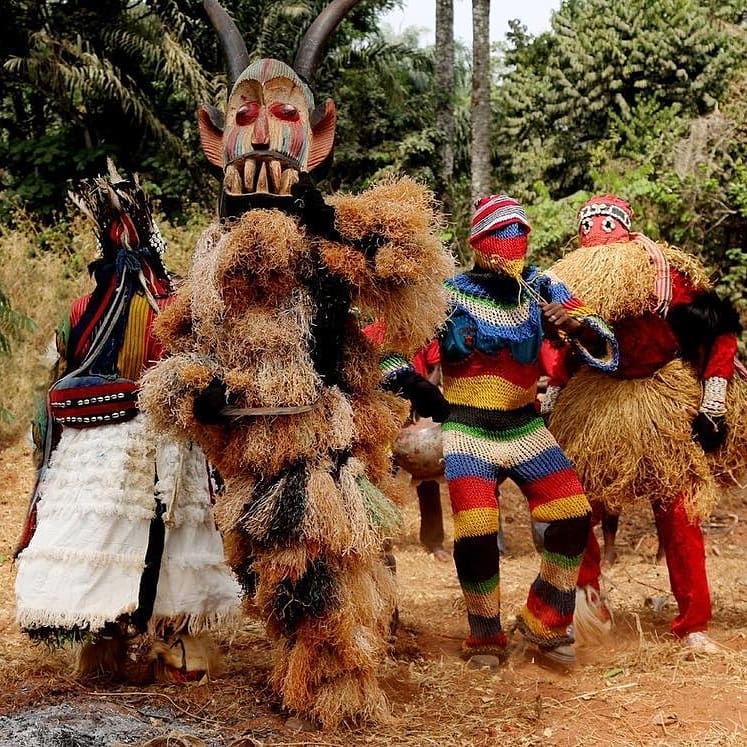
One of the most visible expressions of the Obong’s cultural stature is the Utomo Obong, a public festival where Efik clans come together to honor the monarch. Initiated as an expression of affection and solidarity, Utomo Obong draws not only Efik families but also members of other Nigerian ethnic groups and diasporic Efik communities, reinforcing the Obong’s role as a cultural linchpin of unity. Such ceremonies feature traditional dances like the Ekombi, masquerades, regal processions, and inter-clan celebrations symbolizing the monarch’s historical role as both political leader and cultural father.
Legacy and Significance
The Obong of Calabar represents a historical continuity that links precolonial statecraft, Atlantic trade diplomacy, colonial adaptation, and modern cultural identity. Few traditional monarchies in Africa retain such a layered legacy, one that integrates indigenous ritual sovereignty with recognized roles in national and international contexts.
In celebrating monarchs such as Ekpo Okon Abasi Otu V, the Efik people affirm an institution that is simultaneously ancient and evolving, steeped in tradition yet responsive to contemporary realities. As both a custodian of culture and a living symbol of unity, the Obong of Calabar exemplifies how traditional kingship can remain relevant even in the age of modern nation-states.
Sources and references
- Obong of Calabar. (2025). In Wikipedia, The Free Encyclopedia.
- Ekpo Okon Abasi Otu V. (2025). In Wikipedia, The Free Encyclopedia.
- Archibong I. (2025). In Wikipedia, The Free Encyclopedia.
- Eyamba V. (2025). In Wikipedia, The Free Encyclopedia.
- Bassey Eyo Ephraim Adam III. (2025). In Wikipedia, The Free Encyclopedia.
- Cross River government affirms Obong. (2023).
- Utomo Obong festival. (2021, D ecember 19). YouTube.
Cite this article
Discussion
Sign in to join the discussion
Comments are checked by an editor before they appear. Leave a source or a correction and it is read first.
Continue reading
Related histories
 Anthropology and EthnographyThe Demography of Biafran Slave Exports (1650–1850)Read history →
 Anthropology and EthnographyMasquerade Traditions from Igboland to the Caribbean (Jonkonnu, Mocko Jumbie)Read history →
 Anthropology and EthnographyMapping Igbo Destinations in the Americas: A Comparative AnalysisRead history →
No comments yet
Nothing has been approved on this record yet. Comments are checked by an editor before they appear, so one written now shows on this page after that check.