 Ozikoro
Anthropology and Ethnography · Published history
The Ojebe Ogene Clan: Origins and History
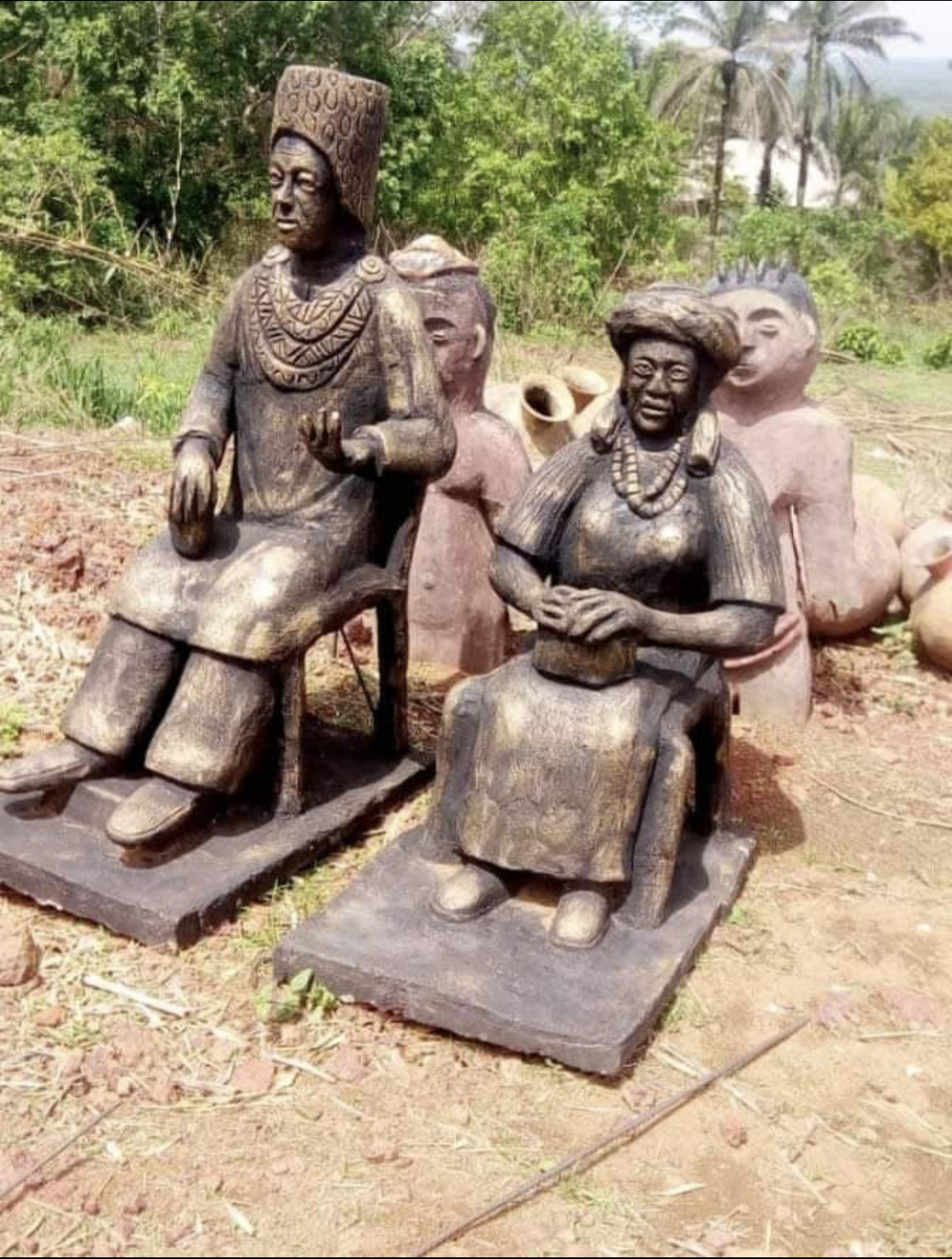
The Ojebe Ogene clan is a historic group of communities in Enugu State, Nigeria, comprising seven towns: Ebe, Abor, Ukana, Awhum, Okpatu, Umulumgbe and Ukehe. The name derives from Ojebe Ogene, a matriarch who, according to oral tradition, was the wife of IgweOnyi and mother to the founders of these towns.
The written record
Historical context
Origin and Migration
The clan’s origin is traditionally tied to the town of Ebe, considered the eldest son of Ojebe Ogene. Ebe served as the initial settlement, and as the family grew, subsequent generations moved outward to establish new towns. Abor, Ukana, Awhum, Okpatu, and Umulumgbe are located in what is today Udi Local Government Area, while Ukehe lies within Igbo-Etiti Local Government Area. This migration was driven by population growth and the need for more habitable land. Ukehe, the youngest, was founded by Ojime, the last son, who is said to have been particularly close to his mother, Nnahu, and moved northward with her.
Historical Context
The clan’s history is intertwined with the larger Igbo socio-political framework, characterized by:
1.Autonomous Communities: Each town within the Ojebe Ogene clan operates as an independent entity with its own traditional leadership, but they collaborate in matters of mutual interest.
2.Defense and Unity: Historical records indicate that these communities often banded together for mutual protection against external threats, such as slave raids and inter-communal conflicts during pre-colonial times.
3.Economic Activities: The people of the Ojebe Ogene clan were primarily farmers, hunters, and traders. The fertile land and proximity to trade routes enabled them to prosper and contribute to the Igbo economy.
Member Towns
1. Ebe: Known for its agricultural productivity, especially in yam cultivation, which holds cultural and economic importance.
2. Abor: A community with strong ties to traditional Igbo religious practices and significant contributions to the clan’s cultural preservation.
3. Ukana: Recognized for its strategic location and role in historical trade routes.
4. Awhum: Famous for the Awhum waterfalls and caves, which are both a tourist attraction and a site of spiritual significance.
5. Okpatu: A town deeply rooted in cultural ceremonies and festivals.
6. Umulumgbe: Known for its strong communal bonds and agricultural contributions.
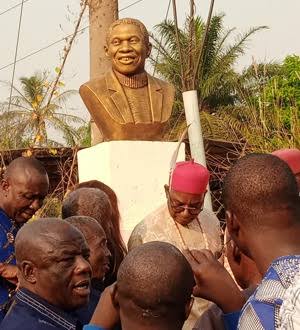
7. Ukehe: The largest and most populous town in the clan, serving as a central hub for trade and cultural activities
Cultural and Social Structure
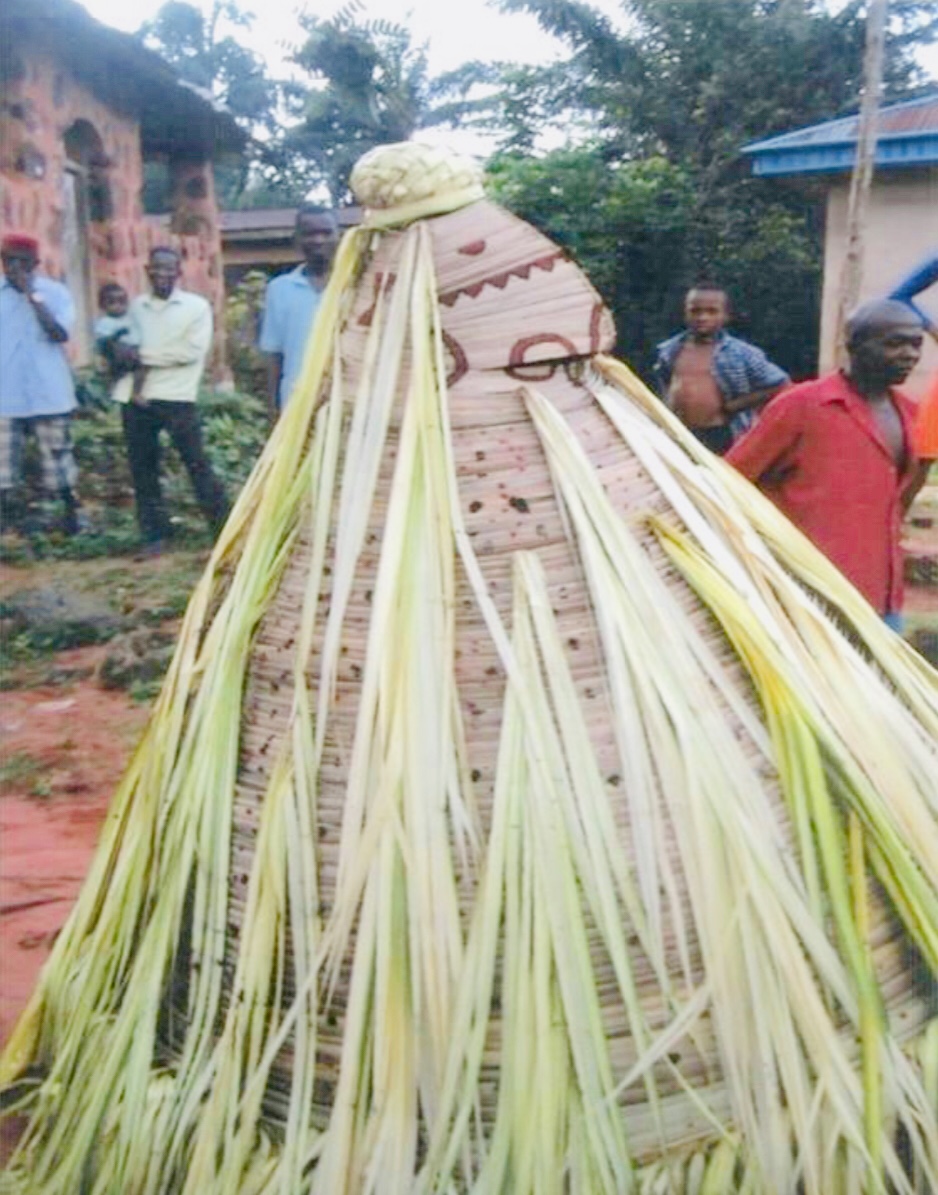
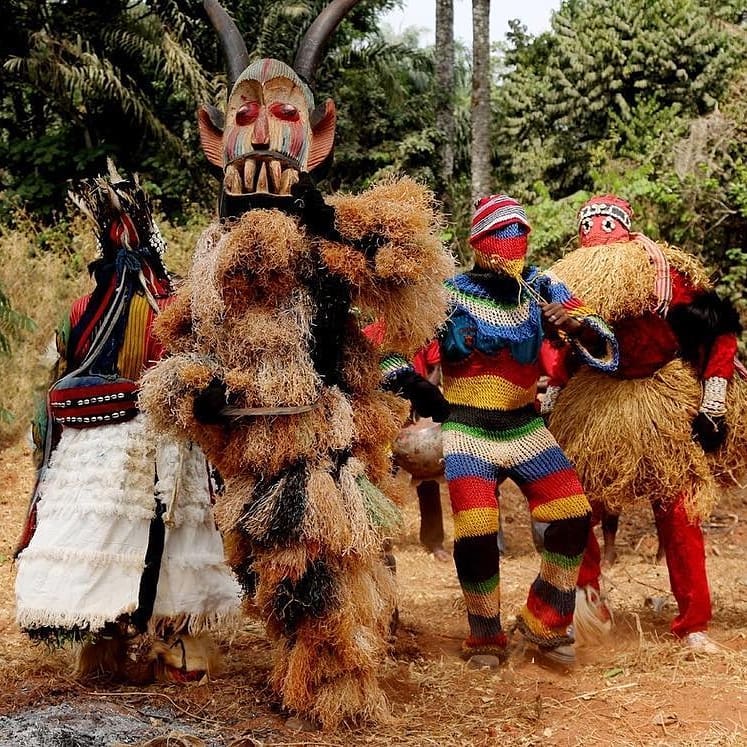
The Ojebe Ogene towns share a cohesive cultural heritage, reflective of broader Igbo traditions, including reverence for ancestors, communal governance, and agricultural livelihoods. Each town maintained unique practices, such as popular Odo masquerade festivals, New Yam celebrations, and deity worship. Leadership within these communities typically included councils of elders and traditional rulers overseeing local customs and development.
Contemporary Significance
Today, the Ojebe Ogene towns remain culturally significant within Igboland. They continue to uphold their traditions while engaging in modern economic and social activities. Notably, organizations such as the Ebe Union promote unity and development within the diaspora, emphasizing cultural preservation and community welfare .
This historical framework showcases the resilience and adaptability of the Ojebe Ogene people, highlighting their integral role in the cultural mosaic of Enugu State and Nigeria.
Sources and references
- Ajuede, O. (n.d.). The Origin and History of Udi.
- Ebe Union UK. (n.d.). About Us.
- Ozoduru Blog. (n.d.). History and Tradition of the People of Igbo-Etiti LGA Enugu State (Part 3).
- ODO INITIATION RITES AS A PARADIGM OF NONPAREIL ART ENTREPRENEURSHIP Johnson Ezenwa Arua.
Cite this article
Discussion
Sign in to join the discussion
Comments are checked by an editor before they appear. Leave a source or a correction and it is read first.
Continue reading
Related histories
 Anthropology and EthnographyThe Demography of Biafran Slave Exports (1650–1850)Read history →
 Anthropology and EthnographyMasquerade Traditions from Igboland to the Caribbean (Jonkonnu, Mocko Jumbie)Read history →
 Anthropology and EthnographyMapping Igbo Destinations in the Americas: A Comparative AnalysisRead history →
No comments yet
Nothing has been approved on this record yet. Comments are checked by an editor before they appear, so one written now shows on this page after that check.