 Ozikoro
 Anthropology and Ethnography · Published history
The Oloris (Queens): The Political and Social Influence of the Wives of the Olus

Throughout the history of the Warri Kingdom, the wives of the Olu known as the Oloris have played significant roles in shaping political, diplomatic, cultural, and religious dynamics within Itsekiri society. While the Olu served as the supreme monarch, the Oloris formed a crucial role in supporting institutions within the palace. Their influence was exercised through diplomacy, lineage alliances, Christianization, cultural continuity, and the administration of women’s affairs.
The written record
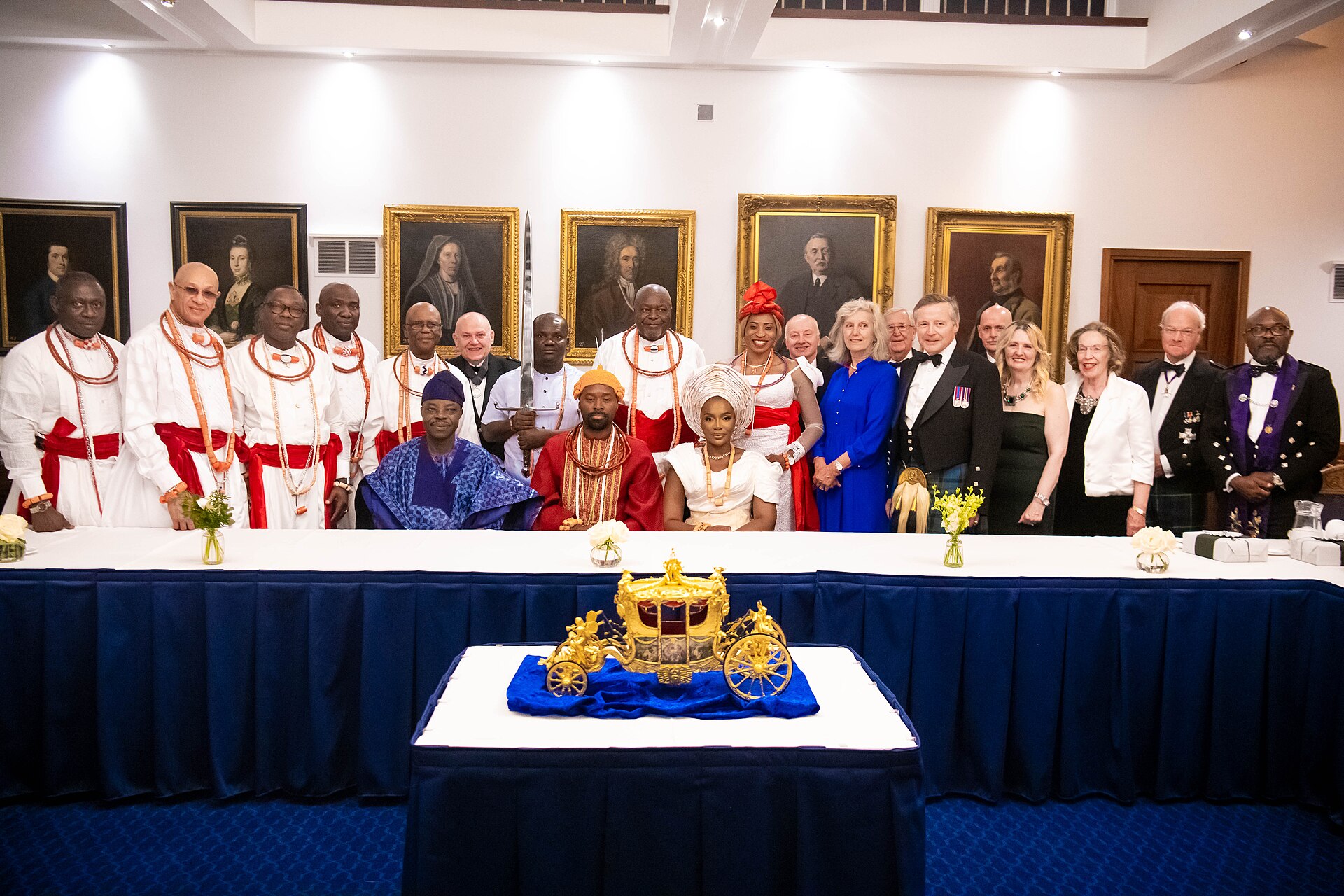
Photo credit: Wikimedia Commons via Blackmeister
Historical context
Historical Foundations of the Oloris
- Origins of the Title “Olori”
The word “Olori,” common across Yoruba-speaking regions, translates to “queen” or “royal wife.” Due to early connections with the Benin Empire and subsequent syncretism, the Itsekiri integrated Benin, Yoruba, and Portuguese influences into palace culture. Early Oloris played ceremonial functions, including participation in fertility rituals, diplomatic receptions, and lineage-building.
- Evolution of the Institution Over Centuries
Warri Kingdom, the monarchy became heavily influenced by Portuguese contact from the 16th century onward. This period introduced a unique feature in West African history: marriages between Itsekiri monarchs and Portuguese noblewomen. These women became Oloris and contributed to cross-cultural diplomacy and early Christianization. Over time, the Olori institution expanded to include foreign-born queens (Portuguese and Luso-African), elite Itsekiri-born noblewomen, strategically married daughters of powerful chiefs, women whose marriage strengthened political alliances.
Thus, the position of Olori served both domestic and international functions.
Political Influence of the Oloris
- Diplomatic Intermediaries
The Oloris historically acted as diplomatic bridges between the Itsekiri monarchy and foreign powers. During the 16th and 17th centuries, Portuguese queens such as the wives of Olu Atorongboye (Sebastian I) and Olu Atuwatse I (Dom Domingos) communicated directly or indirectly with Portuguese clergy, merchants, and the Crown. Their presence improved relations between both states and helped maintain the Warri Kingdom’s prominence in European trade.
These queens often served as cultural translators mediating between Catholic missionaries and the royal household, encouraging literacy, and supporting Christian practices.
- Strengthening Internal Alliances
Marriages into influential Itsekiri families helped mitigate conflicts between major chiefdoms. By marrying daughters of powerful Ologbotsere, Iyatsere, or Iyare chiefs, the Olu strategically strengthened unity within the kingdom. These Oloris acted as stabilizing figures whose presence ensured loyalty among their kinsmen.
- Participation in Palace Governance
Though not executive rulers, Oloris were politically influential through:
- Advising the Olu privately on disputes and appointments,
- Monitoring palace servants, domestic workers, and messengers,
- Maintaining communications between women in the palace and the wider community, and
- Serving as “first protectors” of heirs to the throne.
Many decisions that shaped royal succession, trade policies, and internal disputes were subtly influenced by the counsel of Oloris.
Social and Cultural Influence of the Oloris
- Custodians of Palace Etiquette and Traditions
Oloris preserved and transmitted elements of Itsekiri royal culture. They managed etiquette surrounding royal rituals, protocol for palace festivals (such as Umalokun and Ogiame celebrations), the instruction of young girls brought to the palace for service, the refinement of dress, language, and ceremonial conduct. Their influence helped maintain the cultural distinctiveness of the Warri monarchy.
- Role in Religious Life
Before Christianization, Oloris were associated with fertility rites, ancestor veneration, and rituals related to Umalokun (deity of the sea). During the Christian era, however, they became important supporters of the Catholic and later Protestant faiths.
Olu Atuwatse I’s Portuguese wife, for example, helped introduce Catholic devotion and literacy to the palace in the early 17th century, according to traditions preserved in Itsekiri oral history and referenced in works like Ekeh.
- Influence in Education and Social Reform
In the 19th and 20th centuries, Oloris supported:
- The establishment of mission schools,
- The promotion of female literacy,
- Social modernization, and
- Christian marriage practices. This was especially visible during the reigns of Olus who interacted with missionaries and colonial administrators.
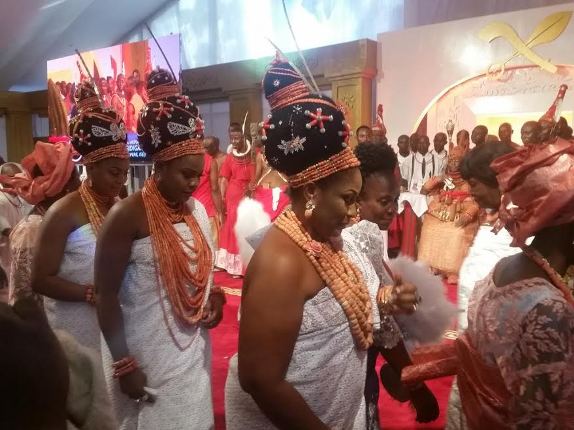
Photo credit: Wikimedia Commons via Skarfmacaronne
Oloris and Succession Politics
- Mothers of Princes
In monarchies across Africa, the mother of the heir plays a powerful advisory role. In the Warri Kingdom, Oloris were the protectors of princes and shaped succession politics by:
- Securing alliances that favored their children,
- Negotiating support from chiefs,
- Influencing palace opinion,
Ensuring the training and grooming of potential heirs. Their influence, while subtle, greatly affected royal stability.
- Balancing Rivalries Among Royal Houses
Polygamy often created competition within royal households. Oloris used diplomacy to prevent conflict, coordinate ceremonies, and manage tensions between families. Their ability to maintain harmony influenced political stability across generations.
Colonial and Post-Colonial Transformations
- Impact of British Indirect Rule
Colonial influence shifted the traditional role of queens. The British administration recognized the Olu but paid less attention to the Olori institution. However, Oloris still maintained:
Social leadership among women,
Influence over church organizations,
Engagement with social reform movements. Their roles became more socially visible than politically centralized.
- Modern Role of Oloris in the 20th and 21st Centuries
Today, Oloris continue to be cultural ambassadors and advocates for development. Modern queens participate in:
Educational foundations,
Women’s empowerment programs,
Cultural preservation initiatives, and
International diplomacy during royal visits.
Their role continues to evolve, blending tradition and modern leadership.
The Oloris of the Warri Kingdom have always been more than royal wives; they have been political actors, cultural guardians, diplomatic intermediaries, and influencers of social change. From the Portuguese queens of the 16th century to contemporary Oloris, they shaped the identity and continuity of Itsekiri civilization. Their contributions demonstrate the complexity of African royal systems and the pivotal, often underappreciated, role women played in state formation and cultural evolution.
Sources and references
- Ekeh, P. P. (2008). Warri City and British Colonial Rule in the Western Niger Delta. Urhobo Historical Society.
- Ikime, O. (1968). Merchant Princes of the Niger Delta. Heinemann.
- Peel, J. D. Y. (2016). Christianity, Islam, and the Orisa Religion. University o f California Press.
- Talbot, P. A. (1926). The Peoples of Southern Nigeria. Oxford University Press.
Cite this article
Discussion
Sign in to join the discussion
Comments are checked by an editor before they appear. Leave a source or a correction and it is read first.
Continue reading
Related histories
 Anthropology and EthnographyThe Demography of Biafran Slave Exports (1650–1850)Read history →
 Anthropology and EthnographyMasquerade Traditions from Igboland to the Caribbean (Jonkonnu, Mocko Jumbie)Read history →
 Anthropology and EthnographyMapping Igbo Destinations in the Americas: A Comparative AnalysisRead history →
No comments yet
Nothing has been approved on this record yet. Comments are checked by an editor before they appear, so one written now shows on this page after that check.