 Ozikoro
 Anthropology and Ethnography · Published history
The “Omu” and Women’s Influence on Wood Aesthetics in Igbo Society
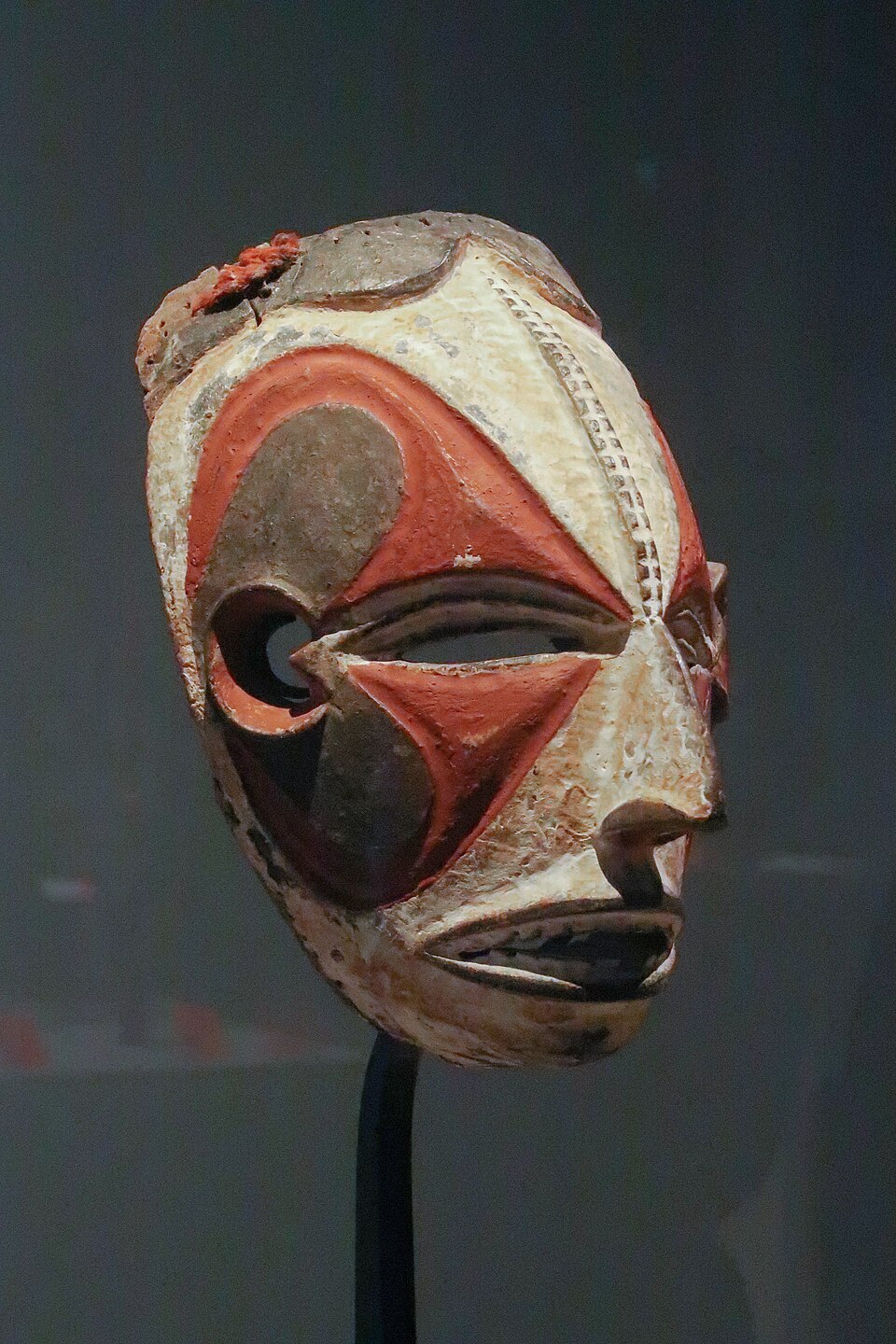
In traditional Igbo society, artistic production, especially woodcarving, was historically dominated by men. Yet women exercised profound aesthetic, symbolic, and moral influence on the creative process. Central to this influence is the institution of the Omu: a female leader vested with authority over women’s affairs, market regulation, moral oversight, and the spiritual welfare of the community. Though the Omu did not carve wood herself, her power shaped the aesthetics, symbolism, and ritual usage of wood-based objects.
The written record
Historical context
The Institution of the Omu in Igbo Culture
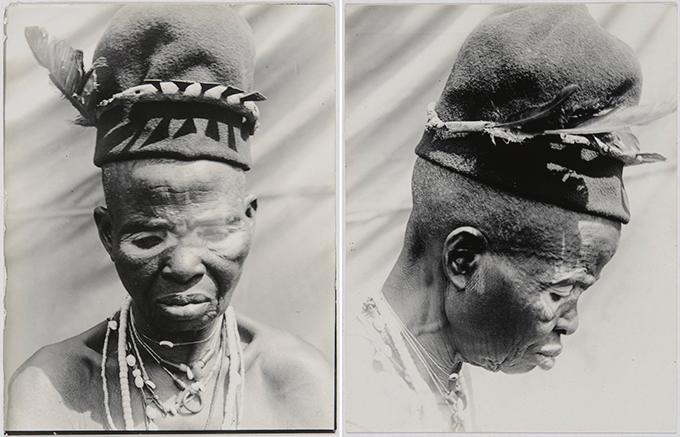
The Omu was a woman of exceptional leadership, chosen for her wisdom, ritual purity, and economic influence. She often served as a parallel authority to the male king (Obi or Eze) in certain Igbo regions, especially among Western Igbo communities such as Onitsha and the Ndoni–Aboh axis. Historically:
She oversaw women’s markets, commerce, and trade regulations.
She performed spiritual roles such as fertility rites and cleansing rituals.
She served as a moral guardian and adjudicator in matters relating to women and domestic spaces.
She influenced cultural norms including dress, fashion, and aesthetics.
The Omu therefore shaped community expression and symbolic meaning domains directly tied to the visual arts.
Women and Aesthetic Influence in Igbo Culture
While men were the primary carvers, women determined:
What forms were considered beautiful or acceptable.
The symbolic meanings associated with hairstyles, body markings, and adornments.
Ritual uses of carved objects during festivals, marriages, and funerals.
The social approval or rejection of masks, stools, domestic wooden vessels, or shrine objects.
Women’s tastes, fashion, and spiritual expectations influenced how carvers designed female figures, masks that represented maidens (Agbogho Mmuo), or domestic vessels such as okwa (wooden bowls).
This influence was especially strong because men carved for people who commissioned, performed, and evaluated the art and many of these were women.
The Omu as Aesthetic Authority
The Omu held moral and symbolic power that shaped what was aesthetically acceptable in public and private space. Her influence manifested in three major ways:
1. Regulation of Markets and Craft Distribution
As market leader, the Omu oversaw what goods could be sold, inspected the quality of household tools, and set standards for female-oriented wood items such as:
Okwa (ritual bowls used by women).
Carved pestles and mortars for food preparation.
Wooden ladles and ceremonial trays.
Wooden combs and beauty tools.
This regulatory role pushed craftsmen to meet high aesthetic and functional standards.
2. Symbolic Oversight of Female Imagery
Carvings that depicted women especially maiden masks and fertility figures drew heavily from:
Hairstyles approved by the Omu.
Body markings associated with purity or prestige.
Ideals of beauty circulating in women’s cultural spaces.
Because the Omu embodied the highest standard of womanhood, carvers often modeled certain features: elegant posture, refined linework, elaborate coiffures on attributes associated with her.
3. Influence Through Ritual and Festivals
Women often managed rituals surrounding fertility, agriculture, and domestic harmony. Carved objects used in these rites such as wooden staffs, trays, or ceremonial stools had to conform to aesthetic norms the Omu helped define.
The Omu’s ritual authority gave spiritual weight to certain motifs, which carvers then incorporated into their designs.
Female Symbolism in Woodcarving
Female imagery in Igbo art is deeply influential. Examples include:
Agbogho Mmuo (Maiden Spirit Masks)
These masks celebrate feminine beauty and grace. Their key features: high foreheads, thin noses, coiffured hair reflect aesthetic ideals maintained in women’s cultural societies and often endorsed by the Omu.
Fertility Figures
Carved female figures with accentuated breasts and hips symbolize abundance, motherhood, and lineage continuity. These forms mirror the symbolic duties of the Omu as guardian of fertility and prosperity.
Domestic Wooden Vessels
The decorations on bowls, spoons, and mortars used by women often feature motifs associated with femininity, prosperity, and harmony.
Through these channels, women’s collective taste shaped the artistic vocabulary of Igbo woodcarving.
Women as Cultural Critics and Patrons
Although women rarely carved wood, they were:
Patrons who commissioned carved objects for ceremonies.
Performers who wore carved masks in female-led masquerades (in some regions).
Critics who judged the beauty and spiritual suitability of artworks.
Custodians of domestic ritual spaces where carved objects held meaning.
A carver’s success depended on whether women, especially elderly women and the Omu approved of his work. Their influence determined which motifs survived across generations.
Continuity and Change in Modern Times
Colonialism and Christianity in the late 19th and early 20th centuries reduced the institutional powers of the Omu in many areas. Yet:
The revival of traditional festivals
Renewed scholarship on women’s indigenous leadership
Contemporary women holding Omu titles (e.g., the Omu of Okpanam today)
The popularity of maiden mask motifs in modern art
all demonstrate the enduring influence of women in shaping Igbo aesthetics.
Even though most woodcarving today is produced for tourist markets, museums, or cultural preservation, the aesthetic vocabulary that guides carvers still stems from traditional female standards.
The institution of the Omu highlights the often-overlooked power of women in shaping the aesthetics of Igbo woodcarving. Though men carved the objects, women determined their symbolic meaning, ritual usage, beauty standards, and social approval. The Omu, as a spiritual, moral, and economic leader, acted as both cultural regulator and aesthetic authority. Together, women’s tastes, rituals, and leadership structures profoundly shaped the stylistic traditions that define Igbo wood aesthetics today.
Sources and references
- Cole, H. M. (1984). Igbo Arts: Community and Cosmos. Museum of Cultural History.
- Isichei, E. (1976). A History of the Igbo People. Macmillan Press.
- Nzegwu, N. (2001). “Art, Gender, and Power in Precolonial Igbo Society.” African Studies Review, 44(3), 69–95.
- Uchendu, V. C. (1965). The Igbo of Southeast Nigeria. Holt, Rinehart & Winston.
- Wikipedia contributors. (2024). “Igbo art.”
- Wikipedia, The Free Encyclopedia.
- Wikipedia contributors. (2024). “Omu (Igbo title).” Wikipedia, The Free Encyclopedia.
Cite this article
Discussion
Sign in to join the discussion
Comments are checked by an editor before they appear. Leave a source or a correction and it is read first.
Continue reading
Related histories
 Anthropology and EthnographyThe Demography of Biafran Slave Exports (1650–1850)Read history →
 Anthropology and EthnographyMasquerade Traditions from Igboland to the Caribbean (Jonkonnu, Mocko Jumbie)Read history →
 Anthropology and EthnographyMapping Igbo Destinations in the Americas: A Comparative AnalysisRead history →
No comments yet
Nothing has been approved on this record yet. Comments are checked by an editor before they appear, so one written now shows on this page after that check.