 Ozikoro
Anthropology and Ethnography · Published history
The Owu Masquerades: Inviting the Water Spirits to Dance
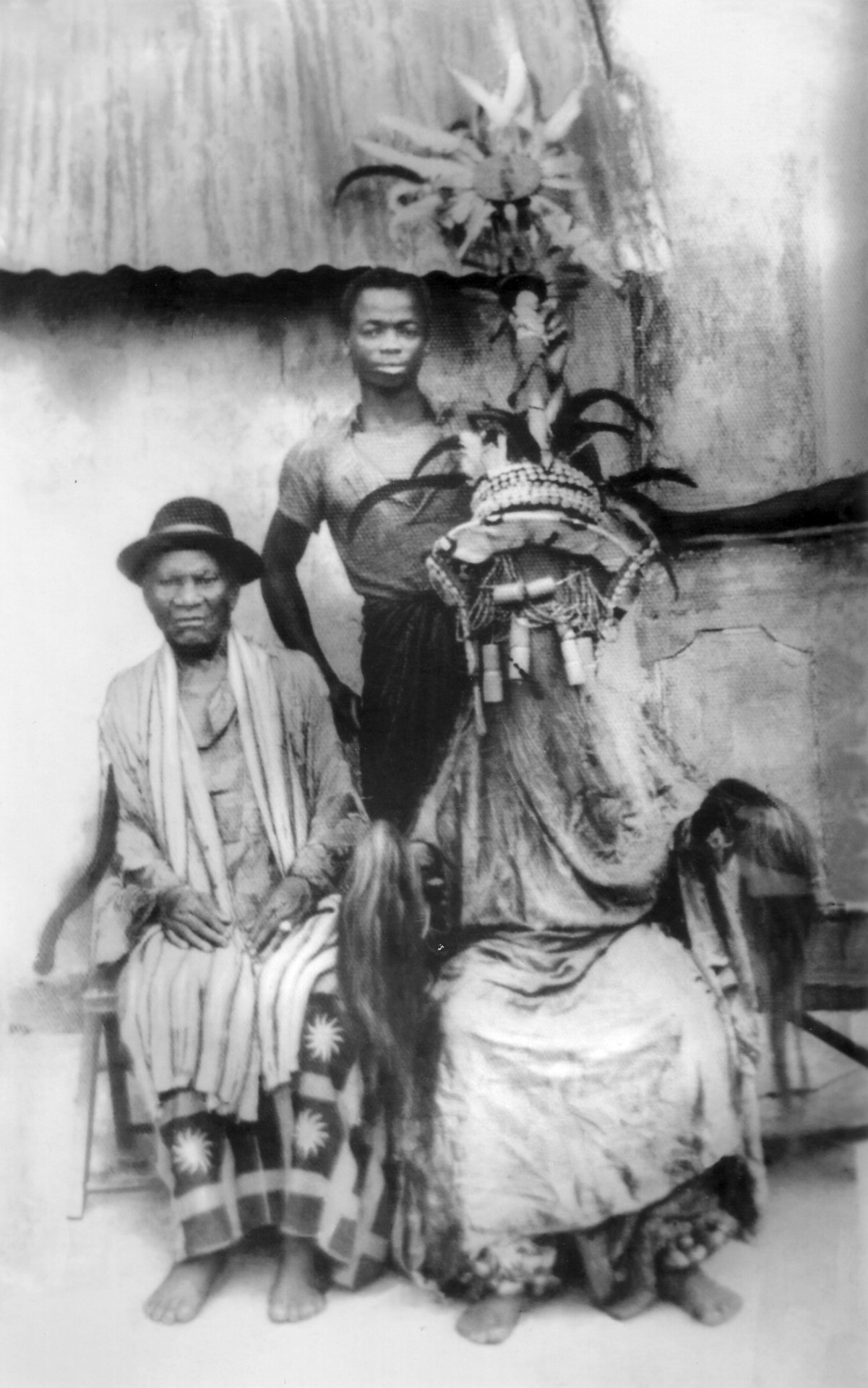
The Owu masquerades occupy a significant place in the cultural and spiritual identity of the Kalabari people of the Eastern Niger Delta. As a water-spirit masquerade tradition, Owu represents the close relationship between the Kalabari and the aquatic world that surrounds their communities. Rooted in centuries of riverine cosmology, Owu masquerades are far more than entertainment; they embody spirituality, ritual communication, moral regulation, and communal celebration.
The written record
Historical context
Origins of Owu: Water Spirits in Kalabari Cosmology
In Kalabari belief, the Niger Delta waterways are inhabited by powerful spiritual entities known as the “Owum.” These spirits are often associated with beauty, wealth, fertility, and mystery. The Owu masquerades are believed to be physical manifestations of these water spirits invited to visit the human world. Oral histories suggest that the masquerade tradition emerged from ancient Kalabari fishing communities, who saw the rivers as both a source of livelihood and a realm of divine forces.
The Owu spirits are considered benevolent when approached respectfully. This spiritual worldview reinforces the idea that humans and water spirits maintain a reciprocal relationship, with rituals such as the Owu performances serving as a bridge between both worlds.
Symbolism and Aesthetics of the Owu Masquerades
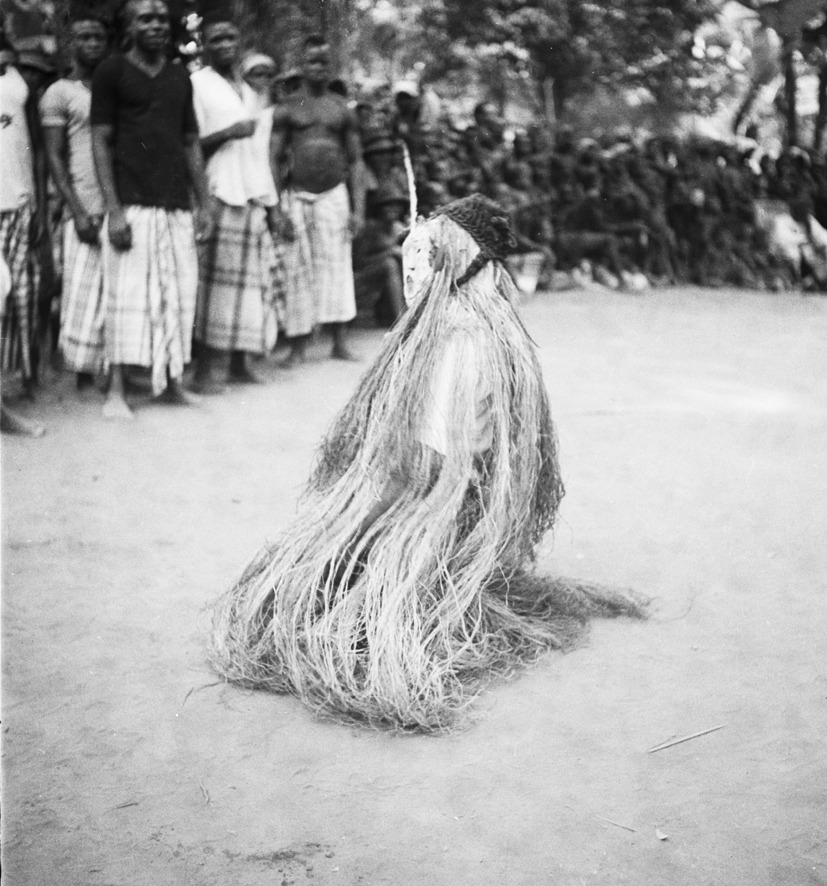
The Owu masquerades are recognized by their flowing costumes, elaborate veils, and graceful, almost fluid movements. The aesthetics intentionally mimic the appearance and motion of beings emerging from the water. The long raffia or cloth strands represent river currents, while the veils symbolize the mystery that surrounds the unseen world.
Color symbolism is also central. Bright colors, especially white and blue are associated with purity, water deities, and spiritual presence. The masquerade’s dance movements often include swaying motions, slow turns, and sudden bursts of energy, reflecting the unpredictable nature of river spirits.
The masquerade does not speak. Silence is itself symbolic: it emphasizes the otherworldliness of the spirit, which exists beyond human language. Communication is therefore done through movement, gestures, and music.
Ritual Preparations: Inviting the Spirits
A key aspect of Owu performance is the ritual preparation that precedes public appearance. These preparations involve:
Purification rites, including washing and offering of food or palm wine,
Invocation chants led by elders or priests,
Ritual seclusion, where performers remain indoors for days to achieve spiritual readiness.
The community believes that during these processes, the water spirits attach themselves to the masquerade, transforming the dancer into a spiritual vessel. This is why the identity of the performer is carefully guarded, and revealing it is considered a taboo. The secrecy protects the sanctity of the spiritual presence and reinforces belief in the masquerade’s supernatural nature.
Music, Dance, and the Performance Arena
Owu masquerades are accompanied by a distinct musical ensemble made up of drums, bells, and chants. The drum rhythms are patterned to evoke watery movement, guiding the masquerade through a choreographed but seemingly spontaneous dance.
The performance arena is usually a village square or open space where community members gather. Children, women, and men watch the spectacle with excitement, reverence, and curiosity. As the masquerade dances, elders interpret symbolic gestures for younger generations, ensuring continuity of cultural knowledge.
The dance is both entertainment and ritual communication. Each movement may signify blessings, warnings, or spiritual cleansing. The Owu’s presence is believed to bring good fortune, protection, and social harmony.
Social Functions of the Owu Masquerades
Beyond spirituality, the Owu masquerades play important social and cultural roles in Kalabari society:
1. Cultural Preservation: The masquerade performances transmit Kalabari history, values, and beliefs across generations. Through songs and symbolism, children learn about water spirits, respect for nature, and community ethics.
2. Community Bonding: Festivals in which Owu appears bring together families, age-grades, and village groups, strengthening communal unity.
3. Social Regulation: Like many Niger Delta masquerade traditions, Owu can act as a moral authority. Through symbolic performance, the masquerade may reprimand anti-social behavior or reinforce communal norms.
4. Celebration and Entertainment: While deeply spiritual, Owu performances also provide joy. They appear during major festivals, coronations, funerals of respected elders, and significant cultural ceremonies.
5. Economic Significance: Tourists, researchers, and cultural enthusiasts often travel to witness Owu performances, contributing to local economies and promoting cultural heritage tourism.
Gender and Participation: Who Controls the Masquerade?
Although women play crucial roles in the songs, preparation, and festival organization, the masquerade itself is traditionally performed by men. This is due to long-held beliefs about spiritual purity and the dangers associated with direct contact with masquerade spirits.
However, women are central to the masquerade’s existence, especially through praise-singing, costume creation, and ritual offerings. Without their contributions, the masquerade tradition cannot survive.
Continuity and Transformation in a Modern World
In recent decades, the Owu masquerade has faced challenges from modernization, religious change, and urbanization. Nonetheless, many Kalabari communities continue to uphold the tradition, adapting it to new contexts while preserving its spiritual essence.
Cultural associations, research groups, and community elders now play active roles in documenting and promoting Owu traditions. Schools and festivals feature Owu performances as part of broader cultural education programs.
These efforts reflect a growing recognition that the Owu masquerade is not just entertainment, it is an irreplaceable marker of identity and heritage.
The Owu masquerades remain one of the most visually striking and spiritually meaningful traditions in Kalabari culture. Rooted in water-spirit cosmology, the masquerades symbolize the intimate relationship between the Kalabari people and the aquatic environment. Through dance, symbolism, and ritual performance, Owu brings the unseen world into community life, offering blessings, entertainment, and cultural continuity. Despite the pressures of modernity, the tradition endures as a powerful testament to Kalabari creativity, spirituality, and communal identity.
Sources and references
- Alagoa, E. J. (2005). A history of the Niger Delta: An historical interpretation of Ijo oral tradition. Port Harcourt: Onyoma Research Publications.
- Horton, R. (1969). “From fishing village to city-state: A social history of the Niger Delta.” In M. Douglas (Ed.), The Dynamics of Clanship among the Tallensi. London: Routledge.
- Nabofa, M. Y. (1988). Symbolism in African traditional religion. Ibadan: Paperback Publishers.
- Oluwole, S. (2014). African indigenous cultures and religions. Lagos: Ark Publishers.
Cite this article
Discussion
Sign in to join the discussion
Comments are checked by an editor before they appear. Leave a source or a correction and it is read first.
Continue reading
Related histories
 Anthropology and EthnographyThe Demography of Biafran Slave Exports (1650–1850)Read history →
 Anthropology and EthnographyMasquerade Traditions from Igboland to the Caribbean (Jonkonnu, Mocko Jumbie)Read history →
 Anthropology and EthnographyMapping Igbo Destinations in the Americas: A Comparative AnalysisRead history →
No comments yet
Nothing has been approved on this record yet. Comments are checked by an editor before they appear, so one written now shows on this page after that check.