 Ozikoro
Anthropology and Ethnography · Published history
The Sekiapu and Governance: How the Dance Society Maintained Law and Order
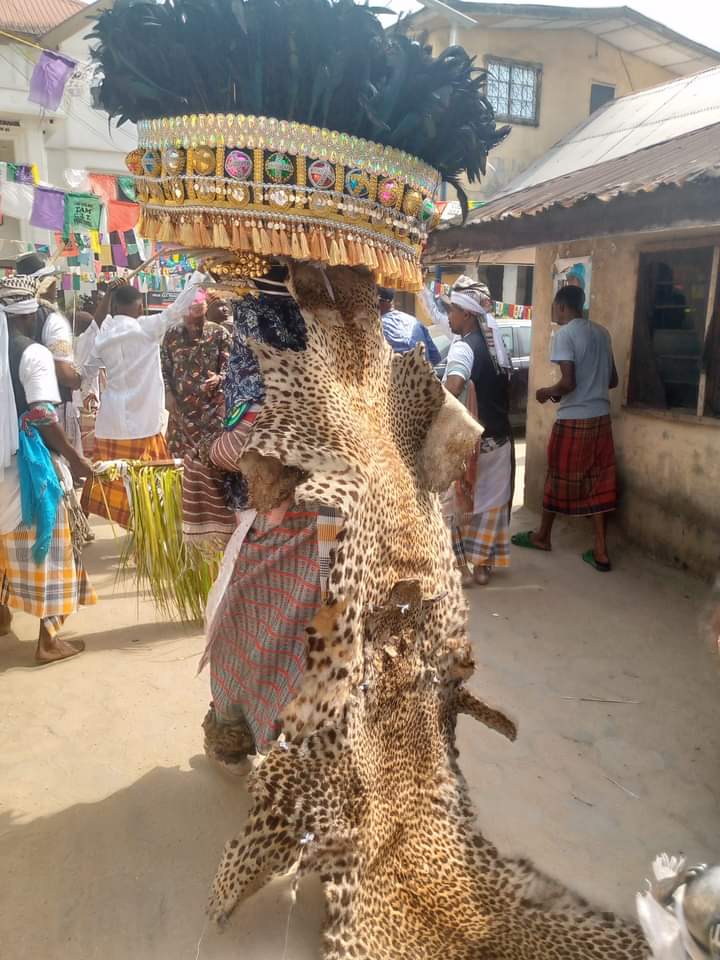
Among the Kalabari people of the Niger Delta, the Sekiapu (also called the Ekine Society) stands as one of the most important cultural institutions linking artistry with authority. Often described as a “dance society,” the Sekiapu is far more than performance. Historically, it functioned as an agency of governance: enforcing laws, preserving moral order, mediating disputes, and protecting community values.
The written record
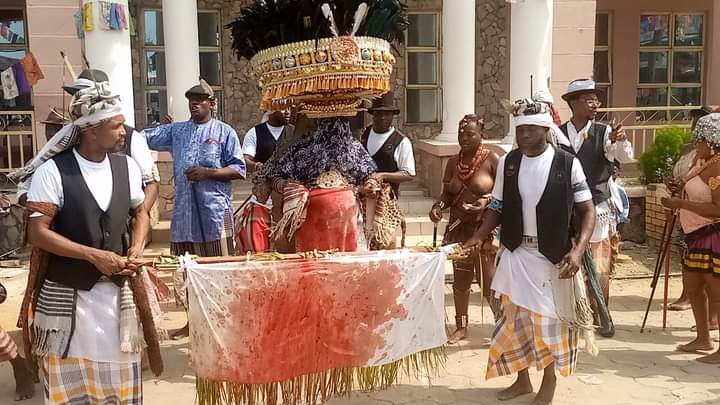
Historical context
Origins and Cultural Role of the Sekiapu
The Sekiapu is one of the central masquerade and performance institutions in Kalabari society. Its origins are connected to Kalabari cosmology, where music, dance, and spirit invocation were intertwined with political and social life. Members of the society are custodians of masked spirits known as owu (masquerades), which are believed to embody ancestral forces.
While described publicly as a “dance society,” its true function historically revolved around:
Maintaining discipline in the community,
Enforcing traditional laws,
Regulating behavior through ritual sanctions,
Offering entertainment during festivals and funerals.
The Sekiapu was therefore both a cultural and judicial institution.
The Sekiapu as a Moral Authority;
Ritual Legitimacy;
Kalabari people traditionally believe that the Sekiapu operates with the backing of ancestral spirits. Because masquerades are considered to be “spirits in human form,” their pronouncements carry weight and cannot be easily ignored. This sacred aura gave Sekiapu a unique power to:
Call offenders to order,
Impose fines for antisocial behavior,
Discourage theft, impudence, or violence,
Perform rituals to restore harmony.
The masquerade’s public appearance often signaled that a breach of social norms had occurred and needed correction.
Enforcing Communal Values
The Sekiapu reinforced key Kalabari values such as respect for elders, peaceful coexistence, and adherence to communal responsibilities. For example, during festivals, masquerades would publicly shame or mock those known for irresponsible acts. This kind of social satire, delivered through dance and music, served as a strong deterrent to misbehavior.
The Sekiapu and Social Regulation
As a system of Check and Balance;
Kalabari governance traditionally operated through the Amanyanabo (king), the Council of Chiefs, and the various War Canoe Houses. However, the Sekiapu served as an unofficial “fourth arm” of governance, ensuring that laws established by chiefs were respected.
Their methods of enforcement included:
Public reprimands
Ritual fines
Confiscation of property (rare, but symbolic)
Community service obligations
Temporary ostracism.
These sanctions were seen as spiritually backed and were highly effective.
Regulating Public Conduct
During community gatherings especially funerals, canoe regattas, or the annual Sekiapu festival, masquerades policed the crowd. They ensured:
Orderliness
Proper seating arrangements
Respect for sacred spaces
No fighting or drunken disruptions
Their presence made people behave because “no one wanted to be singled out by a spirit.”
Dispute Settlement and Mediation
The Sekiapu often acted as mediators in disputes between individuals, families, or War Canoe Houses. Their spiritual authority made them ideal for settling issues such as:
Land disagreements
Marriage or family conflict
Debt or trade disputes
Misconduct within the Sekiapu itself and because they operated as a collective, they were considered neutral and less susceptible to bribery.
Public Hearings
When disputes escalated, the Sekiapu might hold a public hearing, during which:
1. Parties involved state their cases
2. Elders and experienced members deliberate
3. A verdict is given
4. Ritual cleansing or reconciliation follows. This process ensured transparency and restored communal harmony.
The Sekiapu communicated laws and values not only through enforcement but through artistry. Songs, chants, and dances carried moral lessons. For example:
Songs criticized laziness or dishonesty
Dances depicted the consequences of taboo-breaking
Masquerade dramatizations retold historical events involving justice.
This artistic approach made governance a communal, participatory process.
Also, one of the most effective tools of the Sekiapu was public ridicule. Through humorous songs, the society could expose a person’s wrongdoing without naming them directly. Everyone understood the message. This form of “artistic punishment” encouraged self-correction and avoided physical violence.
Guardians of Festivals and Sacred Sites
The Sekiapu protected shrines, marketplaces, and festival routes. During the arrival of European traders in the 19th century, the Sekiapu was among the groups responsible for:
Ensuring foreigners respected Kalabari customs
Preventing disorderly trading practices
Enforcing ritual restrictions. They maintained security and protected the community.
On the waterways, Sekiapu members sometimes accompanied War Canoe Houses to maintain discipline during trade expeditions or conflict resolution missions.
Colonial Disruption
British colonial rule weakened the authority of indigenous institutions. Missionaries discouraged masquerade practices, calling them “pagan.” Colonial courts replaced traditional justice systems, and the Sekiapu lost much of its legal power.
Despite this, the Sekiapu survived as a cultural institution. Today, it remains:
A custodian of Kalabari music and masquerade tradition
A symbol of community pride
A regulator of festival discipline
A reminder of traditional governance structures.
The Sekiapu publicly viewed as a dance society was, in truth, a powerful instrument of governance in historic Kalabari society. Through ritual authority, performance-based sanctions, dispute mediation, and cultural instruction, the society maintained law and order in ways that were effective, respected, and spiritually legitimate. Its survival today, despite the pressures of colonialism and modernization, speaks to the deep-rooted value placed on culture, tradition, and collective responsibility in the Kalabari world.
The Sekiapu remains a symbol of how art, spirituality, and governance can merge to sustain social harmony.
Sources and references
- Alagoa, E. J. (2005). A history of the Niger Delta: An historical interpretation of Ijo oral tradition. Port Harcourt: Onyoma Research Publications.
- Horton, R. (1969). “From fishing village to city-state: A social history of Nembe.” Journal of the Historical Society of Nigeria, 5(4), 515–541.
- Jones, G. I. (1963). The trading states of the Oil Rivers. London: Oxford University Press.
- Talbot, P. A. (1926). The peoples of S outhern Nigeria (Vol. II). London: Oxford University Press.
- Nabofa, M. (1994). Religion and cultural identity. Ibadan: Daystar Press.
Cite this article
Discussion
Sign in to join the discussion
Comments are checked by an editor before they appear. Leave a source or a correction and it is read first.
Continue reading
Related histories
 Anthropology and EthnographyThe Demography of Biafran Slave Exports (1650–1850)Read history →
 Anthropology and EthnographyMasquerade Traditions from Igboland to the Caribbean (Jonkonnu, Mocko Jumbie)Read history →
 Anthropology and EthnographyMapping Igbo Destinations in the Americas: A Comparative AnalysisRead history →
No comments yet
Nothing has been approved on this record yet. Comments are checked by an editor before they appear, so one written now shows on this page after that check.