 Ozikoro
 Anthropology and Ethnography · Published history
The Seventy Benin Chiefs: The Role of the Noble Sons Who Accompanied Ginuwa in Forming the Itsekiri Aristocracy
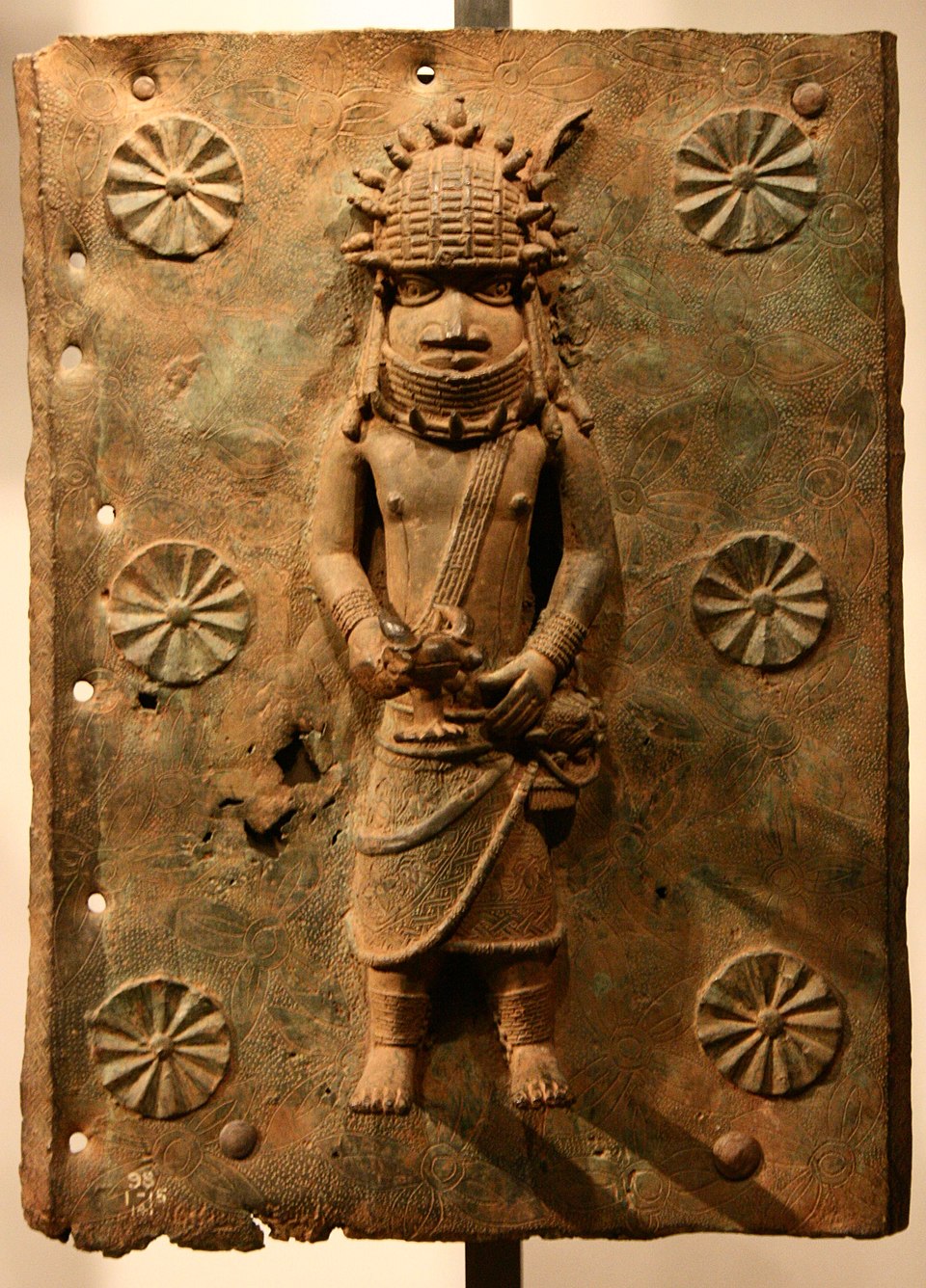
The early formation of the Itsekiri aristocracy is deeply tied to the migration of Prince Ginuwa, son of Oba Olua of the Benin Empire, during the late fifteenth century. Oral tradition recounts that Ginuwa did not journey alone; he was accompanied by a group often referred to as the “Seventy Benin Chiefs,” a body of noble sons and titled men whose presence helped establish the political and social structure of the emerging Warri Kingdom. Their participation in the exodus became foundational to the development of Itsekiri chieftaincy systems, governance patterns, and the political culture that would shape the identity of the kingdom.
The written record
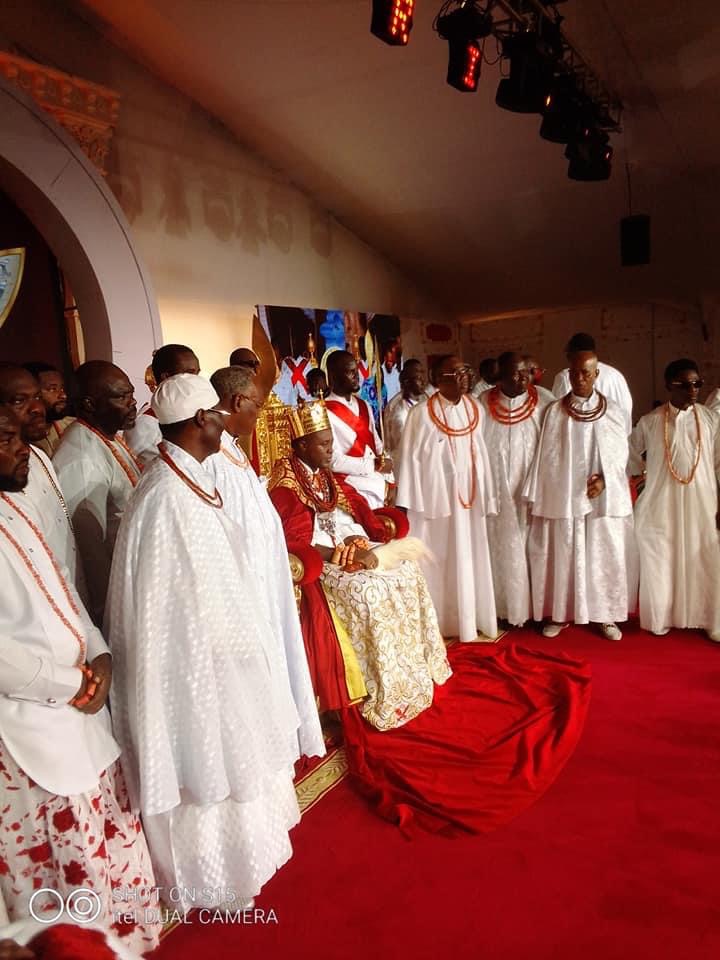
Photo credit; LordSnow242 via Wikimedia Commons.
Historical context
Historical Context of the Migration
- The Benin Imperial Setting
During the reign of Oba Olua (c. 1473–1480), the Benin Empire exercised considerable political and cultural influence across the Niger Delta region. According to historical accounts and interpretations documented by scholars such as Egharevba, the Benin monarchy maintained a strong hierarchical court with princes, palace chiefs, and guild officials. Entries on the Warri Kingdom further note that Benin’s influence strongly shaped Itsekiri political structures, especially during the initial migration periods of the fifteenth century.
- The Exodus of Prince Ginuwa
Prince Ginuwa’s departure from Benin is believed to have been engineered by the palace chiefs who feared the growing power and popularity of the young prince. Oral tradition holds that he was given a symbolic vessel often described as the “Ark of Ijala” and accompanied by a retinue of chiefs, noble sons, and servants. The “Seventy Chiefs” constituted a core political and military escort, selected both for loyalty to Ginuwa and for their noble lineage.
Composition and Identity of the Seventy Chiefs
- Who Were They?
The Seventy Benin Chiefs were not chiefs in the strict administrative sense of the Benin Palace titles. Rather, they were “omo-n’oba” (noble sons of Benin), palace attendants, and young aristocrats associated with various guilds and ruling families. Their number seventy is symbolic rather than exact; in many African oral histories, specific numbers often represent status and rank rather than literal enumeration.
- Social Status and Hierarchical Function
Their high-ranking birth positioned them as suitable founders of new political households in the Warri Kingdom. This pattern aligns with wider West African traditions wherein princes migrating from imperial centers were accompanied by aristocratic entourages who later became ruling elites in new settlements.
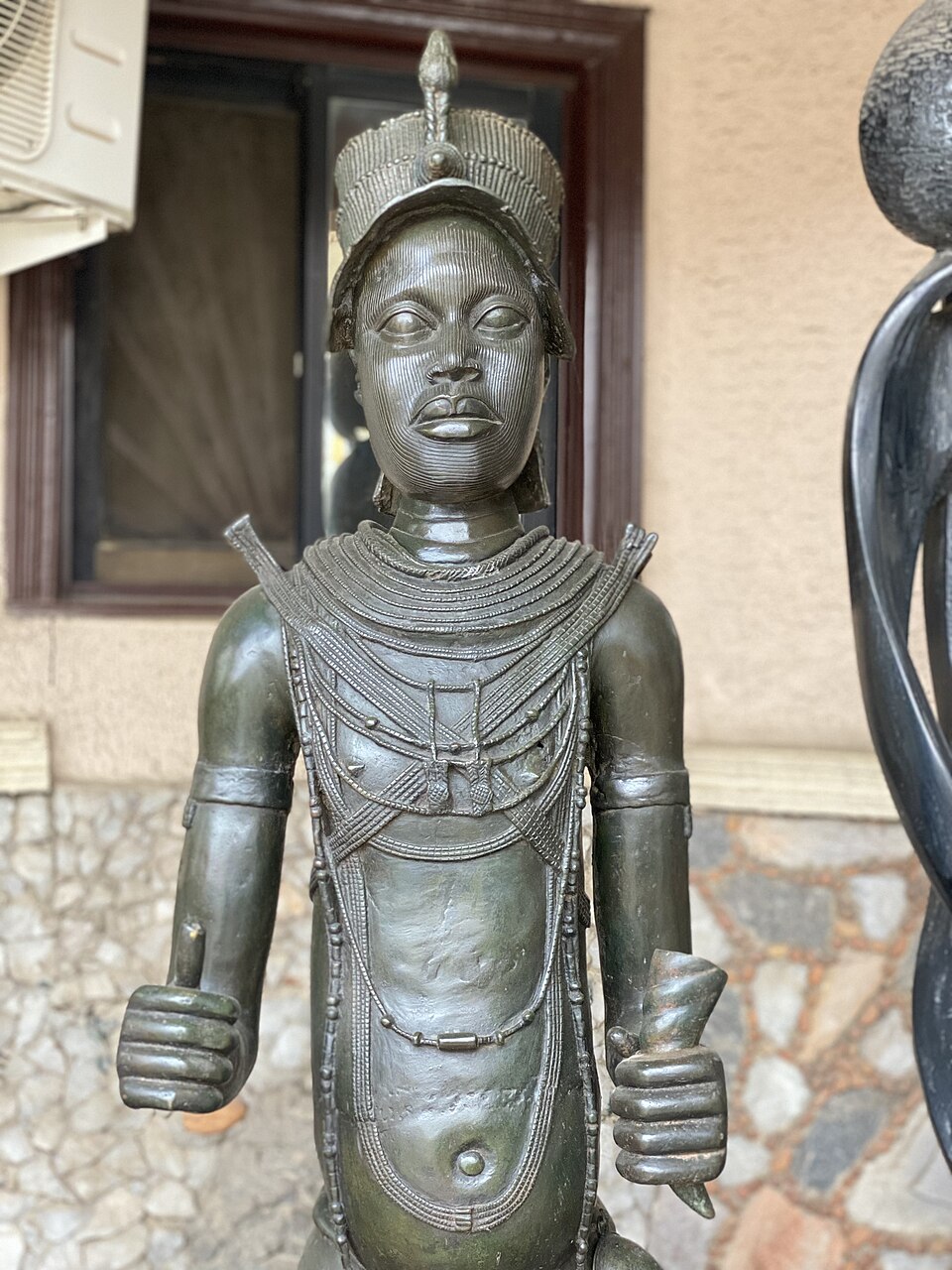
Photo credit: Adesolive via Wikimedia Commons
Contributions of the Seventy Chiefs to the Emerging Warri Kingdom
- Establishment of the Itsekiri Noble Houses
One of the most critical contributions of the Seventy Chiefs was the formation of the early Itsekiri aristocracy. Many of the noble houses and chieftaincy titles associated with Itsekiri governance trace their symbolic origins to these companions. Though specific genealogies vary, traditional accounts hold that clans such as the Ologbotsere, Iyatsere, and other title-bearing lineages derived aspects of their identity from the Benin entourage.
- Administrative and Political Support
Ginuwa’s authority as the first Olu of Warri required administrative support, which these chiefs provided. They managed taxation, regulated trade routes, enforced laws, and maintained order within settlements. Their roles mirrored Benin governance patterns, where noble sons were often assigned land to administer under the authority of the Oba.
- Cultural Transmission
The chiefs helped transplant Benin cultural values into the Warri Kingdom. These included:
Court etiquette and respect for hierarchical authority,
Ritual traditions, including divination, coronation customs, and ancestral veneration,
Artistic influence, especially in metalwork and regalia design. Entries on Benin art highlights the importance of noble sons and palace guilds in transmitting cultural knowledge across regions influenced by Benin.
Socioeconomic Impact of the Seventy Chiefs
- Expansion of Trade Networks
The Niger Delta was already a thriving center of commerce by the fifteenth century. The Seventy Chiefs, familiar with Benin’s commercial strategies, assisted in organizing trade routes linking the inland empire to the coast. Their presence facilitated early interactions with Portuguese traders, who began visiting the Warri area shortly after Ginuwa’s time.
- Settlement and Territorial Organization
With the prince’s movement through various riverine locations, the chiefs established satellite communities, many of which later evolved into significant Itsekiri towns and villages. Their households maintained loyalty to the Olu, reinforcing the monarchy’s reach across the terrain.
The Chiefs’ Role in Ritual and Spiritual Life
- Guardians of Royal Tradition
The Seventy Chiefs played a key role in maintaining royal ritual practices. Certain ceremonies such as rites performed at Ijala-Ikeren, the sacred burial ground of the Olus were conducted or overseen by descendants of the original entourage. Their involvement in such rituals underscores the continuity of their authority.
- Mediators Between the Olu and the People
In addition to administrative duties, the chiefs acted as intermediaries between the monarch and the larger community. They transmitted judgments, collected tributes, and represented local groups in court. Their role resembled that of Benin palace officials, who served as the Oba’s agents throughout the empire.
Legacy and Modern Significance
- Influence on Contemporary Itsekiri Chieftaincy
Modern Itsekiri traditional titles continue to reflect the legacy of the Seventy Chiefs. Although the direct genealogical connections remain debated, the symbolism persists: chieftaincy titles emphasize loyalty, noble service, and lineage linked to ancient Benin traditions.
- Cultural Memory and Historical Identity
The story of the Seventy Chiefs is central to Itsekiri identity. It reinforces the kingdom’s narrative of noble origin, discipline, migration, and the transfer of imperial authority. Wikipedia’s discussions on the Warri Kingdom highlight this connection as part of the broader historical relationship between the Itsekiri and the Benin Empire.
The Seventy Benin Chiefs occupy a significant place in the early history of the Itsekiri people and the formation of the Warri Kingdom. Their roles as noble companions of Prince Ginuwa enabled the establishment of a stable political framework, the development of aristocratic lineages, and the transmission of Benin’s cultural heritage into the coastal environment of the Niger Delta. Their legacy continues to influence modern Itsekiri chieftaincy structures, communal identity, and historical consciousness. Through their actions, the Warri Kingdom emerged as a culturally rich and politically organized society whose roots remain deeply intertwined with the Benin imperial tradition.
Sources and references
- Ben-Amos, P. (1995). The art of Benin. Smithsonian Institution Press.
- Egharevba, J. U. (1968). A short history of Benin. Ibadan University Press.
- Oghene, F. (2018). Noble lineages and the migration of Ginuwa: Reassessing Itsekiri origins. Journal of Delta Studies, 5(1), 33–52.
- Omomukuyo, O. (2017). Rituals of authority in the Warri Kingdom. Nigerian Journal of Cultural Studies, 12(3), 44–58.
- Omoregie, E. (2014). Symbolic numbers and oral tradition in Benin historiography. African Heritage Review, 9(2), 90–105.
- Ryder, A. F. C. (1969). Benin and the Europeans, 1485–1897. Humanities Press.
- Ugbajo, P. (2017). Ea rly Itsekiri-Portuguese trade relations. Studies in Niger Delta History, 2(4), 21–40.
Cite this article
Discussion
Sign in to join the discussion
Comments are checked by an editor before they appear. Leave a source or a correction and it is read first.
Continue reading
Related histories
 Anthropology and EthnographyThe Demography of Biafran Slave Exports (1650–1850)Read history →
 Anthropology and EthnographyMasquerade Traditions from Igboland to the Caribbean (Jonkonnu, Mocko Jumbie)Read history →
 Anthropology and EthnographyMapping Igbo Destinations in the Americas: A Comparative AnalysisRead history →
No comments yet
Nothing has been approved on this record yet. Comments are checked by an editor before they appear, so one written now shows on this page after that check.