 Ozikoro
Anthropology and Ethnography · Published history
The Solemnity of Iya: The Highest Form of Kalabari Marriage
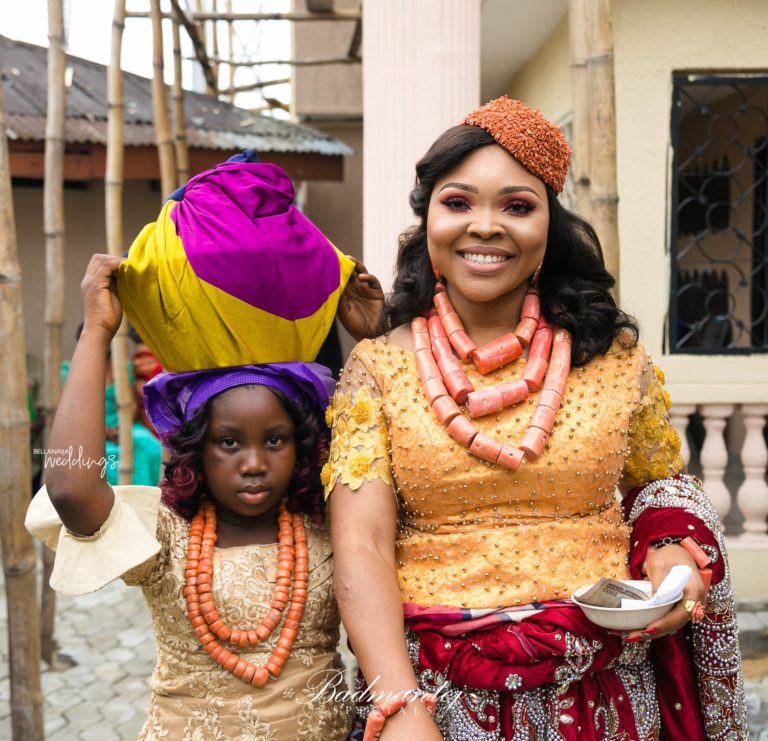
Among the Kalabari people of the eastern Niger Delta, marriage is not just a union between individuals. It is a binding relationship between families, lineages, and the spiritual order. While several levels of marriage exist, none is as revered or socially prestigious as Iya, often described as the “solemn,” “complete,” or “highest” form of Kalabari marriage. Iya represents the pinnacle of marital honor, conferring legitimacy, status, and deep social recognition upon the wife and her children.
The written record

Historical context
Understanding the Kalabari Marriage Structure
There are three categories of marriage Kalabari society traditionally recognizes:
1. Igwa (Informal/Trial Marriage) – a basic form of union, sometimes initiated through cohabitation or gifts.
2. Owu (Intermediate Marriage) – a recognized marriage involving payments and family involvement.
3. Iya (The Solemn/Complete Marriage) – the highest, most prestigious level, involving substantial ritual, material obligations, and communal acknowledgment.
While a couple may begin with Igwa or Owu, Iya is seen as the final completion, the moment the woman becomes a fully recognized and honored wife in her husband’s lineage.
Iya stands apart because it carries unique significance.
It legitimizes children at the highest level of Kalabari tradition.
It establishes strong kinship ties between families.
It confers enhanced social status upon the wife.
It obligates the husband’s lineage to fully “claim” the woman and her children. In essence, Iya is not just personal, it is political, social, and spiritual.
The Meaning and Origins of Iya
A Contract of Honor: The term Iya implies solemnity, completeness, and public acknowledgment. Historically, it symbolized the moment when a woman became not just a wife but a social asset, a bridge between canoe houses, and a bearer of legitimate heirs. The ceremony demonstrated the husband’s ability to fulfill his obligations and respect the lineage he was marrying into.
Marriage as Lineage Strategy: Kalabari society revolves around wari (canoe houses), which function as political, economic, and kinship units. Marriages, especially Iya, were strategically important:
They forged alliances between houses.
They enhanced trade networks.
They strengthened political ties.
They expanded a house’s influence. Thus, Iya was both a cultural and economic investment.
The Requirements and Ritual Process of Iya
1. Payment of the Bridewealth:
A major step toward Iya is the completion of bridewealth, which is significantly higher than that required for Igwa or Owu. This payment traditionally includes:
Money,
Gin,
Foods such as yam and fish,
Cloth, especially high-value textiles like injiri,
Items required by the bride’s ceremonial associations.
The bridewealth symbolizes respect, goodwill, and the uniting of two lineages.
2. Presentation of Gifts to the Bride’s Matrilineal Relatives
Kalabari heritage blends patrilineal and matrilineal elements. For Iya, the groom must honor the bride’s maternal relatives:
Her mother,
Her maternal uncles,
Her maternal grandmother (if living). Failure to do so could invalidate the completion of marriage.
3. Ritual Blessings and Public Recognition
The Iya ceremony typically includes:
Blessings by elders,
Public feasting,
Invocation of the ancestors (Fubara),
Acknowledgment by the husband’s canoe house.
The bride is formally received into the husband’s lineage, often escorted with music, dance, and displays of wealth.
4. The Bride’s Honoring
In Iya, the bride receives personal gifts including:
High-quality cloth
Jewelry
Traditional coral beads
Ritual items symbolizing fertility and domestic prosperity. She becomes a woman of status, entitled to respect and privileges within her husband’s household.
Social Significance of Iya Marriage
Iya is significant to the people of Kalabari because it has several advantages such as:
1. Legitimacy of Children
Children born to a woman under Iya marriage are considered fully legitimate heirs, entitled to:
Full membership in the father’s canoe house,
Inheritance rights,
Political representation,
Stronger ancestral claims,
In Kalabari society, where lineage determines identity, this legitimacy is powerful.
2. Elevated Status for the Wife
A woman in an Iya marriage enjoys:
Special respect in the household
Recognition in community ceremonies
Strong backing from both her natal family and her husband’s canoe house
Greater influence in domestic decisions
She is seen as a “complete” wife, fully integrated into both lineages.
3. Strengthening Lineage Alliances
The Iya marriage strengthens:
Trade partnerships
Fishing and economic cooperation
Ritual alliances
Inter-canoe house peace
Because of this, Iya marriages historically played political roles in stabilizing Kalabari towns.
To the Kalabari, marriage is not just a social contract, it is also spiritual. Through Iya:
Ancestors are invoked to bless the couple.
The woman becomes spiritually connected to her husband’s lineage shrines.
The ancestors (Fubara) become guardians of the marriage.
This spiritual anchoring ensures harmony and fertility.
Certain items used in Iya rituals are symbolic of purity, including:
White cloth
Water (a sacred element in Kalabari cosmology)
Ritual offerings to Tamunọ (the Supreme God) and water spirits.
These elements reflect the union of families under divine order.
While Christian influences and economic changes have altered marriage practices, Iya remains culturally important. Many couples today still:
Perform simplified versions of the ceremony,
Honor traditional obligations,
Combine church marriage with Iya rites,
It continues to symbolize ultimate respect and cultural identity.
A Marker of Kalabari Identity even among educated, urban, and diasporic Kalabari people, Iya is upheld as:
A link to ancestral tradition
A marker of lineage pride
A celebration of womanhood and kinship. Its endurance shows the strength of Kalabari cultural continuity.
The Iya marriage ceremony remains one of the most revered and meaningful institutions in Kalabari society. More than a wedding, it is a social contract, spiritual covenant, economic alliance, and cultural celebration. Through its rituals, obligations, and symbols, Iya reflects the deepest values of the Kalabari people, honor, lineage continuity, respect for ancestors, and the binding power of family. Its persistence into the modern era demonstrates the resilience and beauty of Kalabari tradition.
Sources and references
- Alagoa, E. J. (2005). A history of the Niger Delta: An historical interpretation of Ijo oral tradition. Port Harcourt: Onyoma Research Publications.
- Horton, R. (1998). “Lineage, marriage, and moral order among the Kalabari.” Journal of African Social Structure, 12(2), 55–78.
- Nabofa, M. Y. (1994). Religion and the Niger Delta. Ibadan: Spectrum Books.
- Nyananyo, D., & Briggs, K. (2018). “Kinship, inheritance, and marriage customs in Kalabari culture.” Niger Delta Anthropological Review, 6(1), 3 3–50.
- Worgu, M. (2019). “Marriage, gender, and lineage identity in Kalabari society.” Niger Delta Studies Review, 4(1), 89–104.
Cite this article
Discussion
Sign in to join the discussion
Comments are checked by an editor before they appear. Leave a source or a correction and it is read first.
Continue reading
Related histories
 Anthropology and EthnographyThe Demography of Biafran Slave Exports (1650–1850)Read history →
 Anthropology and EthnographyMasquerade Traditions from Igboland to the Caribbean (Jonkonnu, Mocko Jumbie)Read history →
 Anthropology and EthnographyMapping Igbo Destinations in the Americas: A Comparative AnalysisRead history →
No comments yet
Nothing has been approved on this record yet. Comments are checked by an editor before they appear, so one written now shows on this page after that check.