 Ozikoro
Anthropology and Ethnography · Published history
The Symbolism of Ichi Markings Among the Igbo People in the Early 20th Century
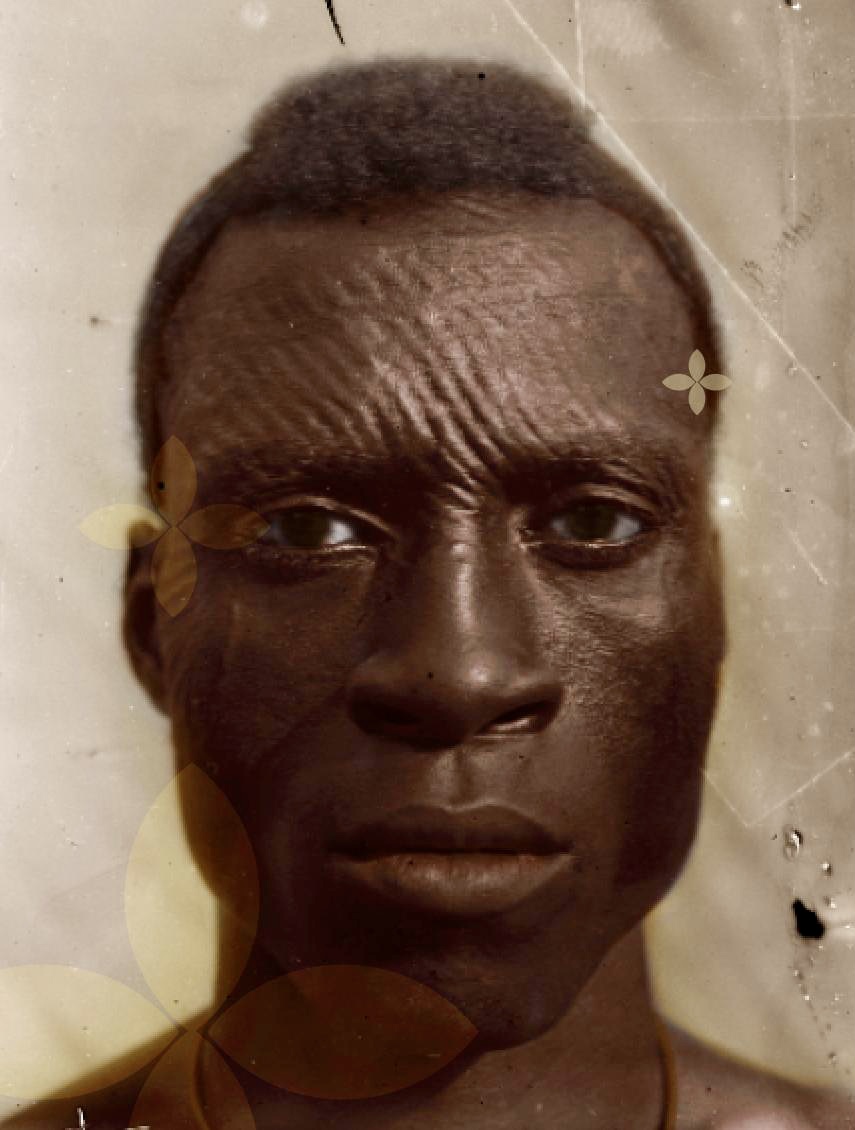
In the early 20th century, an Igbo man was photographed by British government anthropologist Northcote Thomas, capturing a visual representation of the detailed markings known as “ịchị”. These facial scarifications, thoroughly etched into the skin, served as a physical testament to the bearer’s social and spiritual journey. Specifically, ichị markings were traditionally worn by men and young boys as part of their initiation into the esteemed Nze na Ozo society.
The written record
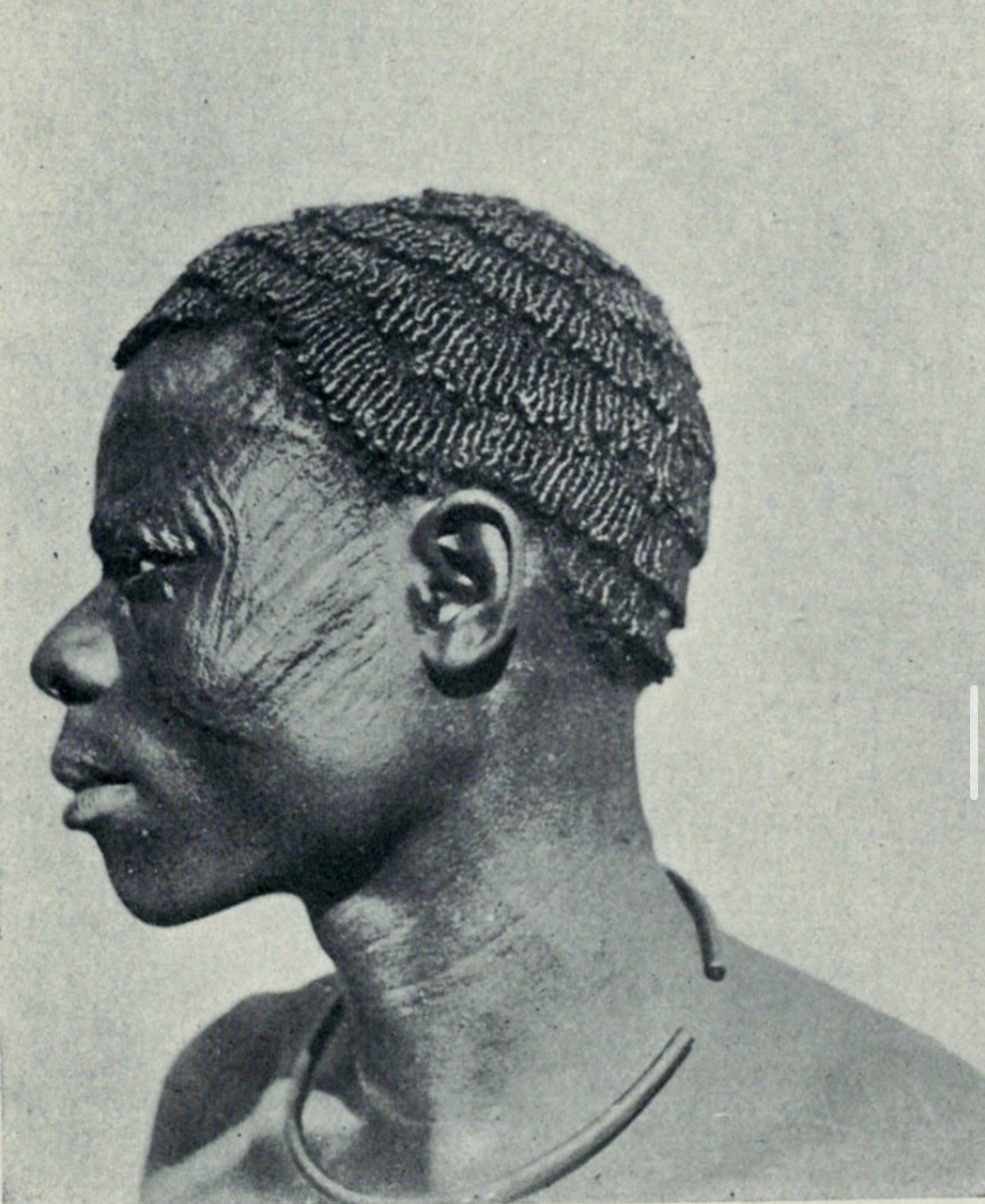
The Nze na Ozo society was an exclusive organization originally composed of priests and high-ranking community members, signifying wisdom, leadership, and a deep commitment to Igbo cultural and spiritual values. Members of this society were recognized as custodians of tradition, mediators of justice, and bearers of sacred responsibilities. Through initiation, they acquired not only the ichị markings but also a new status and titles that elevated them within their communities.
The term ogba ubi, meaning “farm furrows,” poetically describes the appearance of the markings, drawing a parallel to the ridges of farmland. This metaphor reflects the agricultural foundation of Igbo society, linking the markings to the values of hard work, prosperity, and growth. Beyond their social significance, ichị also symbolized personal bravery, as enduring the process of scarification required immense courage and pain tolerance.
Historical context
Northcote Thomas’s photographs and documentations provides valuable insights into Igbo customs and practices during the colonial period. His photographs and writings preserve a critical part of Igbo heritage, serving as a reference for cultural and historical research into this era.
Sources and references
- Cole, H. M., & Aniakor, C. C. (1984). Igbo Arts: Community and Cosmos. Museum of African Art.
- Fagg, W., & Pemberton, J. (1982). Africa and the Renaissance: Art in Ivory. The Metropolitan Museum of Art.
- Thomas, N. (1913-1914). Anthropological Reports on the Igbo-Speaking Peoples of Nigeria. Harrison and Sons.
- Trowell, M. (1970). Classical African Sculpture. Faber and Faber.
- Chiadikobi Nwaubani (2019). Ukpuru.
Cite this article
Discussion
Sign in to join the discussion
Comments are checked by an editor before they appear. Leave a source or a correction and it is read first.
Continue reading
Related histories
 Anthropology and EthnographyThe Demography of Biafran Slave Exports (1650–1850)Read history →
 Anthropology and EthnographyMasquerade Traditions from Igboland to the Caribbean (Jonkonnu, Mocko Jumbie)Read history →
 Anthropology and EthnographyMapping Igbo Destinations in the Americas: A Comparative AnalysisRead history →
No comments yet
Nothing has been approved on this record yet. Comments are checked by an editor before they appear, so one written now shows on this page after that check.